Skip to content

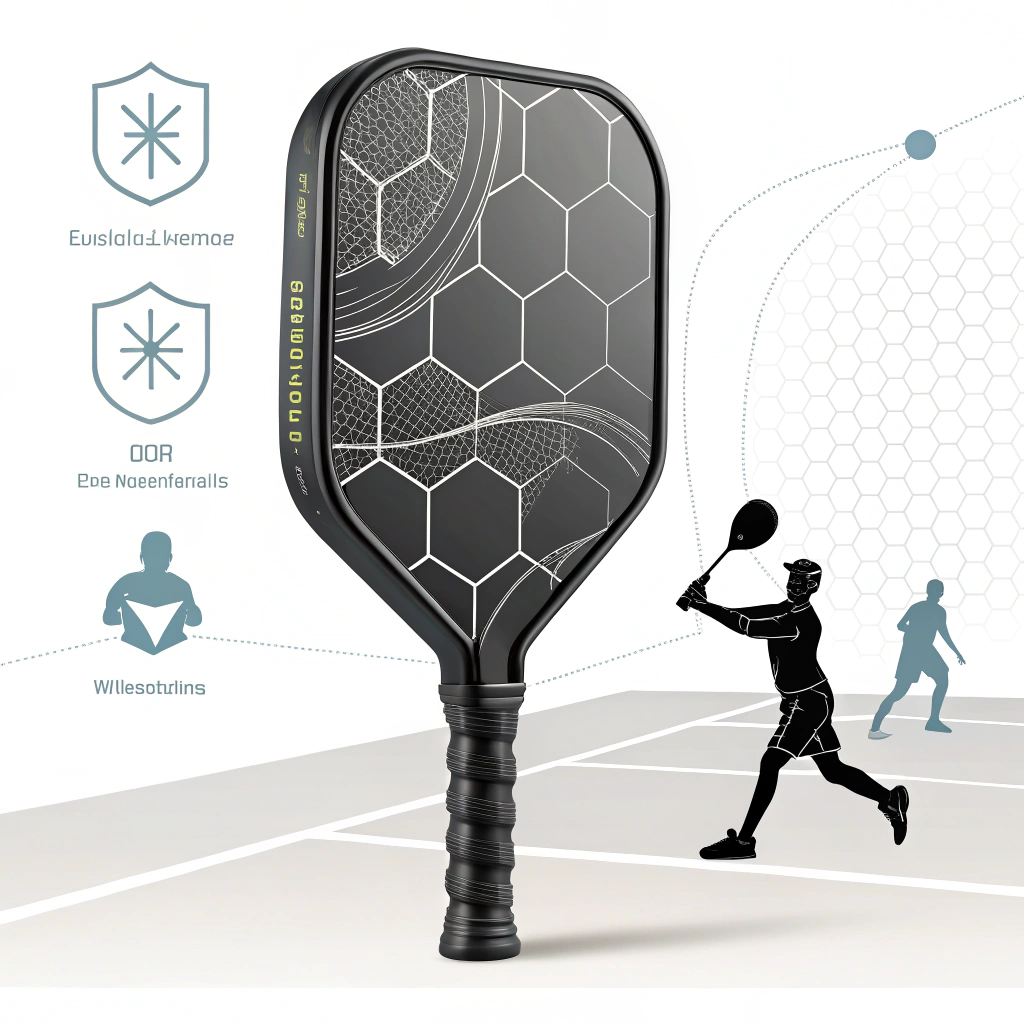
Pickleball performance can be optimized by integrating advanced paddle design with proven gameplay techniques—providing a tangible edge in both strategy and equipment efficiency.
In the fast-evolving world of pickleball, many players and decision-makers face the challenge of balancing gameplay techniques with the rapid innovation seen in paddle manufacturing. This article explores how combining superior paddle materials and technologies with on-court strategies can elevate overall play. We address practical issues, analyze underlying factors, and offer actionable solutions tailored for sports clubs, retail buyers, and B2B partners looking to enhance performance and drive better purchase decisions.
For many in the sports equipment industry, the main challenge is aligning new gameplay methodologies with continuous innovations in paddle design. Traditional practices often favor conventional techniques that do not fully exploit the benefits of modern materials such as 3K Carbon Fiber1, 12K Carbon Fiber, and advanced honeycomb cores. At the same time, players seek strategies that maximize the equipment’s performance—ensuring every shot counts.
Key issues include:
• Underutilization of paddle technology in gameplay.
• Difficulty in training players on diverse tactics that match the paddle’s optimized performance features.
• Uncertainty in material investment versus performance improvement.
Several factors contribute to this disconnect:
- Material Limitations: Conventional paddle materials sometimes fail to deliver enhanced control, balance, or durability. Without full integration of advanced material benefits, players may not experience significant performance improvement.
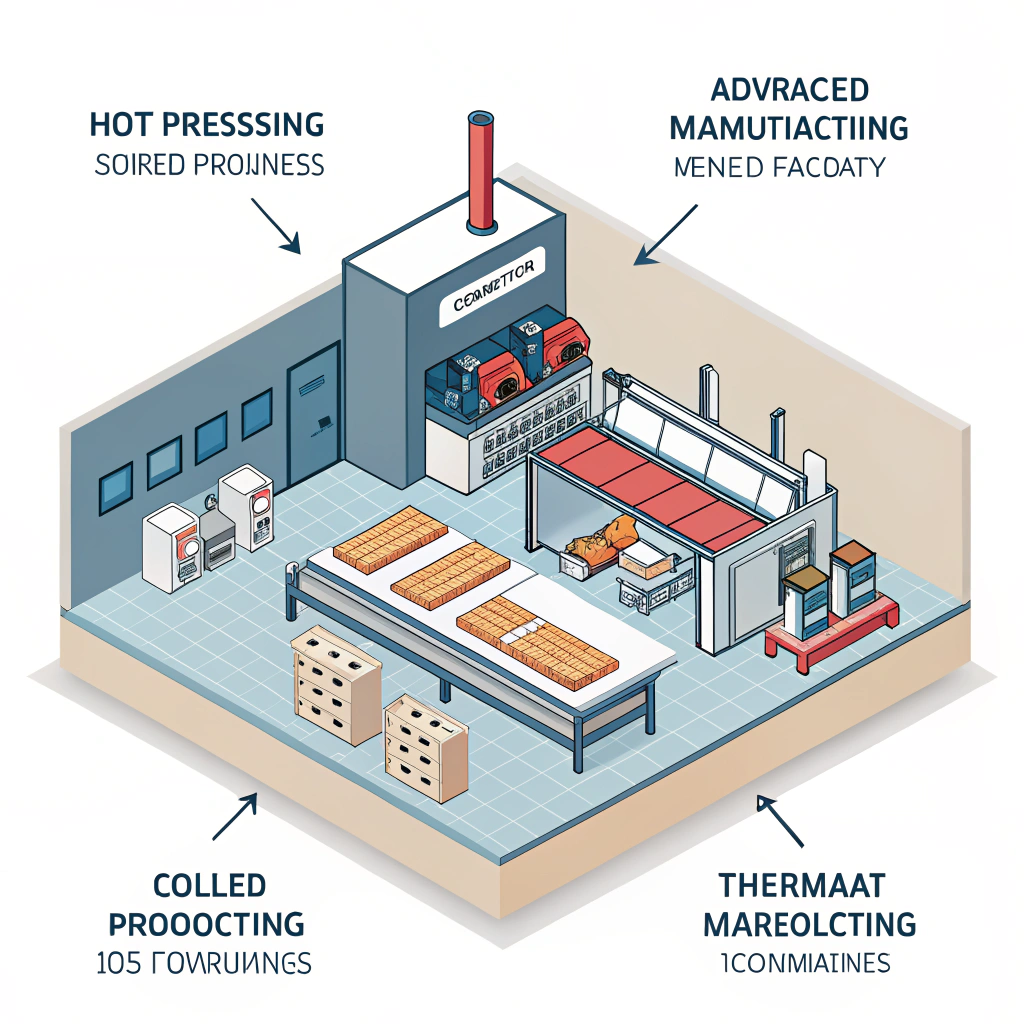
- Technological Gap: Many facilities still rely on outdated manufacturing techniques. With modern processes like hot pressing2, cold pressing, and thermoforming3, achieving optimal paddle performance requires proper integration into gameplay training.
- Instructional Shortfalls: Instruction methods often overlook how material properties affect play. For instance, a Nomex Honeycomb Core4 paddle might require different shot strategies compared to a paddle with a Bamboo Core Composite5.
- Economic Constraints: Retail buyers and sports clubs must weigh the production costs against performance returns. Ensuring that premium paddles drive measurable value remains a key concern.
Understanding these causes lays the foundation for merging gameplay innovations with cutting-edge paddle construction.
A systematic approach is essential to address these challenges, underpinned by both strategy and technology. Below is a comprehensive checklist and table summarizing each element and its impact.
• Develop training modules that align with paddle performance characteristics.
• Highlight the variations in material properties such as rebound force, vibration reduction, and surface texture.
• Incorporate data-driven insights—such as strength metrics and durability tests—into gameplay instruction.
Manufacturing processes significantly affect the paddle’s performance. Consider the following table:
| Process | Advantages | Limitations |
|---|---|---|
| Hot Pressing | High efficiency, strong impact resistance | Equipment cost high; alteration of feel |
| Cold Pressing | Precise control over thickness, better ball feel | Longer production cycles, requires precision |
| Thermoforming | Enables intricate designs and precise distribution | Longer production time, higher costs |
By explaining how each production process contributes to performance differences, decision-makers can better assess and match product options to player needs.
Each material selection can be paired with specific playing strategies. For example:
• 3K Carbon Fiber: Its flexibility and rebound force make it ideal for aggressive shot selection and deep serves.
• 12K Carbon Fiber: With its higher thread density, it offers superior hardness and is best used for powerful, offensive plays.
• T300 Carbon Fiber: Balances strength with lightweight benefits, perfect for fast transitions and quick volleys.
Recommendations:
• Encourage players to adopt a forehand-centric approach when using paddles with a high rebound surface.
• Implement drills that focus on spatial awareness, such as maintaining close communication with partners for responsive lateral movements.
• Use underhand serves with deep ball placements, especially when the paddle’s design assures optimal control.
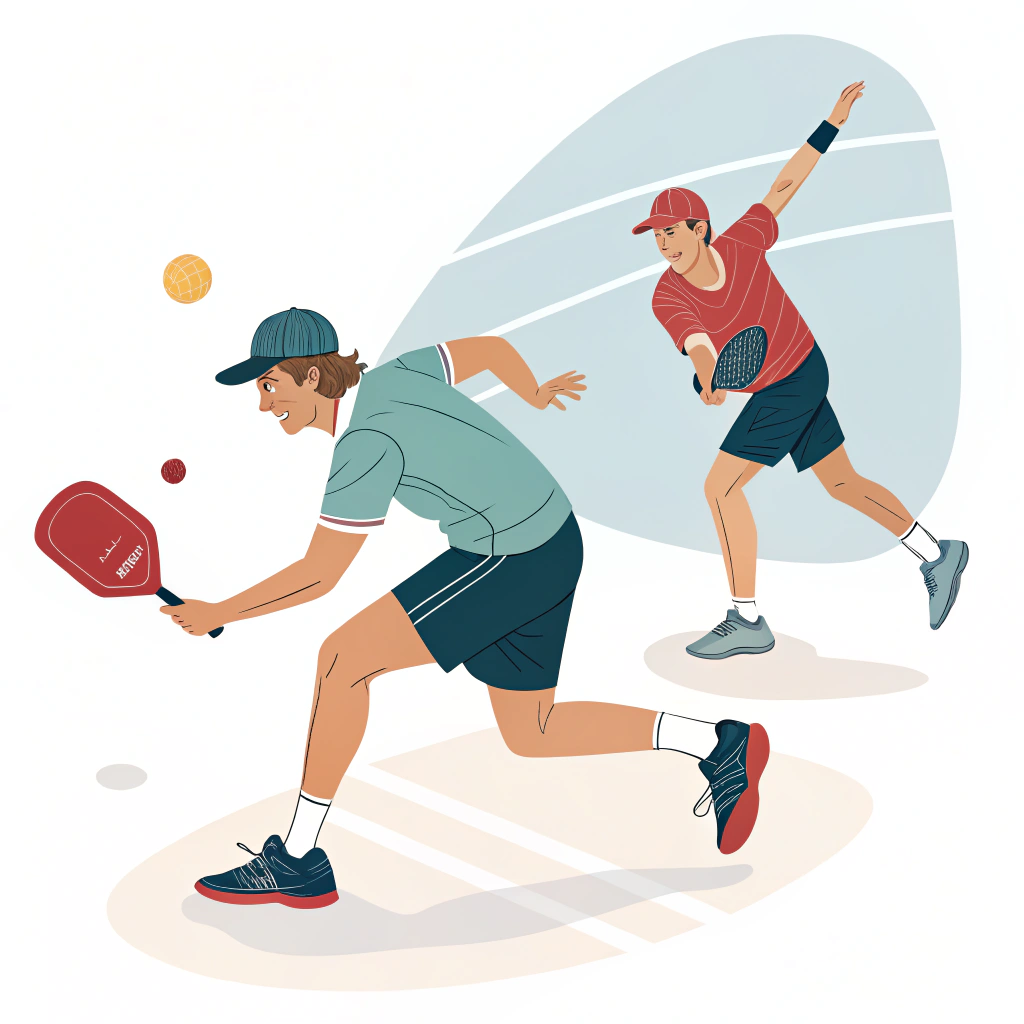
Improving gameplay techniques concurrently with advanced paddle technology can lead to significant performance gains. Consider these areas:
• Dink Shots and Net Play: Players should use controlled dink shots coupled with deep returns. This technique leverages both the paddle’s sharp surface treatment and the material’s performance benefits.
• Shot Selection and Communication: Maintaining constant communication and mirroring shots based on detected weaknesses accentuate the capabilities of the paddle’s honeycomb or bamboo core.
• Positioning and Serving Tactics: Both serving deep and returning with precision remain pivotal. A thoughtful approach that adjusts based on paddle balance and rebound characteristics leads to better shot success.

Retail buyers and B2B partners are always seeking measurable performance outcomes. Thus, pairing empirical gameplay data with paddle performance metrics offers substantial value:
• Data Collection: Install sensors in training paddles to gather data on shot speed, rebound efficiency, and vibration levels.
• Performance Analytics: Compare data across different materials to determine which design offers the best synergy with specific gameplay techniques.
• Customer Feedback Loops: Actively solicit feedback from sports clubs and professional teams to continuously improve design and training strategies.
A simple table illustrates the core performance metrics commonly evaluated:
| Metric | Impact on Play | Material Correlation |
|---|---|---|
| Rebound Force | Affects shot speed | Higher in 3K Carbon Fiber paddles |
| Vibration Reduction | Enhances shot precision | Optimized in Nomex Honeycomb Cores |
| Control and Balance | Fosters precision | Best in T300 Carbon Fiber paddles |
| Durability | Long-term performance | Improved with Fiberglass composites |
When deploying these strategies, keep in mind the following critical points:
• Always match paddle technology with the player’s experience level. High-performance materials may be best for competitive play, while recreational players might prefer enhanced control.
• Continuous skill training is paramount. Equipment innovation and player adaption need a synchronized approach.
• Factor in the facility’s budget, ensuring the investment in cutting-edge technology realizes tangible performance improvements.
• Regularly update training modules as paddle designs evolve. Both players and B2B partners should be informed of the latest advancements, such as improvements in combining carbon fiber with fiberglass composites.
Real-world case studies illustrate that clubs adopting this integrated approach have seen notable improvements in both shot precision and rally durability. For example, teams using paddles manufactured through advanced hot pressing and designed for aggressive forehand plays consistently recorded deeper and more strategic plays during competitive matches.
Consider a mid-sized sports club that recently transitioned to using paddles with advanced Bamboo Core Composite and Polymer Honeycomb Cores. Their training program was adjusted to include specialized drills focusing on lateral movement, controlled dinks, and strategic deep serves.
Results:
• A 20% increase in shot consistency during high-pressure rallies.
• Improved communication and partner coordination translated into a higher win rate.
• Enhanced paddle durability reduced replacement frequency, offering better cost efficiency for the club.
Such data-driven insights underline the value of integrating technology with everyday gameplay strategies. By doing so, clubs and B2B partners can ensure a competitive edge while justifying premium investments.
Integrating innovative paddle manufacturing with targeted gameplay techniques not only elevates player performance but also supports strategic purchasing decisions for sports clubs and retail buyers. By focusing on elements such as advanced material properties, precise production processes, and specific training adaptations, the field of pickleball can move toward a more optimized and measurable performance future.
Actionable Recommendations:
- Review current training modules to include specific drill techniques that harness paddle technology.
- Organize workshops or webinars to educate coaches and players on the benefits of modern paddle materials.
- Evaluate the cost-to-benefit ratio of adopting advanced manufacturing processes for long-term performance gains.
- Initiate pilot programs in sports clubs to gather data on the performance impact from new paddle designs.
- Collaborate with manufacturing experts like NEX Pickleball to source paddles built with state-of-the-art technologies.
This comprehensive approach ensures that investments in both human and material resources meet the dynamic demands of competitive pickleball. As advanced materials and production techniques continue to redefine the sport, aligning gameplay tactics with these improvements becomes not just beneficial, but essential for future success.
People Also Ask
• What is the best strategy for pickleball?
Professional pickleball strategies suggest staying close to your partner, mirroring the ball's movement, using a forehand approach for central shots, and communicating effectively to identify weaknesses. Deep serves and returns further assist in controlling the game.
• What is the right way to play pickleball?
The correct method in pickleball involves starting every rally with an underhand serve, ensuring the ball bounces on each side before volleying, and continuing play until a fault occurs. It is crucial to adhere to the rules regarding volleying, particularly regarding the kitchen line.
• What is the best way to practice pickleball?
Practicing pickleball can be optimized through controlled warm-up exercises like dink shots against a wall, alternating wall volleys, lateral shuffle drills to enhance movement, and serving with split-steps to simulate match conditions.
-
3K Carbon Fiber: Read the article to gain insights into the unique properties of 3K Carbon Fiber, including its lightweight strength and application benefits in advanced sports equipment. ↩
-
hot pressing: Discover the hot pressing process and learn how it enhances material density and optimizes the performance characteristics of paddle components. ↩
-
thermoforming: Explore the thermoforming technique to see how precise material shaping can lead to intricate designs and improved functionality in sports equipment. ↩
-
Nomex Honeycomb Core: Click here to understand how Nomex Honeycomb Core technology improves durability and shock absorption, essential for high-performance sports gear. ↩
-
Bamboo Core Composite: Learn about Bamboo Core Composite construction and its advantages in combining natural strength with advanced composite technology for better paddle performance. ↩