Skip to content

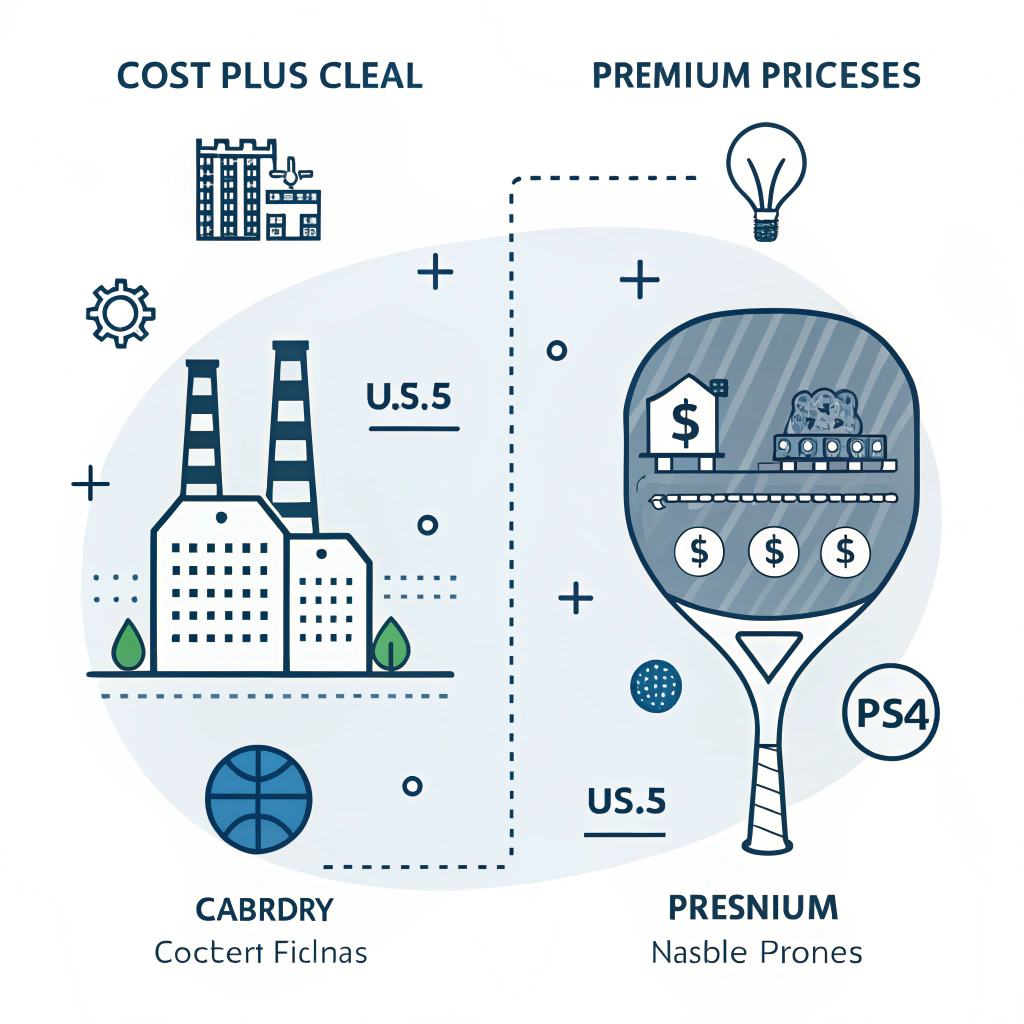
Quick Answer: In the B2B sports equipment distribution sector, using a cost-plus pricing1 model focuses on covering manufacturing costs plus a fixed margin, while a value-based pricing2 model leverages market demand and perceived product performance to optimize profits. This article compares both models for pickleball paddles to help procurement professionals make informed pricing decisions.
Understanding the Cost-Plus and Value-Based Pricing Models
For any B2B procurement manager, choosing the right pricing model is crucial. With pickleball paddles, the choice between cost-plus pricing1 and value-based pricing2 can directly influence product positioning, profitability, and market competitiveness. In cost-plus pricing, prices are determined by adding a fixed percentage or markup to the production costs. In contrast, value-based pricing sets prices based on consumer perceptions of value, competitive positioning, and market demand.
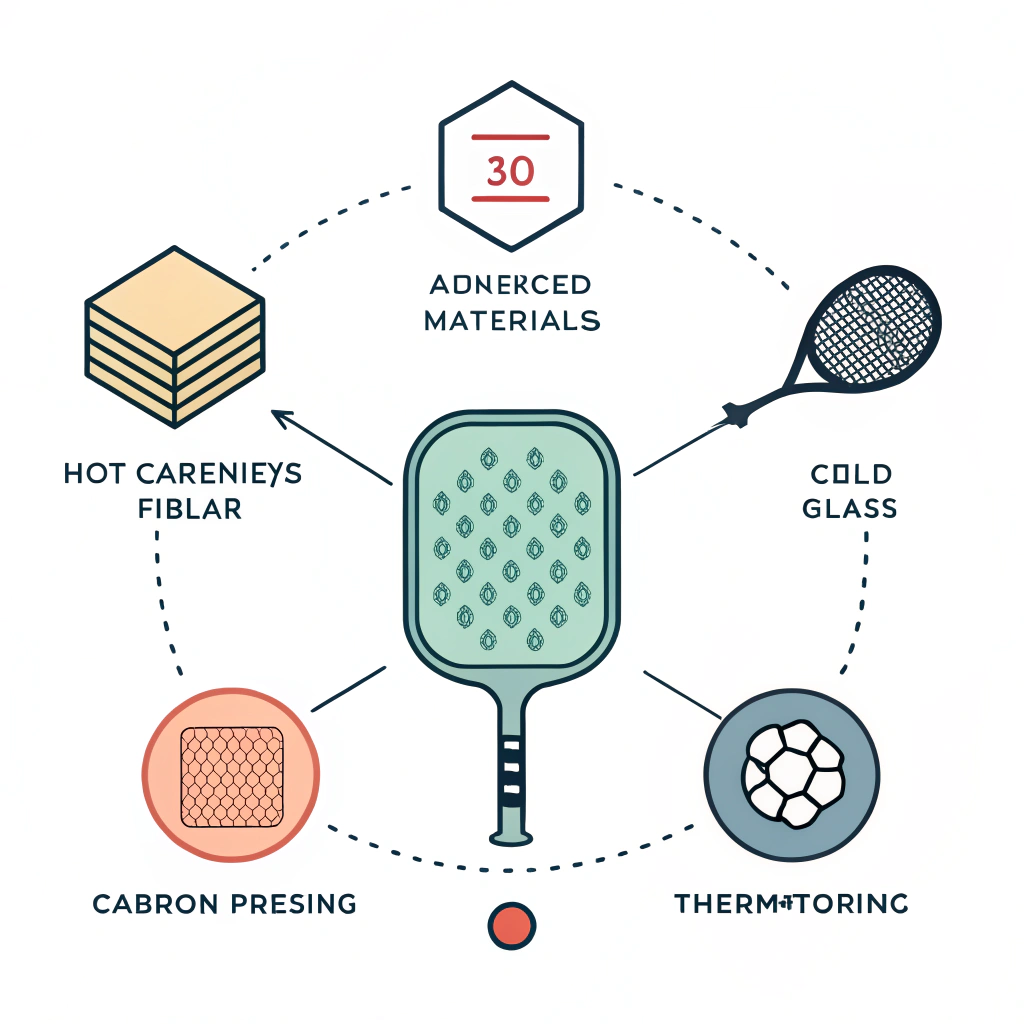
Each model has its strengths and trade-offs. Cost-plus pricing gives transparency and predictability, especially in an industry where production costs are variable due to material fluctuations and advanced manufacturing processes such as hot pressing, cold pressing, and thermoforming3. On the other hand, value-based pricing can capture premium margins in competitive markets where customers value advanced features like enhanced ball control, durability, and performance offered by superior materials.
The Manufacturing Perspective: Material and Process Impact
At NEX Pickleball, our paddles are crafted using advanced processes and premium materials. For example, carbon fiber4 types—such as 3K, 12K, and T300—are used to deliver the optimal blend of strength, durability, and lightweight performance. Similarly, materials like fiberglass5 and custom composites (e.g., carbon fiber/fiberglass composites, bamboo core, honeycomb core) are essential for meeting various player demands. These materials have different cost profiles and production complexities that directly feed into your pricing decisions.
Our production processes—hot pressing, cold pressing, and thermoforming—each bring unique aspects to production economics:
- The hot pressing process is efficient and produces durable paddles, though it requires significant upfront investment.
- With cold pressing, the focus is on precision and maintaining material properties, resulting in excellent control and feel.
- Thermoforming enables intricate designs but may lead to higher costs and longer production cycles.
Considering these factors is vital in determining the base cost of each paddle, which then becomes the foundation for any pricing strategy. In a cost-plus model, each process's cost is calculated and then marked up. In a value-based approach, the premium justified by advanced manufacturing and material performance can drive higher margins.
Cost-Plus Pricing: Transparent, Predictable, and Process Driven
Using a cost-plus pricing model means establishing a clear, transparent pricing structure by focusing on production costs and adding a predefined markup. This model is particularly useful for procurement managers who need to forecast budgets and understand cost dynamics. Key benefits include:
• Ease of calculation and justification – Each component cost (material, labor, overhead) is clearly measurable.
• Stability in pricing – Once the production cost is calculated, fluctuations in market sentiment have limited impact on pricing schedules.
• Simplicity in negotiations – Transparent cost structures help in building trust with suppliers and internal stakeholders.
To illustrate, consider a scenario where a pickleball paddle incurs a material cost of $20. With an agreed markup of 50%, the final price will be set at $30. This predictable model provides reassurance; however, it may not capture any additional value that players are willing to pay for premium features.
Value-Based Pricing: Aligning Price with Perceived Performance
In contrast, value-based pricing revolves around how the product is perceived by the end customer, rather than solely on manufacturing costs. This approach considers factors such as paddle design innovation, advanced materials' benefits, market positioning, and competitive differentiation. Its strengths include:
• Ability to capture premium margins – When players perceive a paddle as offering unmatched performance (like better control, reduced vibration, and improved spin), they are willing to pay more.
• Flexibility – Prices can be adjusted quickly in response to market trends or competitor pricing strategies.
• Market-driven decision-making – Profits can be maximized based on customer demand rather than solely on cost recoveries.
For instance, a paddle made with T300 Carbon Fiber may have a production cost similar to a 3K carbon fiber paddle. However, due to its superior tensile strength and performance characteristics, the T300 paddle can command a higher market price. This model requires a more in-depth market analysis but can be lucrative if executed correctly.
Detailed Comparison: Cost-Plus vs. Value-Based Pricing
Below is a detailed table comparing the two pricing models across several important dimensions:
| Pricing Model | Definition | Pros | Cons | Impact on Product Positioning |
|---|---|---|---|---|
| Cost-Plus Pricing | Price = Cost + Fixed Markup | • Transparent and predictable • Easy cost justification • Simple budgeting | • May not reflect premium product value • Limited flexibility with market fluctuations | Emphasizes manufacturing cost; appeals to cost-conscious buyers |
| Value-Based Pricing | Price is based on perceived value and market demand | • Captures premium margins • Adaptive to market trends • Enhances brand value perception | • Requires in-depth market analysis • Risk if market value is overestimated or misread | Emphasizes performance and innovation; ideal for premium products |
This table reflects how each model can influence not only pricing decisions but also marketing strategies and product positioning. For instance, employing a value-based pricing model for high-performance paddles can differentiate your offerings in a competitive market, whereas cost-plus pricing may apply to a wider range of products where predictability is more valuable than capturing maximum consumer surplus.
Real-World Considerations for B2B Procurement in Pickleball Paddle Sourcing
When procuring pickleball paddles, procurement managers must navigate complex factors that influence pricing strategies:
-
Material Cost Variations
Advanced materials like carbon fiber (3K, 12K, T300) and specialized composites add to the base manufacturing cost. Cost-plus pricing integrates these variations directly, while value-based pricing leverages them as marketing differentiators. Understanding the underlying costs of materials allows procurement managers to anticipate future market trends and negotiate better with manufacturers. -
Production Process Complexity
Each manufacturing process—hot pressing, cold pressing, thermoforming—has its advantages and disadvantages. For instance, while hot pressing offers efficiency, it may not provide the nuanced control that a cold pressing process does. Procurement managers need to weigh the cost benefits against performance requirements to decide which production process aligns best with their business model. This relationship should be clearly defined in your pricing model discussions. -
Market Trends and Competitive Benchmarking
In a competitive B2B environment, it is essential to monitor how competitor brands position themselves. Value-based pricing can allow companies to extract additional margins by highlighting superior performance traits such as rebound force, shock absorption, and ergonomic design. Data-driven decision making based on competitor analysis and consumer feedback is critical when adopting a value-based model. -
Customization Demands
Many players and sports organizations are now seeking customized paddle options. Customization can influence the cost structure significantly. Using cost-plus pricing can guarantee that additional customization fees are covered. Conversely, a value-based approach might allow companies to charge a premium for customization, reflecting the perceived uniqueness and performance enhancement. Clearly understanding these market facets helps ensure that pricing models remain both competitive and profitable. -
Economic and Supply Chain Considerations
Fluctuating raw material prices and supply chain disruptions can impact your pricing decisions. With cost-plus pricing, every increment in cost is passed on to the final price with a predetermined markup. However, value-based pricing might offer some buffer, with companies able to adjust margins based on perceived market demand even in challenging economic conditions. Procurement strategy should include contingency plans for volatile market conditions and cost fluctuations.
Implementing the Optimal Pricing Strategy
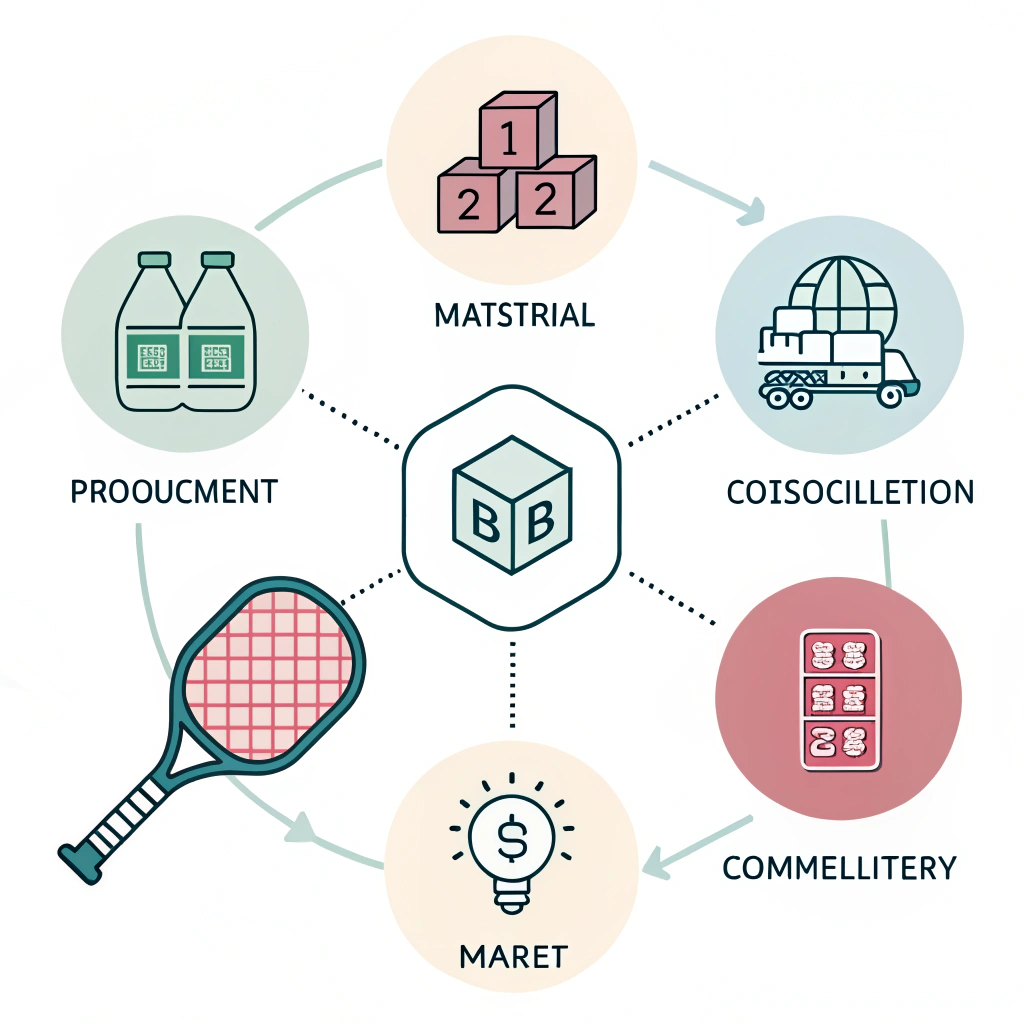
For a senior procurement manager or pricing strategist, the choice between cost-plus and value-based pricing should be made after thorough cost analysis and market studies. Here are some actionable recommendations:
• Conduct a detailed cost analysis: Break down the costs related to materials, labor, and production processes. Transparency in these costs is vital for any cost-plus model.
• Perform market research: Understand how players perceive performance differences among paddles made with differing materials (like T300 Carbon Fiber vs. 3K Carbon Fiber) to leverage value-based pricing effectively.
• Use data-driven decision-making: Leverage industry reports, competitor pricing, and sales data. This approach helps fine-tune pricing models to match market expectations and competitive positioning.
• Consider hybrid models: In some cases, a hybrid approach may work best. For base models with predictable costs, a cost-plus strategy ensures basic financial stability. For premium or customized paddles, a value-based approach can capture additional margins.
• Regularly review pricing strategies: Markets change. Regular reviews of cost structures, manufacturing efficiencies, and market trends help in adjusting pricing models to optimize profitability continuously.
A blended pricing strategy could be the answer—utilizing cost-plus pricing for a line of standard paddles while employing value-based pricing for high-performance or customized options. This dual approach can help manage risks associated with fluctuating material costs while capturing premium margins on advanced products.
Conclusion and Actionable Insights
In conclusion, the choice between cost-plus pricing and value-based pricing for pickleball paddles involves balancing production cost transparency with market-driven pricing power. Cost-plus pricing is reliable, straightforward, and builds on a clear understanding of production costs. By contrast, value-based pricing can provide more significant profit potential by tapping into the perceived performance advantages of advanced paddle materials and manufacturing processes.
For B2B procurement professionals, the decision should be influenced by both internal cost structures and external market trends. Evaluating manufacturing efficiencies, material quality, and customer demand can help tailor a pricing strategy that aligns with overall business profitability. By continually assessing production costs and market performance, companies can flexibly adapt their pricing models to meet changing business needs.
Ultimately, whether you choose a cost-plus or a value-based pricing method—or a combination of both—the key is to ensure that your pricing strategy supports sustainable growth, meets consumer expectations, and maintains competitiveness in a dynamic sports equipment market. For those looking to optimize procurement costs and retail pricing, a strategic, well-informed approach can drive success and long-term market leadership.
People Also Ask
Q: Is there a difference between cheap and expensive pickleball paddles?
A: Yes, there is a significant difference. Higher-end paddles often incorporate advanced materials such as carbon fiber and fiberglass, which provide better control, power, and durability. Although expensive paddles may offer performance enhancements, lower-priced options can still be effective depending on the player's needs.
Q: Why are pickleball paddles different prices?
A: The price differences arise mainly from material quality, manufacturing processes, and performance features. Premium materials like high-density carbon fiber and specialized composites increase production costs, and thus paddles built with them command higher prices. Additionally, advanced production techniques add value that reflects in higher retail prices.
Q: What is the best value pickleball paddle for the money?
A: The best value paddle typically balances quality and performance with an affordable price. Many paddles under specific price points have been well-reviewed for their cost-effectiveness, yet the optimal choice depends on the buyer's requirements in terms of durability, control, and design innovations.
-
cost-plus pricing: Click to read an article detailing how adding a fixed markup to production costs creates a predictable pricing structure, ensuring transparency for B2B decision-makers. ↩ ↩ ↩2
-
value-based pricing: Click to learn how pricing based on perceived product value and market demand can capture premium margins and enhance competitive positioning. ↩ ↩ ↩2
-
thermoforming: Click to understand thermoforming, a manufacturing process that enables intricate design features while considering cost and production cycle impacts. ↩ ↩
-
carbon fiber: Click to explore the benefits and applications of carbon fiber in advanced manufacturing, including its impact on strength, durability, and weight reduction. ↩ ↩
-
fiberglass: Click to examine fiberglass as a material, detailing its properties, cost implications, and role in composite construction for premium products. ↩ ↩