Skip to content

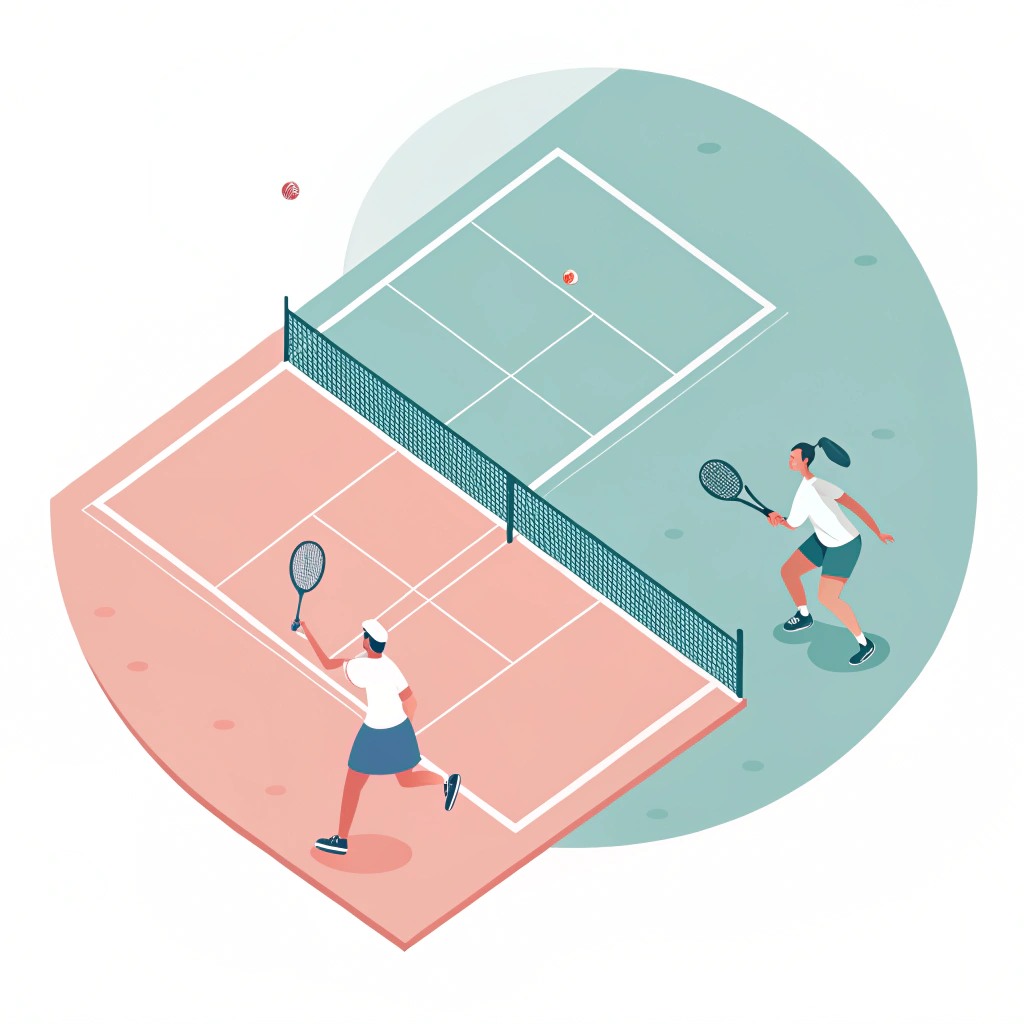
Pickleball differs from tennis in several key ways, from game rules and court size to equipment and play style. In pickleball, only the serving team can score, serves are made underhand, and the court is much smaller. This simplified and accessible approach creates a unique playing experience that appeals to a broad range of players, from beginners to seniors.
Both pickleball and tennis are racquet sports with distinctive characteristics that affect gameplay, required skills, and equipment design. Pickleball is played on a smaller court with a unique set of rules that emphasize controlled serves and slower pace, while tennis demands a higher level of physical endurance, complex strokes, and a larger playing area.
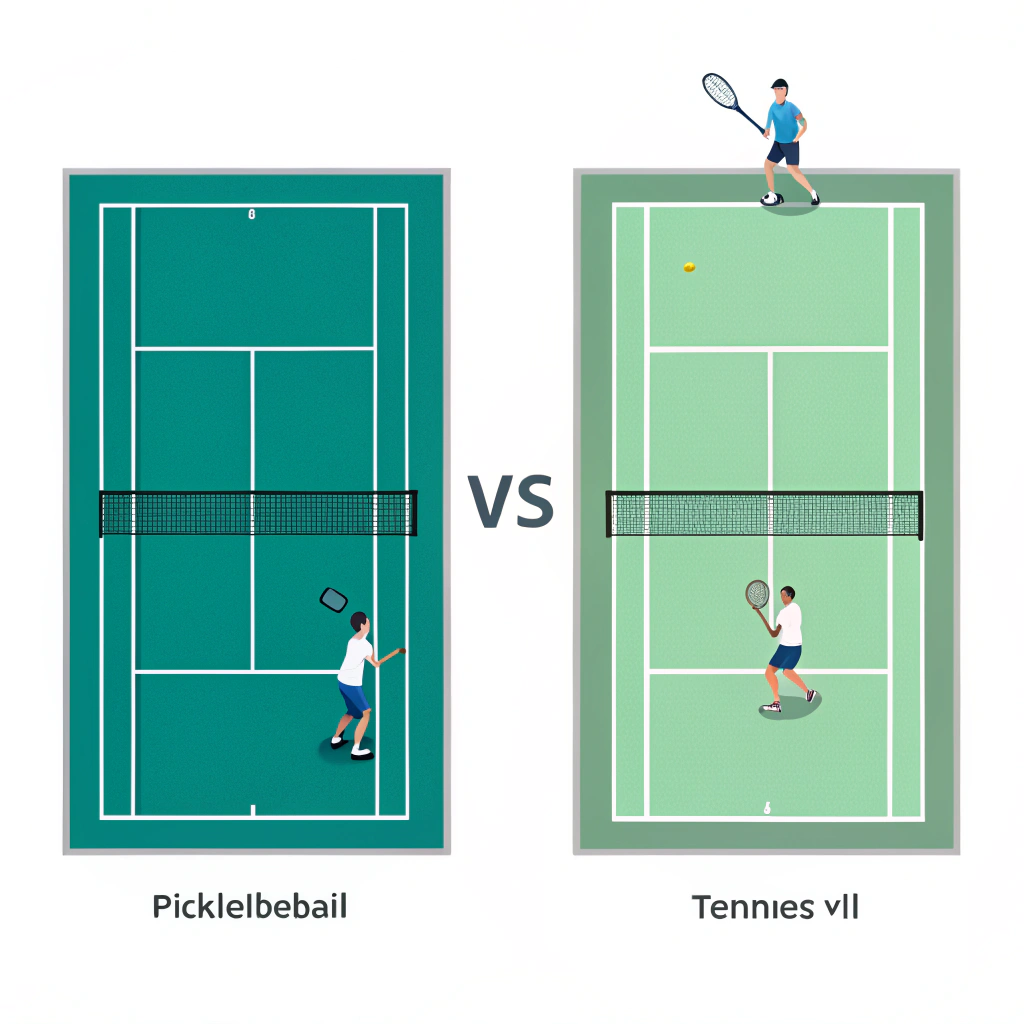
- Serving and Scoring: In pickleball, only the serving team can score a point. The serve must be delivered underhand, ensuring a consistent and controlled start to each rally.
- Court Size: The court is considerably smaller compared to a tennis court, which minimizes running distances and allows for a more social, doubles-oriented game.
- Pace: The slower pace of the game means that players have more time to react to the ball, making it easier for beginners to learn and for older players to enjoy extended play.
- Equipment: The game uses paddles made of advanced materials such as carbon fiber1, fiberglass, or composite cores. These paddles are designed to offer excellent control and power while reducing vibrations.
- Serving and Scoring: In tennis, both players can serve and score points. Serves can be executed overhand and often include aggressive spin techniques, making the serve a critical part of gameplay.
- Court Size: A typical tennis court is much larger, requiring players to cover more ground and engage in quick lateral movements.
- Pace: Tennis is generally faster and more physically demanding. The varied playing speeds and trajectories require a higher level of technique and footwork.
- Equipment: Tennis racquets are generally larger, offering a wide range of designs that balance power and control. The racquet design emphasizes a larger sweet spot and varying string tensions for different play styles.
When comparing pickleball and tennis, several factors come into play. The table below outlines the key differences between these two sports:
| Aspect | Pickleball | Tennis |
|---|---|---|
| Serving Style | Underhand only; serving player/team score only | Overhand and underhand; both players can score on a serve |
| Court Size | Smaller court, typically 20x44 feet | Larger court, typically around 78x36 feet |
| Pace of Play | Slower, more controlled rallies | Faster, more physically demanding rallies |
| Equipment | Paddles made from advanced materials such as carbon fiber and composites | Racquets with larger heads and strings designed for power and spin |
| Learning Curve | Easier to learn due to simple rules and slower pace | More challenging with complex serves, footwork, and technique requirements |
| Player Demographics | Appeals to older adults, beginners, and social players | Often attracts highly competitive and physically fit athletes |
As markets evolve, the popularity of pickleball has surged, especially among recreational and aging populations. Several factors contribute to this trend:
Pickleball’s smaller court and simplified rules mean that extensive mobility and endurance are not required. This makes the sport particularly appealing to older adults and individuals with limited physical stamina, providing a more inclusive approach to active play.
The game is often played in doubles, fostering social interactions and community bonding. This social aspect has increased its appeal in recreational sports arenas and community centers, driving higher participation rates and raising overall market demand.
For distributors and retailers, pickleball equipment typically offers a more affordable entry point compared to high-end tennis gear. The lower cost, combined with ease of play, has made pickleball a favorite in both casual and organized sporting events.
- Emerging Market Segment: Expanding your inventory with pickleball equipment allows you to tap into a growing segment with high engagement.
- Diverse Product Range: With various material options such as 3K, 12K, and T300 carbon fiber paddles, alongside fiberglass and composite designs, there is room to offer products that cater to different player preferences and price points.
- Customizability: On-demand print services and customization options enable suppliers to provide unique, branded products for sports clubs or retail chains.
At NEX Pickleball, we leverage our expertise as a leading manufacturer to deliver paddles that meet the high standards of both recreational and competitive players. Our production techniques incorporate cutting-edge technologies and specialized materials to ensure superior performance and durability. Let’s explore the advanced processes we use:
- 3K Carbon Fiber: Offers excellent strength and flexibility, making it ideal for high rebound force and reducing vibration.
- 12K Carbon Fiber: With a higher thread density, this variant provides a smoother surface and superior durability, especially for competitive play.
- T300 Carbon Fiber: Known for outstanding tensile strength, T300 balances light weight and strong performance.
- Composite Materials2: Combining materials like carbon fiber and fiberglass, or employing bamboo and honeycomb cores, our paddles are designed to blend power and control seamlessly.
- Fiberglass: Known for enhanced ball control and elasticity, fiberglass paddles deliver a wider sweet spot for improved performance.
Our manufacturing processes are tailored to optimize paddle performance while maintaining quality:
- Advantages: High production efficiency and structural integrity allow us to create powerful, durable paddles.
- Considerations: Requires significant investment in specialized equipment and may alter some material properties.
- Advantages: Provides precise control over paddle thickness and material properties, resulting in a refined ball feel and responsiveness.
- Considerations: Involves longer production cycles and demands high-quality pressure control equipment.
- Advantages: Ideal for creating paddles with intricate designs and even material distribution, enhancing both performance and appearance.
- Considerations: Higher equipment costs and extended production times are necessary for optimal results.
At NEX Pickleball, every paddle undergoes rigorous testing to ensure it meets high standards of strength, flexibility, and performance. Our commitment to quality is reflected in:
- Ergonomic Grip Designs: Offering various grip sizes to cater to different hand sizes.
- Surface Treatments: Enhancing ball control, spin, and accuracy during play.
- Customization Options: Clients can specify design details such as weight, balance, and print services, making it easier for business buyers to offer branded or specialized products.
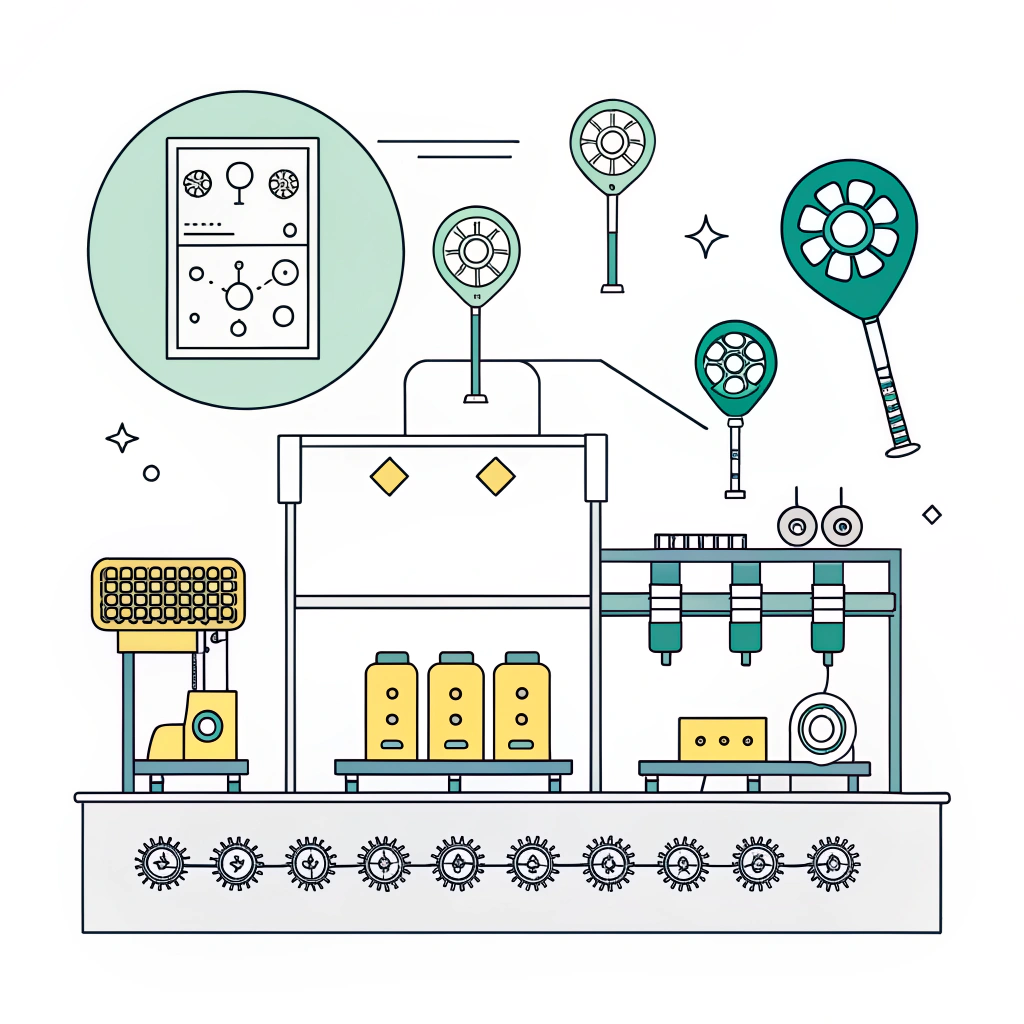
For sports equipment distributors and retail buyers, the rise in pickleball popularity represents a significant opportunity. As the game attracts a diverse player base, tapping into this market can diversify product portfolios and drive sales. Understanding consumer needs in this space means aligning product offerings with trends like:
- Ease of Play: Highlighting equipment that supports a low barrier to entry.
- Innovation in Materials: Educating consumers on the performance benefits of advanced materials like carbon fiber variants and composite cores.
- Customization: Offering tailored solutions for different market segments, from recreational clubs to competitive leagues.
While tennis equipment continues to command a market presence, the growth of pickleball offers distinct competitive advantages:
- Broad Demographic Appeal: Lower physical demands and a more social nature make pickleball equipment attractive to a wider audience, including aging populations.
- Cost Efficiency: The relatively lower price point for pickleball paddles allows for competitive pricing strategies.
- Simplicity in Design: The straightforward design and rules of pickleball reduce barriers for new and casual players, leading to increased adoption rates.
Business decision-makers should consider the following steps when assessing their next inventory expansion:
- Market Research: Continuously monitor participation trends and consumer feedback to predict demand shifts.
- Supplier Collaboration: Partner with manufacturers like NEX Pickleball that offer a wide range of customization and advanced product features.
- Product Education: Invest in educating your sales teams and clientele about the unique advantages of pickleball equipment compared to traditional tennis gear.
- Inventory Diversification: Enhance your product mix by including both entry-level paddles suitable for beginners and premium options for competitive players.
By understanding these fundamental differences and leveraging market trends, distributors can strategically position themselves to benefit from the growing popularity of pickleball.
-
What is the main difference between pickleball and tennis?
Pickleball's main difference from tennis is in its serving rules and court size. In pickleball, only the serving player or team can score and serves are executed underhand, whereas tennis allows for overhand serves and both players to score on a serve. -
Why are people playing pickleball instead of tennis?
People are gravitating towards pickleball due to its lower physical demands, making it attractive for older adults or players with limited mobility, and its social aspect, as it is often played in doubles, fostering a more communal playing environment. -
What's harder to play, tennis or pickleball?
Pickleball is generally easier to learn because of its simplified rules, smaller court size, and more controlled pace, whereas tennis demands more extensive skill development in areas such as serves, footwork, and technique.
-
carbon fiber: Click to learn about the properties, manufacturing, and performance benefits of carbon fiber in sporting equipment production. ^Return ↩
-
Composite Materials: Click to explore how composite materials combine different substances to optimize strength, flexibility, and performance in sports gear. ^Return ↩
-
Hot Pressing: Click to understand the hot pressing process, its advantages in production efficiency, and how it enhances structural integrity in manufacturing. ^Return ↩
-
Cold Pressing: Click to discover the cold pressing technique, offering precise control over material properties for a refined finish and optimal performance. ^Return ↩
-
Thermoforming: Click to delve into thermoforming processes, which enable the creation of complex designs with uniform material distribution in advanced manufacturing. ^Return ↩