Skip to content


Pickleball’s rising popularity is driven by its manageable court dimensions, straightforward rules, and a game design that caters to a wide range of players—making it a highly attractive alternative to tennis for both consumers and facility managers. In this article, we explore the market dynamics shaping the pickleball industry, offer a detailed comparison with tennis, and provide strategic insights for B2B decision makers looking to invest in high-performance sports equipment.
Over the past few years, pickleball trends1 have shown remarkable growth compared to several traditional sports, notably tennis. This surge is fueled by a combination of factors that appeal to both recreational players and professional sports organizations. Increasing awareness about health and wellness, combined with desires for social and less physically demanding sports, has led to a consistent rise in pickleball participation worldwide.
The sport’s growth is evident in:
- Consumer Behavior Shifts: Modern players increasingly seek sports that offer both a competitive edge and a less strenuous playing environment.
- Facility Adaptability: Smaller court sizes mean that existing tennis or multi-use courts can be transformed into pickleball courts with minimal investment.
- Operational Efficiency: For facility managers and sports venue planners, the ease of modifying existing infrastructure to accommodate pickleball leads to higher utilization rates and increased revenue streams.
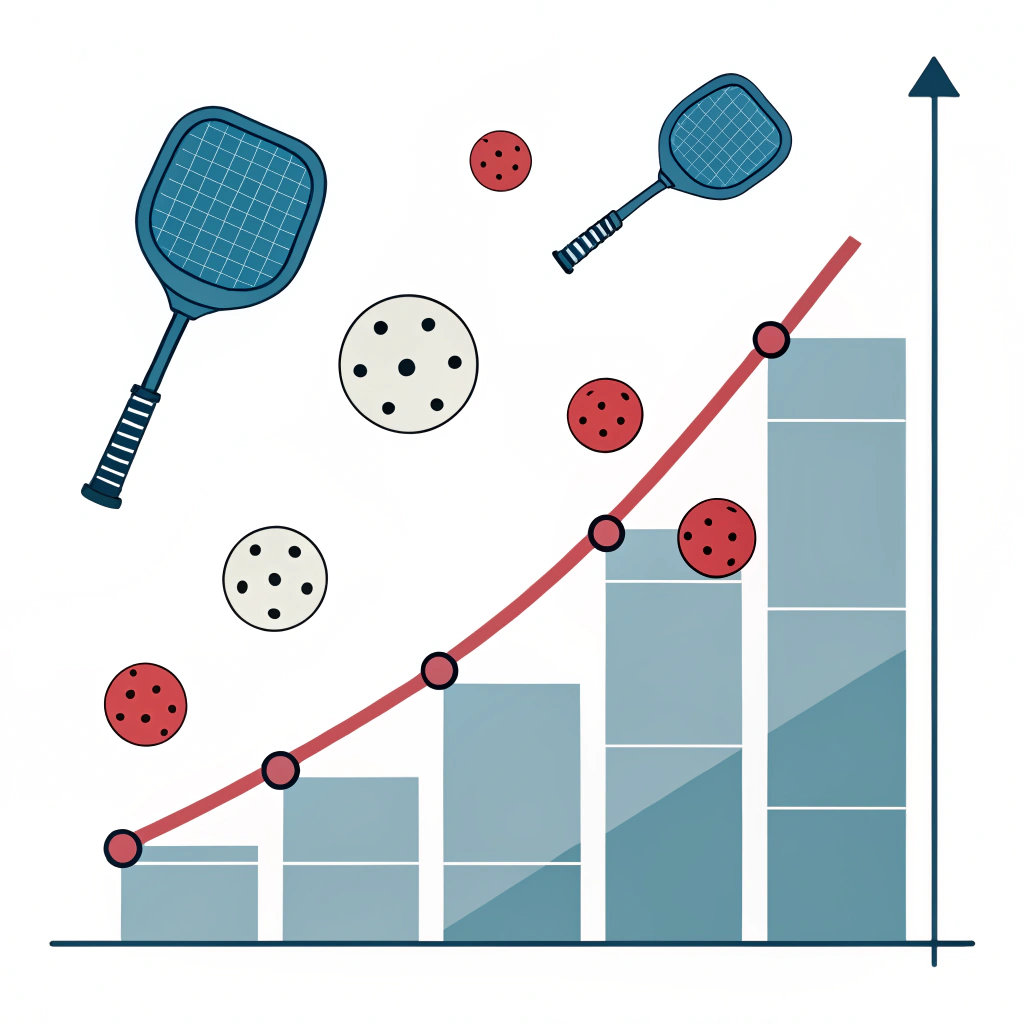
Large-scale market research reveals that the rise in pickleball is not merely a passing trend but a fundamental shift in sports preferences. This evolution represents significant market dynamics2 for manufacturers and facility operators. As demand for high-performance pickleball paddles3 grows, there is a need for innovative products that cater to both exercise and competitive play.
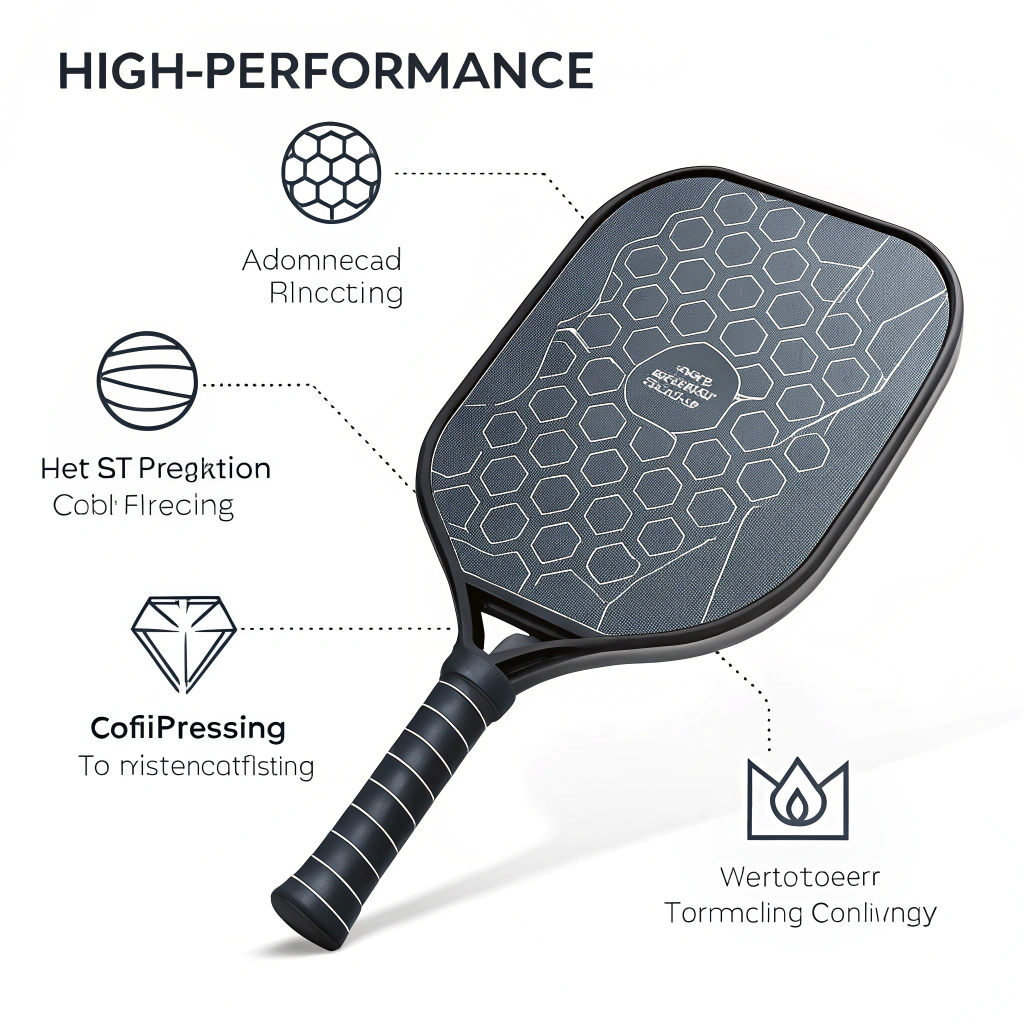
One of the key elements driving pickleball’s success is the evolution of paddle technology. At the forefront of this technological revolution, manufacturers like NEX Pickleball are leveraging advanced production techniques4 including hot pressing, cold pressing, and thermoforming—each offering unique performance benefits tailored to the needs of different player segments.
| Process | Advantages | Disadvantages |
|---|---|---|
| Hot Pressing | High production efficiency, enhanced impact resistance, strong paddles | May alter material properties, high equipment investment |
| Cold Pressing | Precise control over thickness, retains material properties, improved feel | Lower production efficiency, requires high-quality pressure control |
| Thermoforming | Suitable for intricate designs, maintains material distribution evenly | Longer production time, premium cost equipment |
These methods ensure that every paddle manufactured meets a high standard of quality, durability, and performance. By incorporating premium materials such as 3K Carbon Fiber, 12K Carbon Fiber, and T300 Carbon Fiber, NEX Pickleball delivers paddles designed for optimal strength, light weight, and superior control.
For instance, the choice of carbon fiber types in our paddles is crucial. While 3K provides flexibility and strength, 12K offers a smoother surface and greater hardness, making them ideal for competitive play. In contrast, T300 has a balanced profile suitable for both power and agility. This precision in material selection is what sets high-performance pickleball paddles apart.
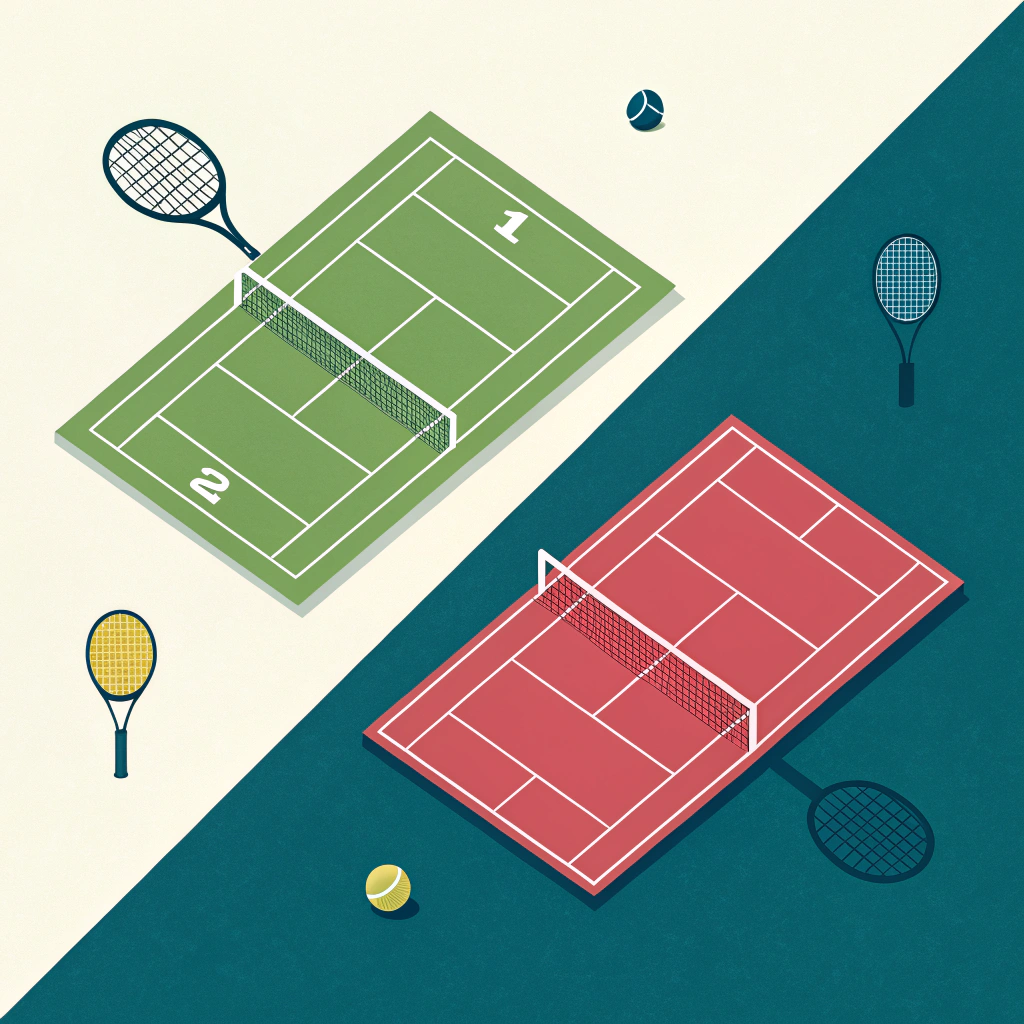
As sports organizations evaluate where to invest their resources, understanding the key differences between pickleball and tennis is paramount. While both sports offer competitive enjoyment and physical benefits, several inherent differences make pickleball particularly attractive for modern sports venues.
- Court Size: Pickleball courts are significantly smaller (about a quarter the size of a tennis court). This not only requires less space but also makes the game less physically demanding.
- Equipment: The paddles used in pickleball are lighter and made from engineered materials such as carbon fiber, fiberglass, or composite mixtures. This contrasts with the heavier rackets used in tennis that demand greater swing power.
- Player Accessibility: The simpler rules and limited court dimensions of pickleball lower the barrier of entry, attracting a broader demographic—from young enthusiasts to seasoned athletes looking for a low-impact sport.
- Risk of Injury: Due to the quick, compact movements required, there is often a reduced risk of injury related to overexertion compared to tennis.
| Aspect | Pickleball | Tennis |
|---|---|---|
| Court Dimension | Smaller, more adaptable to existing spaces | Larger, requires dedicated courts |
| Equipment Weight | Lightweight paddles | Heavier rackets |
| Skill Curve | Easier to learn, minimal rules | Steeper learning curve, more technical |
| Physical Demand | Lower, reduced injury risk | Higher, could lead to more strenuous play |
| Cost Efficiency | Lower facility and equipment costs | Higher infrastructure and maintenance costs |
| Consumer Appeal | Broad, inclusive of all ages | Traditionally appeals to a narrower audience |
This table illustrates why more sports facility managers and sports equipment buyers see pickleball as a valuable extension or replacement for existing tennis assets. The reduced spatial requirements and simpler gameplay make it easier to implement, thereby enhancing the facility's revenue potential.
For B2B decision makers in the sports equipment and facility management sectors, the evolving consumer behavior around recreational sports presents rewarding opportunities. Today’s market is characterized by a demand for exciting, accessible sporting experiences that do not compromise on performance or quality. Here are several investment considerations:
-
Facility Optimization:
With pickleball’s smaller court size, existing tennis or multi-functional sports facilities can be transitioned without incurring heavy renovations. This adaptability is especially appealing in urban areas where space is at a premium. -
Equipment Innovation:
Investing in technologically advanced pickleball paddles, such as those produced by NEX Pickleball, can boost competitiveness. Our paddles integrate state-of-the-art production techniques—like hot pressing for durability and cold pressing for precision control—meeting diverse player needs from beginner to competitive levels. -
Market Demand:
The rising consumer interest in recreational sports5 indicates that pickleball is not merely a trend but an emerging sport with a solid future. Facilities that diversify their sports offerings can tap into new revenue streams while keeping pace with changing consumer preferences. -
Cost Efficiency and ROI:
The upfront investment required to retrofit or integrate pickleball facilities is relatively low compared to constructing full-sized tennis courts. This factor, combined with lower operational costs and increased customer traffic, results in an attractive return on investment.
Data-supported insights reveal that facilities incorporating pickleball elements have seen increased patronage, higher event participation rates, and positive feedback from both recreational players and competitive athletes. Moreover, sports equipment buyers appreciate the precision manufacturing behind high-performance paddles, ensuring consistency in performance—a critical factor for building brand trust.
Given these trends and market comparisons, B2B decision makers should consider a multi-pronged approach when investing in sports equipment and facility upgrades:
-
Embrace Versatility:
Focus on multi-use facilities that can easily switch between tennis and pickleball according to demand. This not only maximizes space but also caters to diverse consumer segments. -
Invest in Quality Equipment:
Prioritize purchasing equipment from established manufacturers like NEX Pickleball, where high-performance paddles are engineered using advanced materials and production techniques. Ensure that the products align with both competitive and recreational market needs. -
Customize Offerings:
Explore on-demand customized paddle options that can be tailored to suit club branding, team requirements, or specific market niches. A diversified product portfolio allows for improved customer satisfaction and better competitive advantages. -
Leverage Data and Market Research:
Regularly update market strategies based on evolving consumer behavior insights and facility usage trends. Conduct surveys and industry benchmarks to guide future investments, ensuring timely responses to market shifts. -
Enhance Community Engagement:
Organize events, tournaments, or demonstration days at sports facilities to introduce the game to a wider audience. Increased community engagement not only promotes the sport but simultaneously boosts sports equipment sales and facility utilization.
By aligning business strategies with current consumer trends and leveraging technological advancements in paddle manufacturing, decision-makers can secure a competitive edge in the rapidly evolving sports market. Additionally, diversifying sports offerings with pickleball can help facilities mitigate risks associated with fluctuating tennis participation rates while opening up new revenue channels.
The dynamic nature of the sports industry demands that B2B decision makers remain agile and responsive to emerging consumer preferences. Pickleball stands out as a prime example of an evolving sport that combines simplicity in gameplay, efficient use of space, and state-of-the-art equipment technology to deliver an enjoyable and safe playing experience.
As we have discussed, the smaller court size, lightweight equipment, and the ease of transitioning from tennis infrastructures make pickleball an attractive investment for sports facilities and equipment manufacturers alike. NEX Pickleball’s advanced production processes and material innovations further underscore the critical importance of quality and performance in maintaining a competitive edge.
For companies and facility managers, the decision to invest in pickleball is not just a response to consumer demand but a strategic move to stay ahead of industry trends. The focus should now shift from merely adapting to these trends to actively driving innovation through quality products, efficient facility management, and continuous market research.
By embracing these strategies, organizations can build strong market positions, create high-performing sports environments, and ultimately foster a community that thrives on healthy, accessible, and enjoyable sports.
What is the advantage of pickleball over tennis?
Pickleball offers a smaller, more manageable court size, reducing player fatigue and the risk of injury. Its lightweight equipment and simple rules further enhance accessibility, making rallies more dynamic and inviting a broader range of players.
Why do tennis players switch to pickleball?
Many tennis players switch to pickleball because it is less physically demanding while still offering competitive excitement. The sport’s social nature and lower court requirements allow for a fun, engaging alternative that maintains skill while reducing risk of injury.
Which is easier, tennis or pickleball?
Pickleball is generally considered easier than tennis. The smaller court dimensions, lighter paddles, and simplified rules lead to a less strenuous learning curve and allow for a more accessible game experience for players at all levels.
-
pickleball trends: Reading this article will provide insights into the evolving patterns of consumer interest and the rapid growth of pickleball, helping you understand how these trends can drive strategic business decisions. ^↩ ↩
-
market dynamics: Explore how internal and external market forces are shaping the sports industry, enabling you to anticipate and respond to shifts in consumer preferences and competitive landscapes. ^↩ ↩
-
pickleball paddles: Gain a comprehensive understanding of the innovation and performance factors behind paddle design, crucial for making informed procurement and investment decisions in high-performance sports equipment. ^↩ ↩
-
production techniques: Delve into the advanced manufacturing methods that enhance product quality and efficiency, providing valuable insights into optimizing production processes for competitive advantage. ^↩ ↩
-
recreational sports: Learn how trends in recreational sports are influencing consumer behavior and facility management, offering perspectives on tapping into new revenue streams and market segments. ^↩ ↩