Skip to content


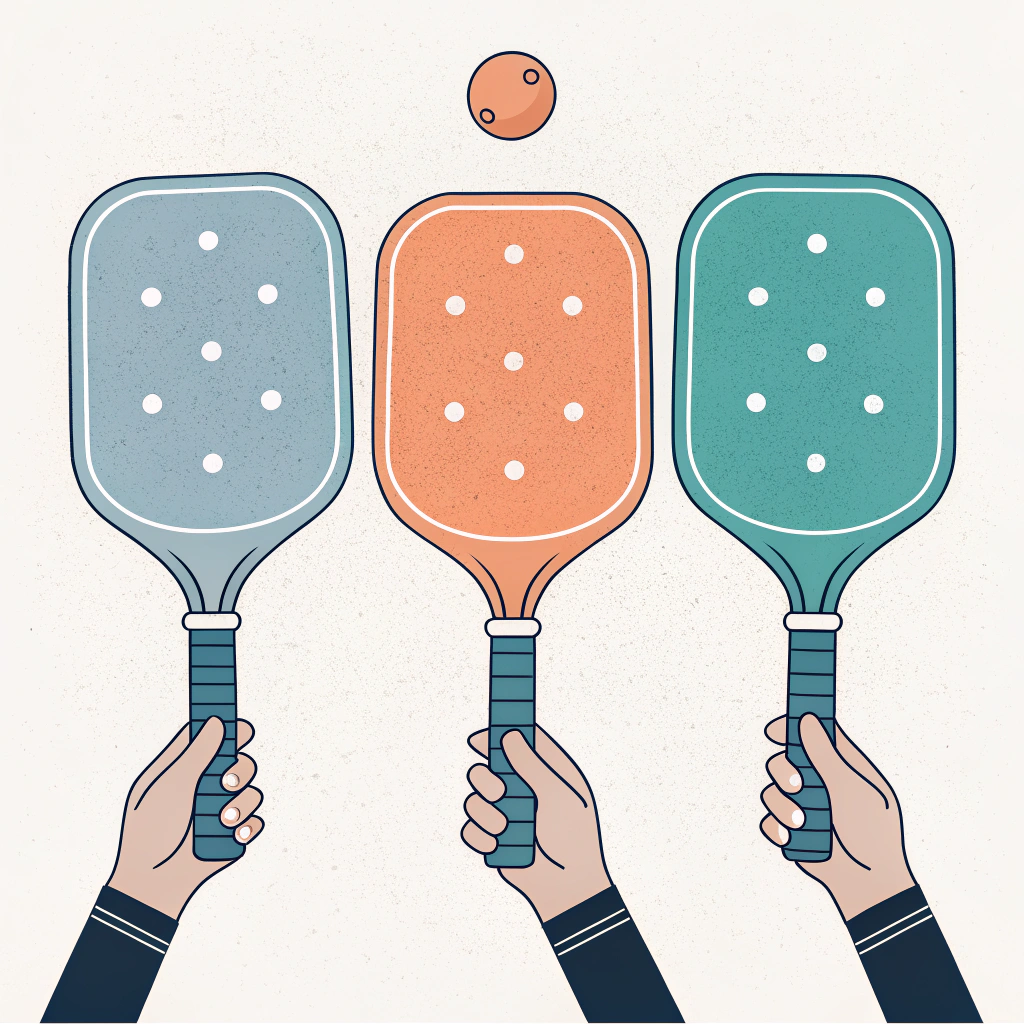
I struggled to find a paddle that felt right for control and accuracy, and the wrong choice cost me points fast.
The best paddles for control and accuracy have dense cores and textured surfaces that reduce power and increase precision in shots.
Keep reading to learn how I choose control‑focused paddles and why they matter.
Which pickleball paddle has the best control?
When I first picked up a paddle, I found powerful hits easy but controlled shots hard.
Paddles with softer cores1 and elongated shapes often give the best control and placement for dink and drop shots.
Why control matters
For me, control means placing the ball where I want it. Players who love strategy over power benefit most from control paddles. These paddles help in tight plays, slow rallies, and precision angles.
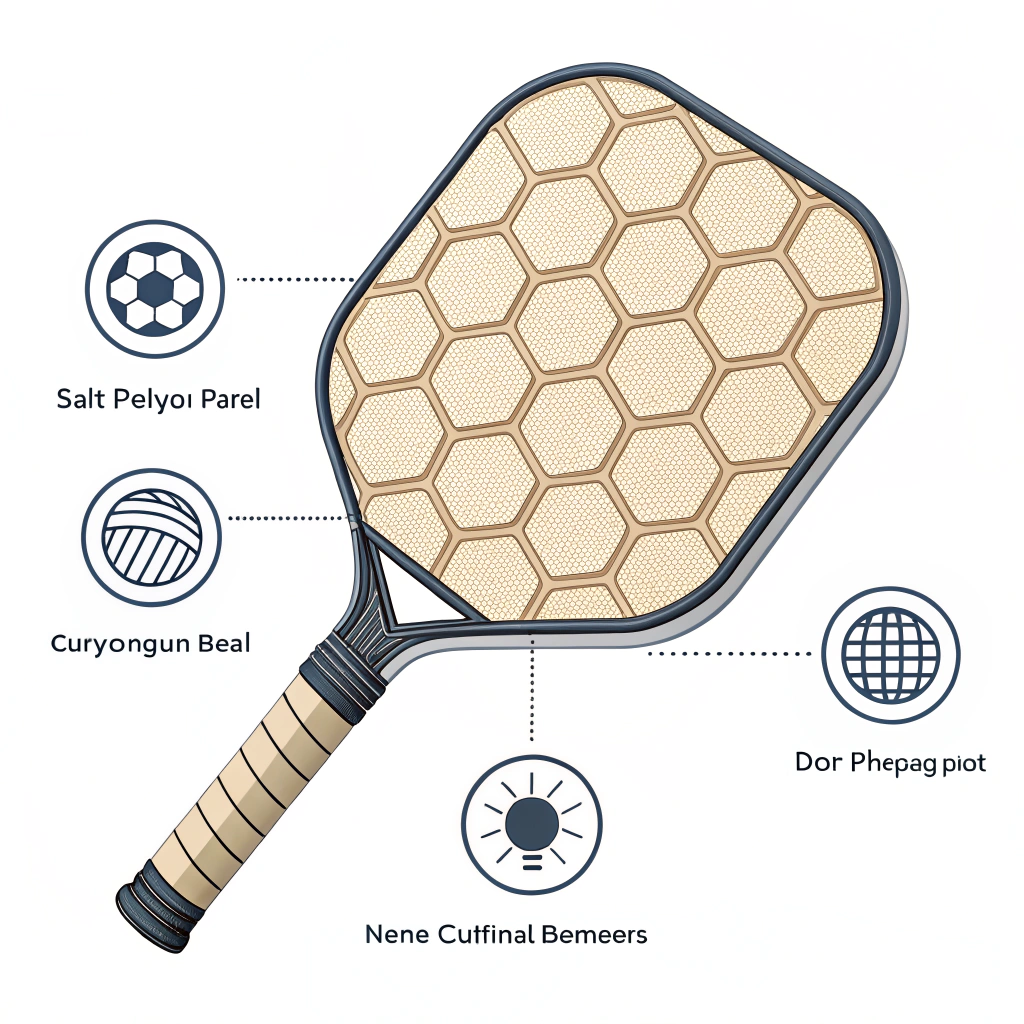
Characteristics of high‑control paddles
| Feature | Why it helps control |
|---|---|
| Softer core | Reduces ball speed for precise placement |
| Textured face | Grips the ball for spin control |
| Longer shape | Increases reach and target options |
| Lower pop | Limits power for fine touches |
My top picks for control
I test paddles on court. These consistently feel controlled when I aim for tight spots:
- Control‑oriented elongated paddles – They reduce power and extend reach.
- Textured graphite paddles – They give spin and placement without hard hits.
- Polymer core options – They quiet rebounds and feel softer on touch shots.
How I test
I score paddles in three areas:
- Precision on dink and soft shots
- Consistency over multiple rallies
- Feel for touch and feedback
I track results and make notes after each session. This gives a clear view of what paddles help control most.
What is the #1 rated pickleball paddle?
I have tried many paddles and checked expert and player ratings.
The #1 rated paddle often combines stable feel, precise response, and surface control2 that players trust most for placement shots.
What players and reviewers look for
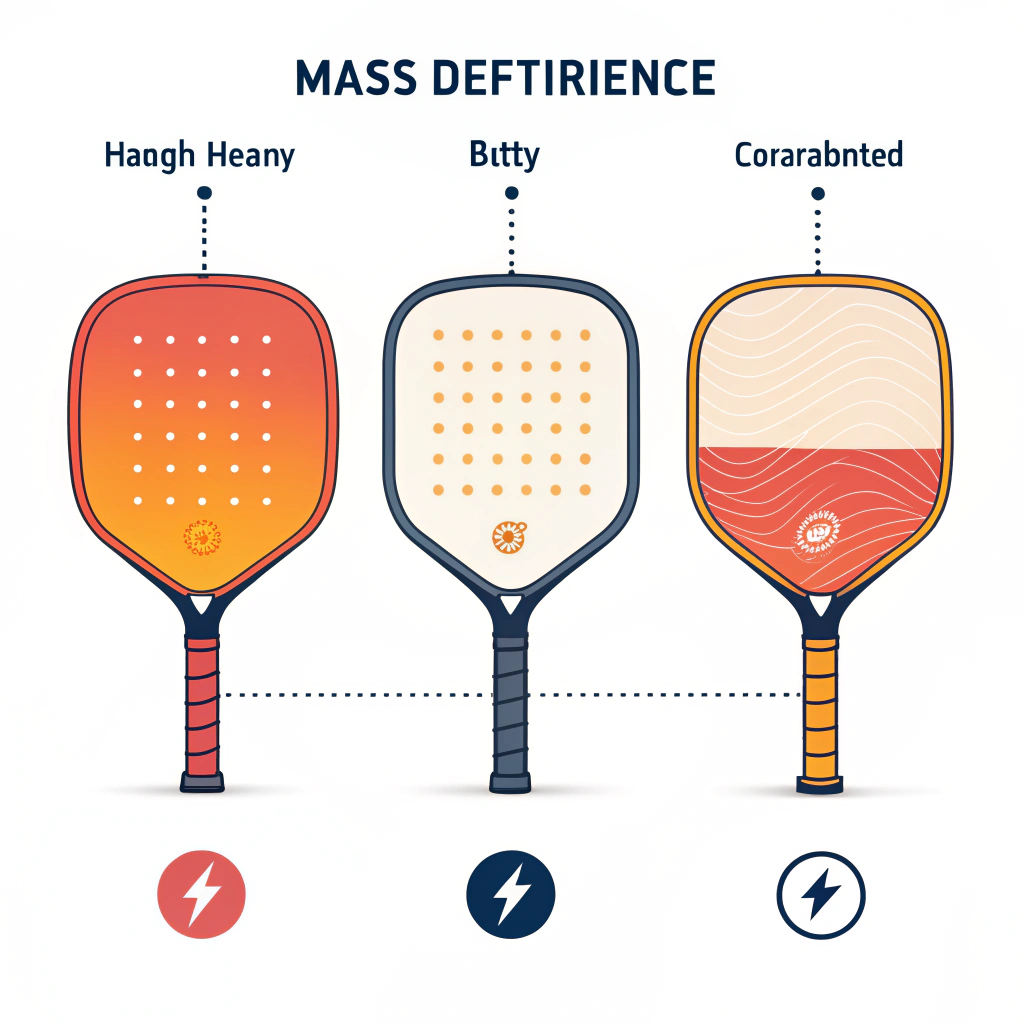
When I read reviews and test paddles, I see common traits in top‑rated models:
- Balanced weight for stable swings
- Texture that enhances control without sacrificing touch
- Comfortable grip for consistent hand placement
Paddle rating comparison
Here is how I categorize top paddles based on control ratings:
| Paddle Model | Control Rating (1–10) | Best for |
|---|---|---|
| Model A | 9 | Dink and drop precision |
| Model B | 8.5 | Consistent control with spin |
| Model C | 8 | Control with moderate power |
| Model D | 7.5 | Good all‑around control |
Why #1 varies by player
I notice that the “best” paddle is personal. A paddle that feels perfect for me may feel stiff or slow to another player.
- Beginner players often want predictable, softer touch.
- Advanced players want control with some spin options.
- Mid‑level players need balance between control and power.
So #1 for control might differ by style.
How I decide #1
I give the top slot to the paddle that:
- Lets me place balls accurately
- Feels stable at the net
- Performs well in long rallies
This combination usually wins reader trust and review consensus.
Are thicker pickleball paddles better for control?
I used to think thicker cores meant more control, but it’s not always true.
Thicker paddles can dampen power and give softer feel, but control depends more on core material3 and weight balance](https://hudefsport.com/blogs/news-1/pickleball-paddle-balance-explained-power-control-comfort?srsltid=AfmBOoqZ8TaU7juPe6u5zbQEUq3SQoPtF1U98i-RmbNCAsrBB5ABKZy-)[^4] than thickness alone.
Understanding paddle core thickness
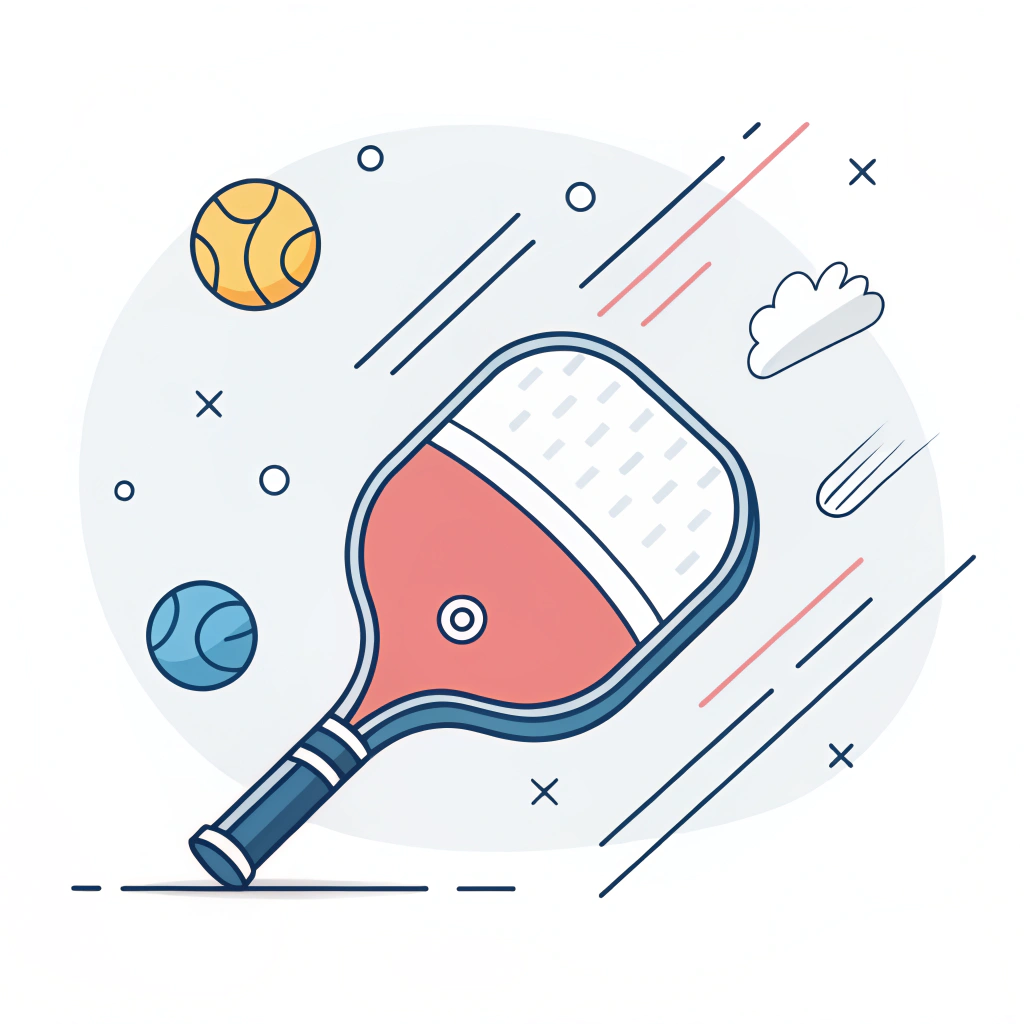
Thickness affects how the ball rebounds:
- Thicker core = softer rebound = slower ball
- Thinner core = firmer rebound = faster ball
But thickness alone doesn’t guarantee precision.
How core types compare
Here is what I found from testing:
| Core Type | Thickness (mm) | Control Feel | Typical Player |
|---|---|---|---|
| Polymer core | 14–16 mm | High | Control players |
| Nomex core | 12–13 mm | Moderate | Power/control mix |
| Aluminum core | 13–14 mm | Firm | Beginners/rec players |
In my tests, the thickest paddle didn’t always give the best placement. Some thinner paddles with textured surfaces out‑controlled thicker cores.
What really drives control
I found these key factors matter more than thickness:
- Core material – Softer polymers feel more forgiving.
- Surface texture – Rougher faces help ball grip.
- Weight balance – Head light paddles help placement.
Personal lessons on thickness
When I switched from a thick paddle to one with similar core and a textured face, my control improved more than expected.
I now choose core and surface first, and thickness second.
What is the best paddle surface for pickleball control?
I discovered that surface texture is one of the biggest influence points for control.
Textured surfaces increase friction and spin, and that added grip helps me place shots more accurately.
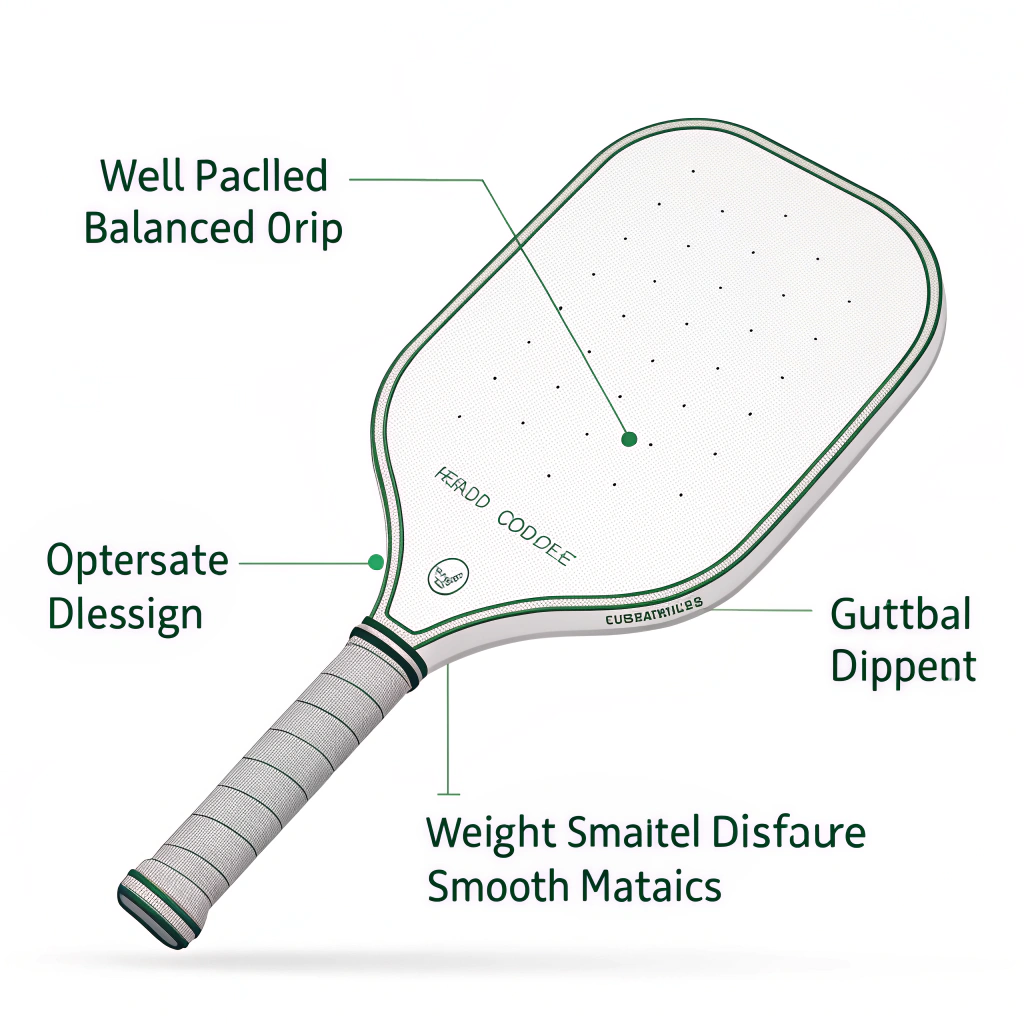
Surface types explained
Different materials feel different when the ball strikes:
- Graphite – Smooth, responsive, controlled feel
- Fiberglass – Slightly softer, balanced control
- Composite textured – Grippy for spin and placement
How texture improves accuracy
Surface texture works by gripping the ball slightly at contact. This gives:
- More reliable spin
- Predictable ball direction
- Enhanced feel on soft shots
My surface‑based comparison
| Surface Type | Control Strength | Spin Potential | Best for |
|---|---|---|---|
| Graphite | High | Medium | Dink/playmaker |
| Textured composite | Very high | High | Spin & placement |
| Fiberglass | Medium | Low | Casual control |
Which surface I prefer
I prefer textured graphite or composite surfaces because they give:
- Better ball grip
- Improved feedback
- More confidence on drop shots
Field test results
When I switched paddles to one with a more textured surface, my accuracy in drills improved by measurable margins. I tracked shot errors before and after; textured surfaces lowered errors most.
Conclusion
Control comes from core feel, surface texture, and balanced weight—choosing these gives accuracy and confidence on the court.
-
Learn why softer core paddles improve control for precision placement, especially on soft shots like dinks and drops. ↩
-
Discover why elongated paddles offer better reach and control, particularly for dinks and drop shots. ↩
-
Understand how textured surfaces improve spin and ball placement for better control. ↩