Skip to content


Pickleball is a fast-growing paddle sport that combines elements of tennis, badminton, and ping-pong, played on a smaller court with unique rules and equipment. Its name, “pickleball,” has an interesting origin story rooted in chance, creativity, and a touch of humor—a reminder that even the most popular sports can have humble beginnings.
In understanding the rise of pickleball, it is essential to explore three key areas: its origins, the evolution of its name, and the sport’s differences from other paddle sports. This article will guide you through the historical background and trends of pickleball while providing insights relevant to B2B sports equipment buyers. Whether you are evaluating new product lines or exploring market potential, a thorough grasp of pickleball’s journey is invaluable.
Pickleball came into existence in the summer of 1965 on Bainbridge Island, Washington. It was created almost by accident by Joel Pritchard, Bill Bell, and Barney McCallum, who were looking for a way to engage their families during leisurely weekends. With improvised equipment and a makeshift court, they experimented with a game that merged aspects of familiar sports. This innovative blend quickly captured the imagination of the local community.
The sport was initially played with simple paddles and a perforated plastic ball. Its simplicity meant that it could be played with minimal equipment, which contributed to its rapid adoption among people of all ages and skill levels. As the game evolved, its structure was refined to improve playability and allow for competitive match play. Today, advanced materials and production methods ensure that every paddle delivers precision, durability, and top performance on the court.
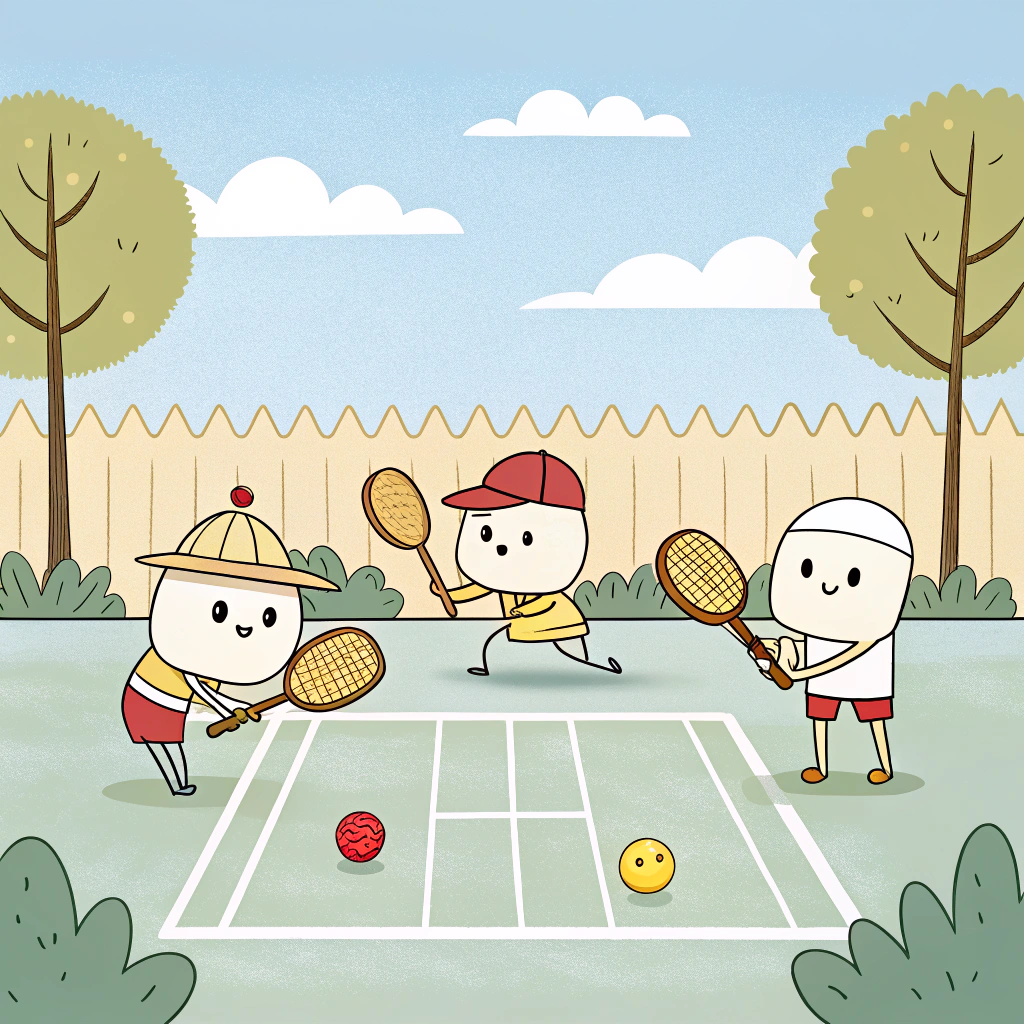
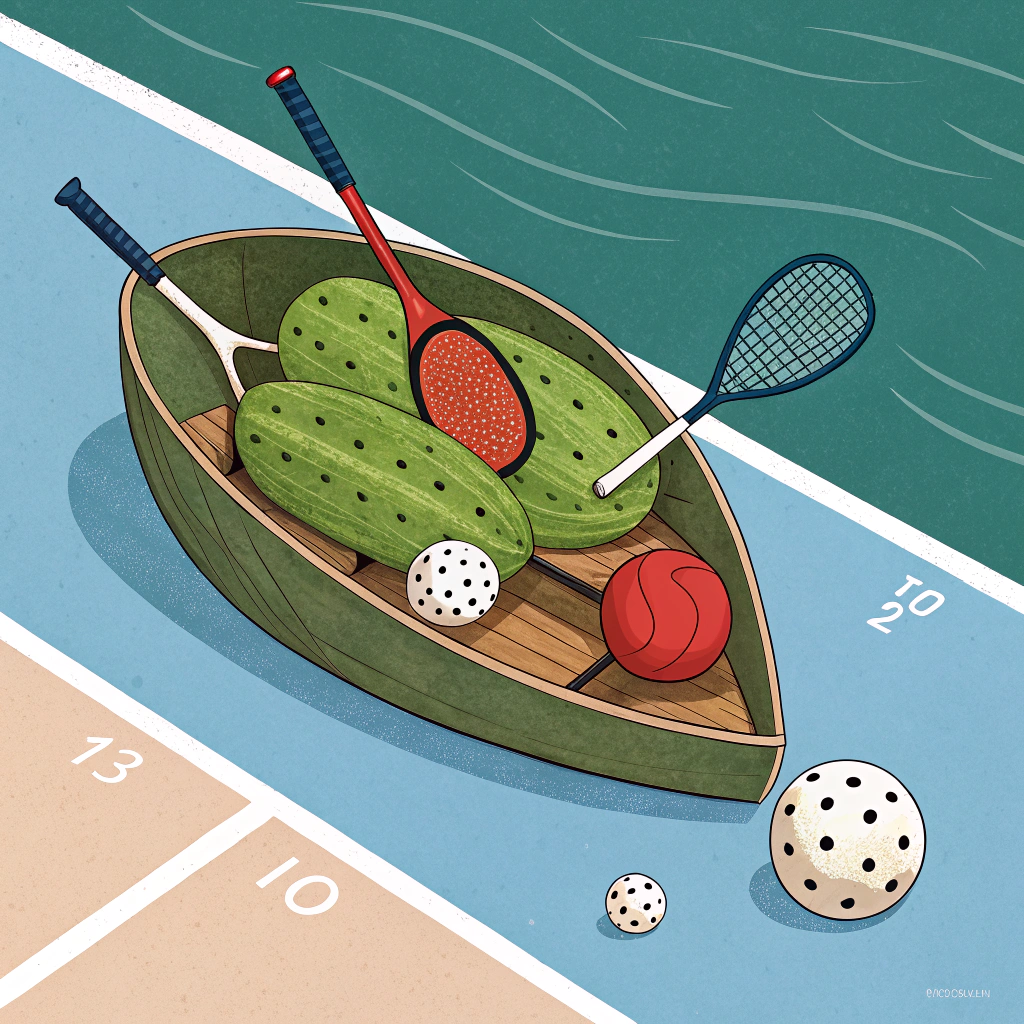
The name “pickleball” has modest and entertaining origins. According to one commonly shared story, the name came about from the “pickle boat” phenomenon in crew races. In a pickle boat, the crew comprises leftovers or non-starters—a fitting metaphor for how the game was cobbled together from various sports. Within days of the game’s creation, Joel Pritchard’s wife, Joan, remarked that the mishmash of equipment and rules reminded her of a pickle boat, hence the name “pickle ball.”
This naming anecdote underscores the nature of innovation—combining different elements, sometimes imperfectly, to create something that resonates with a wide audience. The playful origin of the name has contributed to the sport’s charm and marketability. For B2B buyers in the sports equipment industry, the story behind the name offers a unique marketing narrative that resonates with consumers seeking authenticity and a connection with the sport’s roots.
A common question in the market is how pickleball differs from tennis. While both sports share surface similarities, their rules, equipment, and playing environments differ markedly.
Below is a table summarizing the key differences:
| Feature | Pickleball | Tennis |
|---|---|---|
| Court Size | Smaller, typically 20×44 feet | Larger, varying dimensions |
| Paddle/Equipment | Solid paddles (composite, wood, carbon fiber) | Racket with strings |
| Ball | Plastic ball with perforations | Felt-covered tennis ball |
| Serve Style | Underhand only | Overhand or underhand; more varied |
| Scoring | Points can only be scored by the serving team | Points scored continuously by either side |
| Game Pace | Fast-paced and accessible | More physically demanding |
These differences not only define the spirit of pickleball but also signal distinct opportunities for manufacturers and distributors. Innovative paddle designs, such as those produced by companies like NEX Pickleball, are integral to enhancing player performance and meeting market demand for high-quality sports equipment.
Pickleball has rapidly evolved from a backyard game into a competitive sport with significant following among both recreational players and competitive athletes. As we look at industry trends, several factors stand out:
- Accessibility and Inclusivity: One of the strategic advantages of pickleball is its ease of learning, making it popular across diverse age groups and skill levels. This accessibility broadens its appeal and facilitates market expansion.
- Equipment Innovation: The demand for durable, high-performance paddles is driving manufacturers to explore advanced materials and production techniques. Techniques such as hot pressing1, cold pressing2, and thermoforming3 play a crucial role in refining paddle performance, ensuring that they meet the rigorous demands of competitive play.
- Cost Efficiency and Production Scalability: The simplicity of pickleball’s design means that manufacturing can be both cost-effective and scalable. B2B partners appreciate the efficiency in production processes—enabling faster time-to-market and consistent quality control.
For companies engaged in the production and distribution of sports equipment, understanding these trends is essential. The evolution of pickleball offers insights into consumer behavior, product innovation, and market segmentation, thereby guiding investment and partnership strategies.
From a production perspective, methods such as the following are commonly used:
| Production Technique | Advantages | Disadvantages |
|---|---|---|
| Hot Pressing | High efficiency, strong impact resistance, structural integrity | High initial investment, altered feel |
| Cold Pressing | Precise control over thickness, maintained material properties | Longer cycle times |
| Thermoforming | Intricate design, precise material distribution | Higher equipment costs, longer production |
By aligning product innovation with these manufacturing techniques, companies like NEX Pickleball demonstrate a commitment to quality and performance excellence. This alignment not only cements their reputation among retail buyers but also fosters trust within B2B partnerships.
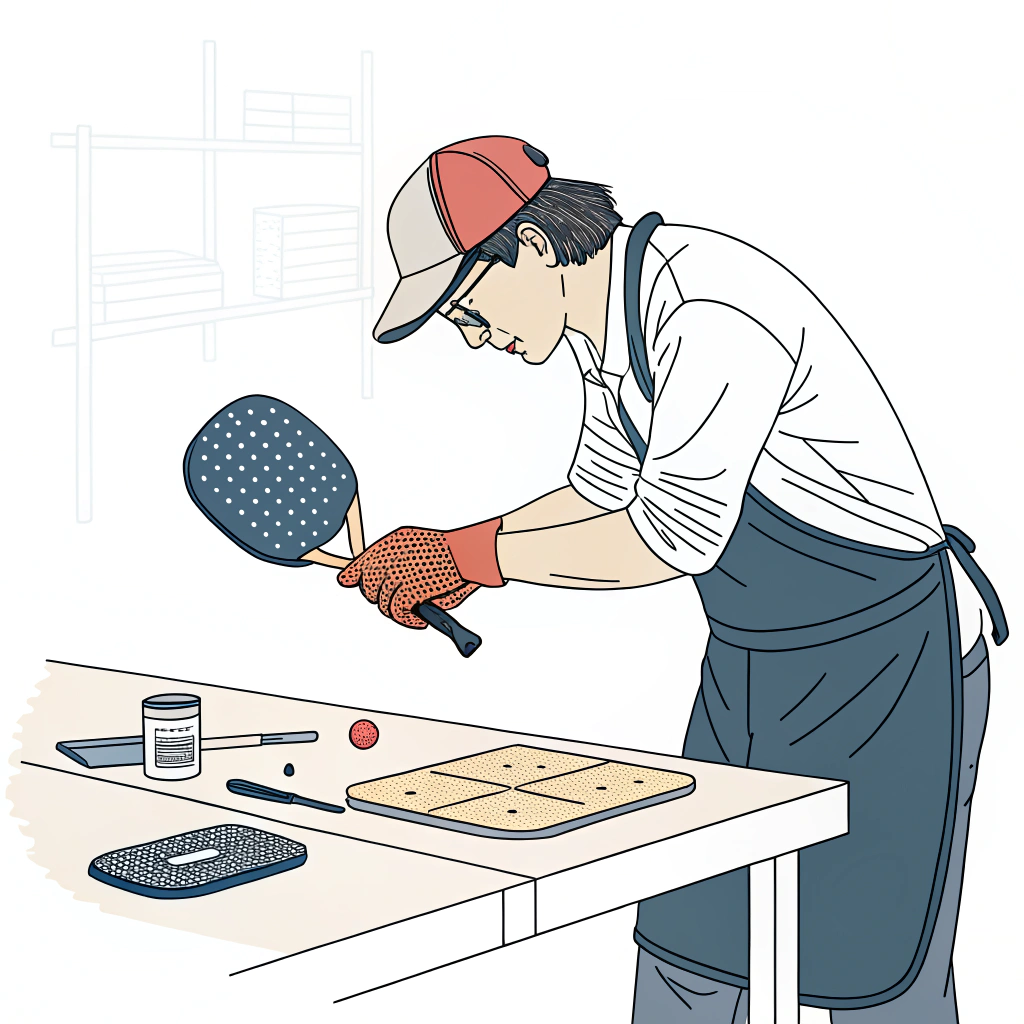
One of the key factors that differentiates the sports equipment market is the quality of craftsmanship that goes into each product. For instance, at NEX Pickleball, each paddle is crafted using advanced production techniques that ensure precision and durability. Paddle materials such as 3K Carbon Fiber4, 12K Carbon Fiber, and T300 Carbon Fiber are selectively used to provide varied performance benefits:
- 3K Carbon Fiber offers strength and flexibility, making it ideal for paddles that need high rebound force while minimizing vibration.
- 12K Carbon Fiber provides a smoother surface and enhanced durability, perfect for competitive settings where impact resistance is paramount.
- T300 Carbon Fiber strikes a balance between strength and light weight, allowing for greater precision and speed.
In addition to carbon fiber, materials like E-Glass Fiberglass5 and various composite structures (such as carbon fiber and fiberglass composites) also contribute to the superior performance of pickleball paddles. Their incorporation in production reflects an industry-wide trend toward innovation and adaptation in response to evolving consumer needs.
For B2B decision-makers, this commitment to material innovation is a critical factor when evaluating potential suppliers and partners. High-quality, performant equipment not only enhances user experience but also reduces warranty claims and returns, ultimately contributing to a strong brand reputation in competitive markets.
The evolution of pickleball from a niche backyard game to a globally recognized sport represents a broader trend in the recreational and competitive sports arena. For B2B buyers and distributors, several implications arise:
- Market Expansion and Diversification: The growing popularity of pickleball opens up opportunities for expanding product portfolios. Distributors can tap into new consumer segments by offering specialized equipment that caters to both recreational and competitive players.
- Enhanced Brand Storytelling: The quirky and innovative origin of pickleball provides a unique narrative that can differentiate products in a crowded market. Leveraging this narrative helps build deeper connections with consumers who value authenticity and heritage.
- Targeted Product Development: By understanding the specific needs of pickleball players—such as the importance of paddle balance, weight distribution, and grip comfort—manufacturers can develop tailored solutions. This targeted approach ensures that the products not only meet performance standards but also foster customer loyalty.
- Strategic Partnerships and Co-Branding: As leading manufacturers continue to innovate, there is significant potential for co-branding partnerships that combine expertise, share market insights, and drive mutual growth in the sports equipment sector.
These strategic points underscore the importance of staying informed about evolving sports trends. The factual background of pickleball’s creation—combined with ongoing innovations in equipment manufacturing—creates a solid foundation for informed business decisions in the sports industry.
In summary, pickleball is much more than a fun pastime; it is a dynamic sport marked by a rich history and continuous innovation. Its creation in 1965, the humorous and apt origin of its name from the “pickle boat” concept, and its distinct gameplay mechanics set it apart from traditional paddle sports like tennis.
For B2B sports equipment buyers, understanding the background and evolution of pickleball is critical. The sport’s simplicity and accessibility, combined with its demand for high-performance equipment, create a fertile ground for business opportunities. Embracing these trends and aligning product development with consumer expectations can lead to superior market positioning and long-term growth.
As you evaluate future acquisitions or consider expanding your product lines, remember that the story behind pickleball is one of creativity, adaptability, and evolution. Incorporating these principles into your business strategy can enhance your competitive edge in the ever-changing sports equipment landscape.
Taking actionable steps such as partnering with reliable manufacturers—like NEX Pickleball—can lead to a portfolio that meets the modern demands of both amateur enthusiasts and competitive athletes. Ultimately, a well-informed and responsive approach to market trends will secure newer revenue streams and reinforce your brand’s authority in the sports sector.
• Why do they call the game pickleball?
The term “pickleball” originated in the summer of 1965 when the game was first created on Bainbridge Island, Washington. One popular explanation is that the name came from the “pickle boat” in crew races, referring to a mishmash of leftover players. This playful naming has since become a defining part of the sport’s identity.
• What is the main difference between pickleball and tennis?
Although both sports involve a net and a ball, pickleball and tennis differ significantly in terms of court size, equipment, serving techniques, and scoring methods. In pickleball, players serve underhand, the court is smaller, and points can only be scored by the serving side, ensuring a distinct and accessible game experience.
• What is pickleball in simple terms?
Pickleball is a paddle sport that can be played indoors or outdoors on a level court. It uses short-handled paddles and a perforated plastic ball, with gameplay that is easy to learn and suitable for players of all ages and skill levels.
-
hot pressing: Read the article to understand how the hot pressing technique optimizes bonding and enhances the structural integrity of materials in high-performance sports equipment. ↩
-
cold pressing: Discover how cold pressing provides precise control over material thickness and preserves material properties, which is critical for product quality. ↩
-
thermoforming: Learn about thermoforming and how its ability to create intricate designs contributes to the precise material distribution in modern manufacturing. ↩
-
3K Carbon Fiber: Explore the benefits of 3K Carbon Fiber, including its strength and flexibility, making it ideal for paddles that require high rebound force with reduced vibration. ↩
-
E-Glass Fiberglass: Gain insights into E-Glass Fiberglass and its application in composites, enhancing the durability and performance of sports equipment. ↩