Skip to content

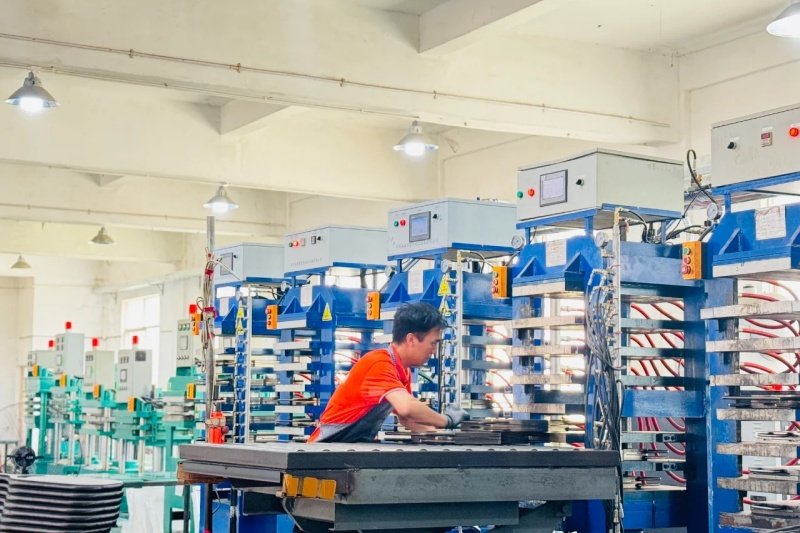
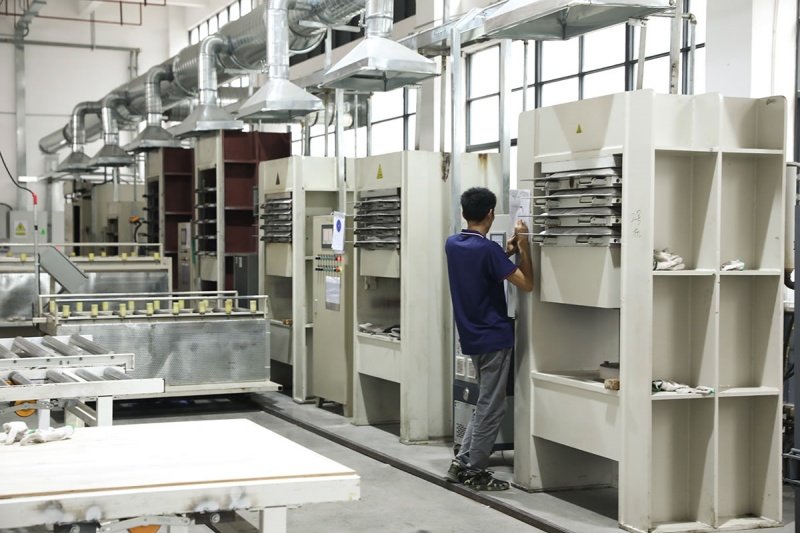
The production of pickleball equipment involves specialized processes to ensure high-quality paddles and balls. Let’s dive into how these products come to life.
The manufacturing of pickleball equipment, particularly paddles and balls, follows a specific set of processes that ensure quality and performance.
As the sport continues to grow, the demand for quality equipment increases. Read on to discover how pickleball is manufactured and how it’s made so popular.
How is pickleball manufactured?
The manufacturing of pickleball equipment, especially paddles, involves precise steps, from selecting the materials to assembling the final product.
Pickleball paddles are crafted through a detailed process involving material selection, shaping, and finishing. The process ensures high performance and durability.
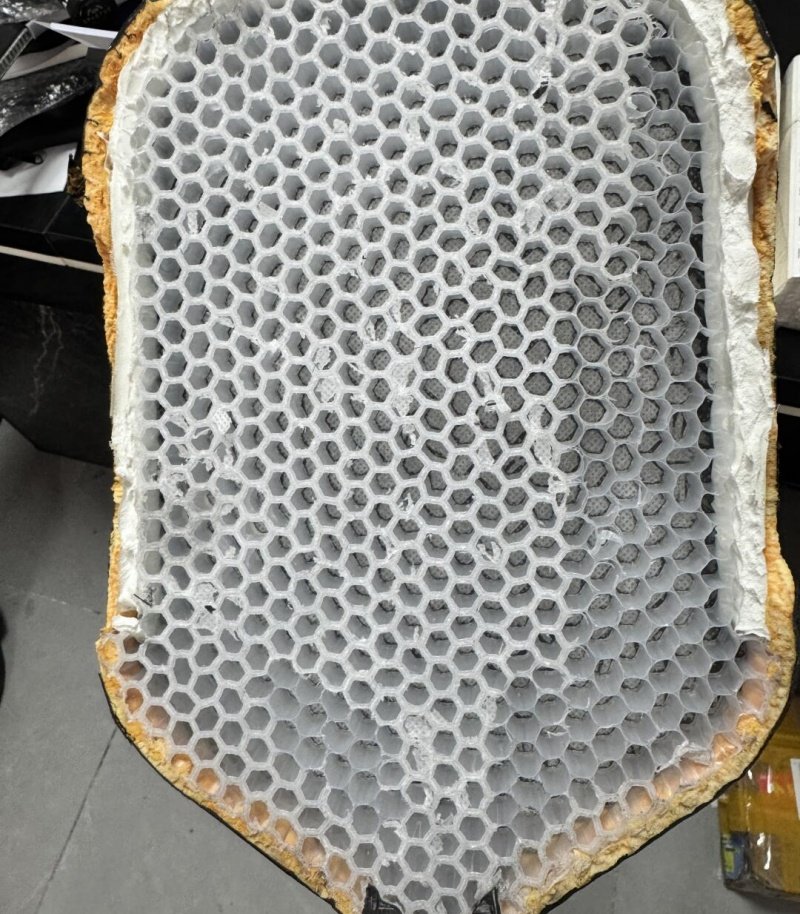
The production of pickleball paddles begins with selecting the right materials. The materials determine the paddle's weight, durability, and feel. Most paddles are made from wood, composite materials, or graphite1, with composite being the most common due to its durability and lightweight properties.
Material Selection
The first step in manufacturing a paddle is choosing the right material for the core and the face. The core is typically made from:
- Polymer2: Known for its durability and strength.
- Nomex: A more rigid material that provides a louder, more solid feel.
- Aluminum: Lighter but offers excellent durability.
The face of the paddle is usually made from either fiberglass or graphite, both materials offering excellent responsiveness and strength. The materials are selected based on the desired performance characteristics such as power, control, and comfort.
Shaping the Paddle
Once the material is chosen, the paddle is shaped using molds. The mold determines the size and shape of the paddle, ensuring it fits the regulations for pickleball play. After this step, the paddle is carefully sanded to smoothen its edges.
Final Assembly
Once the components are shaped, they are assembled. The core is glued to the face, and the handle is attached. A grip is added for comfort, and the paddle is finished with a coating to improve durability and provide a sleek finish. Quality control ensures that each paddle meets the required specifications before it leaves the factory.
How has pickleball grown?
The growth of pickleball has been remarkable over the past few decades. Initially a small community sport, it is now one of the fastest-growing sports worldwide.
Pickleball’s growth can be attributed to its accessibility, fun factor, and the widespread development of courts and clubs.
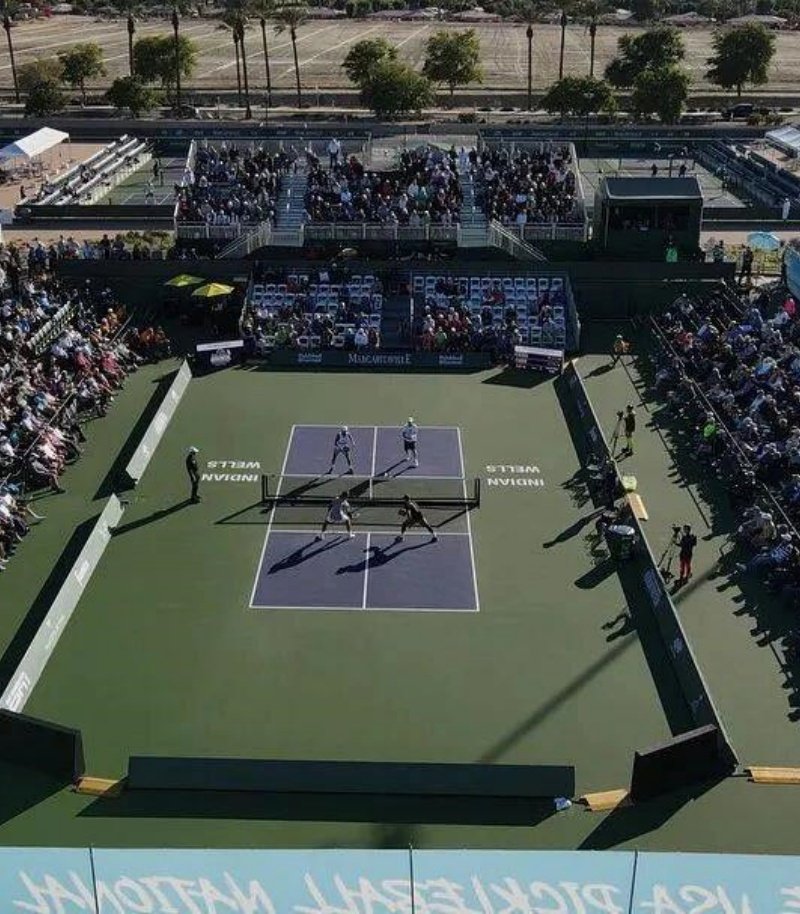
Pickleball's expansion began in the 1970s, but it wasn't until the early 2000s that the sport began to see substantial growth. The turning point came as more people of all ages discovered the sport, particularly among older adults, who were drawn to its lower-impact nature compared to tennis.
Increased Awareness
The sport grew rapidly thanks to grassroots efforts and media exposure. Pickleball tournaments, both amateur and professional, have helped raise the profile of the sport. Major television networks began broadcasting national and international events, attracting new players and viewers.
Community Engagement
Another important factor has been the role of community organizations and local pickleball clubs. These have offered free or low-cost classes and created social spaces for players to engage in the sport. The sport’s inclusive, social atmosphere has fostered strong community engagement, leading to even more widespread interest.
Infrastructure Development
The increase in pickleball’s popularity has led to a rise in dedicated facilities. Community centers, schools, and parks have invested in building courts specifically for pickleball. As demand continues to grow, new facilities are opening up all over the world, making the sport more accessible than ever.
What material is a pickleball made of?
Pickleballs are made from a specific type of plastic, designed to provide durability and the right amount of bounce for the game.
Pickleballs are made from high-density plastic, ensuring that they are both durable and provide consistent bounce on various surfaces.
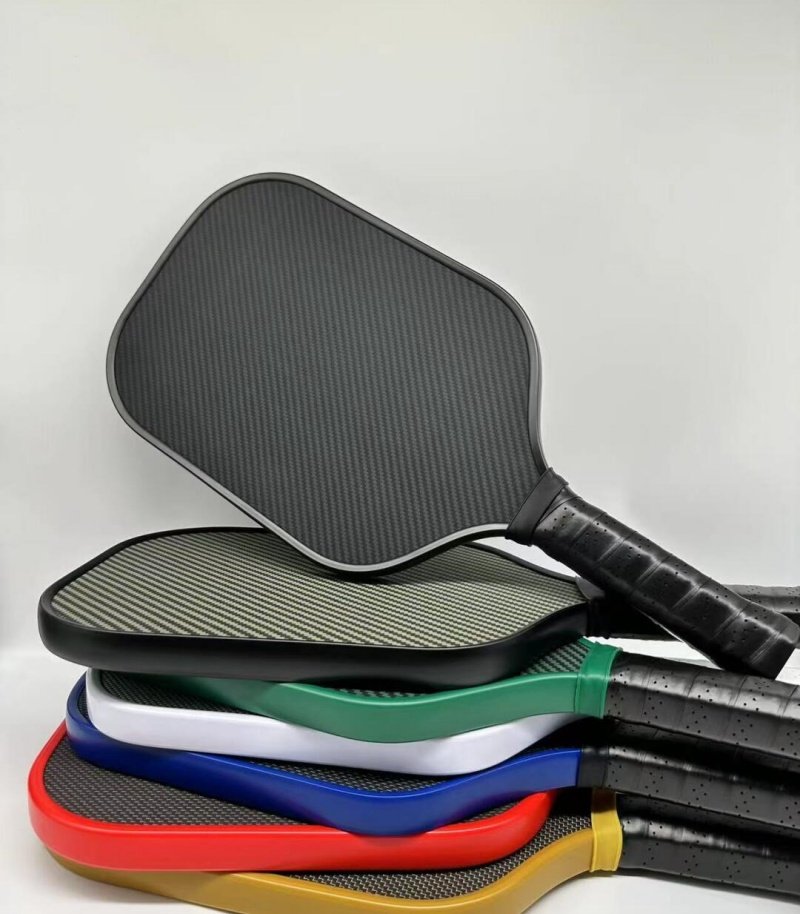
The material used to make pickleballs is a durable plastic, typically polymer or Nylon3, designed to withstand the pressure of repeated hits. The outer shell is perforated with holes to reduce wind resistance, allowing the ball to travel at the right speed.
Two Types of Pickleballs
Pickleballs are made in two variations: indoor and outdoor balls. Both are designed differently to adapt to their playing environments.
- Indoor Balls: Typically softer and have fewer holes, which allow them to be controlled more easily in smaller indoor spaces.
- Outdoor Balls: These are harder, with more holes, making them more durable and better suited to withstand outdoor conditions, including wind.
How the Plastic is Molded
The plastic used for pickleballs is molded into a spherical shape. The ball is made from a single piece of plastic with holes punctured through it to maintain the aerodynamic qualities4 necessary for the sport.
Durability and Performance
The choice of material affects the ball's durability and bounce. A high-quality pickleball needs to maintain its shape and performance even after prolonged use. Outdoor balls, in particular, are designed to resist cracking and splitting when they come into contact with hard surfaces.
How many factories make pickleball paddles?
Many factories worldwide are involved in manufacturing pickleball paddles. As demand for the sport grows, the number of factories producing paddles has also increased.
Pickleball paddles are produced in numerous factories worldwide, with a few major manufacturers leading the market.
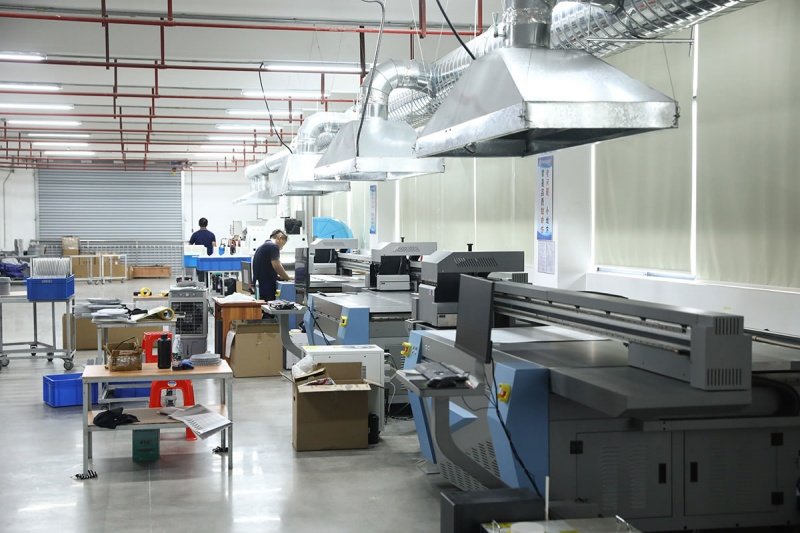
The production of pickleball paddles involves both large-scale factories and smaller, specialized manufacturers. These factories are located in countries with a strong manufacturing industry, such as China, the United States, and other regions around the world.
Key Manufacturing Countries
- China: Home to many factories specializing in sporting goods, including pickleball paddles. Due to its established manufacturing infrastructure, China plays a significant role in producing paddles for the global market.
- United States: A smaller but growing number of companies produce paddles in the U.S., focusing on high-quality, premium paddles for professional players.
- Other Regions: Countries such as Canada, India, and Taiwan are also involved in producing pickleball equipment, but they are not as dominant as China or the U.S.
Large-Scale Manufacturers
Some well-known brands dominate the pickleball paddle market, and they rely on large-scale manufacturing operations to meet the demand. These companies may have their own factories or outsource production to trusted manufacturers.
Specialized Manufacturers
There are also specialized companies that focus exclusively on pickleball equipment. These smaller manufacturers may emphasize custom or high-performance paddles, offering options for serious athletes or those looking for unique designs.
Conclusion
Pickleball’s equipment is carefully manufactured through precise processes. The sport's growth has fueled increased production, with factories worldwide meeting global demand for high-quality paddles and balls.5
-
Learn what graphite is and its benefits in pickleball paddle performance. ↩
-
Understand the role of polymers in enhancing paddle durability and strength. ↩
-
Discover the properties of Nylon used in pickleball ball manufacturing. ↩
-
Learn about aerodynamic qualities and their impact on pickleball performance. ↩
-
Understand the impact of manufacturing growth on pickleball's global popularity. ↩