Skip to content

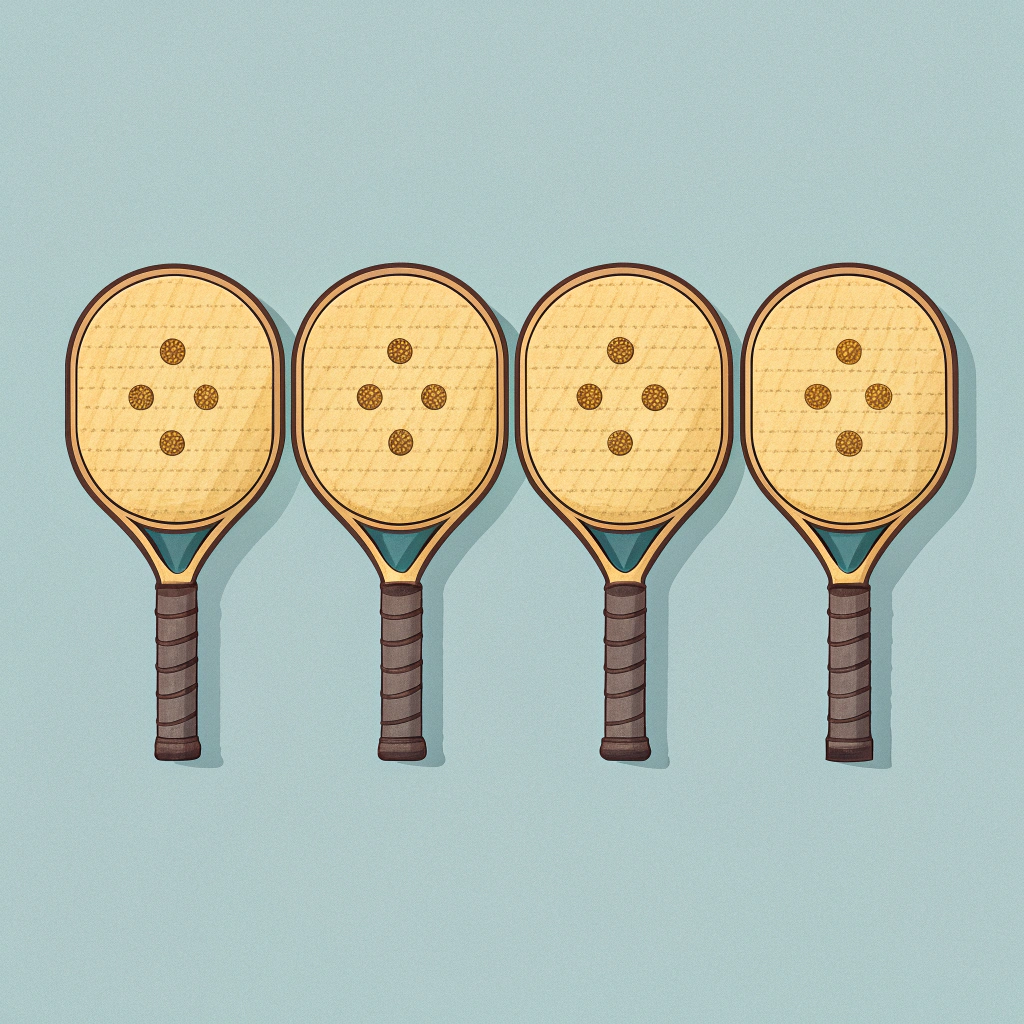
Quick answer — For most commercial lines, polymer (honeycomb) composite cores1 deliver the best mix of cost, durability, and player-friendly performance; wood cores can be an economical option for recreational, novelty, or entry-level SKUs but carry trade-offs in weight consistency, longevity, and premium positioning. Use Nomex2 or aluminum honeycomb for high-end competitive paddles where stiffness and power are prioritized, and choose polymer cores to balance price, vibration damping, and manufacturing scalability.
You’re choosing a core material that sets playability, BOM3 cost, manufacturing route, lead times, and target-market fit. A wrong choice increases returns, warranty claims, and hurts brand positioning. This guide compares composite cores (polymer honeycomb, Nomex, aluminum) against wood cores, across performance, manufacturing, cost, QC, and recommended SKUs — giving you a decision-ready framework for an RFQ or spec.
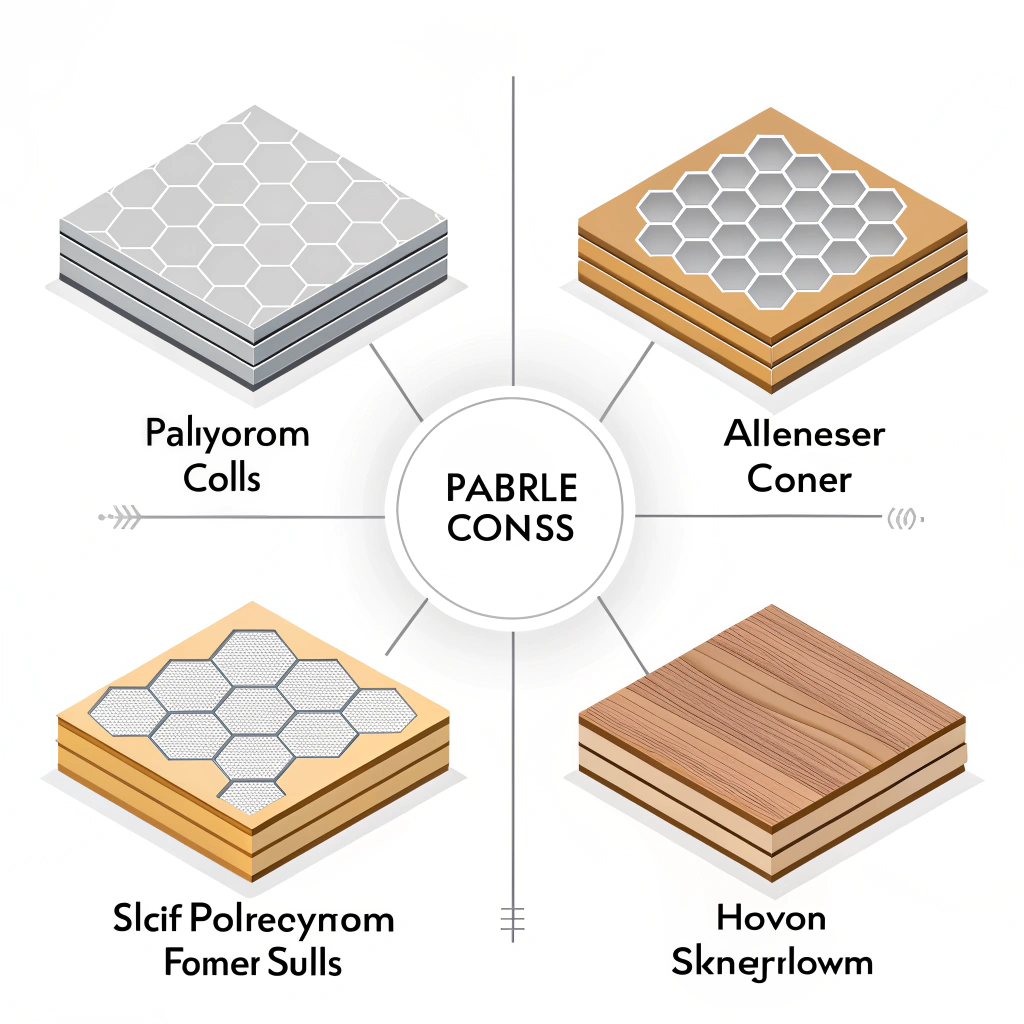
- Composite cores (most common in modern paddles):
- Polymer honeycomb (aka “poly” or polypropylene)
- Nomex honeycomb (paper/aramid-based)
- Aluminum honeycomb
- Wood cores:
- Solid wood or laminated plywood cores (often poplar, birch)
- Surface facings commonly paired:
- Carbon fiber, fiberglass (E-glass), or hybrid composites.
- Polymer honeycomb: lightweight, good damping, affordable, consistent.
- Nomex: very stiff, high power, durable under heat, higher cost.
- Aluminum: balanced stiffness, higher weight, premium feel.
- Wood: heavier, less consistent, cheaper per material but higher variability.
| Dimension | Polymer Honeycomb (Poly) | Nomex | Aluminum Honeycomb | Wood Core |
|---|---|---|---|---|
| Weight control | Excellent | Good | Moderate (heavier) | Poor (natural variation) |
| Vibration damping | High | Low–Moderate | Moderate | Low |
| Power / stiffness | Moderate | High | High | Low–Moderate |
| Durability (moisture/impact) | High | High | High | Low (swelling, delamination risk) |
| Cost per unit (BOM) | Low–Medium | Medium–High | Medium–High | Low |
| Production scalability | Very high | High | Medium | Medium |
| Best for | Recreational → mid → mass retail | Competitive / power-focused | High-end hybrid paddles | Budget/recreational/novelty |
Notes: Cost varies by thickness, facing material, and MOQ4. Polymer cores dominate volume SKUs due to low cost and consistent QC.
- Sweet spot: Honeycomb polymer cores tend to provide a uniform sweet spot across the face due to consistent cell structure. Nomex and aluminum can concentrate power in a smaller sweet spot (preferred by advanced players). Wood cores often produce an inconsistent sweet spot because of grain and density variability.
- Feel & touch: Wood gives a “duller” hitting feel and less feedback; polymer cores give softer touch (good for dinks). Carbon-faced paddles on Nomex/aluminum feel stiffer and more explosive.
- Spin & rebound: Carbon on stiff cores yields higher rebound (power). Fiberglass on polymer produces more dwell and energy return—good guard rail between power and control.
Your choice of core changes which forming process and controls you must use.
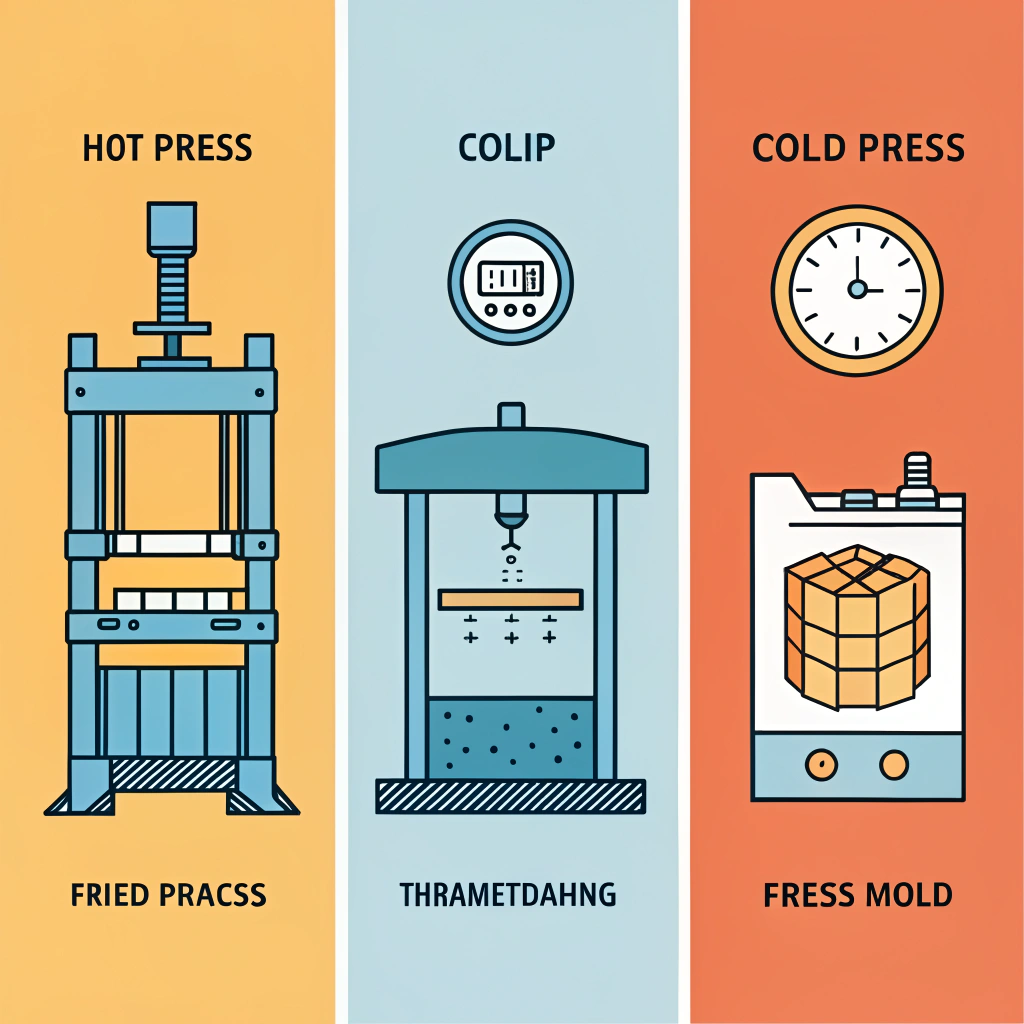
- Hot pressing:
- Works well for Nomex and some aluminum assemblies with high-strength facings.
- Pros: fast cycle, strong consolidation.
- Cons: can alter certain facing resins; needs high equipment investment.
- Cold pressing:
- Common for polymer honeycomb when maintaining polymer properties matters.
- Pros: preserves material characteristics and tactile feel.
- Cons: slower cycles, requires precise pressure controls.
- Thermoforming5:
- Useful for complex curvatures and tailored thickness maps across the paddle.
- Often used with polymer/hybrid cores when custom geometries or edge contours are needed.
Production constraints summary:
- Polymer cores → scale with automated layup and cold press lines; lowest CAPEX per unit if volumes are high.
- Nomex → needs controlled heat/press profile; suitable for mid–high production with higher equipment demands.
- Aluminum → special handling to avoid core damage; heavier jigs.
- Wood → simpler tooling but higher rework for gaps, moisture control requires climate-controlled storage.
Key QC checks to include in RFQs:
- Core density & thickness uniformity (micrometer sampling)
- Bond strength between core and facings (peel tests)
- Impact resistance (drop/ballistic test)
- Moisture absorption (particularly for wood & Nomex)
- Edge-seal integrity (prevent delamination)
- Weight/balance tolerances (± grams specification)
Failure modes:
- Wood: warping, swelling, delamination at edge, inconsistent balance.
- Polymer: cell collapse from over-pressing, core-face separation if adhesives incompatible.
- Nomex: edge chipping at high-impact zones if not edge-sealed properly.
- Aluminum: core cracking under inappropriate press profiles.
Typical drivers: core material price, facing choice, labor, cycle time, and edge finishing.
Example BOM cost comparisons (indicative; adjust for volumes and materials market prices):
| Item | Polymer core | Nomex core | Aluminum core | Wood core |
|---|---|---|---|---|
| Core material | $1.00–$2.50 | $2.50–$4.00 | $2.00–$4.00 | $0.80–$2.00 |
| Facings (E-glass / carbon mix) | $2.00–$6.00 | $2.50–$7.00 | $2.50–$7.00 | $2.00–$6.00 |
| Labor & pressing | $1.00–$3.00 | $1.50–$3.50 | $1.50–$3.50 | $1.00–$2.50 |
| Edge & finishing | $0.50–$1.50 | $0.50–$1.50 | $0.50–$1.50 | $0.50–$1.50 |
| Estimated unit cost (materials + process) | $4.50–$13.00 | $6.50–$16.00 | $6.00–$16.00 | $4.30–$12.00 |
Notes: These ranges depend heavily on facing choice (carbon ups cost), custom printing, and order volume. For MOQ4-sensitive buyers, polymer cores provide the lowest BOM volatility.
Supply chain:
- Polymer cores: wide supply base, stable pricing.
- Nomex/Aluminum: fewer suppliers, longer lead times; watch for MOQ.
- Wood: susceptible to raw material quality and seasonal supply variation.
- Retail mass-market (big-box, price-sensitive):
- Recommend polymer honeycomb with fiberglass facing for durable, forgiving feel and low BOM.
- Mid-tier (club-level players, DTC brand):
- Polymer core with either fiberglass or carbon/fiberglass hybrid facing; offer two balance options (control vs power).
- High-performance / Tournament:
- Nomex or aluminum honeycomb core with carbon fiber face. Prioritize stiffness, weight balance, and stringent QC.
- Beginner/novelty / kids paddles:
- Wood cores can be acceptable if price is main driver. Use clear specs on weight tolerance and limit exposure to humidity (edge-seal strongly).
- Private label OEMs seeking customization:
- Polymer cores for quick iterations and lower MOQ; thermoforming for bespoke shapes.
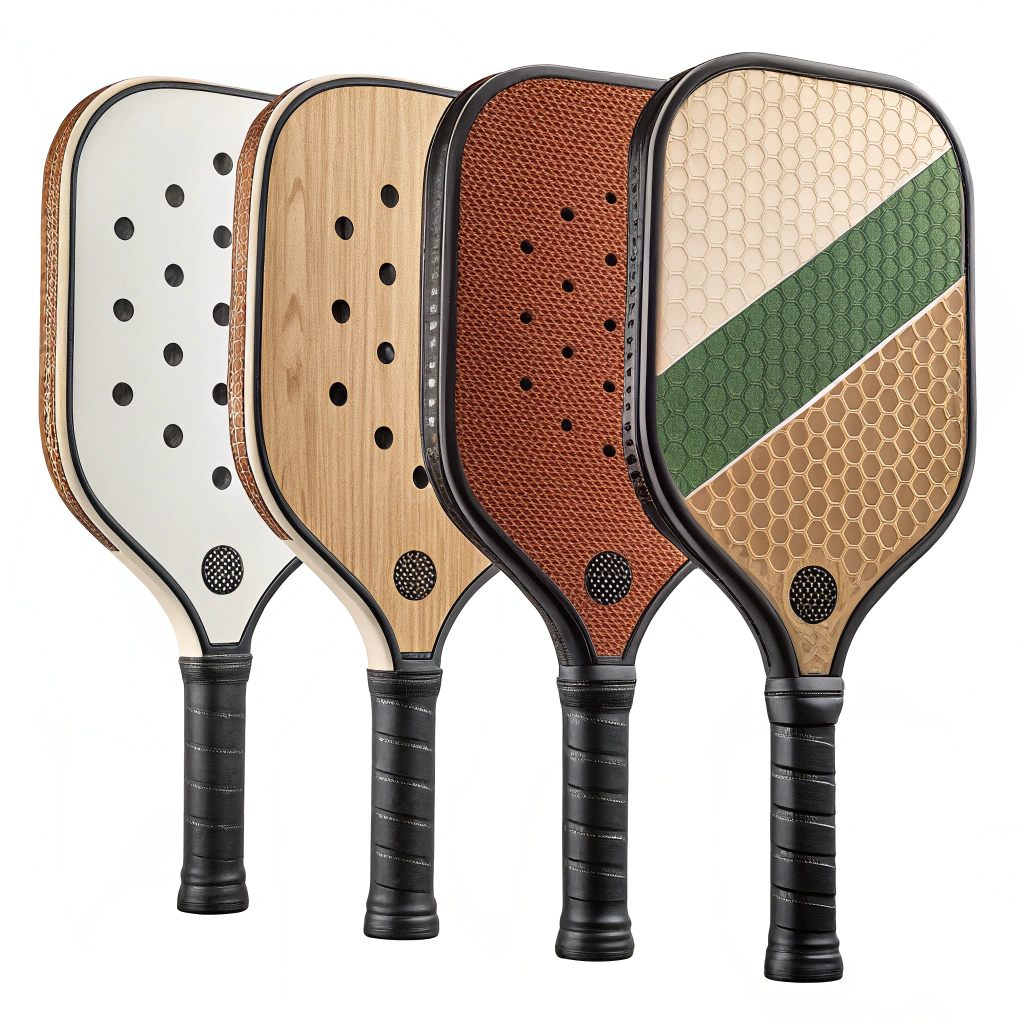
Include these mandatory lines in your RFQ to suppliers:
- Core type and source (polypropylene honeycomb / Nomex / aluminum / specific wood species)
- Core thickness and density tolerances (e.g., 13mm ±0.5mm; density 0.03–0.06 g/cm3)
- Facing material and laminate schedule (e.g., 1×3K carbon + 1×E-glass)
- Pressing method and temperature profile constraints
- Adhesive system and peel strength requirement (e.g., >X N/cm)
- Weight and balance tolerances (grams; handle center of mass)
- Edge sealing method and sample retention
- Required QC tests and sample acceptance criteria
- MOQ, lead times, and price breaks at volume tiers
- Warranty expectations and returns handling
If you need a single clear path for most commercial programs: specify polymer honeycomb cores for baseline SKUs and reserve Nomex/aluminum cores for a high-end flagship SKU. Avoid wood cores for any product marketed on durability or performance — use wood only for low-cost novelty items and ensure strict moisture controls.
Next steps:
- Define 2–3 target SKUs with clear weight, balance, and facing choices.
- Request pre-production samples from suppliers with the RFQ checklist above.
- Run peel, impact, and balance testing on samples (use an independent lab if needed).
- Lock MOQ and lead-time terms aligned with your launch schedule.
NEX Pickleball can support pilot runs across hot-press, cold-press, and thermoforming processes and provide on-demand printing and custom balancing for small-volume testing. Contact your supplier partner to align prototypes to the spec checklist.
People Also Ask
What is the best core material for a pickleball paddle?
- The “best” core depends on the target player and price point. For mass-market and recreational paddles, polymer (polypropylene) honeycomb is most common because it balances cost, durability, and player-friendly feel. For high-performance paddles, Nomex or aluminum honeycomb cores give greater stiffness and power but at higher cost. Wood is a low-cost option but generally lags in consistency and moisture resistance.
Is a composite pickleball paddle good?
- Yes. A composite-faced paddle (fiberglass or carbon fiber faces over a honeycomb core) typically delivers a balanced combination of power and control. Composite paddles are versatile and consistent across swings, making them suitable for most players, which is why they are common in both recreational and competitive product lines.
Which is better carbon fiber or composite pickleball paddles?
- This question conflates facing material with “composite” as a general category. Carbon fiber faces are stiffer and provide more immediate power and responsiveness. Fiberglass (a composite material) is more flexible, offers more dwell time on the ball, and can generate greater energy return for powerful shots with a softer feel. Choose carbon for power-focused, competitive paddles; choose fiberglass-faced composites for a forgiving balance of power and control.
-
polymer (honeycomb) composite cores: Read to understand the polymer honeycomb cell structures (typically polypropylene), how they influence damping, weight control, and manufacturing routes — helping procurement teams justify cost vs performance for mass-market SKUs. ↩
-
Nomex: Read to learn what Nomex (aramid paper honeycomb) is, why it delivers high stiffness and heat resistance, and what special handling, pressing profiles, and edge-sealing practices are required for reliable production. ↩
-
BOM: Read to get a practical guide on building a bill of materials for paddles (core, facings, adhesives, labor, finishing), how to model unit cost by volume, and which line items most affect margin and supplier negotiations. ↩
-
MOQ: Read to understand minimum order quantities from core and facing suppliers, how MOQ affects unit cost and lead time, and strategies (consolidation, staggered launches, tooling choices) to mitigate MOQ risk. ↩ ↩2
-
Thermoforming: Read to see when thermoforming is advantageous (complex geometries, tailored thickness maps), the tooling and cycle-time implications, and how it affects per-unit CAPEX/OPEX for small vs large runs. ↩