Skip to content


Quick Answer: To avoid costly mistakes when sourcing pickleball paddles, focus on understanding the paddle’s weight, material composition1, and manufacturing process2. By comparing production techniques like hot pressing, cold pressing, and thermoforming3, procurement managers can ensure they select paddles that deliver optimum performance, durability, and cost-effectiveness for their business needs.
In today’s competitive sports equipment market, B2B procurement managers must navigate numerous challenges when selecting the right pickleball paddles for their company or retailer portfolio. Common pitfalls include misunderstandings about the paddle material properties and the manufacturing processes that directly impact both performance and longevity. Missteps in these areas can lead to purchases that fail to meet end-user expectations, resulting in wasted investment and potential brand reputational damage.
The primary challenge in sourcing high-performance pickleball paddles lies in balancing technical specifications with practical business considerations. Many procurement managers overlook critical indicators such as paddle weight, grip size, and the intricacies of different materials like carbon fiber4, fiberglass, and composite cores. These key factors not only determine the paddle’s in-game performance but also affect durability and production consistency.
Procurement errors frequently occur due to:
• An incomplete understanding of how different material compositions (e.g., 3K Carbon Fiber versus 12K Carbon Fiber) translate to performance differences.
• Overlooking the nuanced differences in manufacturing processes, such as the trade-offs between hot pressing, cold pressing, and thermoforming.
• Failing to evaluate the balance between cost and high-performance attributes, assuming a higher price always guarantees better performance.
Recognizing these gaps is essential to avoid suboptimal purchasing decisions.
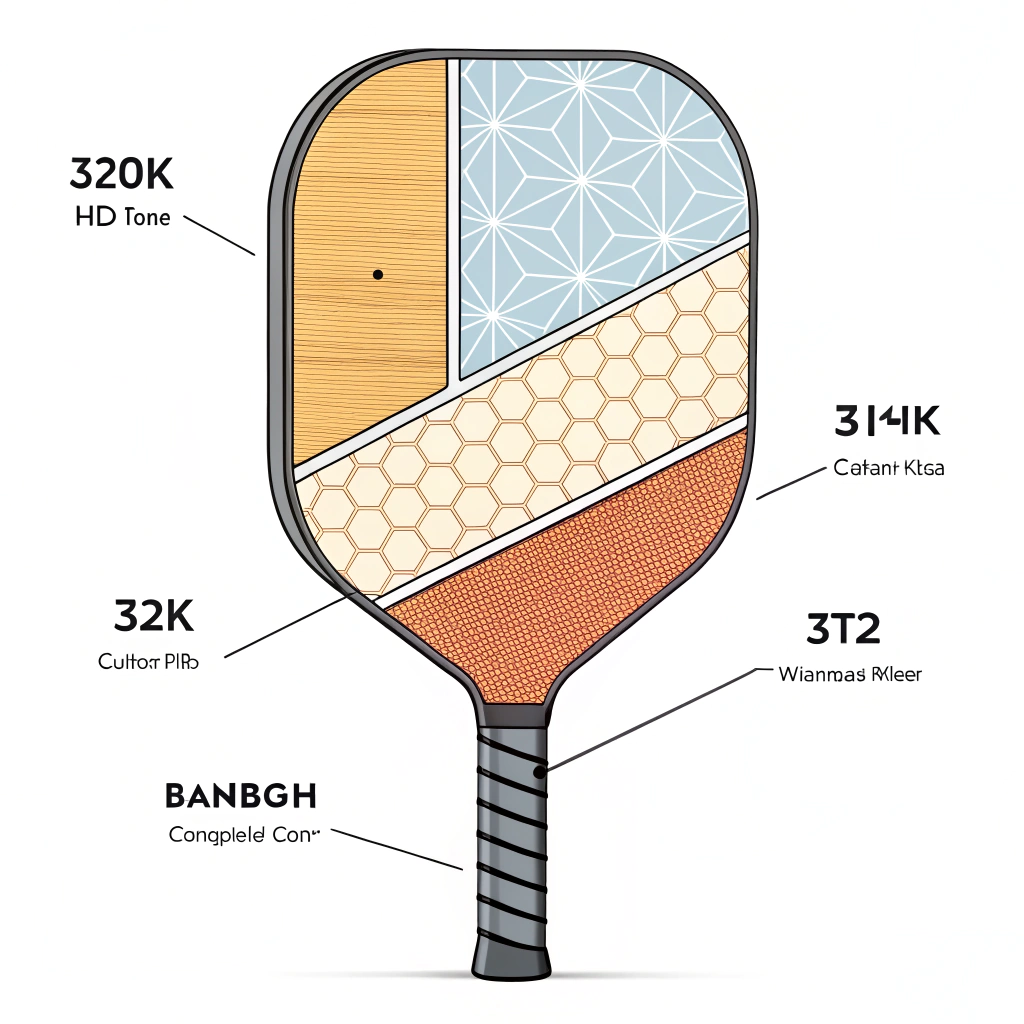
Pickleball paddles are often made from several types of materials, each with distinctive features:
• Carbon Fiber:
- 3K Carbon Fiber is celebrated for its strength and flexibility, offering a high rebound force and reducing vibration.
- 12K Carbon Fiber features a higher thread density, providing a smoother surface, greater hardness, and improved durability, ideal for competitive play.
- T300 Carbon Fiber is prized for its tensile strength, balancing strength with lightweight properties.
• Fiberglass:
- Often used in paddles that require a balance between power and control, fiberglass offers a wider sweet spot and enhanced durability.
- E-Glass Fiberglass is particularly noted for its elasticity and excellent ball control.
• Composite Materials and Core Options:
- Combining carbon fiber and fiberglass creates a paddle that leverages the strengths of both materials.
- Bamboo Core Composites deliver a lightweight yet highly impact-resistant design.
- Honeycomb Cores (or polymer cores) enhance shock absorption and minimize vibration.
- Material choices directly influence factors like grip, ball control, rebound, and overall comfort.
Understanding these differences empowers procurement managers to align product specifications with the performance needs of their target market.
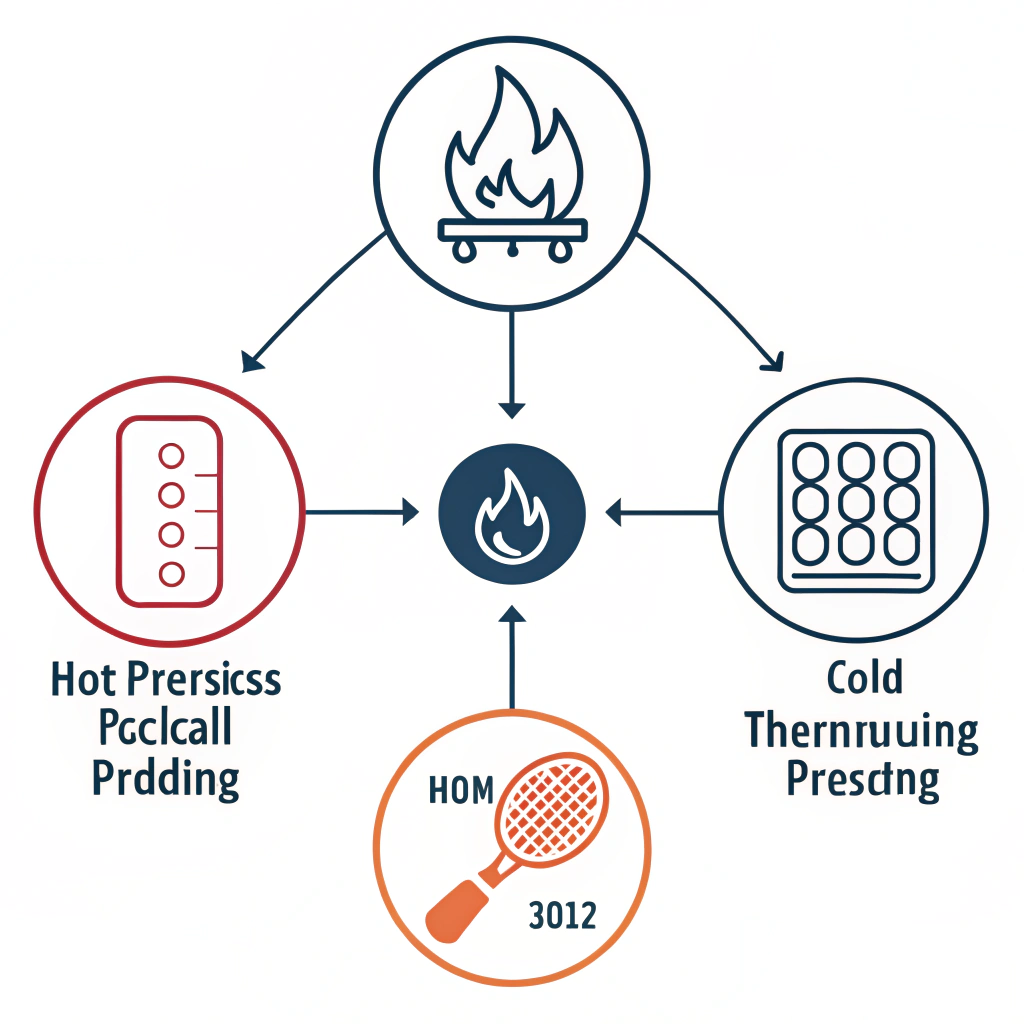
High-performance pickleball paddles are produced using three primary techniques: hot pressing, cold pressing, and thermoforming. Each method has its advantages and limitations.
| Manufacturing Process | Advantages | Disadvantages |
|---|---|---|
| Hot Pressing | High production efficiency; produces strong paddles with excellent impact resistance; ensures structural integrity. | May alter some material properties that affect the feel; requires significant investment in specialized equipment. |
| Cold Pressing | Provides precise control over paddle thickness and structure; preserves the inherent properties of materials for better control and flexibility; enhances ball feel. | Longer production cycles; demands meticulous pressure control and high-quality machinery. |
| Thermoforming | Enables intricate designs and precise material distribution; maintains paddle stability; adaptable for various high-performance materials. | Involves longer production times; requires higher equipment costs; best suited for premium or custom products. |
Each manufacturing process impacts the final product’s characteristics. For example, while hot pressing may yield a paddle built for high-impact, cold pressing maintains the fine tactile qualities prized by elite players. Procurement managers should consider these nuances when evaluating supplier capabilities.
In the B2B acquisition of pickleball paddles, here are key pitfalls to be aware of:
-
Overlooking Technical Specifications:
- Failing to examine details like the differences between 3K, 12K, and T300 Carbon Fiber can lead to a mismatch between paddle performance and user needs.
- Neglecting the impact of core materials such as Nomex, aluminum honeycomb, or polymer cores can result in padded products that do not deliver the desired balance of weight, power, and control.
-
Misinterpreting Manufacturing Benefits and Limitations:
- Without a clear understanding of how processes like thermoforming versus cold pressing affect product attributes, procurement managers might make poor cost-to-performance evaluations.
- Assuming one manufacturing method is universally superior can be misleading since each method suits different performance endpoints and scale requirements.
-
Underestimating Production Consistency and quality control5:
- The reliability of quality control, especially in mass production environments, is critical. Inconsistent quality can lead to returns, warranty claims, and damage to brand reputation.
- It is essential to consider a manufacturer’s experience and their capacity to produce consistent batches, particularly when precision and repeatability are paramount.
-
Prioritizing Price Over Performance Metrics:
- While cost-effectiveness is crucial, selecting the cheapest option without scrutinizing material properties, design integrity, and manufacturing process can result in downstream costs associated with product failure or dissatisfied customers.
- Investing in slightly higher production costs may ultimately yield a product that enhances the end-user’s playing experience and brand loyalty.
To sidestep these pitfalls, consider the following actionable tips:
• Deep Dive into Material Specifications:
Ensure that suppliers provide detailed technical data on materials used—including types of carbon fiber, fiberglass properties, and composite specifications. Evaluate how these materials have performed in real-world testing scenarios.
• Assess the Manufacturing Process:
Request comprehensive insights into the production techniques utilized. This involves understanding the trade-offs of hot pressing, cold pressing, and thermoforming—noting how each process might affect durability, weight distribution, and overall paddle design.
• Implement Robust quality control5 Checks:
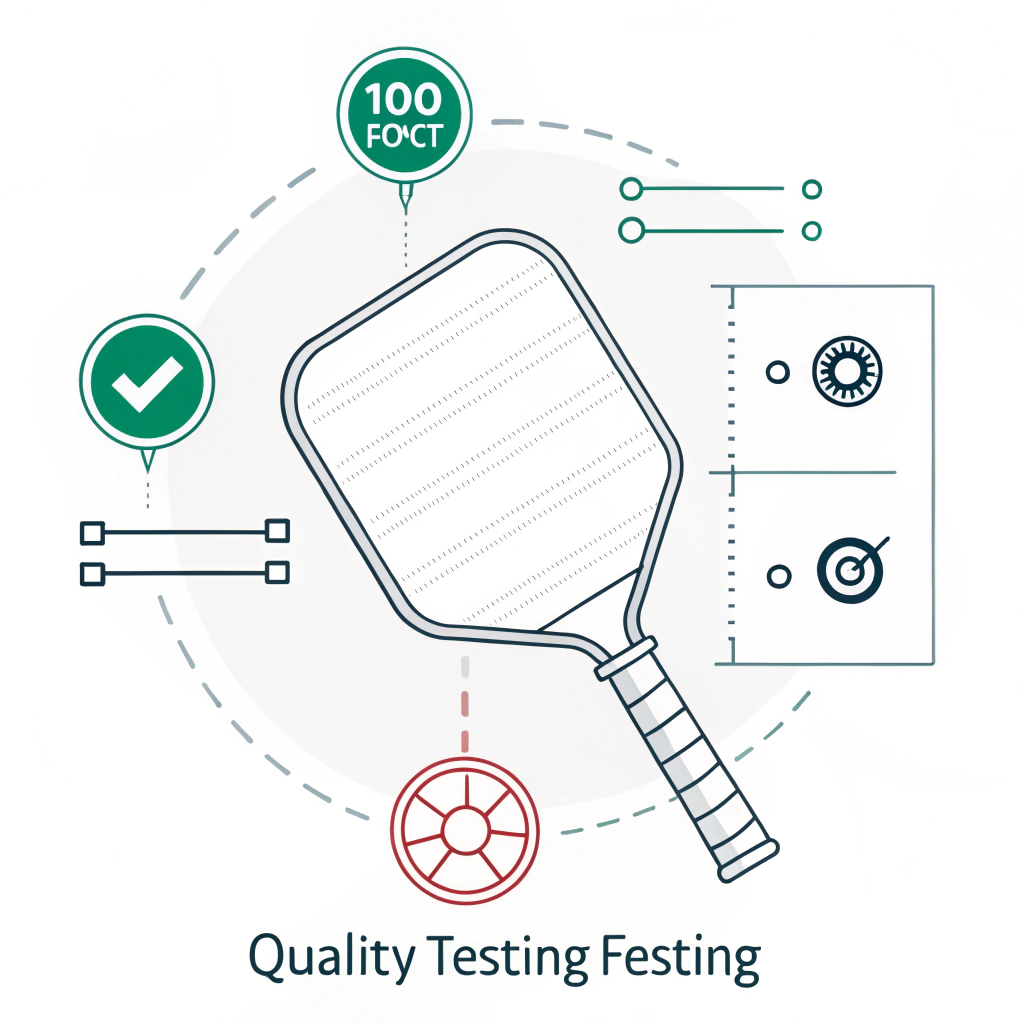
Work closely with manufacturers to verify that each paddle undergoes rigorous testing. This can include impact resistance tests, vibration analysis, and ergonomic evaluations tailored to various user profiles.
• Utilize Comparative Analysis Tools:
Create a detailed comparison matrix that scores each potential supplier based on material quality, production process, production efficiency, and cost-effectiveness. In addition, consider feedback from industry experts and existing customers.
• Engage in Pilot Testing:
Before committing to full-scale procurement, consider ordering sample batches to test performance under real conditions. This pilot phase can provide valuable insights on quality and user satisfaction.
• Balance Price and Performance:
Avoid the trap of assuming that the highest-priced paddle will always be the best. Instead, evaluate each supplier’s product holistically by considering technical excellence alongside market competitiveness and production reliability.
NEX Pickleball is an industry leader renowned for balancing precision engineering with real-world performance. Drawing on our experience, we have observed that even small variations in material composition or manufacturing technique can significantly affect the paddle's end performance. Consider the following case study:
A sports distributor was initially attracted to a product line featuring a heavy emphasis on premium materials like 12K Carbon Fiber. However, after a series of pilot tests, discrepancies in the manufacturing process led to slight inconsistencies in paddle weight and vibration levels, impacting playability. By contrast, NEX Pickleball’s approach—where the cold pressing process was optimized for precise control, paired with a consistent quality control protocol—ensured every paddle met high performance standards.
This practical example underscores the need for:
• Detailed specification reviews.
• Transparent manufacturing insights.
• Active quality monitoring.
By integrating these practices into your procurement process, you not only safeguard your investment but also enhance your market reputation by providing reliable, high-performance products.
In summary, making informed decisions in the sourcing of pickleball paddles starts with a solid grasp of technical specifications, material properties, and production techniques. Here are the key takeaways:
• Always verify what each material offers—whether it’s the resilient flexibility of carbon fiber or the balance of power and control in fiberglass.
• Understand the manufacturing process: hot pressing yields strength, cold pressing offers enhanced control, and thermoforming delivers intricate designs with precise material distribution.
• Employ structured evaluation methods (like comparison matrices) to systematically assess suppliers on dimensions that matter, including quality control, material consistency, and cost-to-performance ratios.
• Balance immediate cost advantages with long-term performance considerations. Pilot testing and supplier audits can reduce risks significantly.
By following these steps, procurement managers can confidently navigate the complexities of pickleball paddle selection. The goal is not only to avoid common procurement mistakes but also to ensure the acquired products meet both end-user expectations and business objectives, leading to enhanced market competitiveness and consumer satisfaction.
Ultimately, the secret lies in a deliberate, analytical approach that carefully weighs every aspect from material composition to production methodology.
People Also Ask
Q: How can you tell a good pickleball paddle?
A: A good pickleball paddle is determined by examining its weight, grip size, material quality, shape, and core type. High-performance paddles typically feature advanced materials like carbon fiber or fiberglass paired with well-engineered cores, ensuring the right balance of power, control, and durability for various playing styles.
Q: Do more expensive pickleball paddles make a difference?
A: More expensive pickleball paddles often incorporate advanced materials such as high-grade carbon fiber, offering superior control, power, and responsiveness. However, the best paddle is one that matches your specific performance needs, meaning that a higher price does not always guarantee a better playing experience if the technical specifications do not align with your requirements.
Q: Is it better to have a light or heavy pickleball paddle?
A: The weight of a pickleball paddle plays a crucial role in balancing control and power. Lighter paddles tend to provide increased control and maneuverability, while heavier paddles offer greater power in strikes. The ideal choice depends on the player's style and preferences, ensuring that the selected paddle meets the specific demands of their gameplay.
-
material composition: Read this article to understand how different material compositions affect performance, durability, and cost-effectiveness in manufacturing. ↩
-
manufacturing process: Explore insights on various manufacturing processes, including their trade-offs and impact on product quality, to better evaluate supplier capabilities. ↩
-
thermoforming: Discover the thermoforming process, its benefits in achieving intricate designs, and why it is preferred for certain high-performance products. ↩
-
carbon fiber: Learn about carbon fiber technology, its types, and how properties like strength and flexibility influence high-performance sports equipment. ↩
-
quality control: Click here to read about best practices in quality control, how it ensures consistent product standards, and why it is critical for mass production. ↩ ↩2