Skip to content


Pickleball paddle material selection is not a one‐size‐fits‐all decision—each material and production technique offers unique benefits tailored to specific performance, cost, and design objectives.
In the evolving landscape of pickleball paddle manufacturing, strategic material selection and production methods are critical for delivering high-performance equipment. Procurement managers and product development specialists must weigh numerous factors—from durability and control to production efficiency and cost-effectiveness. This article explores advanced paddle materials, including various types of Carbon Fiber, Fiberglass, and Composite Materials, along with core components like Polymer, Nomex, and Aluminum Honeycomb. It also provides a detailed overview of production techniques like Hot Pressing, Cold Pressing, and Thermoforming.
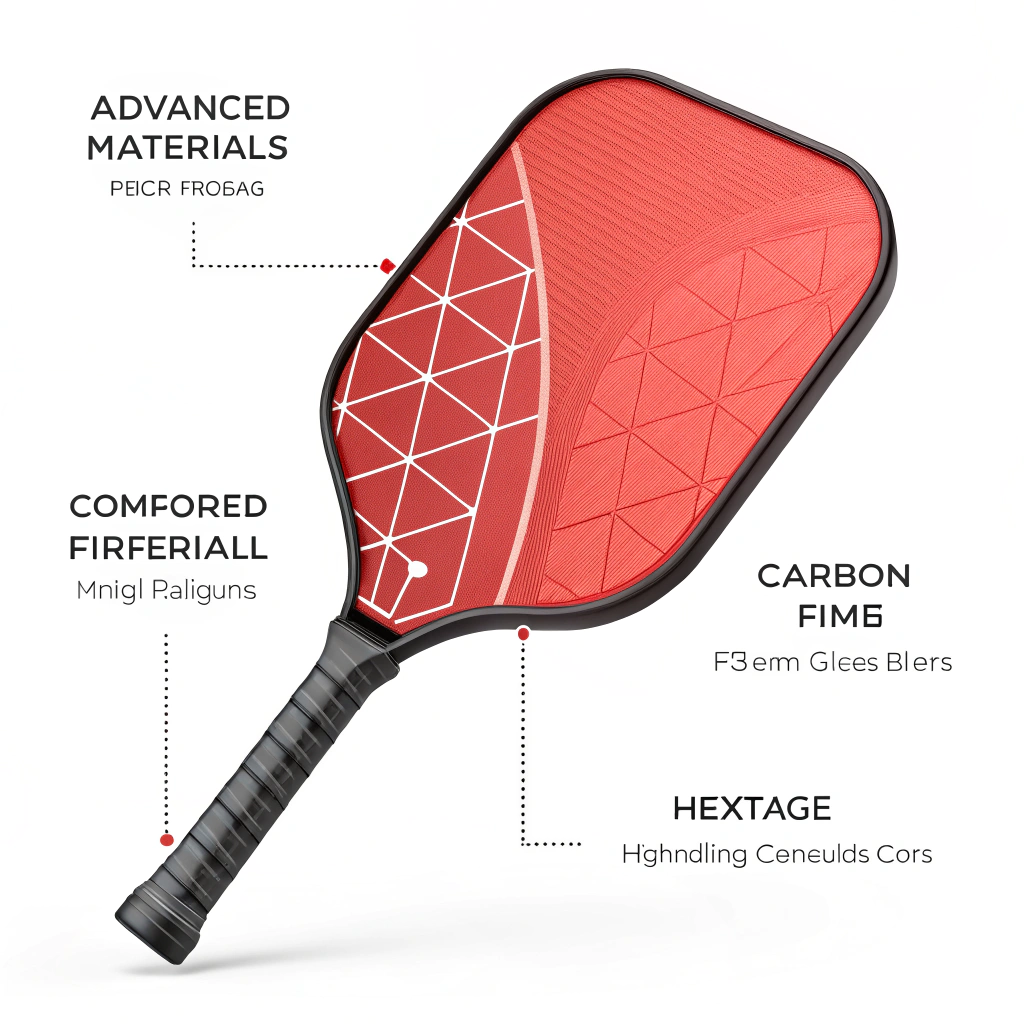
Manufacturers and product designers in the sports equipment industry face a complex challenge: how to balance performance, durability, and cost within the strict parameters of competitive sports gear. The choice of material directly impacts the paddle's rebound force, vibration damping, weight distribution, and overall player feel. Additionally, selecting the right production process influences the manufacturing efficiency and consistency essential for competitive products.
For example, while many new players are directed toward paddle cores made from Polymer, advanced players and manufacturers targeting elite performance may explore materials like T300 Carbon Fiber1 or intricate composite constructions. The lack of a universal solution necessitates a deep dive into each material's specifics and production technique advantages.
Several key factors drive material and process selection in pickleball paddle manufacturing:
-
Performance Requirements:
- Power and Control: Advanced materials such as 12K Carbon Fiber and high-density composites offer high rebound and control, essential for competitive play.
- Vibration Dampening: Materials like Polymer Honeycomb and Nomex cores reduce vibration, enhancing comfort and reducing strain during long play sessions.
-
Durability and Longevity:
- Durability is critical in a demanding sport like pickleball. Materials such as 3K Carbon Fiber provide a good balance of strength and flexibility that can withstand repeated impacts over time.
-
Cost-Performance Trade-offs:
- While high-end composites may drive performance, they come at increased costs compared to more traditional options like wood or basic polymers. A tailored approach is needed depending on the target market—whether recreational or competitive.
-
Manufacturing Efficiency:
- Production techniques involving Hot Pressing can yield strong, durable paddles at high volumes but may require higher initial investments in equipment. Conversely, Cold Pressing allows for better control over paddle integrity but can slow production cycles.
Manufacturers rely on specific material properties to meet different performance needs. Below we summarize these materials and techniques:
Carbon Fiber is revered in the sports industry for its exceptional strength and light weight. Its variants include:
- 3K Carbon Fiber: Provides high strength and flexibility with excellent vibration reduction. Ideal for paddles requiring robust rebound force.
- 12K Carbon Fiber: Offers a smoother surface, superior hardness, and enhanced impact resistance, making it excellent for competitive settings.
- T300 Carbon Fiber1: Known for optimum tensile strength and an ideal balance between weight and robustness.
Fiberglass paddles, particularly those using E-Glass Fiberglass, deliver a balance between power and control. They offer benefits such as:
- Wider sweet spots for improved ball control
- Enhanced elasticity, which maintains excellent tactile feedback for the player.
By blending various materials, composite paddles can leverage the benefits of each component:
- Carbon Fiber and Fiberglass Composite2: Merges the strength of carbon fiber with fiberglass flexibility to create a paddle with balanced power and control.
- Bamboo Core Composite: Offers high impact resistance with a lightweight structure and provides an exceptional hitting feel.
- Honeycomb Core Composite: Utilizes high-density polymer or pulp to offer superior shock absorption and durability.
The paddle core is crucial for defining the overall feel and performance:
- Nomex Honeycomb Core3: Known for its excellent shock absorption and long-term durability, suitable for competitive play.
- Aluminum Honeycomb Core: Provides a balance between weight and impact control, ideal when a mix of power and precision is required.
- Polymer Honeycomb Core: Praised for its elasticity and reduced vibration. Highly popular among new players for its balance between power and control.
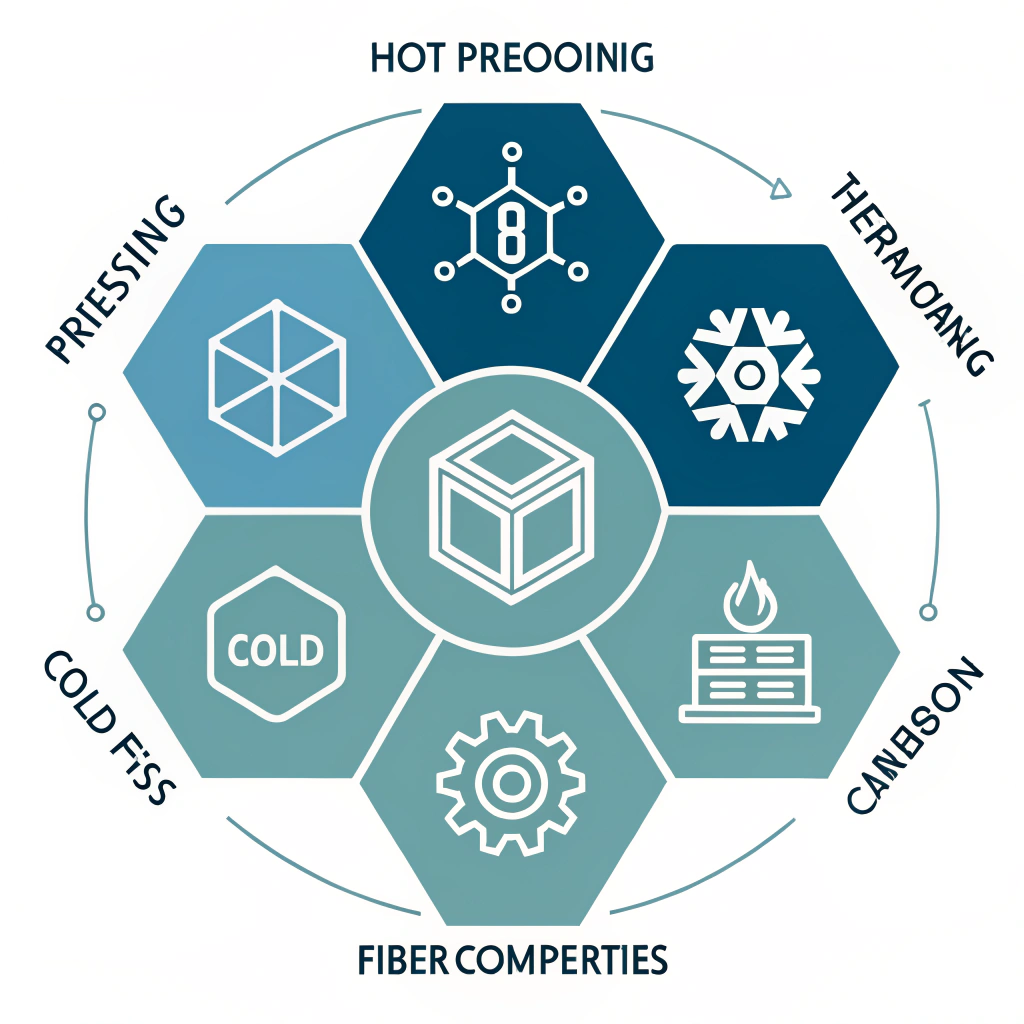
The production method significantly affects the final paddle quality. Here are key techniques used in manufacturing:
Hot Pressing involves applying heat and pressure to materials, forming a robust structure.
- Advantages:
• High production efficiency
• Strong impact resistance
• Maintains structural integrity suitable for high-performance use - Limitations:
• May alter some intrinsic material properties
• Requires significant investment in specialized equipment
Cold Pressing is carried out at room temperature under controlled mechanical pressure:
- Advantages:
• Precise control over thickness and structure
• Maintains original material properties, enhancing control and flexibility
• Offers excellent ball feel - Limitations:
• Longer production cycles
• High demands on precision equipment
Thermoforming heats materials to a soft state before shaping them using molds:
- Advantages:
• Enables intricate paddle designs
• Ensures uniform material distribution and stability
• Ideal for premium, custom-made paddles - Limitations:
• Higher production time and equipment costs
• Best suited for lower volume, high-value production
A careful comparison of materials and production techniques can be crucial for decision-makers. Below is a table summarizing key attributes:
| Material/Process | Benefits | Limitations | Typical Use Case |
|---|---|---|---|
| 3K Carbon Fiber | Strength, flexibility, vibration reduction | Moderate cost, moderate production complexity | Competitive and recreational paddles |
| 12K Carbon Fiber | Superior hardness, smooth finish, impact resistance | Higher cost, requires precision in molding | High-performance competitive paddles |
| T300 Carbon Fiber1 | Optimal strength-to-weight ratio | Expensive, high-end market | Elite-level competitive play |
| E-Glass Fiberglass | Wider sweet spot, excellent elasticity | Can be less rigid than carbon fiber | Recreational paddles, entry-level competition |
| Bamboo Core Composite | Lightweight, natural feel, high impact resistance | May have variations in consistency | Custom and branded paddles |
| Honeycomb Composite/Core | Superior shock absorption, durability | Complexity in production, potential cost increase | Long-lasting, high-performance paddles |
| Hot Pressing | High efficiency, strong structural integrity | Potential material alteration, equipment investment | Mass production of high-impact paddles |
| Cold Pressing4 | Superior control, maintains material properties | Longer cycle times, higher precision needed | Specialized designs and high-quality feel |
| Thermoforming5 | Intricate designs, precise material distribution | Longer production period, higher cost | Premium, custom flexible paddle designs |
For procurement managers and product development specialists, the following considerations are instrumental when choosing materials and processes:
-
Market Positioning:
- Competitive players may need technologically advanced materials like 12K or T300 Carbon Fiber1, while recreational players can benefit from the balanced properties of Polymer cores and Fiberglass.
-
Cost vs. Performance:
- High-performance materials and complex production methods (e.g., Thermoforming5) often come with increased cost. Decisions should balance budget constraints and intended market positioning.
-
Production Scale and Flexibility:
- Hot Pressing offers speed and efficiency for large-scale production, beneficial for companies with high-volume demands. In contrast, Cold Pressing4 or Thermoforming5 may be preferred for limited runs or custom orders where precision takes precedence.
-
Customization Potential:
- Companies looking to offer unique or branded products should consider materials that allow for customized paddle attributes (weight, balance, grip size, etc.). Combining versatile materials like carbon fiber composites with flexible production processes can meet diverse market demands.
-
Durability and Warranty Claims:
- Ensuring long-term durability is critical to avoid warranty issues and maintain trust. Materials like Nomex Honeycomb Core3 and specific composite structures can help extend product life and performance under repetitive impacts.
These strategic insights help streamline the decision-making process, ensuring that each selected paddle design aligns with performance standards, manufacturing capabilities, and market expectations.
For companies exploring or enhancing their pickleball product lines, the following steps are recommended:
-
Conduct Performance Testing:
- Use rigorous testing protocols to assess how various paddle materials perform under different playing conditions. This not only validates product performance but also guides further material refinement.
-
Optimize Production Processes:
- Evaluate your production equipment and capacity. Consider the merits of Hot Pressing for mass production versus the controlled environment of Cold Pressing4 for specialty lines.
-
Tailor Material Combinations:
- Leverage the benefits of combined materials such as Carbon Fiber and Fiberglass Composite2 to balance performance needs. This approach can create products that deliver both power and control for diverse user groups.
-
Monitor Technological Advancements:
- Stay updated with material science innovations and production methods to continually improve paddle craftsmanship. Advances in Thermoforming5 techniques and new composite formulations can provide a competitive edge.
-
Engage in Collaborative R&D:
- Work closely with your suppliers and manufacturing partners to co-develop new paddle designs. Incorporating feedback from professional players and sports engineers ensures that product updates remain aligned with market trends and performance expectations.
In summary, a well-informed selection of materials and production techniques is essential for delivering high-performance pickleball paddles that satisfy both competitive and recreational players. By balancing cost, quality, and production efficiency, companies can design paddles that meet stringent industry standards while also allowing flexibility in customization and innovation. The detailed insights provided here pave the way for strategic decision-making in today's competitive sports equipment manufacturing market.
Q: What material is the best for pickleball paddles?
A: The best material depends on the desired balance of power and control. For many new players, a paddle featuring a Polymer core provides durable, flexible performance. For competitive play, materials like 12K Carbon Fiber or a composite approach might be favored for their superior impact resistance and responsiveness.
Q: Which is better wood or polypropylene pickleball paddle?
A: Polypropylene paddles generally offer a lighter weight and improved performance compared to wood. While wood paddles are simple and heavy, Polymer (or polypropylene) cores deliver better control, vibration reduction, and overall playability, making them the preferred choice in modern paddle design.
Q: Which is better, composite or graphite pickleball paddles?
A: Both composite and graphite paddles meet most player needs, but composite-faced paddles tend to provide a more reactive and powerful feel at contact. The increased flex and precise feel in composite paddles can offer an edge for players seeking both power and control in their game.
-
[T300 Carbon Fiber]: Read this article to understand the specific properties and performance benefits of T300 Carbon Fiber, including its optimal strength-to-weight ratio and applications in elite sports equipment. ↩ ↩ ↩2 ↩3 ↩4
-
[Carbon Fiber and Fiberglass Composite]: This article details the synergy between carbon fiber and fiberglass composites, highlighting how blending these materials can yield a paddle with balanced power and control. ↩ ↩ ↩2
-
[Nomex Honeycomb Core]: Click here to learn about the unique shock absorption and durability benefits of Nomex Honeycomb Core, and how it enhances paddle performance in competitive settings. ↩ ↩ ↩2
-
[Cold Pressing]: Explore the advantages of cold pressing in preserving material properties and achieving excellent ball feel through precise control during production. ↩ ↩ ↩2 ↩3 ↩4
-
[Thermoforming]: Discover how thermoforming techniques allow for intricate paddle designs and precise material distribution, ideal for custom, high-value production. ↩ ↩ ↩2 ↩3 ↩4 ↩5