Skip to content


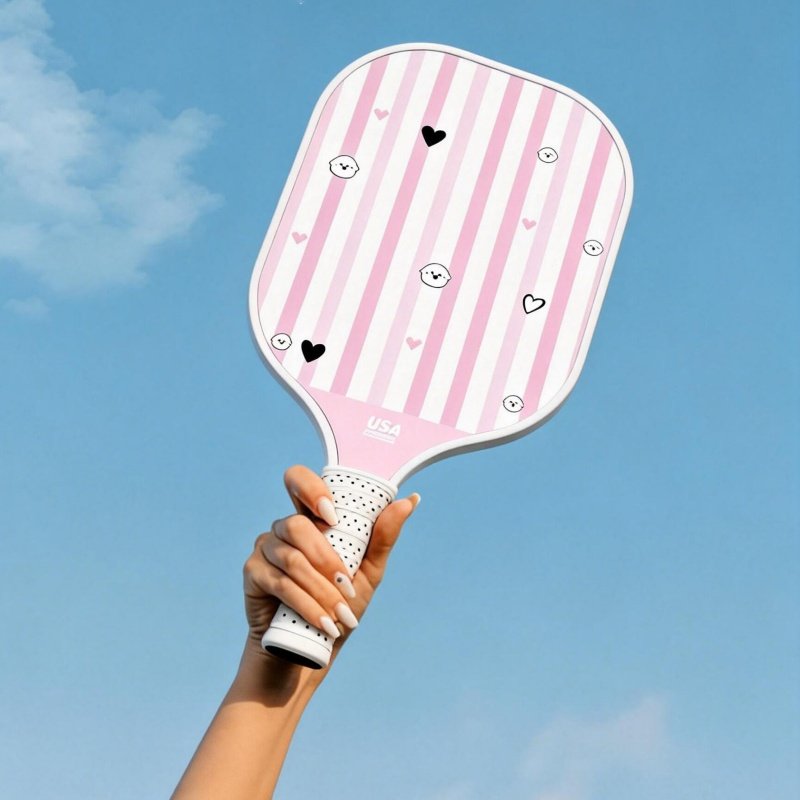
Choosing the right paddle feels confusing. Too many brands claim to be the best. You risk wasting money. I will break down what truly sets top brands apart.
The most popular pickleball paddle brands include Selkirk, JOOLA, Onix, and Paddletek brands1. They stand out due to innovation, player endorsements, material quality, and consistent performance across skill levels.
Let me guide you through what makes these brands popular and how you can choose the right paddle for your market or personal play.
What is the most popular pickleball paddle brand?

Many players feel overwhelmed by options. Every brand claims power and control. Without clear standards, it is hard to know who leads. I will clarify the market leaders.
Selkirk is often considered the most popular pickleball paddle brand due to strong brand recognition, wide product range, and professional endorsements. JOOLA closely follows with rapid growth and elite player partnerships.
Popularity does not come from marketing alone. It reflects trust, product performance, and community presence. Let us examine this deeper.
Market Leaders in Brand Recognition
In my experience as a manufacturer at NEX Pickleball, brand popularity depends on three factors: professional exposure, product consistency, and distribution strength.
Brands frequently mentioned in the U.S. market include:
- Selkirk
- JOOLA
- Onix
- Paddletek
- Engage
Among these, Selkirk has built strong brand loyalty. They invest heavily in U.S.-based production and player sponsorships.
Why Selkirk Leads in Popularity
| Factor | Selkirk | JOOLA | Onix |
|---|---|---|---|
| Brand Recognition | Very High | High | Moderate |
| Pro Sponsorships | Extensive | Extensive | Moderate |
| Innovation Speed | High | Very High | Moderate |
| Price Range | Mid to Premium | Premium | Mid |
Selkirk focuses on clean branding and American manufacturing. That builds trust. JOOLA, however, grows quickly due to high-level pro partnerships.
Dialectical View: Popular Does Not Mean Best for Everyone
Popularity often reflects strong marketing and sponsorship. But that does not always mean best performance for every player.
For example:
- Advanced players may prefer JOOLA for power.
- Control-focused players may lean toward Selkirk.
- Budget buyers may choose Onix.
As a manufacturer, I see how branding shapes perception. But long-term success depends on product quality and consistent innovation. That is the real lesson behind brand popularity.
What is the #1 pickleball paddle?
Players constantly ask for the single best paddle. But performance depends on skill level and playing style. There is no universal answer. Let us examine what earns a paddle top ranking.
The JOOLA Ben Johns Hyperion series paddle2 is frequently ranked as the #1 pickleball paddle due to its blend of spin, power, and professional endorsement. However, top ranking varies by playing style and preference.
The idea of a single “#1” paddle is attractive. But it deserves deeper analysis.
Why the JOOLA Hyperion Gets the Spotlight
The JOOLA Ben Johns Hyperion gained attention because it is used by top professional players. It features:
- Carbon friction surface for spin
- Thick core for control
- Elongated shape for reach
- Premium price positioning
Professional endorsement drives sales. That is a reality of the sports industry.
Comparing Top Contenders
| Paddle Model | Strength | Best For | Core Thickness |
|---|---|---|---|
| JOOLA Hyperion | Spin & Power | Advanced players | 16mm |
| Selkirk Vanguard | Control & Feel | All-court players | 16mm |
| Paddletek Tempest | Touch & Soft Game | Control players | 14.3mm |
The Real Question: #1 in What Category?
There is no single performance metric in pickleball. Players want:
- Power
- Control
- Spin
- Forgiveness
- Durability
One paddle cannot dominate every category.
From a manufacturing view, I always tell my clients that the best paddle depends on target customers. A retailer selling to beginners needs forgiveness. A competitive club may want spin and speed.
So instead of asking for #1 overall, we should ask: #1 for which player?
Which is better, Selkirk or JOOLA?
Many buyers compare Selkirk and JOOLA directly. The debate feels intense. Each brand has loyal fans. But the answer depends on what you value most.
Selkirk is often preferred for control and balanced play, while JOOLA is known for spin and aggressive performance. The better brand depends on playing style and personal preference.
Let us analyze both sides objectively.
Selkirk Strengths
Selkirk focuses on:
- Balanced feel
- Strong quality control
- American brand positioning
- Wide product range
They appeal to players who want consistency and reliability.
JOOLA Strengths
JOOLA brings:
- Aggressive carbon surfaces
- Strong spin generation
- Fast innovation cycles
- High-profile pro partnerships
They appeal to competitive players who want performance edge.
Side-by-Side Comparison
| Criteria | Selkirk | JOOLA |
|---|---|---|
| Control | Excellent | Very Good |
| Spin | Very Good | Excellent |
| Power | Balanced | Strong |
| Innovation Speed | Moderate | Fast |
| Brand Image | Premium & Stable | Elite & Aggressive |
Dialectical Analysis: Stability vs Innovation
Selkirk represents stability. They refine gradually. JOOLA represents speed. They innovate quickly.
But fast innovation can bring risk. Rapid design changes sometimes lead to durability debates. Stability can mean slower adaptation.
As a manufacturer, I see value in both strategies. Long-term trust comes from consistent quality. Market growth often comes from bold innovation.
So the better brand is not universal. It depends on whether a player values steady performance or cutting-edge features.
What is the most forgiving pickleball paddle?
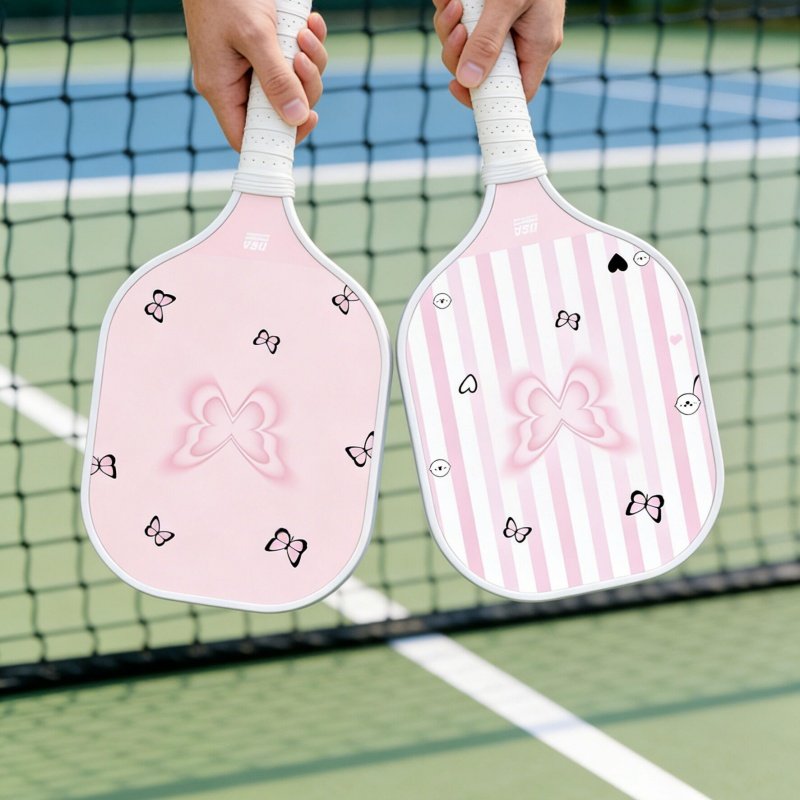
Beginners often struggle with mishits. Small sweet spots cause frustration. Poor forgiveness slows improvement. Choosing the right paddle can change the learning curve.
The most forgiving pickleball paddles typically have thicker cores (16mm), larger sweet spots, and wider paddle shapes3. Models from Selkirk, Paddletek, and Onix are often recommended for forgiveness.
Forgiveness deserves deeper technical understanding.
What Makes a Paddle Forgiving?
Forgiveness depends on:
- Core thickness
- Paddle shape
- Weight distribution
- Surface material
Thicker cores absorb shock. Wider bodies expand the sweet spot.
Technical Factors Explained
| Feature | Impact on Forgiveness |
|---|---|
| 16mm Core | Larger sweet spot |
| Wide Body Shape | Easier contact consistency |
| Polypropylene Core | Better shock absorption |
| Midweight (7.8–8.2 oz) | Balanced stability |
Control vs Power Trade-Off
Forgiving paddles usually sacrifice some raw power. Why?
- Thicker cores reduce trampoline effect
- Wider shapes reduce swing speed
- Softer feel absorbs energy
This creates a key balance question. Do you want immediate power or consistent accuracy?
From my production experience at NEX Pickleball, most recreational players benefit more from forgiveness than power. Confidence builds skill. Skill later builds power.
Dialectical View: Forgiveness Evolves With Skill
A beginner needs:
- Large sweet spot
- Lower vibration
- Predictable control
An advanced player may prefer:
- Smaller sweet spot
- Faster swing
- More spin control
So the most forgiving paddle is not permanent. It changes with development stage.
As a supplier, I always advise our partners to segment products clearly. Entry-level paddles should focus on comfort and stability. Performance paddles should emphasize spin and precision.
Understanding forgiveness is not just about comfort. It is about matching paddle design to player psychology and development stage.
Conclusion
Popularity matters, but paddle choice depends on playing style, skill level, and performance priorities.