Skip to content

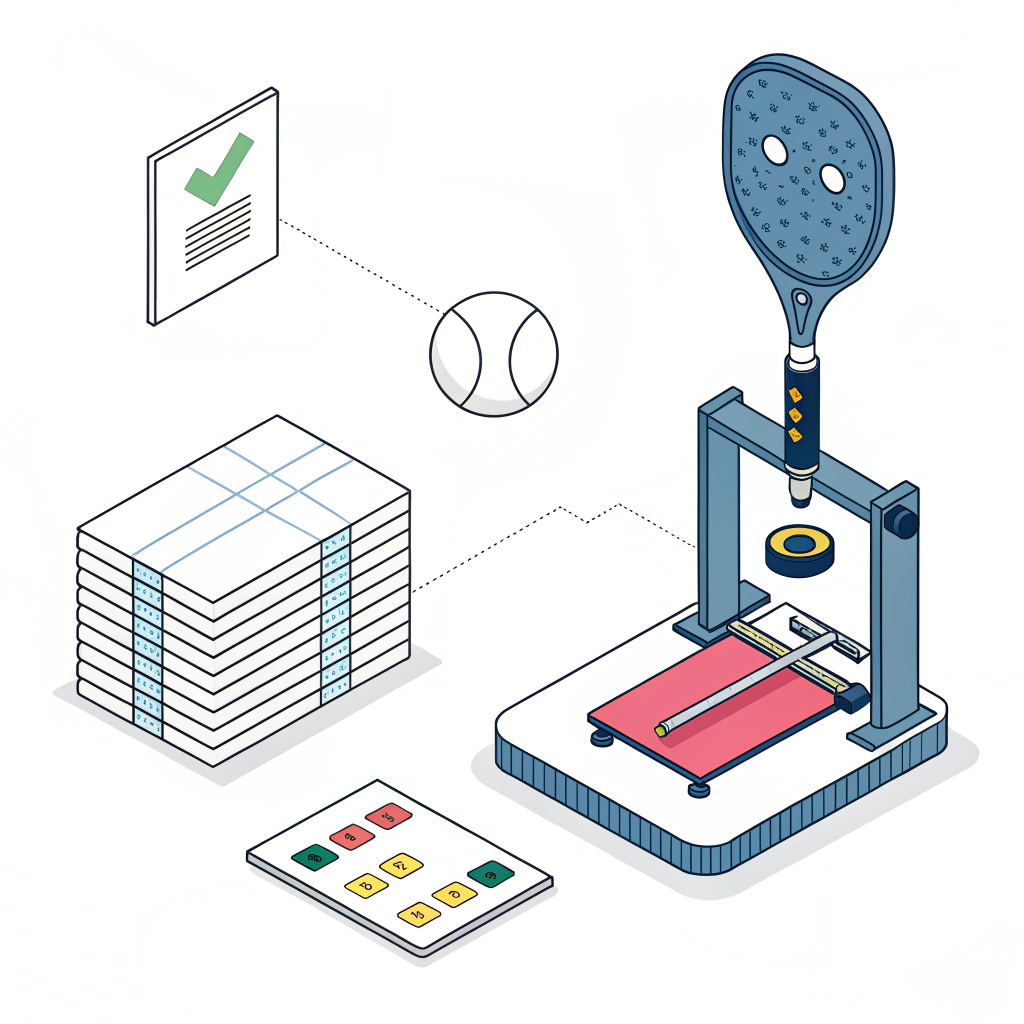
Quick answer: This guide summarizes the practical quality assurance (QA)1 and testing requirements B2B buyers should require from a paddle OEM—covering hot pressing2, cold pressing, thermoforming, core/material checks, sampling plans (AQL3), test protocols, traceability, and USA Pickleball certification steps—so you can compare suppliers, reduce risk, and build a reliable pilot-to-production plan.
Problem: why a formal paddle QA program matters
- Pickleball paddles are complex assemblies: face material, core structure, adhesive bonds, edge finishes, grip and on-demand print. Small differences in materials or process create large differences in feel, durability, and liability.
- For a procurement manager, the risks are product returns, field failures, brand damage, and certification non-compliance. You need measurable acceptance criteria and a supplier QA workflow that documents every lot.
Why failures happen (root causes)
- Material variance: Carbon fiber layup or foam density inconsistent; no COA for batches.
- Process drift: Pressing temperature/pressure or cure time outside control limits leading to delamination or inconsistent rebound.
- Poor bonding: Inadequate adhesive curing between face and core.
- Post-process damage: Edge tape applied improperly; grip installation or print cured incorrectly.
- Lack of traceability: Can't isolate bad lots or recall specific batches.
Recommended QA framework (high level)
-
Supplier capability checklist (pre-contract)
- Material COAs4 for each lot: resin, carbon/fiberglass weave, core material (polymer/Al honeycomb/Nomex).
- Process capability data (Cp/Cpk5) for key parameters: pressing temp, pressure, cycle time, thickness tolerance.
- In-house test labs and calibrated fixtures for impact, compression, and abrasion tests.
- USA Pickleball approval support (if required) and experience with certification submissions.
- Batch traceability systems and serialized lot codes.
-
Define your product acceptance specification (PAS)
- Mechanical targets: weight ± g, balance point ± mm, face stiffness, core compression and rebound.
- Durability targets: impact resistance, delamination tolerance, surface abrasion, print rub resistance.
- Functional tests: spin/serve consistency, paddle face flatness, handle torque resistance.
- Cosmetic limits and AQL by defect type.
-
Pilot-run QA and qualification
- Run a pilot batch (recommended 500–1,000 units) with full test battery and production data logging.
- Approve process parameters and control charts before volume ramp-up.
-
Ongoing lot QA
- Incoming material QI, in-process controls, final inspection, and retention samples for each lot.
- Statistical sampling plans and AQL for critical/major/minor defects (see Sampling Plan below).
- Quarterly supplier audits and yearly requalification.
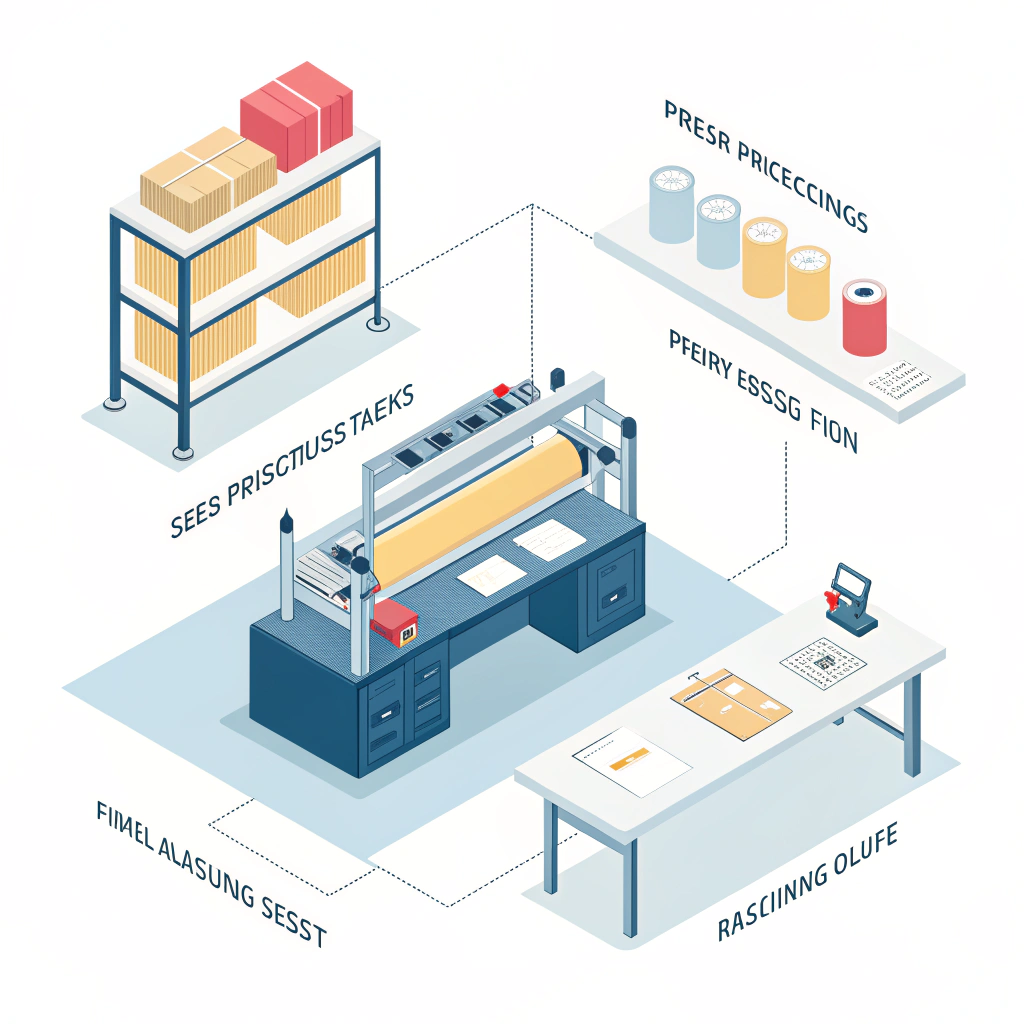
Practical test protocol table (apply these to pilot and then sample-by-lot as indicated)
| Test | Purpose | Method (recommended) | Suggested Acceptance Criteria | Frequency |
|---|---|---|---|---|
| Drop/Impact Resistance | Detect face/core delam, cracking | Drop-weight or pendulum impact at controlled energy (e.g., 5–15 J depending on paddle class) | No visible cracks/delamination; retained playability after 3 impacts | Pilot: 100% test of acceptance samples; Lot: sample 5–10 per 1,000 |
| Core Compression & Rebound | Evaluate energy return and hardness | Instron compression test on core sandwich; measure peak force and rebound height | Core compression within ±10% of spec; rebound within ±15% | Pilot: 20 samples; Lot: 5 samples |
| Torsional Rigidity | Ensure control/stability | Apply known torque at handle axis; measure face twist (deg) | Twist ≤ X degrees at Y Nm (set per model) | Pilot and periodic lot checks (5 samples) |
| Surface Abrasion | Measure wear and spin retention | Taber abrasion or custom sand/rotary abrasion then measure depth and spin change | <0.5 mm material loss after N cycles; spin reduction <10% | Pilot and lot random sampling |
| Bond/Delam Test | Adhesive integrity | Peel/delam test per ASTM-like protocol | No interfacial peel greater than 5 mm under specified load | Pilot: 20; Lot: 5 |
| On-Demand Print Durability | Durability of transferred graphics | Rub test (ISO 6310), UV fade, hot/cold climate cycling | Rub rating ≥3/5; ΔE color change <5 after defined cycles | Pilot and lot spot checks |
| Balance & Weight | Conform to spec | Precision scale and balance jig | Weight ±3 g; balance point ±5 mm | Each unit at final inspection for high-end SKUs; sample for mass SKUs |
| Handle Pull/Shear | Safety and reliability | Tensile/shear test on handle assembly | No failure below threshold (e.g., >50 N for handle pull) | Pilot & lot (destructive sample size 3–5) |
Notes:
- Numeric values above (e.g., energy levels, mm tolerances) should be agreed between buyer and OEM per model. They represent typical OEM targets and must be tailored based on your product positioning (recreational vs pro).
- Ensure all test fixtures are calibrated to traceable standards; include certificate of calibration in supplier documentation.
Sampling plan & AQL guidance
- Use ANSI/ASQ Z1.4 (or ISO 2859-1) inspection tables to set sample sizes. For most paddle lots, use Level II general inspection as a baseline. Scale up to Special Level for final approvals.
- Suggested AQL by defect type (typical OEM targets):
- Critical defects (safety/certification failure): AQL 0.65 or zero tolerance (reject batch).
- Major defects (functional failures like delam, broken cores): AQL 1.0.
- Minor defects (cosmetic scratches, slight color variance): AQL 2.5–4.0.
- Example sampling (Level II, lot size 1,001–3,200): sample ~80 units; acceptance numbers per AQL table.
- For high-value pro paddles, require tighter sampling (double sample size) and reduced AQLs.
In-line production QC workflow (daily operations)
- Incoming inspection (IQC)
- Verify COAs for resins, fiber fabrics, core sheets; test random material thickness/weight.
- Record lot numbers and assign internal batch ID.
- Pre-press setup verification
- Confirm press temperature, pressure, cycle time; log readings and Cp/Cpk if monitored.
- In-process checks (first-article & periodic)
- Thickness gauge, weight, cure indicator strip check, adhesive spread verification.
- Edge tape application inspection and grip torque test.
- Post-process functional checks
- Visual inspection, weight/balance check, dynamic tests on sample set (impact, compression).
- Final inspection (FQC)
- Cosmetic check by AQL sampling, serial numbers/lot code applied, packaging inspection.
- Pack & release
- Release only after required test results are documented and signed off.
- Retention sample
- Retain at least 1% or minimum 10 units per lot for 12 months for field claim analysis.
Recordkeeping: All data (IQC, in-process, FQC, calibration) to be stored with lot ID and available to buyers on request.

Failure Mode & Effects Analysis (FMEA) – practical examples
- Failure mode: Face delamination
- Causes: Under-curing, inadequate adhesive, foreign contamination.
- Effects: Reduced playability, visible gaps.
- Controls: Cure time/temp control, adhesive COA and batch testing, peel tests on each lot.
- Failure mode: Core crush or break
- Causes: Incorrect honeycomb density, incorrect press pressure.
- Controls: Incoming density checks, compression tests, press parameter SPC.
- Failure mode: Print fade/peel
- Causes: Inadequate curing, incompatible inks, poor surface pretreatment.
- Controls: Rub/UV tests, adhesion tests, sample wear testing.
Use FMEA to prioritize controls—assign severity, occurrence and detectability scores and set risk priority thresholds.
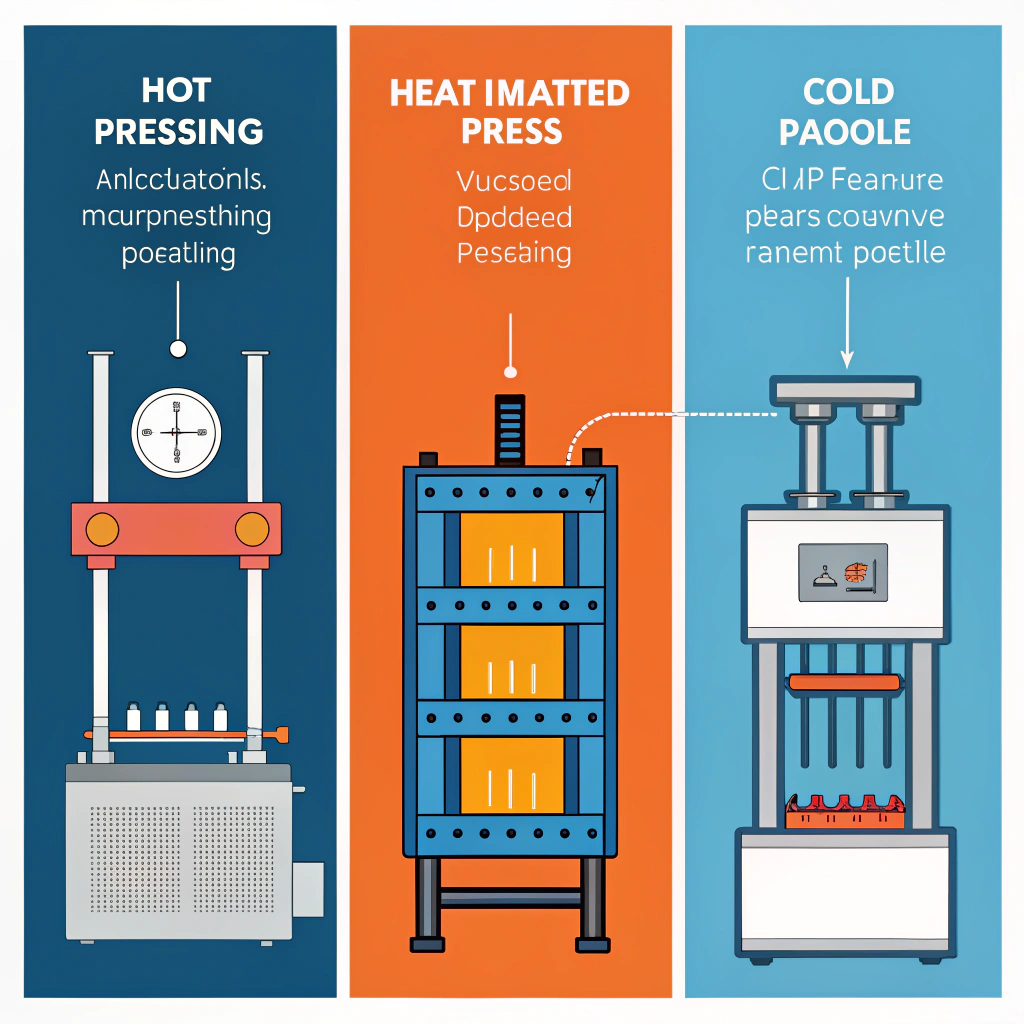
Process choice: Hot pressing vs Cold pressing vs Thermoforming (QA implications)
| Process | Key QA Impacts | Best for |
|---|---|---|
| Hot pressing | High throughput; stable bonding for large runs; requires precise temp control; heat can alter resin properties—need thermal profiling and SPC | Large-volume, high-strength paddles |
| Cold pressing | Preserves material properties and feel; tighter control over thickness and layup; longer cycle time and more sensitive to pressure variation | High-control, premium feel paddles |
| Thermoforming | Good for complex shapes and variable thickness; requires mold control and longer cycles; QA must monitor temperature distribution and mold wear | Custom shapes and premium small runs |
QA recommendation: Match process to SKU. For pro-level SKUs where feel and responsiveness are critical, require cold-press qualification data (Cpk and functional test results). For high-volume SKUs, require hot-press process capability and additional long-run stability tests.
Certification, compliance & labeling
- If you require USA Pickleball approval / certification, include this in the contract: specify who handles the approval submission, who pays fees, and sample retention requirements.
- Confirm paddle area, shape, and surface play characteristics align with certification requirements. Ask supplier for past certification dossiers.
- Require material compliance documents where relevant (RoHS, REACH for inks/resins if selling in EU).
- For on-demand print services, specify ink VOC limits and dishwasher/abrasion durability.
Cost, lead time & warranty trade-offs (practical guidance)
- Tighter QA and stricter acceptance criteria increase unit cost and lead time (more testing, larger pilot runs).
- Typical ramp approach:
- Small pilot (500–1,000 units) with full testing and process validation.
- Limited production run (5k–10k) with tightened SPC and increased sampling.
- Full production with ongoing lot testing and quarterly audits.
- Warranty terms: Link warranty duration to QA evidence. For example, offer 12–24 month warranty but require buyer to use specified QC acceptance and sample retention to process claims.
What to require in the contract / tech pack (actionable checklist)
- Complete PAS: weight, balance, dimensions, material callouts, foam density, face layup schedule.
- Required tests and acceptance criteria (see Test Protocol table).
- Sampling plan and AQL per defect class, with reference to ANSI/ISO standard.
- Traceability: raw material lot IDs, production batch codes, date/time stamps.
- Calibration: supplier to provide calibration certificates for test fixtures yearly.
- Pilot acceptance criteria and definition of "approved process."
- Warranty & failure analysis procedure: supplier to return failed units and provide root cause report within X days.
- Right to audit and request data within 48 hours.
Case example (typical OEM workflow)
- Brand runs pilot 1,000 units with NEX Pickleball:
- Incoming COAs verified; first-article functional tests executed (impact, compression, print rub).
- Process parameters adjusted after SPC flagged press temp drift; Cpk improved from 0.9 to 1.4.
- Final pilot batch met all acceptance criteria; product approved and production ramped to 20k/month with ongoing 1% lot sampling and quarterly audits.
Summary & recommended next steps (buyer action plan)
- Define your PAS and required tests before RFQ. Include target numeric ranges for weight, balance, impact tolerance and print durability.
- Require supplier to provide COAs, Cp/Cpk data for pressing, equipment list, and calibration records.
- Run a structured pilot (500–1,000 units) with the full test battery and a signed process approval before scaling.
- Use ANSI/ISO sampling plans with recommended AQLs (critical 0.65, major 1.0, minor 2.5) and retain 1% samples per lot for 12 months.
- Contractually require traceability, root-cause reporting timelines, and audit rights.
If you want, NEX Pickleball can provide a tailored QA package: pilot planning, test fixtures, process capability studies, and USA Pickleball submission support—reducing your time-to-market and downstream risk.
People Also Ask
Does the quality of pickleball paddles matter?
Yes. Paddle quality affects durability, player experience, and liability. Differences in materials (carbon fiber types, fiberglass, honeycomb cores), manufacturing process (hot press, cold press, thermoforming), and QC rigor create large performance and longevity gaps. For B2B buyers, requiring material COAs, process capability data, and defined acceptance tests helps ensure consistent quality and minimize field failures.
-
quality assurance (QA): Read this to learn how to specify a vendor-facing QA program (acceptance criteria, lot workflows, documentation and audit requirements) so buyers can reduce supplier risk and enforce consistent quality. ↩
-
hot pressing: Read this to understand hot-press process mechanics, thermal profiling needs, SPC considerations, and how heat affects resin/fiber properties—critical when specifying process capability for high-volume paddles. ↩
-
AQL: Read this to learn how ANSI/ISO sampling tables work, how to choose inspection levels, and how to set critical/major/minor AQLs for lot acceptance and contractual inspection plans. ↩
-
Material COAs: Read this to see what a certificate of analysis should include (resin properties, fabric specs, foam density, batch IDs) and how to use COAs for incoming inspection and traceability. ↩
-
Cp/Cpk: Read this to understand process capability metrics (Cp vs Cpk), how to interpret target thresholds, and how to use capability data in supplier qualification and SPC programs. ↩