Skip to content

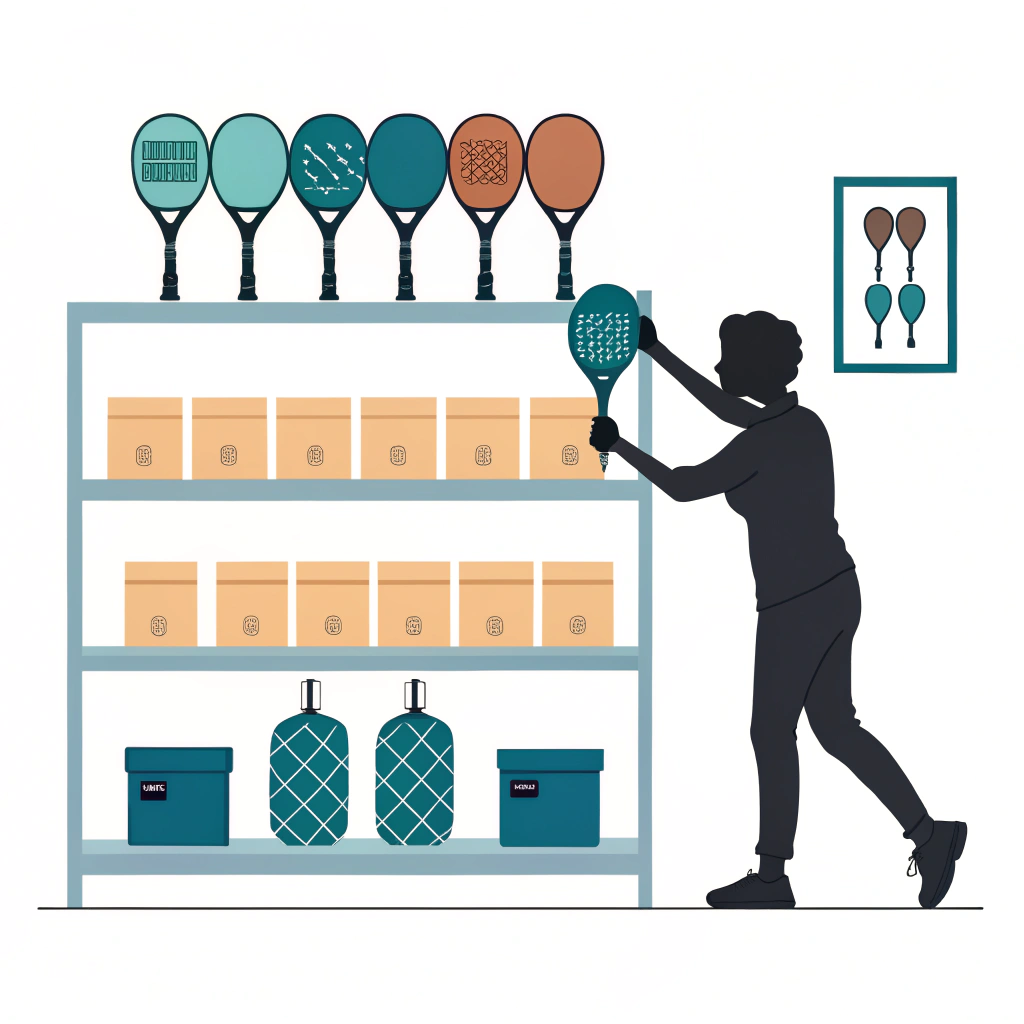
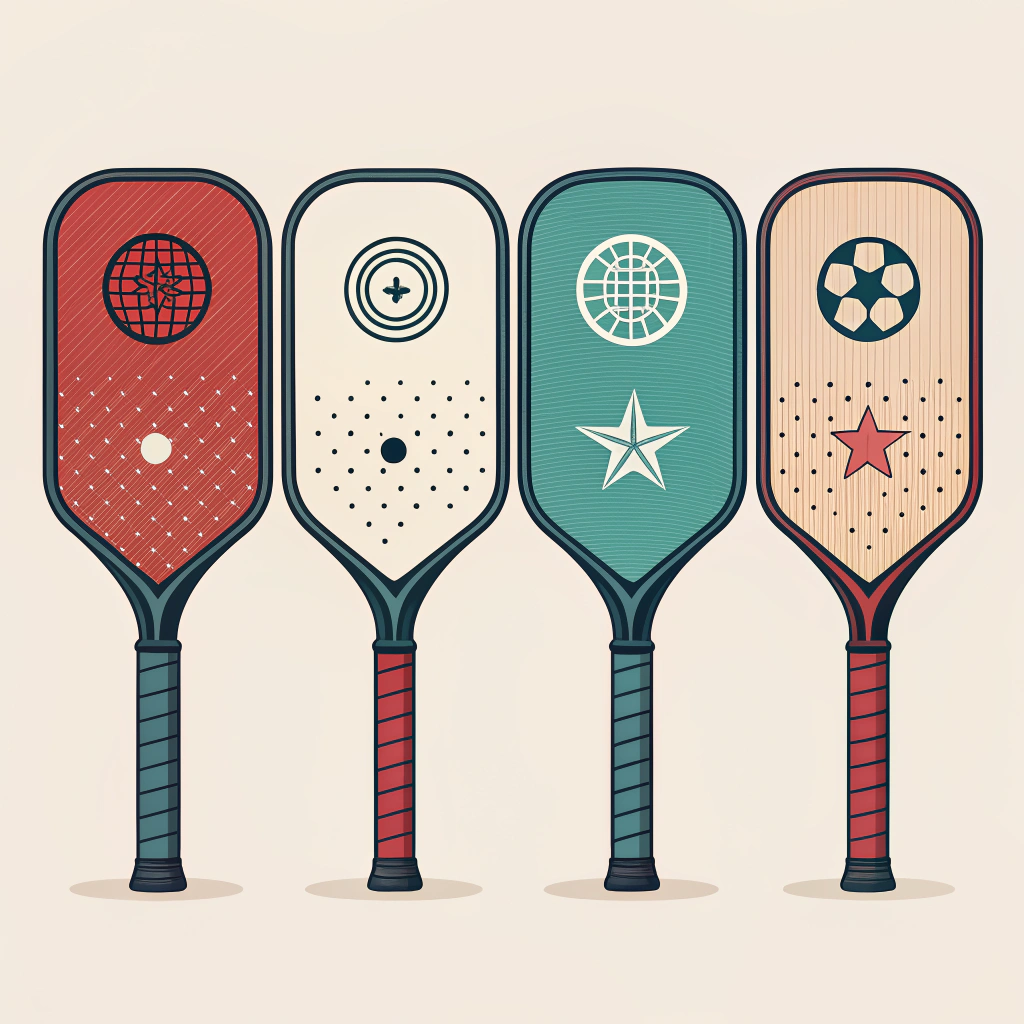
Pickleball performance suffers when using the wrong paddle for the environment. The solution lies in understanding what makes paddles ideal for indoor or outdoor play.
Indoor and outdoor pickleball paddles differ mainly in materials, surface texture, and design1, which affect power, control, and durability in different environments.
The wrong paddle can impact gameplay quality. Let’s explore how to choose the right one for your setting.
What is the difference between indoor and outdoor pickleball paddles?
Indoor and outdoor paddles look similar, but each is built for different conditions. Using one in the wrong setting can hurt your performance.
Outdoor paddles are designed for more power and durability, while indoor paddles offer better control and finesse.
Paddle Design for Conditions
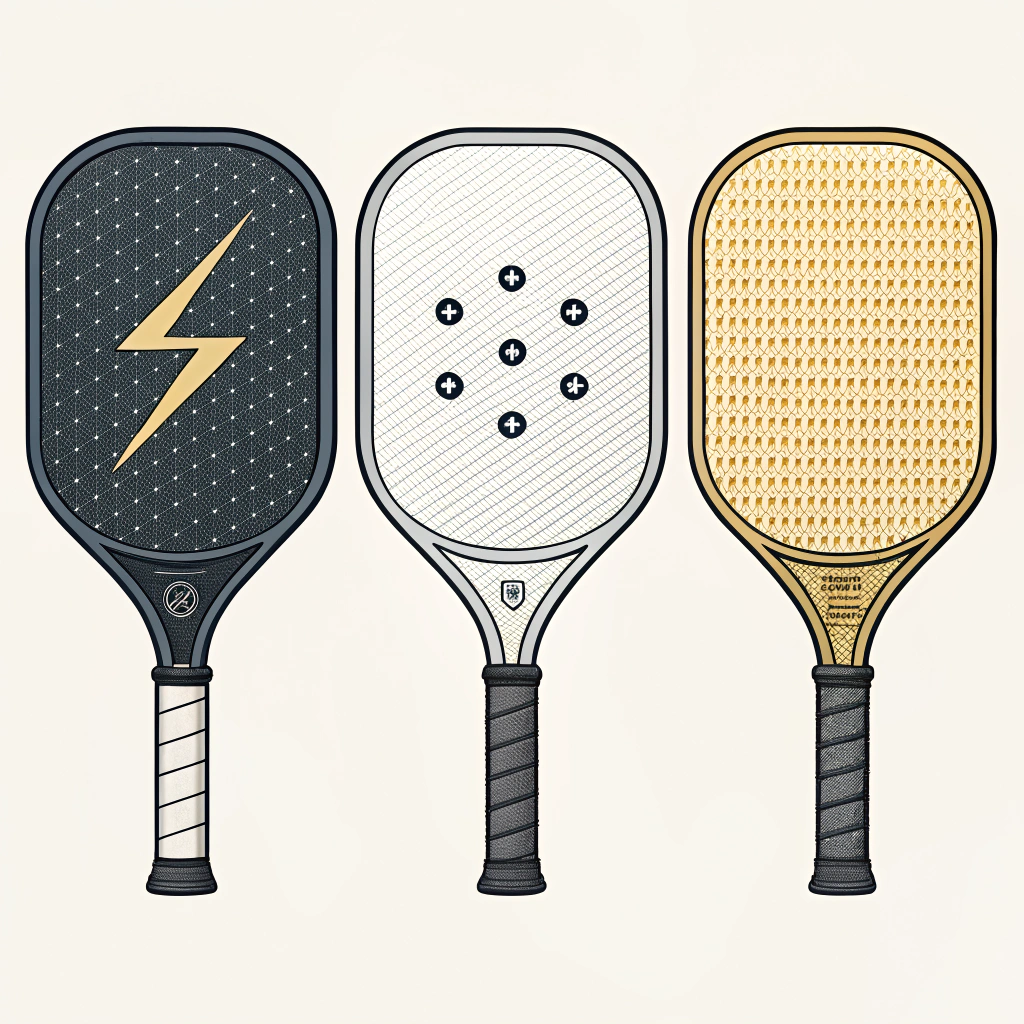
Outdoor play exposes paddles to harder balls, UV light, and wind. This requires stiffer cores, textured surfaces, and more durable edge guards. Indoors, smoother surfaces and lighter builds work better for softer balls and more controlled play.
| Feature | Indoor Paddle | Outdoor Paddle |
|---|---|---|
| Surface Texture | Smoother for control | Textured for spin and grip |
| Core Material | Polymer or softer composites | Denser polymer or nomex cores2 |
| Weight Range | Often lighter | Often heavier |
| Durability Focus | Moderate (less exposure to elements) | High (sun, wind, harder courts) |
Usage Efficiency
I’ve tested paddles across settings. Outdoors, I rely on a paddle with added grit and a stiff core. Indoors, I switch to a lighter, control-focused paddle that lets me place shots with more precision.
Is indoor pickleball different from outdoor pickleball?
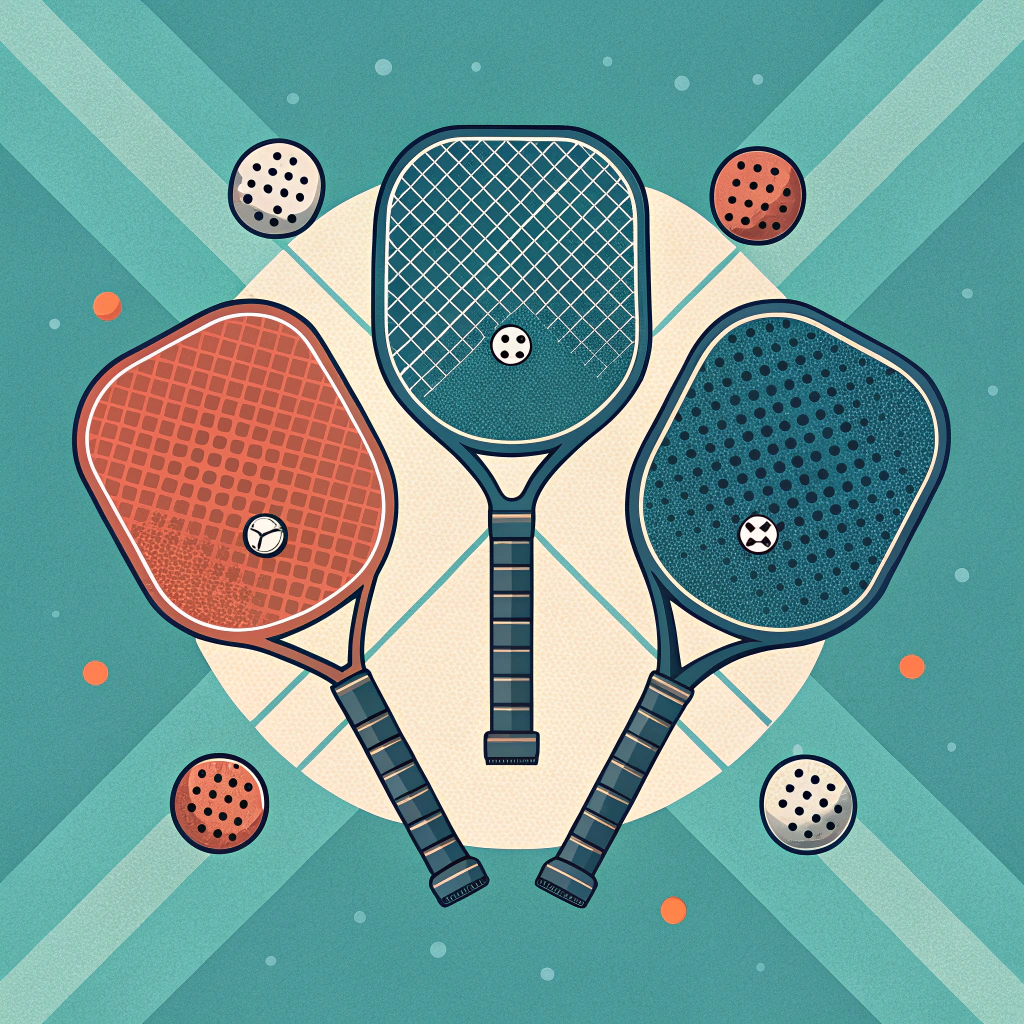
Even though the rules are the same, indoor and outdoor pickleball feel completely different. Conditions influence paddle response, ball speed, and player movement.
Indoor pickleball is more controlled and technical, while outdoor play is faster and more affected by elements like wind and sunlight.
Environmental Differences
Outdoor games deal with wind, sun, and rougher court surfaces. Indoors, lighting, acoustics, and a smoother floor surface change everything—from shot timing to movement.
| Aspect | Indoor Pickleball | Outdoor Pickleball |
|---|---|---|
| Ball Type | Lighter balls with larger holes3 | Heavier, smaller holes |
| Game Speed | Slower, more strategic | Faster, more reactive |
| Weather Impact | None | Major (wind, heat) |
| Shot Style Focus | Placement and finesse | Power and consistency |
Paddle Response in Settings
Personally, I adjust my strategy depending on where I play. Indoors, I play softer and place the ball. Outdoors, I prepare for speed and spin, choosing a paddle with grit and weight that matches the pace.
Are there indoor pickleball paddles?
Yes, there are paddles designed specifically for indoor pickleball, optimized for finesse, precision, and softer ball response.
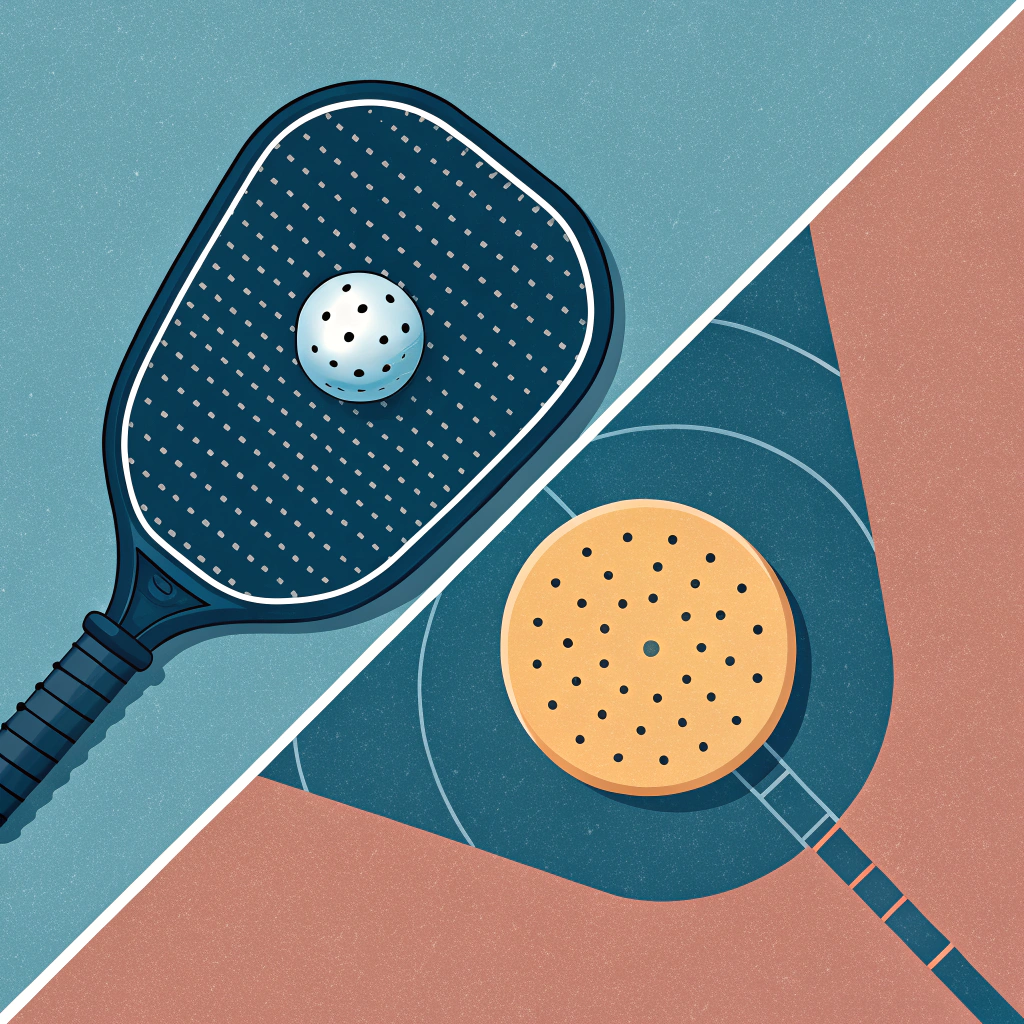
Indoor pickleball paddles are crafted for softer balls and controlled play, featuring smoother surfaces and lighter cores.
Understanding Indoor Paddle Engineering
Indoor paddles usually emphasize soft touch and control. The ball is lighter, and the game calls for accuracy, not just speed.
| Paddle Characteristic | Indoor Paddle Specification |
|---|---|
| Surface | Smooth fiberglass or graphite |
| Core Type | Soft polymer core |
| Average Weight | 7.2 oz – 7.6 oz paddle weight range4 |
| Noise Level | Quieter (better for gyms or shared use) |
Why I Use an Indoor-Specific Paddle
I’ve developed indoor-specific paddle options for clients who play in schools, clubs, or gymnasiums. The need for precise placement, quieter play, and lighter handling makes a tailored paddle worth the investment.
Is there a real difference in pickleball paddles?
Absolutely. Paddle differences go beyond just branding—they change how the game feels, especially between indoor and outdoor use.
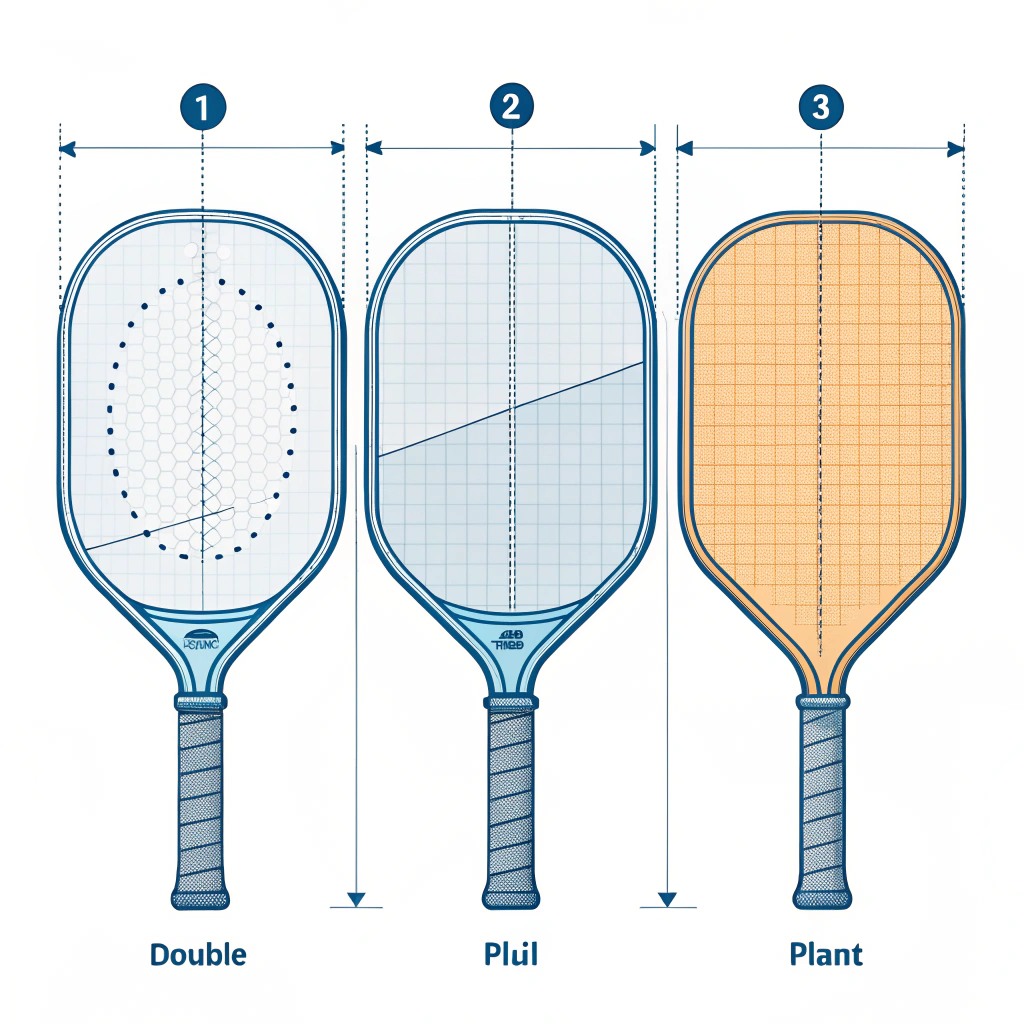
Real differences in paddles affect power, control, durability, and comfort depending on core density and surface design5.
Material and Performance Impact
Here’s where materials really matter. Even subtle changes in paddle face texture or core thickness affect how the paddle plays and feels.
| Paddle Element | Impact on Performance |
|---|---|
| Core Density | Affects power and vibration control |
| Surface Material | Influences spin, grip, and feel |
| Edge Guard Thickness | Enhances durability but adds weight |
| Handle Shape | Changes wrist movement and shot type |
Matching Paddle to Playing Style
I always recommend paddles based on play environment and style. Understanding these differences gives players a real competitive edge.
Conclusion
Indoor and outdoor paddles differ in texture, weight, and performance. Choose the right one to maximize control, power, and durability.
-
Understand how materials and surface design influence paddle performance in different playing environments. ↩
-
Learn why denser polymer and nomex cores improve durability for outdoor pickleball. ↩
-
Discover how indoor and outdoor pickleball balls differ and why it affects gameplay. ↩
-
See why paddle weight ranges matter for control, fatigue, and indoor play. ↩
-
Learn how core density and surface design change power, feel, and comfort. ↩