Skip to content

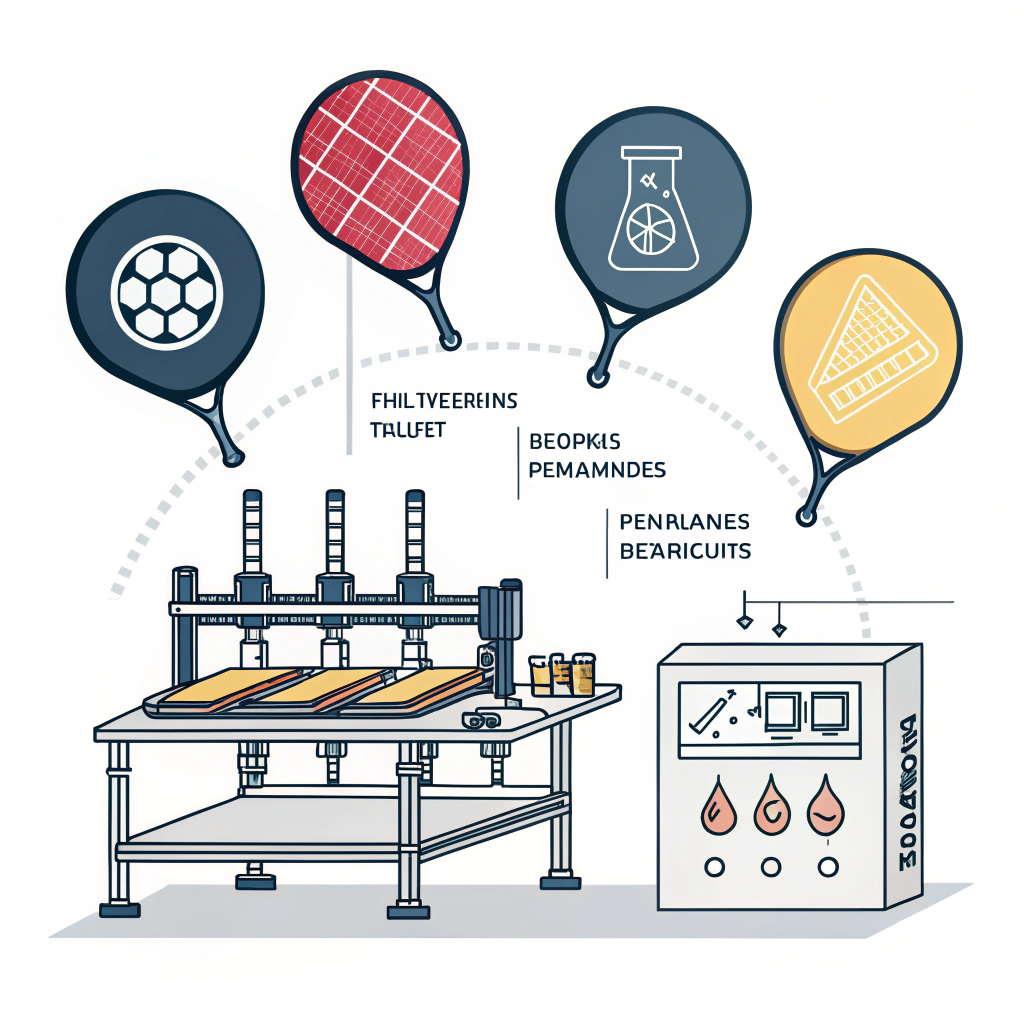
Custom manufacturing for high-performance pickleball paddles relies on selecting the right materials and production processes to meet market demands. In short, by carefully choosing from advanced methods like hot pressing1, cold pressing2, and thermoforming3 and pairing them with premium materials such as carbon fiber, fiberglass, and composite cores, procurement professionals can ensure both durability and excellence in play performance.
The challenge many sports equipment manufacturers and procurement managers face is balancing customization, performance, and production efficiency. With increasing competition in the pickleball industry, there is an urgent need for suppliers who not only offer high-quality paddles but also provide flexibility in design and material selection. Custom manufacturing enables distributors to differentiate their product line by offering paddles engineered for specific performance attributes, whether that’s enhanced power, better control, or improved durability.
Modern pickleball players demand paddles that maximize performance through a combination of strength, weight balance, and ergonomic design. For product development or procurement managers, understanding the intricacies of manufacturing processes is essential. Custom manufacturing not only addresses these performance requirements but also ensures that unique branding and quality standards are met. Factors driving this need include:
• Elevated customer expectations: Today's players expect expert craftsmanship and fine-tuned performance tailored to their style of play.
• Competitive market dynamics: Differentiated products can capture market share in a crowded sport equipment field.
• Technical complexities: The interplay between material properties and production processes directly influences the final product performance.
A thorough evaluation of production methods and materials is critical. The three main production processes employed in manufacturing pickleball paddles are hot pressing1 (see above), cold pressing2 (see above), and thermoforming3 (see above). Each process offers unique benefits and drawbacks, and the selection depends largely on the intended paddle characteristics and production volume.
Hot pressing involves heating and applying consistent pressure on the materials to form the paddle.
• Advantages:
– High production efficiency ideal for large-scale manufacturing.
– Creates robust paddles with excellent impact resistance and structural integrity.
– Suitable for high-performance paddles where durability is paramount.
• Disadvantages:
– Heat can alter material properties, potentially affecting the tactile feel of the paddle.
– Requires substantial equipment investment.
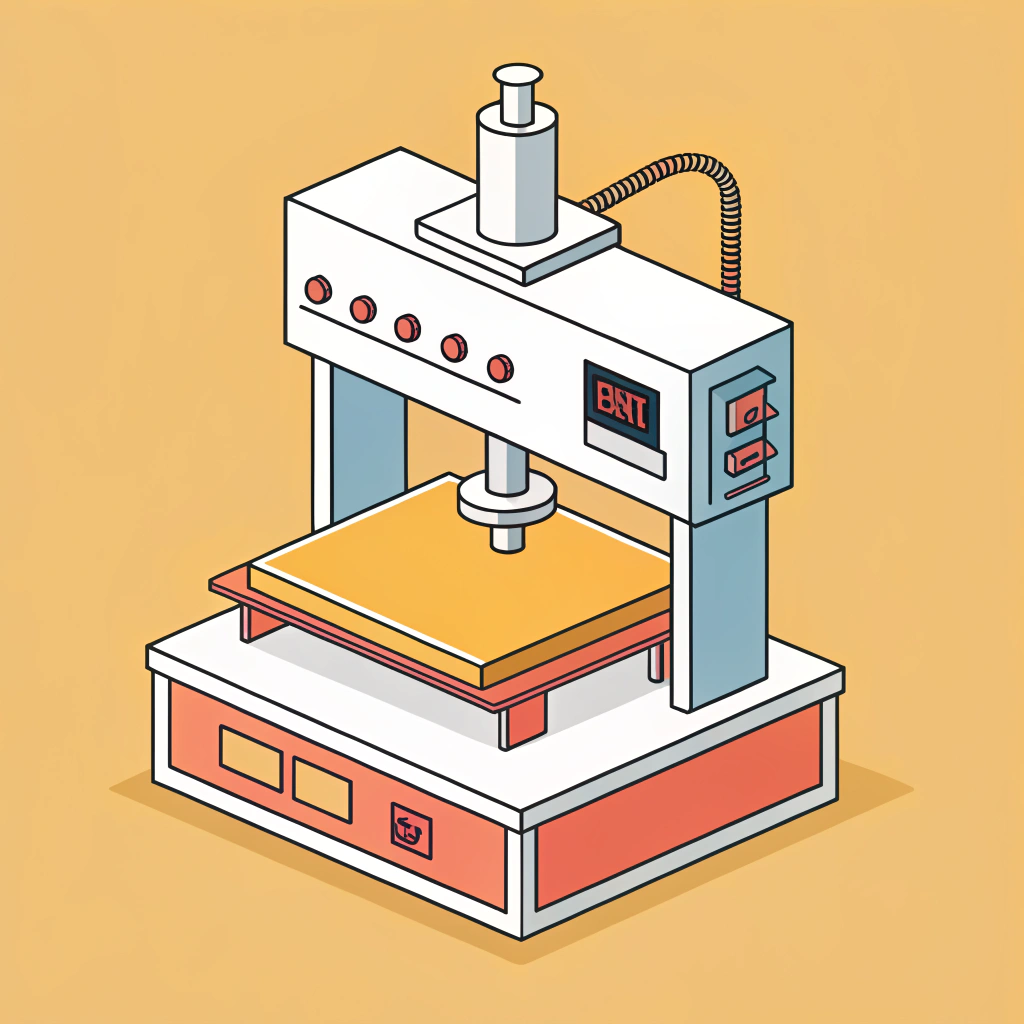
Cold pressing shapes the paddle material at room temperature using mechanical pressure.
• Advantages:
– Enables precise control over paddle thickness and structural features.
– Maintains the inherent characteristics of the raw materials, ensuring optimal ball feel.
– Usually results in paddles that offer superior control and comfort for players.
• Disadvantages:
– Production cycles tend to be longer compared to hot pressing.
– Needs advanced equipment for precise pressure control, impacting cost efficiency.
Thermoforming heats the material until it reaches a soft state, allowing it to be molded into complex shapes with the help of specialized molds.
• Advantages:
– Provides the ability to create intricate designs with exact material distribution.
– Enhances paddle stability and performance due to uniform material characteristics.
– Ideal for producing premium or custom paddles where design flexibility is critical.
• Disadvantages:
– Longer production times can affect overall throughput.
– Higher equipment costs make it more suited for premium or low-run custom productions.
To summarize these processes, consider the following table:
| Production Process | Key Advantages | Potential Limitations |
|---|---|---|
| Hot Pressing | High strength, fast production, robust build | Material alteration due to heat, high equipment cost |
| Cold Pressing | Precise control, intact material properties | Slower cycles, demands highly accurate machinery |
| Thermoforming | Complex designs, optimal material distribution | Longer production time, higher cost for premium editions |
The choice of materials is just as pivotal as the production method in determining the final performance of pickleball paddles. Manufacturers like NEX Pickleball utilize a variety of high-quality components to ensure that every paddle has a competitive edge.
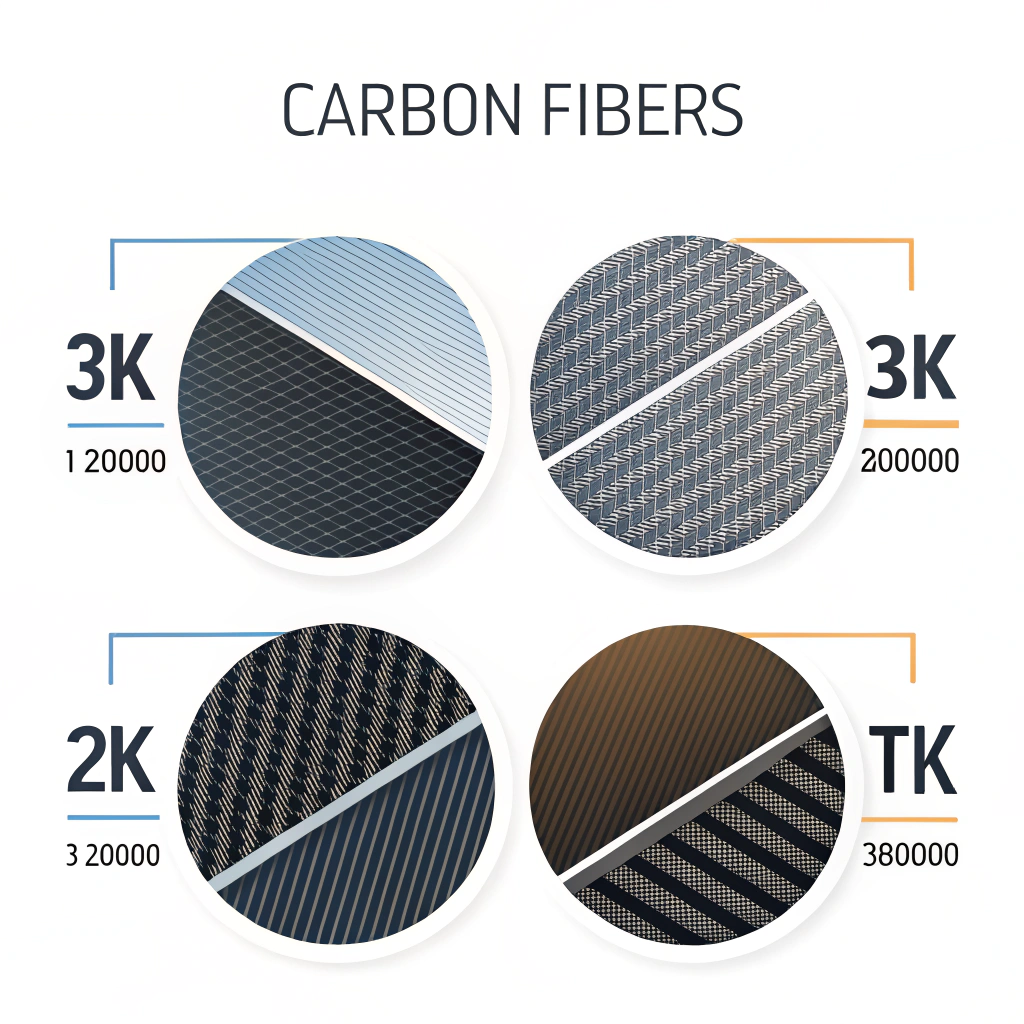
3K Carbon Fiber, 12K Carbon Fiber, and T300 Carbon Fiber have distinct properties that affect power, durability, and rebound force.
• 3K Carbon Fiber: Ideal for paddles requiring flexibility and reduced vibration; its strength supports high rebound forces commonly sought in competitive play.
• 12K Carbon Fiber: Offers a smoother surface due to its higher thread density, which improves hardness and impact resistance, making it perfect for precision play.
• T300 Carbon Fiber: Renowned for its tensile strength, this fiber offers a balanced combination of weight and strength, suitable for players seeking both power and maneuverability.
Fiberglass, especially E-Glass Fiberglass, has its own niche. This material provides a broad sweet spot and better ball control, making it a preferred choice for paddle designs targeting recreational as well as competitive players.
Composite options, including carbon fiber and fiberglass mixtures, combine the best of both worlds:
• Carbon Fiber and Fiberglass Composite: These paddles deliver both strength and flexibility, offering a balanced performance ideal for versatile gameplay.
• Bamboo Core Composite: Lightweight and impact resistant, bamboo cores give a distinct “hitting” feel that is appreciated by many amateur players.
• Honeycomb Core Materials: Manufactured from high-density polymers or pulp, honeycomb cores provide excellent shock absorption. This material reduces vibration and extends paddle life, crucial for high-intensity play.
The core of the paddle determines its overall tactile response and durability. Options include:
• Nomex Honeycomb Core4: Provides top-tier shock absorption, ensuring paddle resilience even under repeated high-impact conditions.
• Aluminum Honeycomb Core: Offers balanced weight distribution ideal for players needing a mix of power and control.
• Polymer Honeycomb Core: Enhances elasticity and reduces vibrations, making it a favorite among players focused on comfort and extended play.
At NEX Pickleball, every manufacturing step is governed by rigorous quality control protocols. Advanced production techniques are paired with stringent testing procedures to uphold performance standards. Manufacturers use state-of-the-art equipment to control factors like material thickness, surface texture, and weight distribution. This level of precision is particularly critical for custom manufacturing where even slight variations can affect paddle performance.
For procurement managers, the ability to custom-tailor product features can be a distinct competitive advantage. Some key customization options include:
• Tailoring the paddle’s weight and balance for different player styles.
• Custom grip sizes to suit ergonomic requirements.
• Personalized surface textures to enhance ball spin and control.
• OEM printing services for team branding or direct-to-consumer personalization.
Such options not only cater to diverse market needs but also allow businesses to create unique product differentiation in a saturated sports equipment landscape.
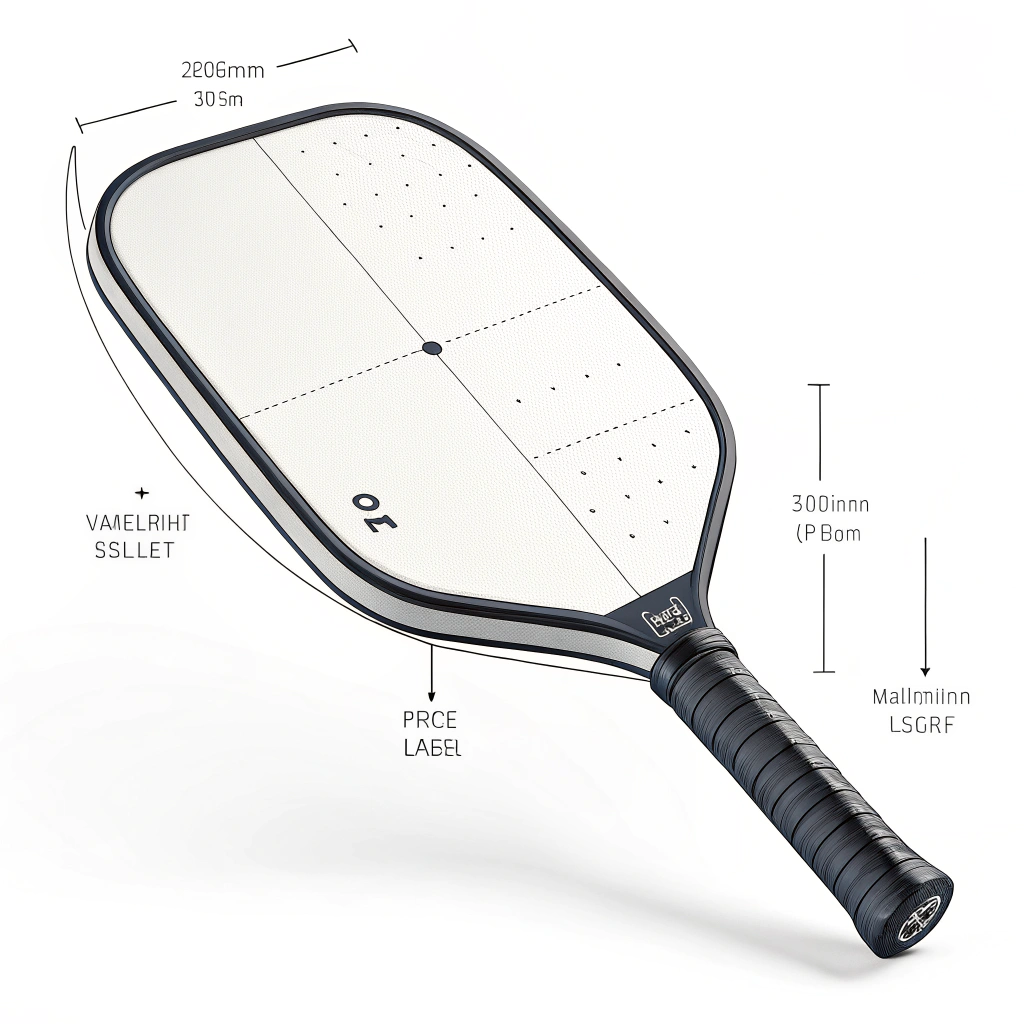
When selecting a manufacturing partner for custom pickleball paddles, consider the following best practices:
- Evaluate the supplier’s technical expertise and their range of production processes.
- Verify the quality control measures, such as standardized testing and certifications.
- Assess the supplier’s ability to support customization at scale – including on-demand printing and design modifications.
- Request production samples or case studies that demonstrate the supplier’s capacity to deliver performance-oriented paddles.
A methodical approach in this evaluation can mitigate risks and ensure that the final product meets both technical specifications and market expectations.
Based on the detailed analysis of materials, production processes, and customization options, here are some concrete steps to adopt:
-
Identify Your Performance Priorities
Determine whether your market prioritizes precision control, higher rebound power, or enhanced durability. This decision will impact the choice of materials (e.g., whether to opt for higher-density carbon fiber or a softer, vibration-reducing polymer core). -
Compare Production Method Efficiencies
Consider the trade-offs between high-volume efficiency and customization flexibility. For instance:
• Use hot pressing for large-scale orders where durability is crucial.
• Opt for cold pressing when precision and optimal ball feel are required.
• Leverage thermoforming for premium or uniquely designed paddle series. -
Ensure Robust Supplier Quality
Confirm that your manufacturing partner employs rigorous quality controls, from careful material selection through to final product testing. Look for evidence of continuous improvement processes and customer testimonials. -
Leverage Customization for Market Differentiation
Utilize custom manufacturing options as a strategic tool—whether through bespoke design modifications, personalized branding, or unique material combinations—to stand out in the competitive marketplace.
In today’s competitive sports equipment market, custom manufacturing of pickleball paddles is not just a production decision; it is a strategic initiative that impacts product performance and brand reputation. By understanding the intricacies of advanced production techniques—hot pressing, cold pressing, and thermoforming—and by carefully selecting materials such as various types of carbon fiber, fiberglass, and composite cores, procurement and product development managers can make informed, high-impact sourcing decisions.
The path to successfully implementing a custom manufacturing strategy lies in balancing performance needs with production capabilities and market trends. As a trusted OEM partner, NEX Pickleball combines decades of expertise with state-of-the-art fiber and composite technologies to deliver paddles that meet the high expectations of both elite athletes and recreational players. For any business looking to expand or differentiate its product offerings, engaging in a dialog with a manufacturer that understands these nuanced processes is the first actionable step.
People Also Ask
Q1: What advantages does hot pressing offer in the production of high-performance pickleball paddles?
A1: Hot pressing delivers high production efficiency and creates paddles with excellent impact resistance and structural strength, making it ideal for mass production of durable, high-performance paddles.
Q2: How does cold pressing help in retaining the material’s properties in paddle manufacturing?
A2: Cold pressing works at room temperature, allowing precise control over the paddle’s thickness without altering the material’s inherent properties, thus ensuring an optimal ball feel and improved control.
Q3: What are the performance benefits of using thermoforming in custom paddle production?
A3: Thermoforming enables intricate design capabilities and precise material distribution, which results in paddles that offer enhanced stability and performance, especially in premium or custom orders.
-
hot pressing: Click to learn about the process of applying controlled heat and pressure to materials to form durable, high-performance components. ↩ ↩ ↩2
-
cold pressing: Click to discover how room temperature shaping preserves material properties while ensuring precision in fabrication. ↩ ↩ ↩2
-
thermoforming: Click to explore the method that heats materials to a soft state, enabling intricate designs and custom mold capabilities. ↩ ↩ ↩2
-
Nomex Honeycomb Core: Click to understand how this advanced core material provides superior shock absorption and contributes to product resilience. ↩ ↩