Skip to content

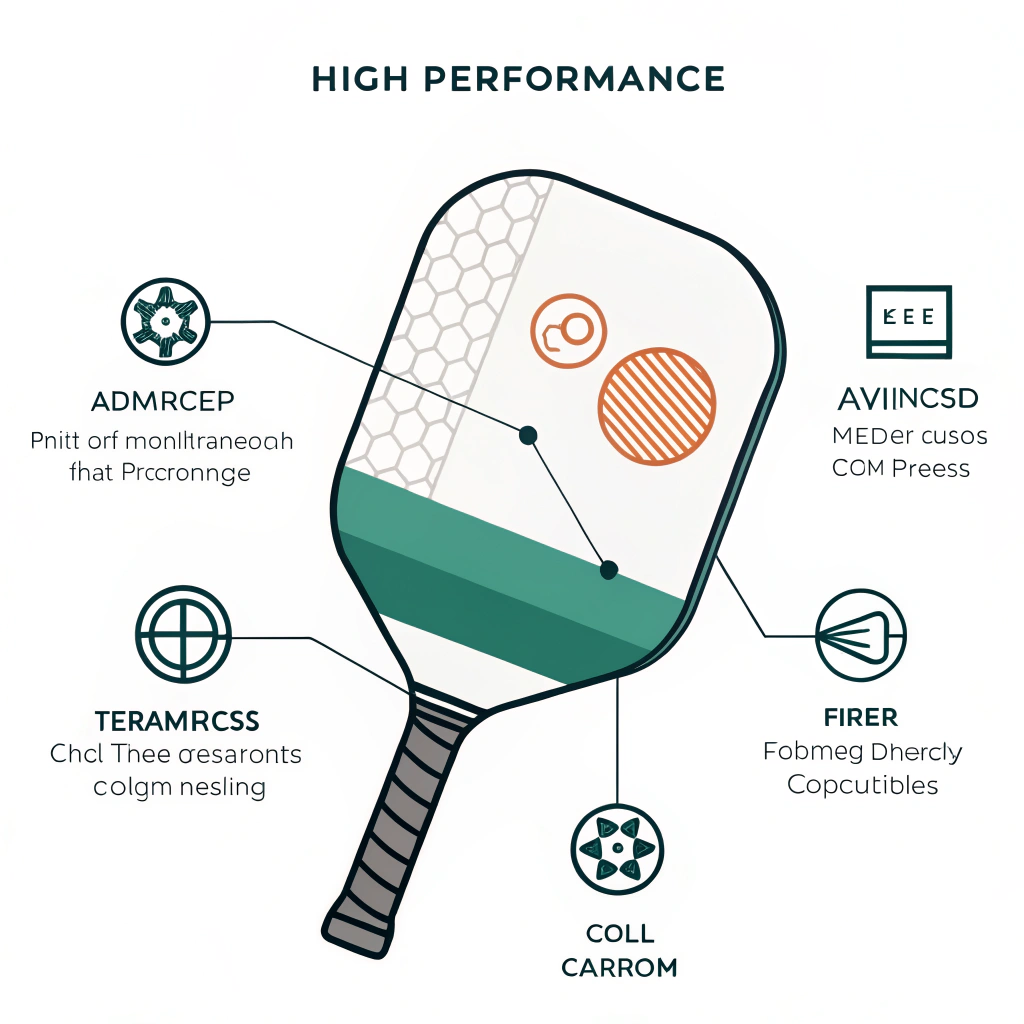
NEX Pickleball offers high-performance OEM1 pickleball paddles built using advanced materials and production processes that deliver superior durability, precision, and exceptional playability for competitive markets. In this article, we compare the various manufacturing techniques and material options available, helping you make an informed decision for your next procurement project.
Choosing the right manufacturing partner is a multifaceted decision. The challenges include selecting manufacturers that not only offer premium quality materials but also have advanced production processes ensuring consistency, performance, and cost-effectiveness. At NEX Pickleball, we address these issues with deep expertise in carbon fiber2, fiberglass3, and composite materials4, combined with three specialized production processes: hot pressing, cold pressing, and thermoforming5.
For procurement managers and product developers, the core of the decision-making process lies in comparing material properties, understanding production process advantages and limitations, and evaluating customization options. Our overview below provides a detailed analysis of these factors, helping you align technical specifications with your market needs.
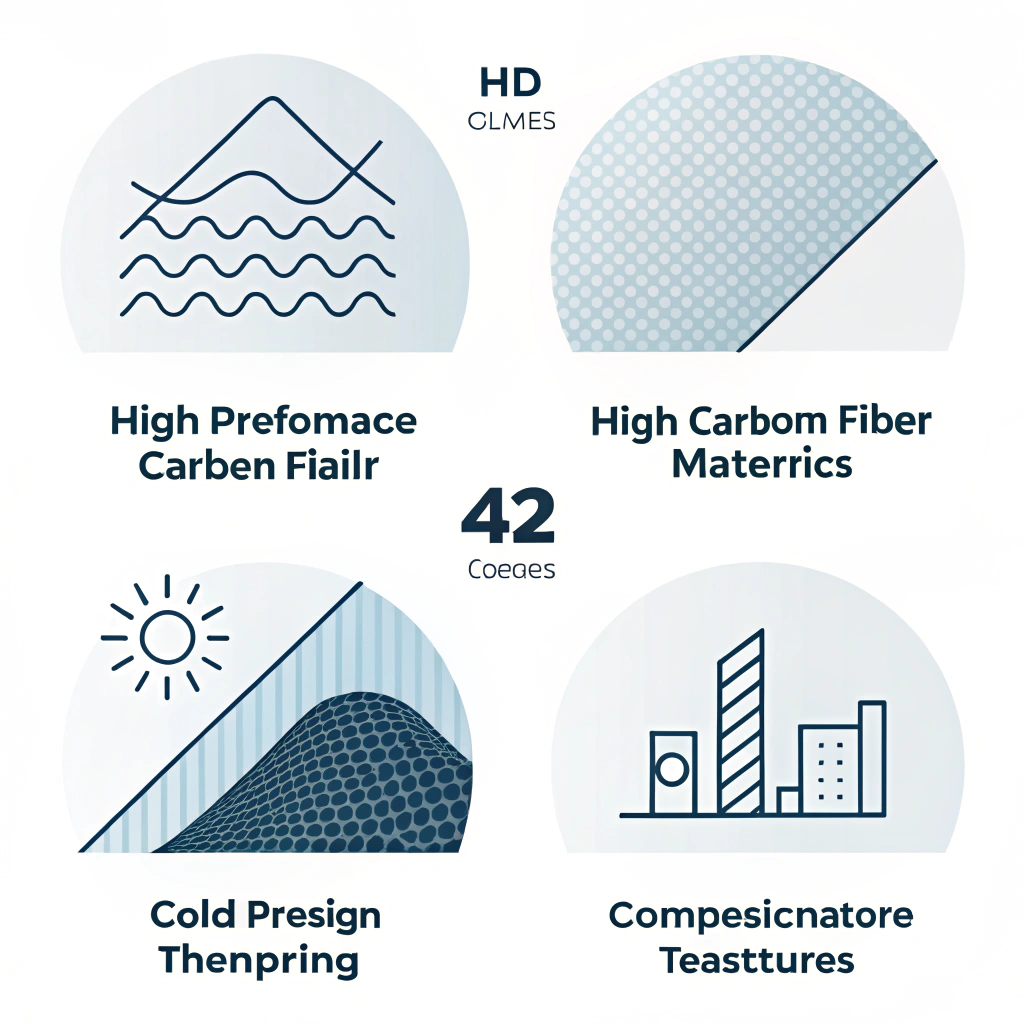
Modern pickleball paddles require materials that provide a perfect balance between lightweight performance and durability. NEX Pickleball uses various high-performance materials, each suited for specific play styles and market segments:
-
Carbon Fiber Options
- 3K Carbon Fiber: Offers high flexibility and strength along with excellent impact resistance. It minimizes vibration, making it ideal for players who require a strong rebound effect.
- 12K Carbon Fiber: Provides a smoother finish, greater hardness, and superior durability. Its high thread density translates into extreme strength and impact resistance, ideal for competitive tournaments.
- T300 Carbon Fiber: Known for outstanding tensile strength, it creates a balanced performance where strength meets weight savings.
-
Fiberglass
Fiberglass paddles maintain a larger sweet spot and a balanced feel between power and control. The specialized E-Glass Fiberglass ensures high elasticity and exceptional ball control, making it a perfect option for recreational and semi-professional players. -
Composite Materials
Combining the strengths of different materials, composites include:- Carbon Fiber and Fiberglass composites that balance power with precision.
- Bamboo Core Composite for a lightweight impact-resistant solution, delivering a clear hitting feel.
- Honeycomb Core Materials (Nomex, Aluminum, Polymer) that provide excellent shock absorption, adjust vibration levels, and ensure a durable play experience.
These materials allow for tailored paddle characteristics, ensuring that whether you are targeting recreational markets or professional players, each product can meet specific performance and durability requirements.
In addition to material selection, the production process plays a critical role in final product quality. NEX Pickleball leverages three specialized processes, each with unique benefits and limitations. Below is a detailed comparison table:
| Production Process | Advantages | Disadvantages | Suitable For | Typical Application |
|---|---|---|---|---|
| Hot Pressing | - High production efficiency - Excellent impact resistance - Ensures structural integrity | - Altered material properties affecting feel - High equipment investment | High-volume production, strong paddle design | Competitive paddles requiring durability |
| Cold Pressing | - Precise control over paddle thickness - Preserves inherent material properties - Superior ball feel and responsiveness | - Longer production cycles - Requires high-quality pressure control systems | Customization and precision manufacturing | Mid to high-performance paddles lacking vibration |
| Thermoforming | - Intricate design capability - Precise material distribution - Maintains paddle stability | - Longer production time - High equipment cost | Premium and custom-molded designs | High-end custom orders and complex paddle geometries |
This table clearly outlines the pros and cons of each process, providing a robust framework to assess which method best aligns with your operational needs and product design goals.
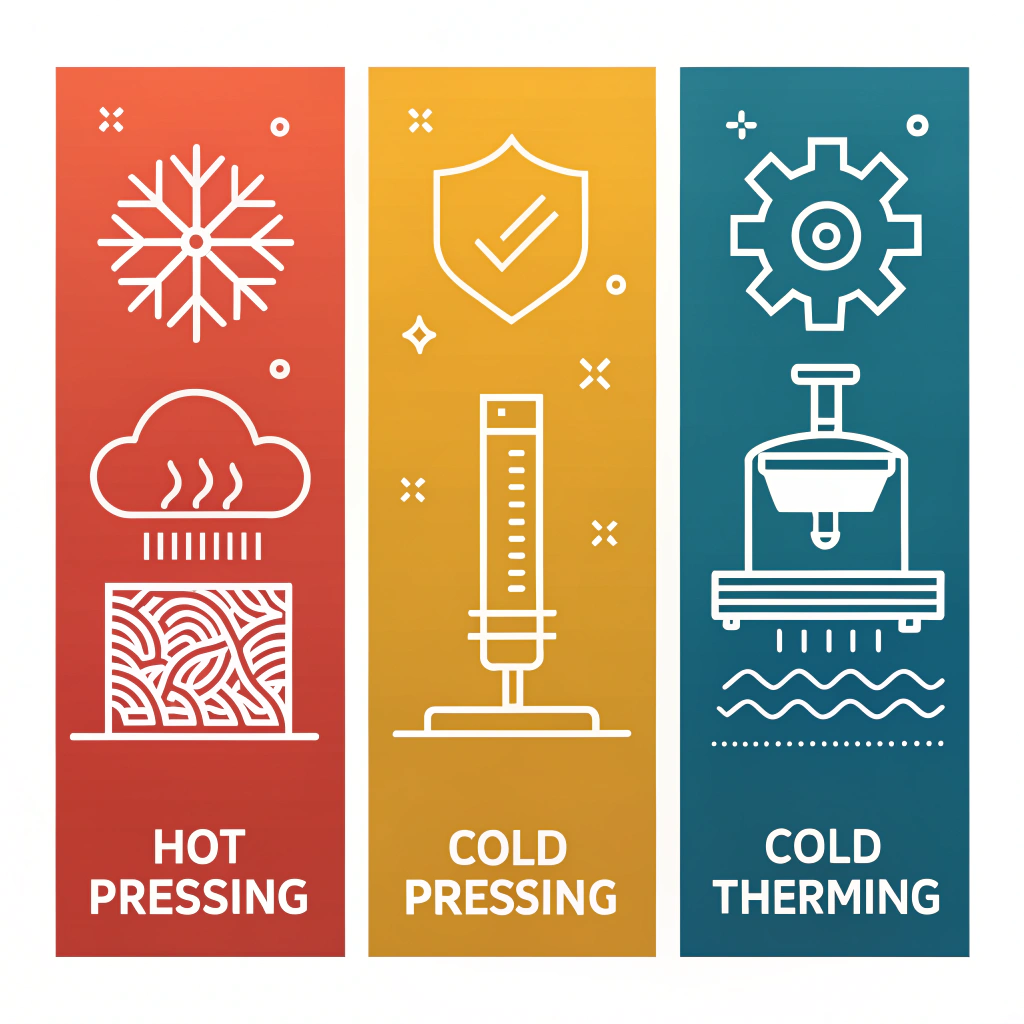
Hot pressing involves heating materials and applying pressure to form a paddle with uniform density and robust structural integrity. This process is well-suited for large-scale manufacturing where efficiency and durability are paramount. Although the high temperature can sometimes alter the tactile feel of the paddle, numerous testing protocols ensure that every unit meets competitive standards.
Cold pressing is ideal when precise control over the paddle’s thickness and design is essential. By maintaining material properties at room temperature, this method preserves the intrinsic characteristics of premium materials such as advanced carbon fiber. The outcome is a paddle with a notably responsive feel and finely tuned control, though production can be slower compared to hot pressing.
Thermoforming brings versatility in design, enabling the creation of paddles with complex shapes and optimized balance. The process involves softening the material at controlled temperatures before molding it into a predetermined shape. While this technique can extend the production cycle and demands significant upfront costs, it is perfect for custom orders and high-end products that require intricate detailing.
These detailed process overviews underscore why each method is selected based on specific product requirements and market targets. Our investment in multiple production technologies ensures that NEX Pickleball remains adaptable and responsive to diverse customer needs.
Quality control and customization are two pillars in our manufacturing philosophy. At NEX Pickleball, every paddle undergoes rigorous testing to adhere to high standards of durability, balance, and performance. Key highlights include:
- Ergonomic Design: Our paddles feature carefully engineered grip sizes and surface textures that enhance comfort and control. Customization options allow you to specify ergonomic parameters tailored for different hand sizes and performance needs.
- Material Transparency: Detailed specifications of the carbon fiber and composite options are provided, ensuring policy makers and procurement managers understand exactly what materials are used and their performance benefits.
- High-Performance Testing: Each unit is subjected to performance tests simulating real-world game conditions. This ensures that the final product truly enhances competitive play by offering reliable ball control, reduced vibration, and optimal weight distribution.
These factors create a compelling case for OEM partners seeking a reliable and experienced manufacturing process that delivers both consistency and performance.
- Material: High-density 12K or T300 Carbon Fiber.
- Core: Nomex or Aluminum Honeycomb for added shock absorption and balance.
- Process: Hot pressing is recommended to ensure durability during intense tournaments where the paddle endures high impact forces.
- Material: A combination of 3K Carbon Fiber and Fiberglass, offering an optimal blend of power and flexibility.
- Core: Polymer Honeycomb for a more forgiving play experience.
- Process: Cold pressing allows for finer control over customization, appealing to niche markets looking for distinctive features and branding opportunities.
- Material: Advanced composites that integrate carbon fiber and specialized fiberglass.
- Core: Bamboo or Honeycomb Core composites to deliver a unique feel.
- Process: Thermoforming, leveraging its design versatility to incorporate bespoke graphics, shapes, and performance enhancements.
By aligning production methods with specific market requirements, NEX Pickleball successfully delivers solutions that cater to diverse customer segments, thus enhancing product value and market performance.
When selecting an OEM partner for pickleball paddles, consider the following action points:
- Analyze Performance Needs: Determine whether competitive intensity, player comfort, or product aesthetics takes priority. This analysis will influence your material and process decisions.
- Evaluate Production Processes: Understand the trade-offs between process efficiency and product customization. Our comparative table can serve as a quick reference to balance cost, quality, and time.
- Consider Customization Options: A robust OEM partner should offer customizable designs that align with your brand identity. NEX Pickleball provides in-depth customization options while maintaining high production standards.
- Leverage Quality Assurance Data: Look for documented performance testing results and quality control measures. Our rigorous testing protocols guarantee that every paddle is built to last, minimizing long-term costs and enhancing player satisfaction.
These recommendations empower procurement managers and product developers to make strategic decisions based on clear, comparative insights.
In an increasingly competitive pickleball market, partnering with a manufacturing expert can be the defining factor in product success. NEX Pickleball stands out with its commitment to innovation, quality control, and advanced production techniques that deliver high-performance OEM paddles. By understanding the differences in material properties and production processes, and aligning these with your strategic goals, you can ensure that your product not only competes but excels in the market.
We invite you to explore how our cutting-edge production technologies can help customize paddles that meet your precise needs. With our transparent approach to quality and production efficiency, NEX Pickleball is your trusted partner for achieving competitive edge and market differentiation.
Who makes the best quality pickleball paddles?
Several manufacturers produce high-quality pickleball paddles; however, NEX Pickleball stands out due to its advanced production methods, superior materials like 12K Carbon Fiber and specialized cores, and stringent quality control measures. This combination of features ensures both durability and superior play performance.
What pickleball do the professionals use?
Professional players often select paddles crafted from top-tier materials such as T300 Carbon Fiber combined with optimized core structures. These paddles are designed with performance in mind—balancing power, control, and reduced vibration—making them suitable for competitive tournament play.
(Additional question)
For professionals and serious players, using high-performance manufacturing processes like thermoforming for custom designs can significantly influence paddle performance, ensuring precise weight distribution and improved ball control.
-
OEM: Learn about Original Equipment Manufacturer (OEM) models, which involve partnering with specialized production companies to design and manufacture products according to custom specifications. Click here to return. ↩
-
carbon fiber: Discover how carbon fiber, a high-strength and lightweight material, is engineered for extreme durability and performance in competitive applications. Click here to return. ↩
-
fiberglass: Explore the properties of fiberglass, known for its balance of strength and flexibility, and understand its pivotal role in sports equipment manufacturing. Click here to return. ↩
-
composite materials: Read about composite materials that combine two or more materials to achieve enhanced performance characteristics, improving strength, durability, and design versatility. Click here to return. ↩
-
thermoforming: Understand the thermoforming process, a specialized manufacturing technique that uses heat and pressure to mold materials into complex shapes and detailed designs. Click here to return. ↩