Skip to content

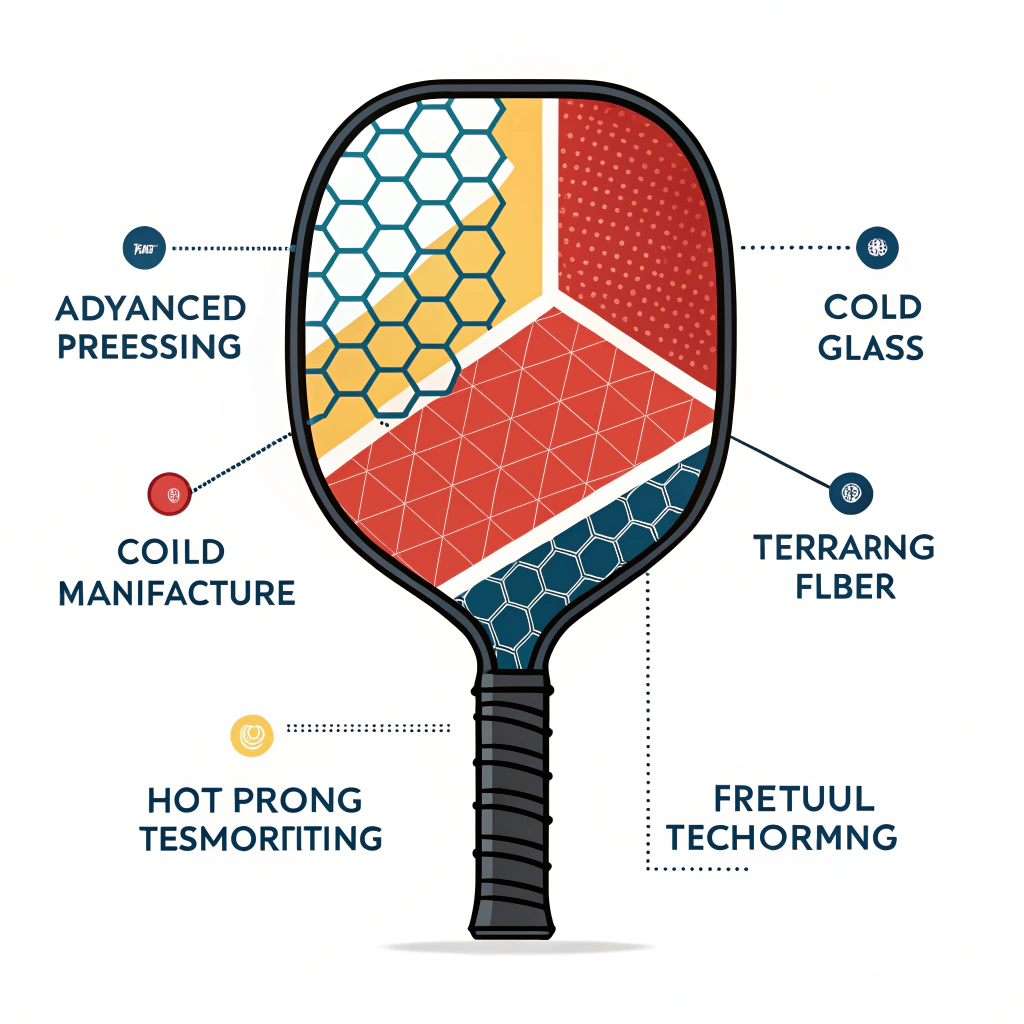
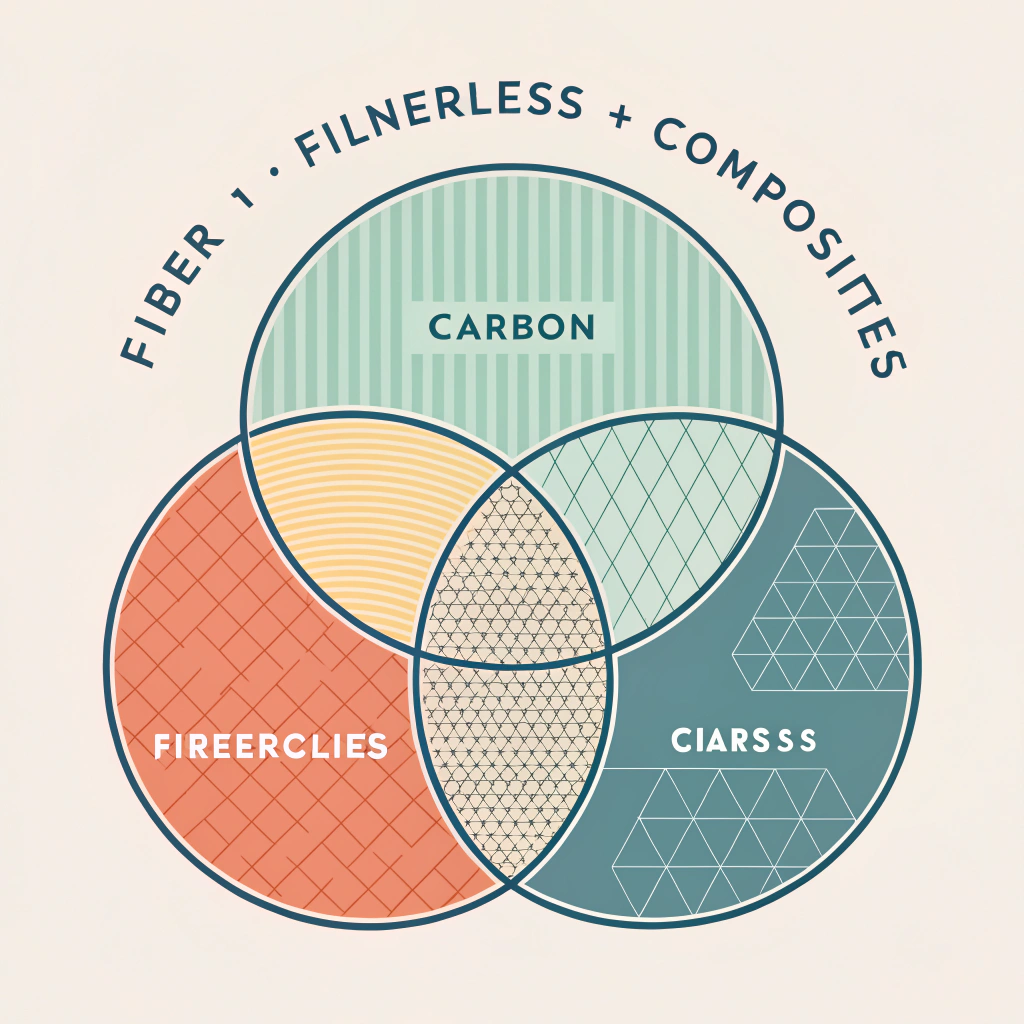
In today's competitive pickleball market, making a well-informed purchasing decision means understanding the critical differences in materials and production techniques. High-performance pickleball paddles combine advanced manufacturing processes1 with cutting-edge materials such as various forms of carbon fiber, fiberglass, and composites. This article compares the key production methods and material choices to help you optimize your B2B portfolio and maximize performance on the court.
High-performing pickleball paddles rely on innovative production techniques—namely hot pressing, cold pressing, and thermoforming—and premium materials like 3K Carbon Fiber2, 12K Carbon Fiber, and T300 Carbon Fiber3. By understanding the strengths and limitations of these processes and materials, purchasing decision-makers can select paddles that offer excellent power, control, and durability while maintaining consistency in quality control.
For sports equipment distributors and retail chains, the primary challenge is to identify pickleball paddles that meet both performance criteria and cost-effective production standards. The complexity arises from factors such as:
- Material variety: Premium options include carbon fiber variants, fiberglass, and hybrid composite designs.
- Production technology: Different manufacturing processes like hot pressing4, cold pressing, and thermoforming5 directly impact the paddle's performance, feel, and durability.
- Design factors: Ergonomic grip design, balanced weight distribution, and surface treatments are essential for enhancing ball control and reducing vibration.
Purchasing decision-makers must consider these factors within the context of competitive play standards, ensuring that the paddles not only cater to recreational players but also meet the demands of high-level competition.
Carbon fiber is a popular choice for high-performance picklebball paddles due to its excellent strength-to-weight ratio. Here’s how the different types compare:
-
3K Carbon Fiber:
• Known for its strength and flexibility
• Provides high rebound force and excellent vibration dampening
• Ideal for paddles requiring durability and responsive play -
12K Carbon Fiber:
• Features a higher thread density offering a smoother surface
• More robust and impact-resistant, suitable for competitive gameplay
• Provides superior hardness while maintaining lightweight characteristics -
T300 Carbon Fiber:
• Renowned for outstanding tensile strength
• Balances power and lightness, making it suitable for players seeking a mix of speed and control
Fiberglass, often seen as a more flexible option, provides a wider sweet spot and enhanced ball control. Many paddles incorporate E-Glass Fiberglass due to its elasticity and tensile strength, ensuring a generous touch and precise ball handling.
Composite materials merge the benefits of different components. For instance:
- Carbon Fiber and Fiberglass Composite: Offers power, durability, and tactile feedback in one package.
- Bamboo Core Composite: Provides a lightweight feel with high impact resistance, delivering a clear hitting sensation.
- Honeycomb Core Structures: Made from high-density polymer or pulp, these offer excellent shock absorption and durability during prolonged use.
The production process plays a crucial role in defining the performance and durability of pickleball paddles. Here’s a closer look at the primary techniques employed:
Hot pressing4 involves applying heat and pressure to form the paddle components.
• Advantages:
– High production efficiency suitable for large-scale manufacturing
– Produces paddles with excellent impact resistance
– Ensures strong structural integrity critical for competitive play
• Disadvantages:
– Heat application may alter some intrinsic material properties, modifying the paddle’s feel
– Relatively high equipment investment is required
Cold pressing shapes the paddle material at room temperature using mechanical pressure.
• Advantages:
– Maintains the material’s original properties, ensuring optimal tactile feedback
– Allows for precise control over the paddle’s thickness and structural characteristics
– Improves ball feel and responsiveness
• Disadvantages:
– Longer production cycles can lower overall efficiency
– Requires high-precision equipment to maintain consistent quality
Thermoforming5 involves heating materials to a softening point before molding them into shape.
• Advantages:
– Enables the creation of paddles with intricate designs and customized material distribution
– Enhances paddle stability and consistency in performance
– Ideal for premium and custom-made paddles that demand specific design criteria
• Disadvantages:
– Higher equipment costs and longer production times
– Typically reserved for high-end products due to its precise nature
To summarize the production process differences, consider the following comparison table:
| Process | Advantages | Disadvantages | Best Suited For |
|---|---|---|---|
| Hot Pressing | High efficiency, strong impact resistance, structural integrity | May alter feel, high equipment investment | Large-scale, high-performance paddles |
| Cold Pressing | Precise control over thickness, preserves material properties | Slower production cycles, demands precision equipment | Paddles requiring superior ball feel |
| Thermoforming | Intricate designs, precise material distribution | Higher costs, longer production times | Premium, custom-made paddle designs |
Ergonomics plays a vital role in determining the overall performance of a pickleball paddle. An optimally designed paddle provides a comfortable grip, balanced weight distribution, and an enhanced surface texture that improves ball control and spin. When evaluating these paddles, consider:
- Grip Design: A well-crafted grip reduces fatigue and prevents slippage, ensuring a secure hold in intense matches.
- Weight Distribution: Balanced paddles offer better maneuverability, allowing players to optimize both power and control.
- Surface Treatments: Special surface textures enhance the grip on the ball, improving spin generation and overall play precision.
Manufacturers like NEX Pickleball ensure that every paddle design adheres to these ergonomic principles, combining them with advanced production techniques to deliver a premium product.
For B2B purchasing decisions, the assurance of consistent quality is non-negotiable. NEX Pickleball employs rigorous testing procedures throughout the production process:
- Consistency Checks: Every paddle undergoes systematic quality checks to ensure that its weight, balance, and surface integrity consistently meet high performance standards.
- Performance Testing: Real-world trials and laboratory tests confirm that the paddle’s shock absorption and impact resistance align with the promised specifications.
- Manufacturing Precision: Advanced production technologies such as hot pressing, cold pressing, and thermoforming are utilized to maintain uniformity in production, ensuring that every unit performs reliably under competitive conditions.
Such quality control measures are critical for affirming that each paddle not only meets the high-performance criteria expected by professional players but also adheres to the rigorous standards required by large-scale sports equipment distributors.
Consider a scenario where a sporting goods distributor requires a new line of paddles that blend performance with durability. The distributor evaluates several options:
-
Three Options Compared:
- Paddle A: Utilizes 3K Carbon Fiber2 manufactured with hot pressing for maximum durability.
- Paddle B: Combines 12K Carbon Fiber with cold pressing for enhanced control and a precise feel.
- Paddle C: Integrates both carbon fiber and fiberglass via thermoforming to achieve a custom design that offers an intricate balance between power and control.
-
Evaluation Criteria:
• Material strength and longevity
• Precision of production leading to consistent production quality
• Ergonomic design tailored for different hand sizes
• Production efficiency and scalability
Through side-by-side testing and detailed performance analysis, the distributor chose the paddle that best met the unique demands of competitive play while providing a clear differentiation in the market. A blend of industrial-grade carbon fiber with advanced production via thermoforming resulted in a paddle with a tailored touch, excellent power, and consistent quality, ultimately boosting market differentiation and consumer trust.
Once you understand the interplay between advanced materials and production processes, making the right purchasing decision becomes more straightforward. For sports equipment distributors and retail executives:
- Evaluate Material Specifications: Ensure the paddles incorporate premium options such as 3K, 12K, or T300 Carbon Fiber depending on the targeted performance levels.
- Understand Production Processes: Compare hot pressing, cold pressing, and thermoforming to identify which technology aligns best with your quality and cost standards.
- Focus on Ergonomics and Design: Prioritize paddles with proven ergonomic designs that bolster performance while reducing player fatigue.
- Emphasize Quality Control: Look for manufacturers who employ rigorous testing protocols to ensure consistency and reliability in every unit.
Taking these steps will help secure a competitive advantage by offering paddles that are engineered for both high-level performance and day-to-day reliability. As the pickleball market continues to grow, integrating the best of material innovation and production excellence will empower your product portfolio and drive customer satisfaction.
What is the absolute best pickleball paddle?
The best pickleball paddle is one that combines premium materials, such as high-grade carbon fiber or advanced composites, with state-of-the-art production techniques to ensure optimal performance. Top models in the market include paddles like the JOOLA Perseus Pro IV and others, though the ideal choice ultimately depends on the player’s specific needs and playing style.
Do more expensive pickleball paddles make a difference?
Higher-priced pickleball paddles typically incorporate advanced materials and refined manufacturing processes that enhance control, power, and reliability. While costlier paddles offer noticeable performance benefits, the best choice depends on balancing budget constraints with the desired level of performance.
Which pickleball paddle hits the hardest?
Paddles engineered for peak impact, such as the JOOLA Perseus Pro IV and Engage Pursuit Pro1 6.0 Elongated, are known for delivering powerful hits. These models are designed with materials and production methods that maximize impact energy while maintaining control, making them favorites for players who prioritize hard-hitting performance.
-
advanced manufacturing processes: Learn how integrating innovative production methods can enhance overall operational efficiency and product consistency, essential for making strategic B2B purchasing decisions. Back ↩
-
3K Carbon Fiber: Discover the properties of 3K Carbon Fiber, including its balance of strength and flexibility, and how it contributes to performance in high-grade sports equipment. Back ↩ ↩2
-
T300 Carbon Fiber: Examine the characteristics of T300 Carbon Fiber, known for its exceptional tensile strength, and how it plays a key role in balancing power and weight in sports equipment. Back ↩
-
hot pressing: Explore the hot pressing process, including its benefits for production efficiency and its impact on material properties, providing insights crucial for cost-effective manufacturing. Back ↩ ↩2
-
thermoforming: Understand the thermoforming process, which enables the creation of intricately designed, customized products, vital for developing premium, high-performance equipment. Back ↩ ↩2