Skip to content

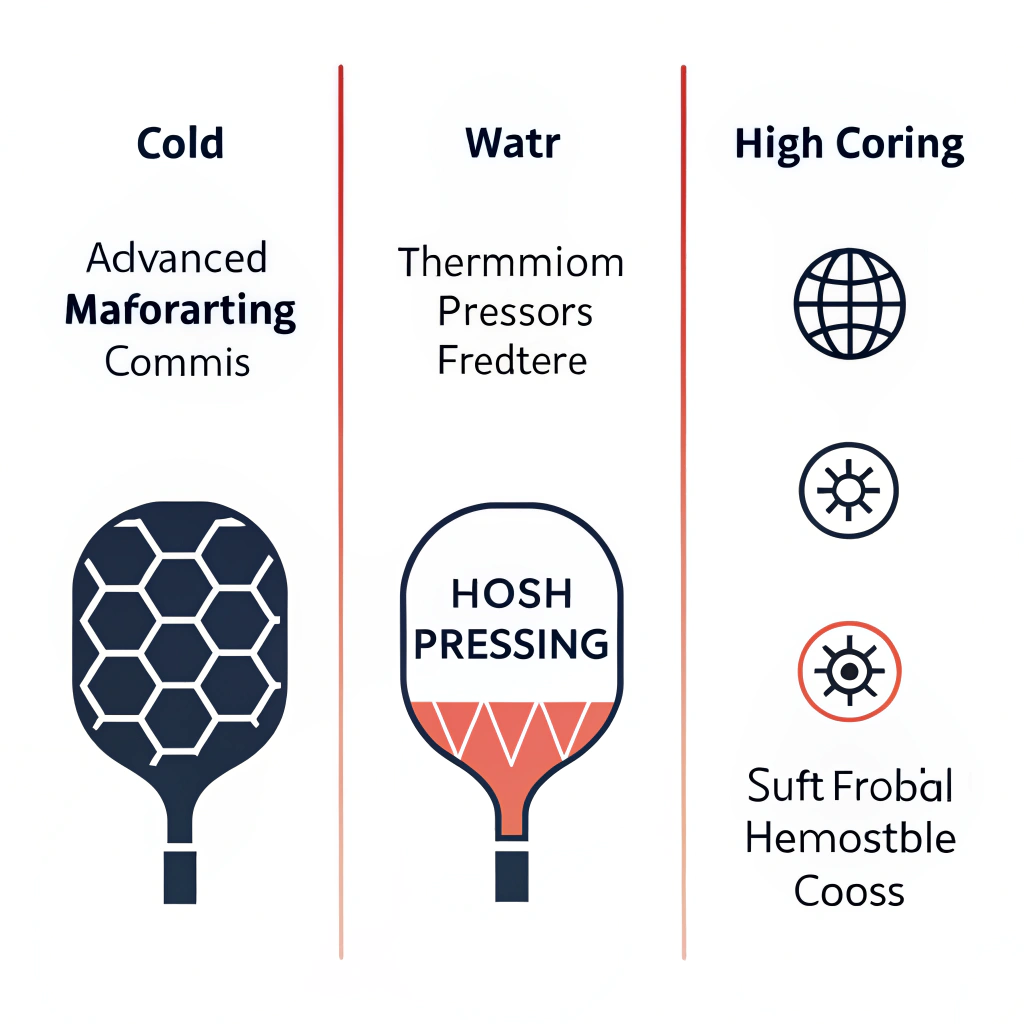
Quick Answer: Choosing a reliable manufacturing partner for high-performance pickleball paddles requires a careful comparison of production methods, material innovations, and quality control processes. NEX Pickleball offers comprehensive solutions featuring advanced techniques—hot pressing1, cold pressing, and thermoforming2—while using premium materials like carbon fiber3, fiberglass4, and innovative composite cores5 to deliver durable, customizable products that meet competitive sporting standards.
In today’s competitive sports equipment market, procurement managers and product development executives face a challenging decision: selecting a manufacturing partner that combines technical excellence with robust production capabilities. When it comes to producing high-performance pickleball paddles, the stakes are high. The production process, the quality of materials, and the ability to customize every aspect of a paddle directly impact both end-user satisfaction and market success.
NEX Pickleball stands out in this competitive landscape by leveraging advanced production techniques and premium materials to deliver paddles that excel in performance, durability, and control. In this article, we will walk you through the detailed comparison of manufacturing processes, material innovations, and quality control systems. Our goal is to provide a clear, side-by-side analysis that helps you make an informed decision when selecting your manufacturing partner.
As a business leader in the sports equipment sector, you understand that success hinges on several core factors:
- Production Efficiency: High-volume manufacturing without compromising on quality.
- Material Innovation: Effective use of advanced materials such as various grades of carbon fiber and fiberglass.
- Customization Capability: The ability to tailor paddle properties—from weight and balance to grip size—to meet diverse market needs.
- Reliable Quality Control: Ensuring that every paddle meets the highest performance standards.
Manufacturing partners must not only be capable of mass production but also flexible enough to provide bespoke solutions. NEX Pickleball’s deep expertise in precision manufacturing, backed by cutting-edge technologies, makes them a strategic ally for businesses aiming to elevate their product offerings.
When evaluating manufacturing partners, understanding the differences between key production processes is essential. Here’s a closer look at the three main methods used to create high-performance pickleball paddles:
Hot pressing involves applying both heat and pressure to the paddle’s material, effectively fusing layers together. This method ensures structural integrity and superior impact resistance.
- Advantages:
- High production efficiency for large-scale manufacturing.
- Produces robust paddles with excellent durability.
- Ensures a tight bond between layers, reducing the risk of delamination.
- Disadvantages:
- Potential alteration of some material properties, which may affect paddle feel.
- Requires high capital investment in specialized equipment.
Cold pressing shapes the paddle material at room temperature using mechanical pressure. This technique excels in maintaining the original material properties, which is vital for achieving precise control and enhanced ball feel.
- Advantages:
- Maintains material characteristics, leading to better control and flexibility.
- Facilitates precise thickness control, crucial for tailored paddle performance.
- Ideal for applications where a softer touch and superior responsiveness are prioritized.
- Disadvantages:
- Longer production cycles compared to hot pressing.
- Requires exact pressure control, emphasizing the need for high-quality machinery.
Thermoforming involves heating the paddle material until it becomes pliable, followed by molding it to the desired shape using custom-designed molds. This process allows the creation of intricate designs that distribute material evenly and enhance paddle performance.
- Advantages:
- Enables complex designs and precise material distribution.
- Results in paddles with enhanced stability and improved performance characteristics.
- Particularly suitable for premium or custom-made paddles.
- Disadvantages:
- Longer production times and higher equipment costs.
- Best suited for high-end products, potentially limiting scalability.
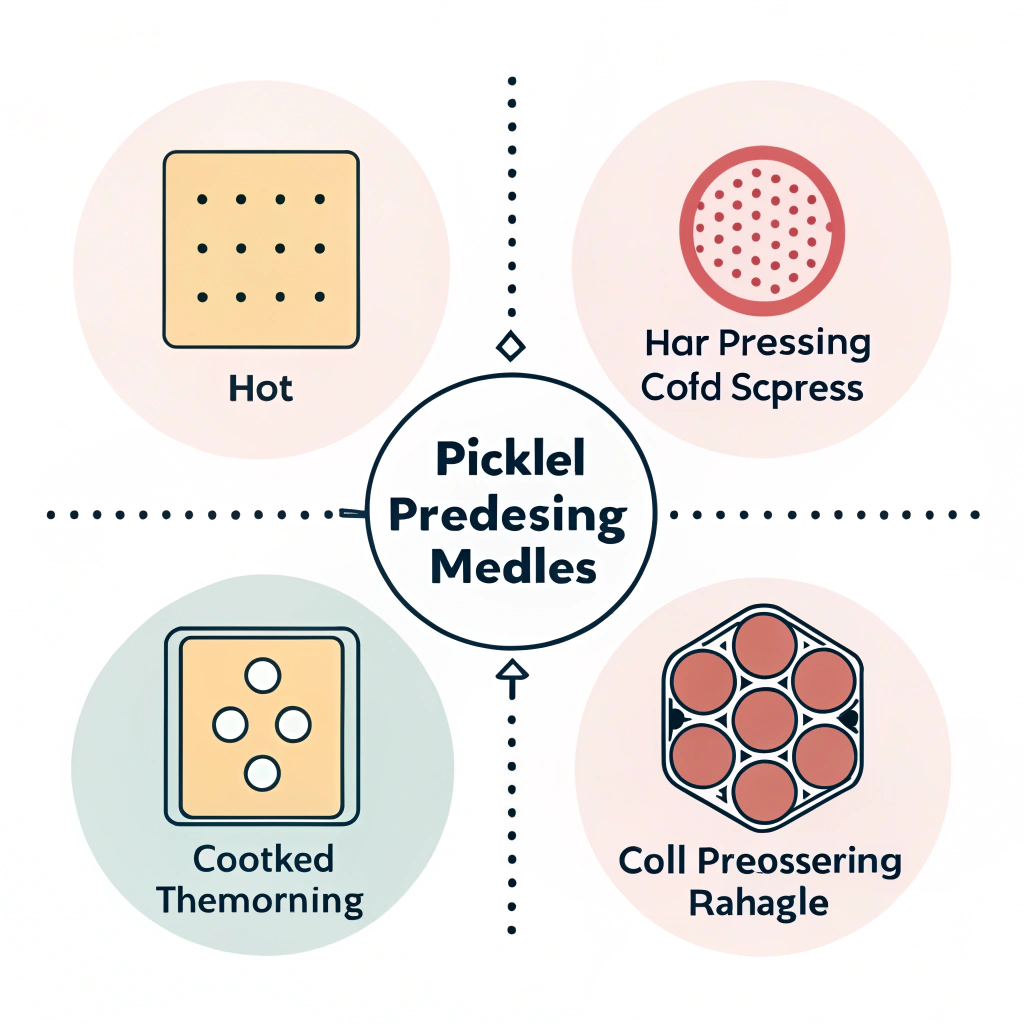
The performance of a pickleball paddle is just as dependent on its manufacturing process as it is on the materials used. NEX Pickleball specializes in several premium materials that set their products apart:
Carbon fiber is renowned for its strength and light weight. NEX Pickleball employs three primary types:
- 3K Carbon Fiber: Offers a blend of strength and flexibility, making it ideal for paddles that require high rebound force while reducing excessive vibrations.
- 12K Carbon Fiber: With a higher thread density, this type provides a smoother surface and greater durability, which is essential for competitive play.
- T300 Carbon Fiber: Known for its exceptional tensile strength, it achieves a perfect balance of strength and weight, suitable for paddles requiring precise performance parameters.
Each variant is selected based on the desired paddle characteristics, from power and control to vibration dampening.
While fiberglass paddles offer a broader sweet spot and enhanced durability, they also provide a remarkable level of ball control due to their flexibility. NEX Pickleball alternatively uses:
- E-Glass Fiberglass: Known for its elasticity and strong tensile properties, delivering excellent ball feel.
- Composite Blends: For example, combining carbon fiber with fiberglass not only balances strength and weight but also extends the range of control and power in paddle play.
- Bamboo Core and Honeycomb Core Options: These innovative composites offer high impact resistance and shock absorption, ensuring that every strike is solidly felt yet comfortable over extended play sessions.
The paddle’s core material is crucial as it influences hardness and the overall hit experience. NEX Pickleball utilizes various core technologies:
- Nomex Honeycomb: Provides excellent shock absorption and durability for long-lasting performance.
- Aluminum Honeycomb: Ideal for a balanced approach between power and precision.
- Polymer Honeycomb: Offers superior elasticity and reduced vibrations, making it particularly appealing for recreational players while still serving competitive needs.
To further assist in visualization, the table below summarizes a comparison of these key production processes and materials:
| Factor | Hot Pressing | Cold Pressing | Thermoforming |
|---|---|---|---|
| Production Speed | Fast; suitable for high-volume cycles | Slower; requires precise control | Slow; best for high-end products |
| Material Impact | May alter material properties | Preserves material properties | Allows for tailored material distribution |
| Equipment Investment | High capital requirements | Moderate needs due to precision tools | High due to custom mold fabrication |
| Ideal For | Durable, impact-resistant designs | Enhanced control, precise texture | Intricate designs and custom solutions |
| Material | Characteristics | Ideal Applications |
|---|---|---|
| 3K Carbon Fiber | Balances strength and flexibility | High rebound, competitive play |
| 12K Carbon Fiber | Smoother surface, greater durability | Impact resistance in high-level play |
| T300 Carbon Fiber | Superior tensile strength, lightweight | Balanced performance paddles |
| E-Glass Fiberglass | Excellent elasticity, broader sweet spot | Recreational play with enhanced control |
For procurement managers seeking long-term partnerships, customization and quality control are paramount. At NEX Pickleball, every paddle is designed with customer-specific features in mind. Our manufacturing process includes:
-
Tailored Design Options:
Clients can customize paddle dimensions, balance, weight, and grip sizes to align with their target market. This extends to the choice of material combinations, allowing for a personalized approach that differentiates products in a saturated market. -
Rigorous Quality Assurance:
Every paddle undergoes stringent testing protocols to ensure that it meets international performance standards. Our quality control process checks for structural integrity, material consistency, and optimal weight distribution, ensuring that each paddle delivers the precise performance expected by professional and recreational players alike. -
On-Demand Print Services:
We offer customizable graphic designs directly on the paddle surface. This on-demand service allows importers and distributors to incorporate brand identity directly on the product, enhancing market presence while ensuring high production efficiency.
These advanced services not only emphasize quality and performance but also signal a commitment to innovation and customer satisfaction—key aspects that procurement managers look for when establishing B2B partnerships.
When comparing potential manufacturing partners for pickleball paddles, consider the following criteria:
-
Production Techniques:
Ensure the partner is adept in multiple production processes such as hot pressing, cold pressing, and thermoforming. This variety allows them to select the best method based on material choice and desired paddle performance. -
Material Expertise:
Look for a partner that utilizes premium materials, understands the properties of various carbon fibers and composite cores, and understands how to leverage these materials to meet specific performance benchmarks. -
Customization Capabilities:
The ability to tailor products is critical. A partner who can offer bespoke solutions—from design to grip size selection and even on-demand printing—can provide a competitive edge in branded products. -
Quality Control Procedures:
A comprehensive QA/QC system that guarantees product consistency and durability is non-negotiable. Understanding the partner’s testing protocols and production standards is essential to minimize post-production issues. -
Market Responsiveness:
The speed of production and the ability to scale up based on market demand significantly impact your supply chain. Companies like NEX Pickleball, which can balance high production volumes with flexible customization, represent an optimal choice for dynamic market conditions.
In the rapidly evolving world of high-performance pickleball equipment, making an informed decision about your manufacturing partner is the first step towards sustained market success. NEX Pickleball offers robust production processes, advanced material expertise, and comprehensive customization options that cater to both competitive and recreational market segments. By comparing production techniques, understanding material innovations, and assessing quality control measures, you can confidently choose a partner that meets and exceeds your procurement criteria.
Our detailed comparison highlights the strengths and potential challenges associated with each production process. We believe that a strategic partnership with NEX Pickleball can drive superior product performance, elevate your brand presence, and unlock new market opportunities. To embark on a journey towards unmatched quality and innovation in pickleball equipment manufacturing, consider reaching out to us for a detailed consultation and production assessment.
Which company makes the best pickleball paddles?
While many reputable brands exist in the market, the best companies are those that combine advanced production processes with premium materials. Brands like Joola, Selkirk, and leading OEM factories that manufacture for these brands are known for offering a diverse range of high-performance paddles. NEX Pickleball, with its expertise in hot pressing, cold pressing, and thermoforming, stands out as a reliable partner in delivering superior products.
How to manufacture pickleball rackets?
Pickleball paddle manufacturing using thermoforming involves several key steps: starting with material selection, heating the core until it becomes pliable, molding it into shape with precision, and then cooling to solidify the design. This process ensures an even material distribution and maintains the paddle’s structural integrity, making it ideal for high-performance applications.
How many pickleball paddle factories are there?
The pickleball equipment market is rapidly evolving. In recent years, the number of manufacturers has surged, reflecting a dynamic and expanding market landscape. Although exact numbers vary year by year, recent trends indicate a significant increase—from a few dozen factories to nearly 900, underscoring the competitive nature of this industry.
-
hot pressing: Read the article to understand how combining heat and pressure during manufacturing enhances material bonding and contributes to creating durable, high-performance sports equipment. ↩ ↩
-
thermoforming: Read the article to explore the heating and molding process that allows for intricate designs and precise material distribution in custom-made sports products. ↩ ↩
-
carbon fiber: Read the article to learn about carbon fiber’s exceptional strength-to-weight ratio, flexibility, and critical role in enhancing performance in competitive sports equipment. ↩ ↩
-
fiberglass: Read the article to explore how fiberglass contributes to durability and control in sports equipment, offering a balance between impact resistance and playability. ↩ ↩
-
composite cores: Read the article to discover the innovations in composite core technology that enhance shock absorption, stability, and overall paddle performance. ↩ ↩