Skip to content


Choosing the ideal supplier for high-quality pickleball balls means focusing on production excellence, strict Quality Control1 and cost-effective sourcing. In today’s competitive market, procurement managers must consider manufacturing processes, material quality, and supply chain consistency to make the best bulk purchase decisions.
For sports equipment retailers and distributors, securing a consistent, reliable supply of pickleball balls is a critical element of business expansion. Many procurement managers have encountered challenges such as variability in product quality, unexpected price hikes, and inconsistent production cycles. These issues can disrupt inventory, affect retail performance, and ultimately damage the brand reputation.
The key challenges include:
• Variations in material quality that impact ball performance.
• Inconsistent production processes leading to supply shortages.
• Lack of transparency in quality control measures.
• Uncertainty in long-term supply chain reliability.
Addressing these challenges requires a detailed understanding of manufacturing techniques and the competitive advantages offered by leading suppliers. Companies that can clearly explain their production methods and quality assurance processes are best positioned to win bulk orders.
The manufacturing process is at the heart of any quality product—pickleball balls, in this case. The production method not only influences the durability and consistency of the product but also its performance under various playing conditions. Suppliers using advanced production techniques can provide superior products with enhanced performance characteristics.
Manufacturing strategies typically include:
• Injection Molding2: Often used for producing plastic sports equipment parts, ensuring high consistency.
• Rotational Molding3: Provides uniform thickness and resilience.
• Compression Molding4: Ideal for achieving precise shapes and durable products.
Each process has pros and cons in terms of production speed, cost efficiency, and quality outcomes. The production method selected by a supplier will determine attributes like ball texture, rebound consistency, and durability. It is crucial to ask the right questions about these methods when evaluating different suppliers.

A detailed comparison of these manufacturing processes can help procurement managers make informed decisions. Below is a table summarizing key manufacturing methods for sports equipment such as pickleball balls.
| Production Method | Key Advantages | Considerations |
|---|---|---|
| Injection Molding | High consistency, rapid cycle times | May require expensive molds |
| Rotational Molding | Uniform thickness, smooth finish | Longer production cycles |
| Compression Molding | Precise shape, strong durability | Higher initial setup cost |
By understanding these processes, procurement managers can identify suppliers that not only offer competitive pricing but also maintain strict quality control standards.
The performance of pickleball balls is directly linked to the materials used in production. High-performance balls have specific attributes that enhance playability, such as a consistent bounce, long-term durability, and resistance to environmental factors like wind in outdoor settings. Differences in material composition, such as the thickness of the plastic or the size and uniformity of holes (in balls designed for outdoor play), can significantly influence the ball's performance.
Important material properties include:
• Density and Elasticity: Ensuring that the ball rebounds predictably after impact.
• Thickness and Rigidity: Critical for outdoor balls that need to combat wind and maintain shape.
• Quality of Additives: Including UV stabilizers or anti-microbial agents to extend product life.
Manufacturers who emphasize material quality achieve a balance between cost efficiency and performance. They can deliver products that meet competitive standards while remaining viable options for retailers aiming to offer their customers the best playable equipment.
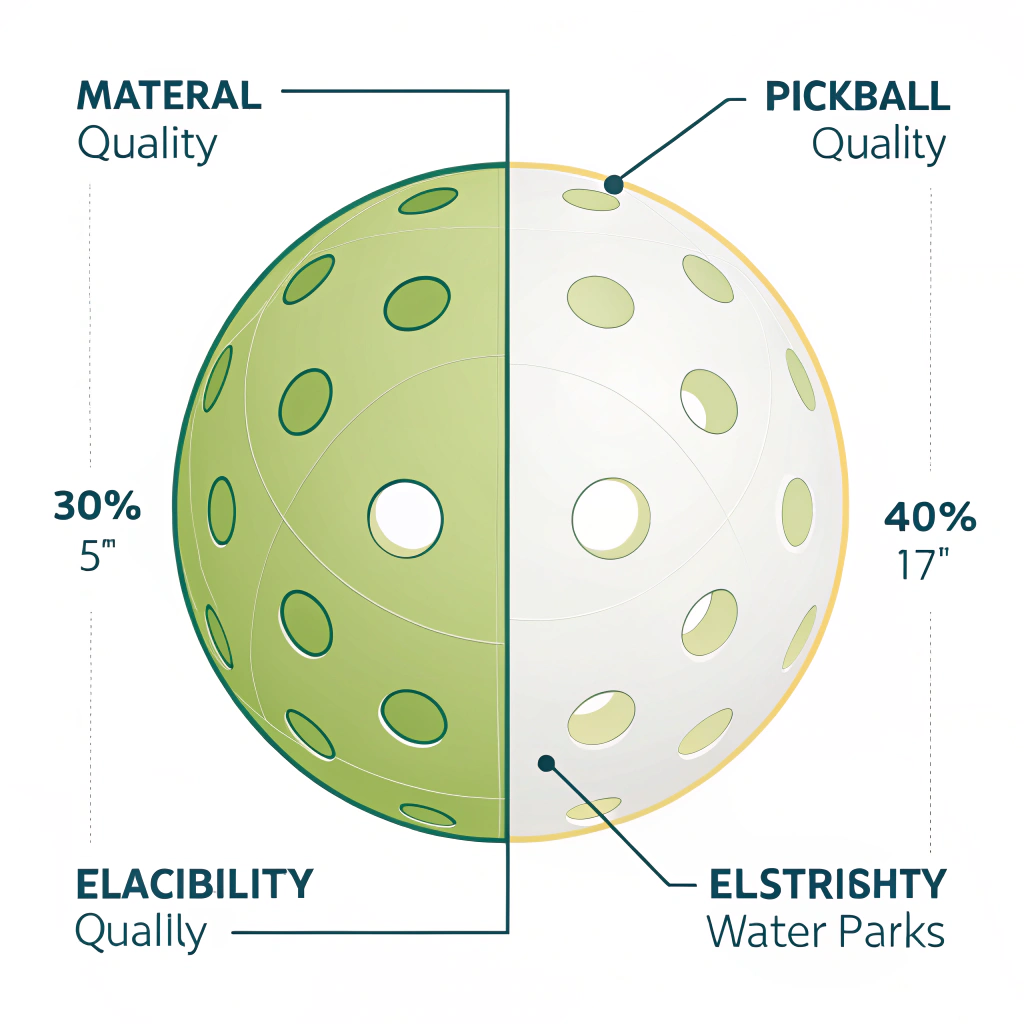
In our evaluation process, we focus on these material characteristics and insist on transparent practices from the supplier. For instance, suppliers using superior-grade plastics and additives typically display lower variability in performance metrics, thereby providing retailers with a more reliable product line.
While there is an inherent perception that high cost equates to high quality, procurement managers must carefully assess whether an expensive product truly adds value to their retail offerings. In the case of pickleball balls, suppliers may offer different production lines to cater to various market segments:
- Factory-Direct Pricing: Suppliers who operate their own production facilities can offer significant savings on bulk orders because there are no additional middlemen.
- Premium Lines: These products may include enhanced material features, special coatings, or tailored manufacturing processes intended for elite competitions.
- Standard Lines: Offering sufficient performance at a more accessible price point, these products are well-suited for recreational use.
A table comparing these supplier offerings might look like this:
| Product Line | Key Features | Ideal For |
|---|---|---|
| Factory-Direct | Cost-effective pricing, high consistency | Bulk orders for general retail |
| Premium Line | Enhanced materials, superior performance | Competitive and elite play settings |
| Standard Line | Balanced performance and pricing | Recreational players and beginners |
This table highlights that while premium products offer enhanced performance, cost efficiency remains a crucial factor in bulk procurement for many retailers. The emphasis should be on sourcing products that deliver maximum value and meet the market needs without inflating overall costs.
Quality Control and Supply Chain Reliability5
Ensuring that every pickleball ball meets rigorous quality standards is paramount for maintaining a supplier’s reliability. Tested quality control processes, including regular batch testing and rigorous inspections at various production stages, can dramatically reduce the risk of defective products reaching the market.
Key quality control measures include:
• Material Testing: Regular assessments of raw materials and finished products to verify consistency.
• Process Audits: Continuous monitoring and documentation to ensure that production processes adhere to set specifications.
• Post-Production Evaluations: Batch sampling and field testing to check for performance consistency under real-world conditions.
Supplier reliability directly correlates to a robust supply chain, which is essential for businesses that operate on tight schedules and depend on timely product delivery. Collaborating with suppliers that invest in high-end quality control measures can reduce risks associated with product variability, delays, or last-minute supply disruptions.
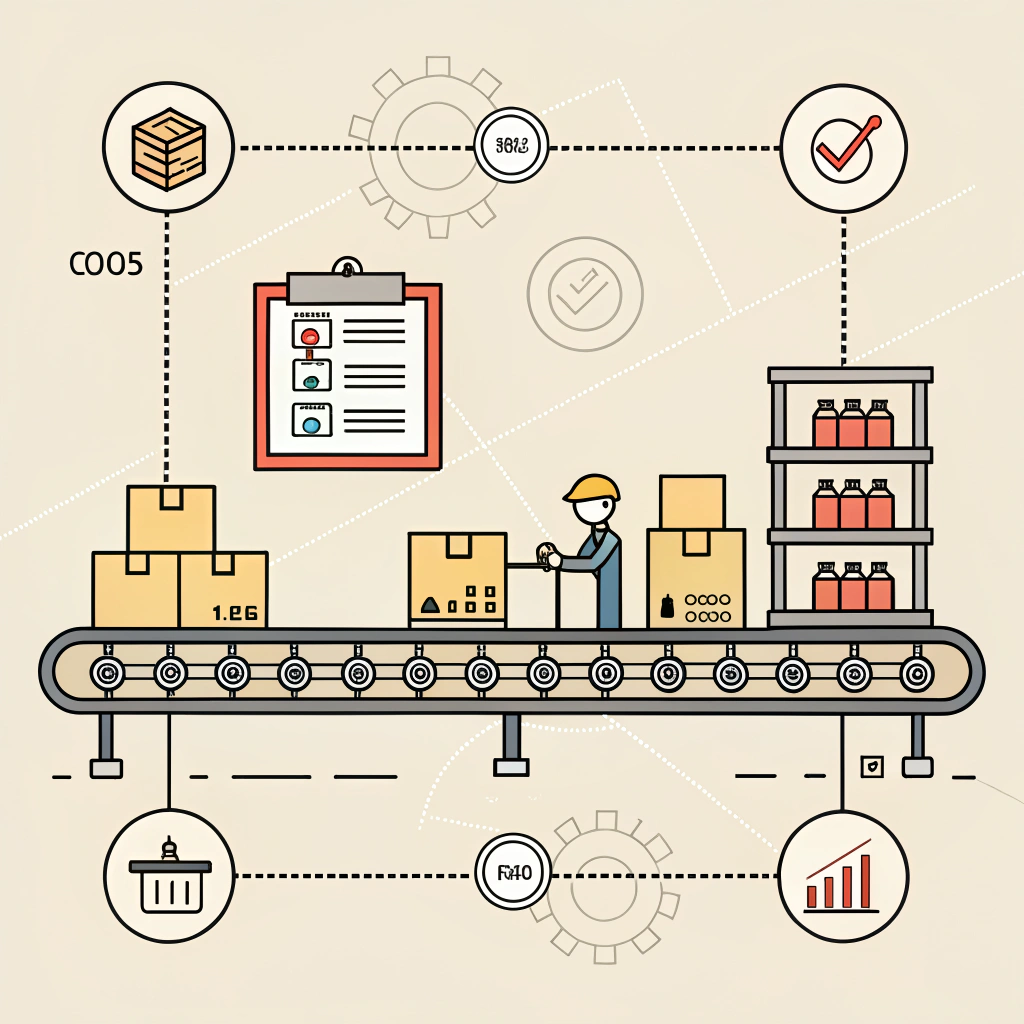
When meeting with potential suppliers, procurement managers should request detailed documentation on quality control protocols. Evidence of certifications, third-party testing alignments, and historical performance data all contribute to making an informed decision.
In today’s competitive sports equipment market, the intersection of advanced production techniques and strategic sourcing is where real value is created. When evaluating potential suppliers for pickleball balls, it is crucial to weigh the technical production aspects against market needs:
- Assess the production process: Ensure the supplier uses modern techniques like injection molding, rotational molding, or compression molding tailored to the product's specifications.
- Analyze material composition: Check if the supplier employs premium-grade materials to enhance durability and performance.
- Validate quality control measures: Review quality documentation and testing procedures to guarantee consistency.
- Consider cost efficiency: Compare factory-direct pricing to premium lines to match product offerings with target market segments.
- Ensure supply chain resilience: Opt for suppliers with proven logistics capabilities and established timelines for bulk orders.
These strategic criteria will help procurement managers balance multiple factors in a decision-making process that ultimately aims for a long-term, cost-effective partnership.
Based on our insights into production techniques, quality control, and material science, here are some strategic recommendations for procurement managers evaluating pickleball ball suppliers:
• Conduct supplier audits: Request on-site or third-party audits of production facilities to verify process integrity.
• Sample testing: Place initial bulk orders with mandatory sample testing to evaluate real-world performance.
• Compare pricing models: Analyze the cost structure of factory-direct products versus branded or premium variants to determine overall value.
• Review quality certifications: Ensure that potential suppliers have relevant industry certifications and quality management systems in place.
• Prioritize long-term agreements: Seek suppliers interested in long-term collaboration, ensuring consistent supply and potential price discounts over time.
By following these recommendations, procurement professionals can minimize risks and secure a reliable, high-quality source of pickleball balls that aligns with both market demand and budget constraints.
In summary, choosing the right supplier for pickleball balls involves not only a detailed assessment of production methods and material quality but also an evaluation of cost efficiency and supply chain reliability. High-quality production processes, such as advanced molding techniques, combine with stringent quality control measures to ensure consistent product performance. For procurement managers in the sports equipment sector, these elements are critical in making a bulk purchase decision that supports long-term business growth.
The differences between various production lines can be easily assessed using a structured approach, such as the tables provided above, to compare key features, pricing, and ideal applications. This enables a clear pathway to selecting a supplier that not only meets performance standards but also maximizes cost-effectiveness for your business. Ultimately, focusing on these core attributes reduces risk, fosters trust, and builds a foundation for successful long-term partnerships in the competitive market of sports equipment.
For further insights into how production processes influence sporting goods performance and to review detailed supplier comparisons, consider reaching out for a consultation with industry experts.
People Also Ask
Q: What is the best brand of pickleball balls?
A: Choosing the best pickleball ball brand involves considering factors like consistency, durability, and suitability for specific play conditions. Top brands, including Franklin, ONIX, CORE, Selkirk, GoSports, Vulcan, and GAMMA, are known for their reliable performance. However, the ideal choice depends on whether your focus is on casual play or competitive performance.
Q: Is there a quality difference in pickleball balls?
A: Yes, there is a quality difference. Outdoor pickleball balls typically feature thicker plastic and smaller holes to reduce wind interference, ensuring the ball comes off the paddle faster and with more consistency. Comparatively, indoor balls are designed for optimal control and softer rebound due to their material properties.
Q: Does an expensive pickleball racket make a difference?
A: While higher-end pickleball paddles often incorporate advanced materials such as carbon fiber and fiberglass for enhanced control, power, and spin, they are not the only factor in performance. Many players achieve excellent results with moderately priced paddles due to factors like proper design and quality manufacturing processes.
-
Quality Control: Read the article to gain insights into quality control practices, which are essential in monitoring and maintaining product standards throughout the manufacturing process. ↩
-
Injection Molding: Read the article to understand the injection molding process, which uses high-pressure techniques to form materials into precise shapes, ensuring repeatability and high-quality outputs in manufacturing. ↩
-
Rotational Molding: Read the article to learn about rotational molding, a process that involves rotating molds to distribute material evenly, resulting in uniform thickness and enhanced durability. ↩
-
Compression Molding: Read the article to explore compression molding, a manufacturing method ideal for producing durable parts with precise shapes, particularly useful for products requiring a high level of detail. ↩
-
Supply Chain Reliability: Read the article to understand the importance of supply chain reliability, detailing how robust and transparent logistics and sourcing strategies ensure consistent product delivery and operational efficiency. ↩