Skip to content

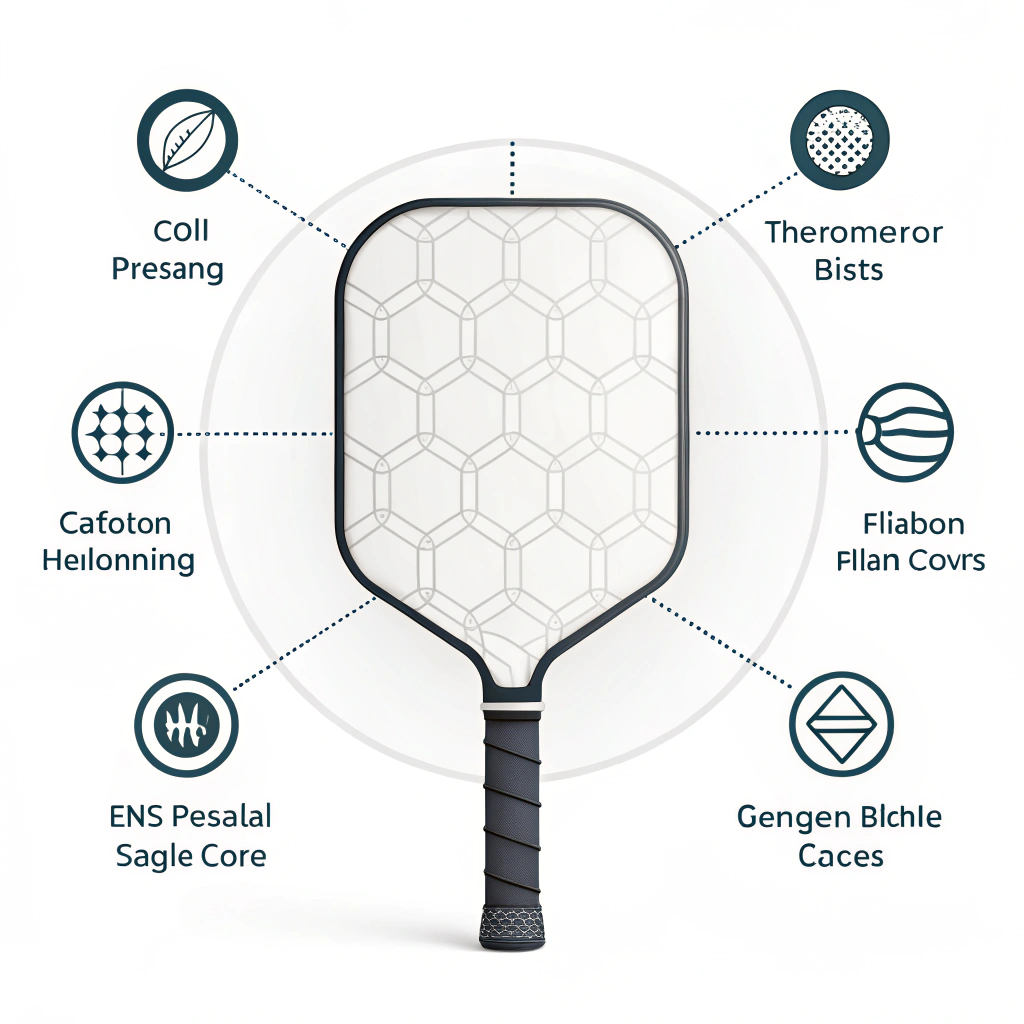
Quick Answer: For procurement managers, selecting the ideal pickleball paddle means balancing player skill levels with material quality, production techniques, and ergonomic design. By understanding the production processes – like hot pressing, cold pressing1 and thermoforming2 – as well as the benefits of various materials such as carbon fiber3, fiberglass, and composite cores, businesses can make informed decisions that optimize paddle performance, durability, and cost efficiency.
Procurement managers and product development specialists in the sports equipment sector face a key challenge: finding paddles that meet the diverse demands of beginner, intermediate, and professional players. The decision process involves analyzing differences in:
• Paddle materials
• Production techniques
• Performance attributes (weight, balance, grip design)
In our increasingly competitive market, understanding these factors is critical for providing athletes with equipment that enhances gameplay while maintaining quality and long-term reliability.
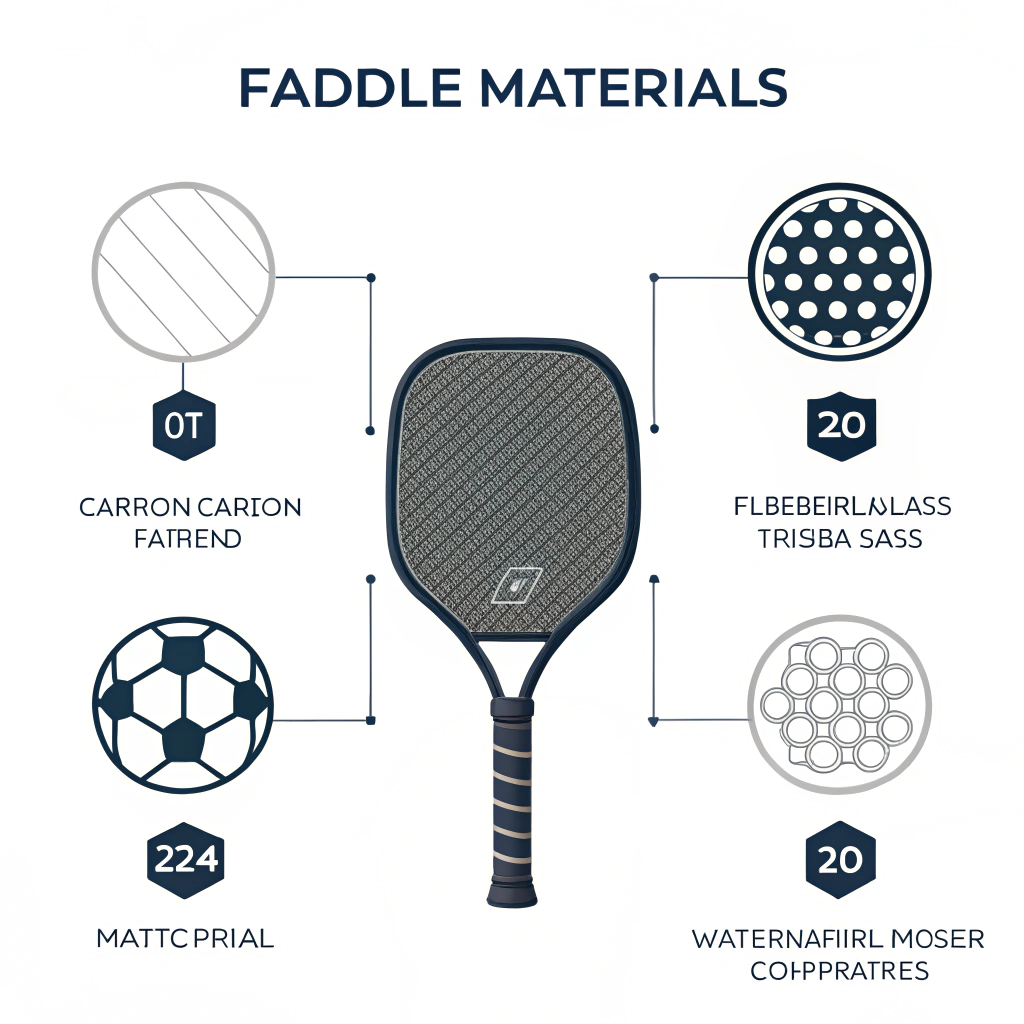
Choosing the right material is the first step in paddle selection. Each material type offers different benefits in terms of durability, control, and power. Below is an overview of popular materials and their benefits:
• carbon fiber3 – Often used for professional and advanced paddles due to its high stiffness, lightweight properties, and excellent power transmission. Variants include:
- 3K Carbon Fiber: Offers flexibility combined with high rebound force.
- 12K Carbon Fiber: Provides a smoother surface with enhanced hardness and durability.
- T300 Carbon Fiber: Known for balanced performance and superior tensile strength.
• Fiberglass – Provides a broader sweet spot for ball control and is typically found in mid-level paddles, offering a balance between power and precision.
• Composite Materials4 – These include:
- Carbon Fiber & Fiberglass Composite: Combining strength with lightness for players looking for a mix of power and control.
- Bamboo Core Composite: Adds lightweight construction and impact resistance.
- Honeycomb Core (Nomex, Aluminum, Polymer): These cores absorb shock, reduce vibration, and cater to various playing types from recreational to competitive play.
Understanding these material differences is essential for aligning the paddle’s performance with the expectations of players at different levels. Selecting an appropriate material can also optimize manufacturing cost and efficiency.
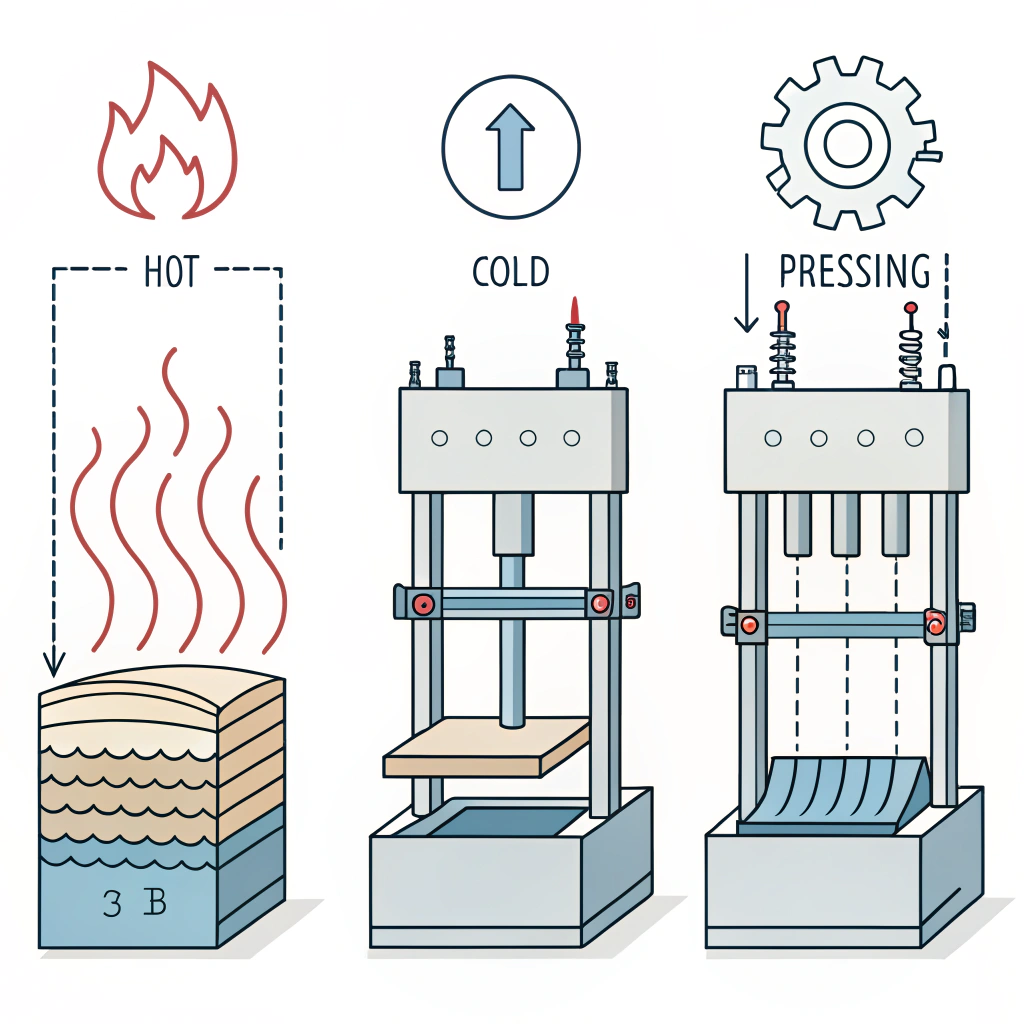
Advanced production techniques directly impact the performance, durability, and consistency of pickleball paddles. At NEX Pickleball, we specialize in three primary production processes, each with unique advantages:
Hot pressing involves heating the material and applying pressure to form a robust paddle.
Advantages:
- High production efficiency for large-scale manufacturing.
- Produces paddles with excellent impact resistance.
- Ensures strong structural integrity suitable for high-performance play.
Disadvantages:
- High equipment costs.
- Potential alteration of some material properties, which may affect the paddle's feel.
Cold pressing shapes paddle materials at room temperature using mechanical pressure, ensuring precision in control.
Advantages:
- Precise control over paddle thickness and structure.
- Preserves material properties, offering superior ball feel and control.
Disadvantages:
- Longer production cycles reduce efficiency.
- Requires highly accurate pressure control equipment.
Thermoforming uses heat to soften materials before forming them into the paddle’s shape using advanced molds.
Advantages:
- Allows for intricate designs and a precise material distribution.
- Maintains paddle stability for enhanced performance.
Disadvantages:
- Longer production time and higher setup costs, making it best suited for premium or custom paddles.
The table below summarizes key differences among these production processes:
| Process | Key Advantages | Limitations | Best Suited For |
|---|---|---|---|
| Hot Pressing | High efficiency, strong structure | High equipment costs, material alteration | High-performance, mass production |
| Cold Pressing | Precision control, preserved material properties | Longer cycles, strict control needed | Paddles requiring immaculate ball feel |
| Thermoforming | Intricate design, stable shape | Higher costs, longer production time | Premium or custom-made paddles |
This clear understanding helps procurement managers plan their investments based on their target market. For example, companies catering to competitive players might prioritize T300 Carbon Fiber paddles with thermoformed designs to provide maximum power and aesthetic appeal, while those targeting beginners might opt for fiberglass paddles produced via cold pressing1 to enhance ball control.
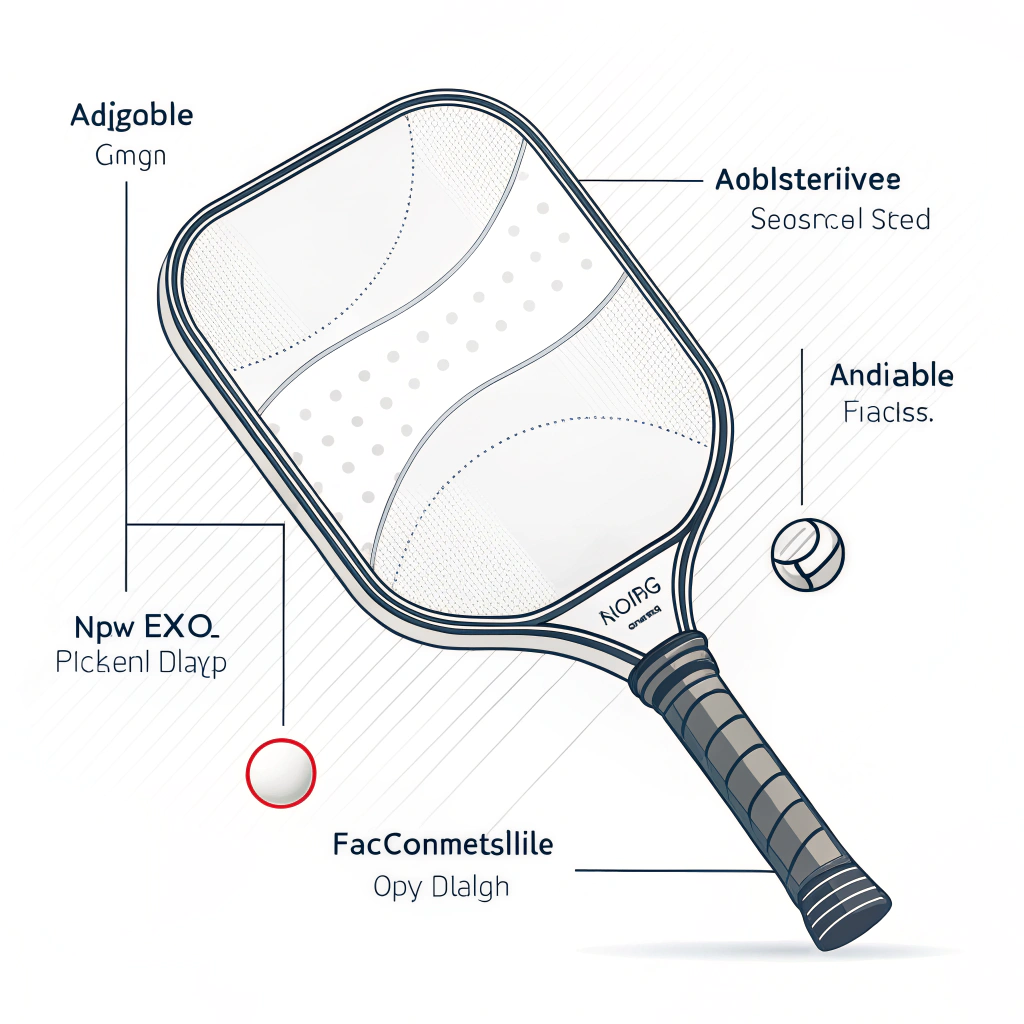
For optimum performance, the paddle’s design is as important as its materials and production processes. Ergonomic Grips5 come in various sizes and materials. Customizable grip sizes ensure that players, whether beginners or professionals, have a comfortable and secure hold.
• Optimal Weight Distribution: A well-balanced paddle can dramatically improve swing, reduce fatigue, and accommodate rapid play styles.
• Surface Texture: Specially treated surfaces enhance ball control and spin, offering subtle yet significant performance enhancements.
Customization further allows clients to select exact specifications. For businesses, offering on-demand printing or custom design options (including branding and color choices) can be a competitive edge in B2B trading. Tailoring designs to target regions and player demographics can increase product appeal and market penetration in global markets.
When it comes to selecting high-performance paddles, procurement decisions are not just about technical specifications. It’s also about aligning with market strategy and cost efficiency. Here are some key considerations:
-
Material and Production Costs: While premium materials like 12K Carbon Fiber may offer superior performance, they may also increase production costs. Balancing these against the potential for higher price points and market positioning is essential.
-
Player Demographics: For instance, beginners often prefer paddles that emphasize control and comfort, while advanced players might demand paddles designed for precise power and speed. Matching products to usage scenarios is critical in addressing diverse customer bases.
-
Scalability and Consistency: High-performance paddles with consistent quality and on-demand customization options enhance brand reliability. NEX Pickleball’s rigorous quality control and advanced production techniques ensure that every paddle meets the highest standards.
-
After-Sales Support: In B2B markets, after-sales services such as replacement parts, technical support, and customization revisions build long-term relationships with clients.
A strategic approach is to offer a range of products that cover all player levels while maintaining scalable production processes. Manufacturers have an opportunity to segment the market by providing entry-level paddles for casual players and premium models for competitive athletes. This segmentation supports tailored marketing efforts and efficient inventory management.
Numerous data points and industry case studies highlight the benefits of using advanced materials and refining production processes. Here are a few exemplary highlights:
• Case Study 1: Enhancing Durability in Professional Play
A leading professional paddle design combined T300 Carbon Fiber with a Nomex Honeycomb Core using thermoforming. The resulting paddle showed a 25% increase in impact resistance and improved balance, making it a hit among competitive players.
• Case Study 2: Optimizing Cost Efficiency for Mass Markets
By leveraging cold pressing1 techniques with fiberglass panels, a major sports equipment supplier reduced production costs by 15% while maintaining excellent control performance for beginner level players. This approach allowed for competitive pricing without sacrificing core performance attributes.
• Case Study 3: Customization Drives Brand Engagement
Offering customizable on-demand printing and grip sizes, one client reported a 30% increase in repeat orders. Customization not only enhances player experience but also strengthens brand loyalty and opens up new revenue streams.
These examples underscore the importance of aligning material selection and production techniques with their intended market and usage scenarios. Data-driven insights demonstrate that strategic investments in research and development can yield superior products that meet and exceed the expectations of various player segments.
In summary, selecting the right pickleball paddle for different player levels involves careful evaluation of materials, production processes, ergonomic design, and market needs. By understanding and comparing advanced manufacturing techniques such as hot pressing, cold pressing1 and thermoforming2, procurement managers can tailor their inventory to meet the exact needs of their end users. Factors such as material choice, including various types of carbon fiber, fiberglass, and composite cores, are crucial in defining performance parameters like durability, rebound, and control.
Moreover, customization offers a unique value proposition in today's competitive market, allowing companies to build strong supplier relationships and brand loyalty. As seen through industry case studies, applying a careful, balanced approach to selecting and producing paddles can produce measurable benefits. For every sports equipment procurement manager, aligning these technical, financial, and ergonomic factors with business strategy is the key to success in a rapidly evolving market.
Ultimately, informed decision-making and a strong grasp of advanced production techniques will not only lead to improved player performance on the court but also drive sustainable growth for businesses operating in the dynamic sports equipment market.
• How to choose pickleball paddle for advanced players?
When selecting a paddle for advanced players, consider factors such as paddle weight, grip size, material composition (like high-performance carbon fiber), and core design. It's crucial to match the paddle with the player's style, ensuring optimal power and control during high-speed play.
• Which pickleball paddle hits the hardest?
The hardness of a paddle is influenced by its material and core construction. Paddles made from premium carbon fiber combined with a rigid, shock-absorbing core are typically built to maximize power. However, the balance between hardness and ball feel is essential for overall performance.
• What pickleball paddles do the top players use?
Top players often favor paddles that combine advanced materials such as high-performance carbon fiber with precision-engineered cores that offer control and power. These paddles are designed to provide enhanced stability and consistent performance even during intense play.
-
cold pressing: Explore how cold pressing technology enables precision shaping of materials while preserving their intrinsic properties for superior product control and feel. ↩ ↩ ↩2 ↩3 ↩4 ↩5
-
thermoforming: Learn about thermoforming as a versatile manufacturing process that allows for intricate designs and optimized material distribution in premium products. ↩ ↩ ↩2 ↩3
-
carbon fiber: Reading this article will provide insights into the properties, manufacturing methods, and applications of carbon fiber in enhancing product performance and durability. ↩ ↩ ↩2
-
Composite Materials: This resource explains the diverse types of composite materials, their benefits, and how they contribute to combining strength, durability, and performance in manufacturing. ↩ ↩
-
Ergonomic Grips: Delve into the design principles behind ergonomic grips, including how tailored designs enhance comfort, reduce fatigue, and boost overall user performance. ↩ ↩