Skip to content

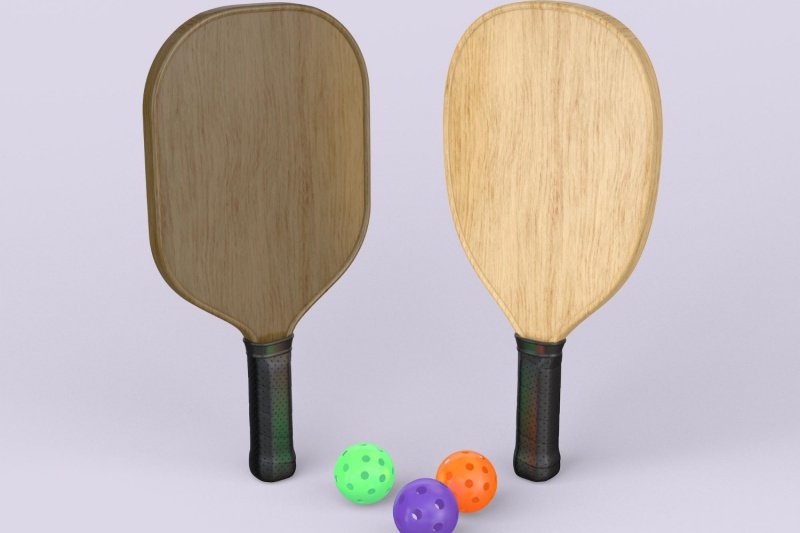

Struggling to find the right paddle to start with? A heavy one may hurt your wrist, while the wrong shape kills control.
A lightweight pickleball paddle is ideal for beginners seeking better control and comfort while learning the game.
If you're new to the sport or managing inventory for first‑time players, choosing the right OEM paddle1 is crucial.
What is considered a lightweight pickleball paddle?
Many new players give up quickly due to arm fatigue or poor ball control. A heavy paddle is often the silent culprit.
A lightweight pickleball paddle typically weighs between 7.0 to 7.6 ounces and offers easier maneuverability and less strain.
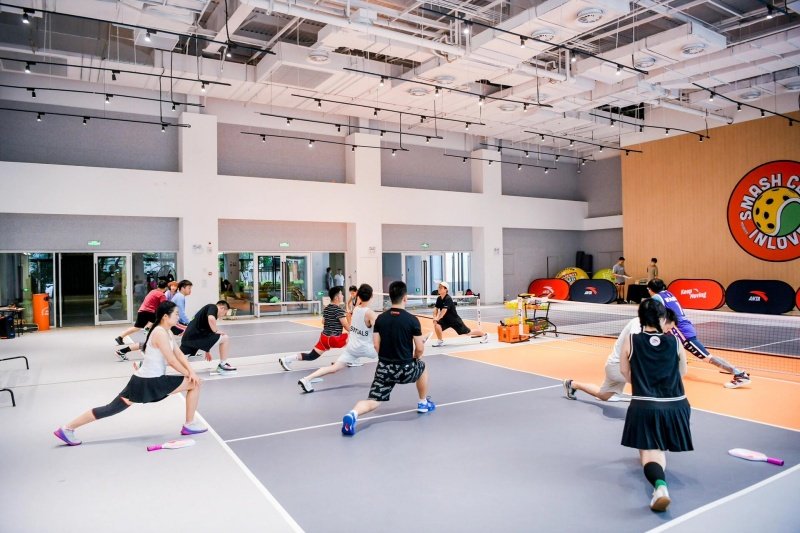
Understanding Paddle Weight Ranges
Weight is one of the most important specs when choosing a paddle for beginners. Let’s examine the three typical categories:
| Paddle Type | Weight Range | Best For |
|---|---|---|
| Lightweight | 7.0 – 7.6 oz | Control, fast reactions |
| Midweight | 7.6 – 8.4 oz | Balance between power and control |
| Heavyweight | 8.4 oz and above | Power players, strong swing arms |
Balancing Benefits and Trade‑offs
While lightweight paddles reduce arm fatigue and improve control, they may sacrifice some power. However, for beginners, control and comfort matter more. As the OEM behind NEX Pickleball, I've seen many partners request lightweight models for entry‑level kits due to lower return rates and better customer feedback.
We manufacture lightweight paddles with optimized core thickness and face materials to ensure they don’t feel too “soft.” You get agility without sacrificing too much impact strength.
Do pickleball paddles make a difference for beginners?
Beginners often think any paddle will do, but a poor choice can lead to frustration or injury.
Yes, paddle design significantly affects a beginner’s learning curve, comfort, and success on the court.
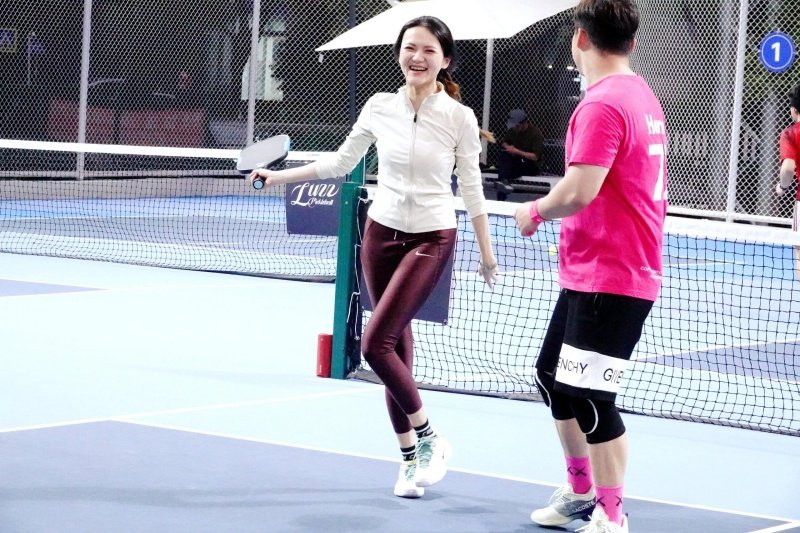
Key Performance Factors for Beginners
| Factor | Importance for Beginners | Paddle Design Influence |
|---|---|---|
| Weight | Prevents fatigue, injury | Lightweight frames |
| Surface Material | Affects ball spin and feel | Fiberglass or carbon fiber faces2 |
| Core Thickness | Impacts control and power | 13 mm vs. 16 mm (see later section) |
| Grip Size | Ensures hand comfort | Adjustable or standard options |
OEM Design Considerations
When I design paddles for OEM clients targeting beginner markets, we prioritize a larger sweet spot3, forgiving surface materials, and lighter cores. These features help new players feel confident from the first swing.
Most customers want their entry‑level models to stand out with attractive graphics and ergonomic handles. We offer these features as part of our private‑label packages without increasing MOQ or lead time4, which makes your product more market‑ready.
What is the best pickleball paddle for an average player?
An average player needs a paddle that grows with their skills—balancing comfort, power, and control.
The best pickleball paddle for the average player is a midweight option with a responsive face and balanced core.

Choosing a Paddle That Evolves with the Player
| Player Level | Suggested Paddle Type | Key Attributes |
|---|---|---|
| Beginner | Lightweight, wide‑body | Control, large sweet spot |
| Average Player | Midweight, hybrid core | Versatility, spin, feel |
| Advanced Player | Heavy, narrow body | Power, speed, precision |
Why OEM Flexibility Matters
As an OEM provider, I often recommend that wholesalers and sports retailers carry a range of paddles that cater to evolving skill levels. A midweight model can serve as a go‑to paddle in your product line for both beginners and intermediates.
We use premium polymer cores and carbon fiber faces to give average players the tactile feedback they need without feeling underpowered. These hybrid builds allow for good spin and energy return—ideal for people improving their technique.
Do you want a 16 mm or 13 mm pickleball paddle?
The paddle’s core thickness changes how the ball feels, how much power you generate, and how precise your shots are.
A 16 mm core offers better control and stability, while a 13 mm core delivers more power and pop.
16 mm vs. 13 mm: Which Core Suits Which Player?
| Core Thickness | Ideal For | Benefits | Trade‑Offs |
|---|---|---|---|
| 16 mm | Control‑oriented players | Better accuracy, soft feel | Slightly less power |
| 13 mm | Power‑oriented players | More energy return, speed | Reduced touch and control |
How We Optimize Core Thickness in OEM Builds
In our factory, we offer both 13 mm and 16 mm polypropylene cores5. For beginner models, I often recommend 16 mm for its control and confidence‑building feel. However, some OEM clients catering to younger or stronger demographics prefer the 13 mm variant for a “poppier” feel.
We can customize core thickness based on your target market, branding goals, or even regional preferences. For example, U.S. buyers may lean toward 16 mm for feel, while European markets often favor 13 mm for dynamic play.
Conclusion
Lightweight OEM paddles offer control, comfort, and customization—perfect for helping beginners enjoy the game and your brand.
-
Understand OEM manufacturing to evaluate customization opportunities and supplier capabilities. ↩
-
Learn advantages of carbon fiber faces for durability, spin, and premium appeal. ↩
-
Explains sweet spot importance for consistent hits and customer satisfaction. ↩
-
Clarifies MOQ and lead time, helping plan inventory and launches efficiently. ↩
-
Details polypropylene core benefits: lightweight strength, noise reduction, popular in beginner paddles. ↩