Skip to content

Our expertise in high-performance pickleball paddle manufacturing informs us that understanding the nuances of the game—both in terms of equipment and rules—is essential for businesses looking to supply competitive, durable, and regulation-compliant products. Let's explore how our advanced production techniques and attention to game details directly support better playing experiences and smarter B2B procurement decisions.
Pickleball is one of the fastest-growing sports worldwide. While the game’s rules may seem straightforward, small details often make a significant difference in performance and fairness. For B2B buyers in the sporting goods sector, especially those sourcing paddles, it is important to align the quality of equipment with the sport’s conditions and gameplay practices. In this article, we detail key aspects of pickleball rules that affect gameplay and examine advanced manufacturing processes that ensure our paddles deliver the highest performance.
A major challenge in the pickleball arena is ensuring that equipment maintains precise standards that suit strict gameplay rules. Consider common pitfalls players may face, such as using an illegal serve or making unintentional rule violations that compromise game integrity. Understanding how players interact with their paddles, including the effects of vibration, control, and durability during rigorous match conditions, is paramount. Our experience manufacturing paddles for well-known brands like Joola and Selkirk reinforces that the connection between paddle performance and rule adherence is critical when making purchasing decisions.
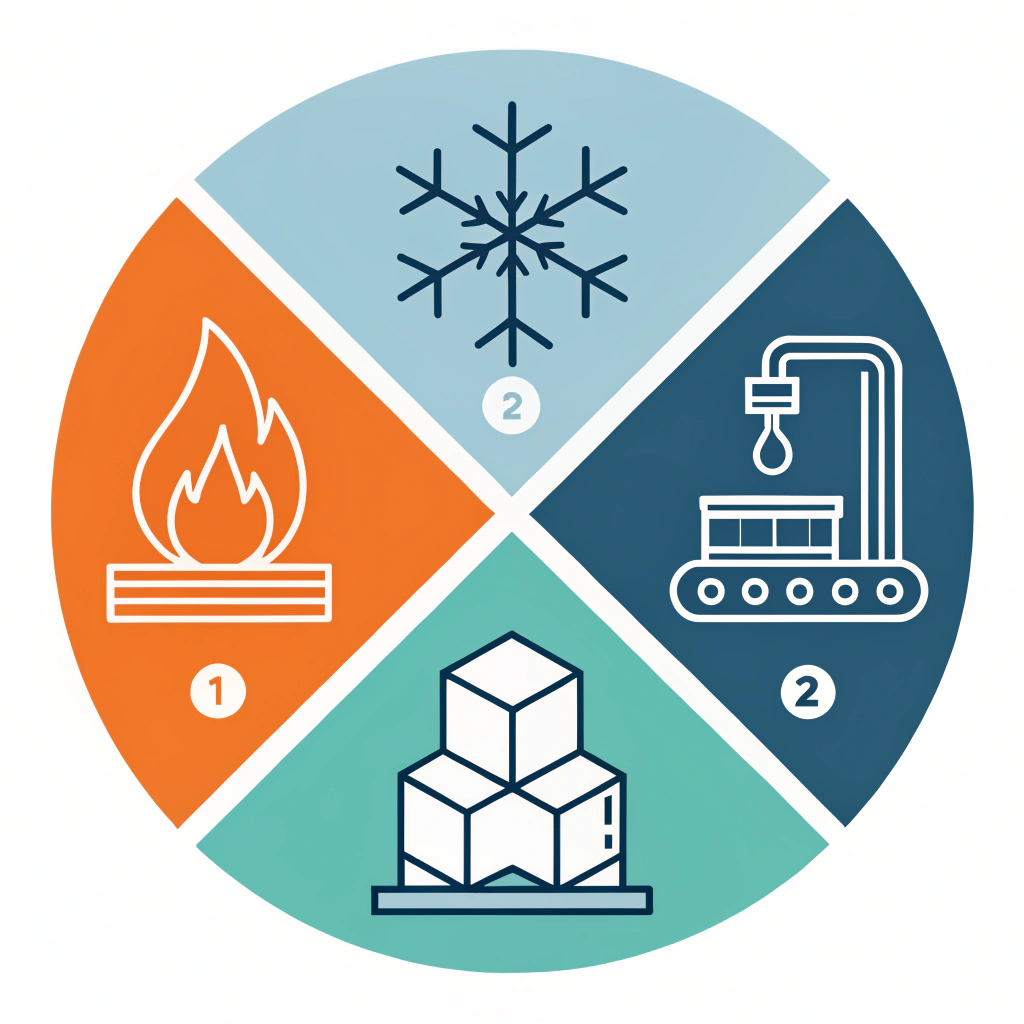
Our production processes are designed with these challenges in mind. We deploy three main technologies: Hot Pressing1, Cold Pressing2, and Thermoforming3. Each method is chosen based on desired characteristics such as durability, control, weight distribution, and ergonomic comfort. Below is a summary table highlighting the advantages and disadvantages of each production technique:
| Production Process | Advantages | Disadvantages |
|---|---|---|
| Hot Pressing | • High production efficiency and strong impact resistance • Excellent structural integrity for high-performance use | • Potentially alters material feel • Requires significant equipment investment |
| Cold Pressing | • Precise control over paddle thickness and structure • Superior ball feel and flexibility | • Slower production cycles • Demands high-precision equipment |
| Thermoforming | • Ideal for complex paddle designs with consistent material distribution • Enhances stability and performance of intricate designs | • Longer production time • Higher equipment cost, best for premium products |
This table shows that while there is no one-size-fits-all manufacturing process, each technique is optimized for specific gameplay benefits. As a B2B buyer, aligning your product portfolio with the right production process can ensure a competitive edge in the market.
Our dedication to using premium materials further sets our paddles apart. We use several types of carbon fiber—such as 3K, 12K, and T300—each tailored to deliver unique benefits. For example, 3K carbon fiber provides strength with flexibility, whereas 12K offers a smoother surface and higher impact resistance. Similarly, our use of fiberglass in some paddles ensures that players receive an optimal balance between power and control. These materials are carefully chosen to secure superior ball rebound and reduce vibration, especially in fast-paced competitive play.
Beyond the materials and production processes, our approach emphasizes the importance of quality control. Every paddle undergoes rigorous testing to comply with both internal standards and official pickleball regulations. From the grip's ergonomic design to surface treatments that enhance ball spin and control, each element is engineered with the player’s performance in mind. This attention to detail ensures that issues such as inconsistent ball rebound or diminished durability during extended rallies are addressed proactively—a critical factor for sports retailers and distributors who want to offer reliable performance across all levels of play.
For businesses making procurement decisions, it is vital to consider how a paddle's design influences gameplay. Our paddles come in various grip sizes and feature surfaces that have been optimized to maintain adequate friction, even in high-demand scenarios. Through careful material selection and thoughtful structural design, our paddles help players avoid common gameplay errors such as:
• Using an improper serve technique
• Misjudging shot placement near boundaries like the non-volley zone
• Overstepping rule boundaries that could influence the outcome of a match
These considerations not only enhance player performance but also lead to lower product returns and higher customer satisfaction. As an industry partner, you want products that deliver consistent quality and meet the evolving needs of both recreational and competitive players.
Our commitment to continuous improvement means we are always on the lookout for innovations that further enhance paddle performance. One area of focus is improving vibration reduction during play. For instance, the combination of honeycomb cores or Nomex honeycomb4 in our paddles is specifically designed to provide excellent shock absorption while maintaining paddle stiffness—a delicate balance that ensures optimal power and control. By incorporating composite materials5 such as the blend of carbon fiber and fiberglass, we create paddles that are not only strong and durable but also light enough to offer quick maneuverability during intense matches.
Additionally, our custom paddle options allow businesses to tailor specifications such as weight, balance, and grip size. This customization potential is invaluable in B2B relationships, as it enables sports organizations and retail brands to offer products that are not only functionally superior but also carry unique branding opportunities. In many cases, a custom paddle can become a signature product that drives customer loyalty and distinguishes your brand in a crowded marketplace.
As we look ahead, trends in pickleball equipment continue to move towards smarter, cleaner designs with improved player comfort and enhanced durability. The combination of advanced production techniques and high-quality materials positions companies like NEX Pickleball as industry leaders. For businesses, partnering with a manufacturer that consistently delivers cutting-edge products ensures that your procurement decisions are backed by science, data, and a deep understanding of the game’s demands.
In summary, the key to successful purchasing in the pickleball equipment sector lies in recognizing the inherent link between paddle production technology and the quality of gameplay. By choosing paddles that utilize sophisticated production processes—whether through hot pressing, cold pressing, or thermoforming—you can offer products that excel in performance, durability, and compliance with game regulations. Our paddles incorporate diverse materials such as carbon fiber, fiberglass, and various composite materials, each chosen to enhance specific aspects of play, from improved ball control to effective vibration dampening.
For B2B buyers, the actionable takeaway is clear: align with partners who offer not only innovative products but also the technical expertise to adapt to evolving gameplay standards. With a robust quality assurance framework and flexible customization options, NEX Pickleball stands ready to support your business objectives with paddles that meet the highest expectations for both performance and compliance.
People Also Ask
Q: What are 5 things you cannot do in pickleball?
A: Generally, players must avoid using a tennis-like serve, hitting the ball out of bounds, volleying from within the non-volley zone, taking too many steps during a serve, and failing to give opponents enough space or proper communication. These rules ensure fair play and maintain the sport’s integrity.
Q: Is the ball out if it touches the line?
A: No, if any part of the ball touches the line, it is considered in. A ball must land completely outside the court to be deemed out, making precise line calls essential during play.
Q: Is the kitchen line out on Serve?
A: Yes, if a ball touches the kitchen line on a serve, it is ruled out. This specific rule helps maintain the integrity of the serve and reduces confusion during the game.
-
[Hot Pressing]: Click to read more about this manufacturing process, its impact on production efficiency, and how it maintains structural integrity for high-performance sports equipment. ↩ ↩
-
[Cold Pressing]: Click to learn about precision control in paddle manufacturing and the benefits of superior ball feel achieved through this process. ↩ ↩
-
[Thermoforming]: Click to explore how complex paddle designs benefit from thermoforming, ensuring consistent material distribution and enhanced stability. ↩ ↩
-
[Nomex honeycomb]: Click for insights on the role of Nomex honeycomb in shock absorption and how it balances paddle stiffness with effective vibration reduction. ↩ ↩
-
[composite materials]: Click to understand the advantages of composite materials in paddle manufacturing, including strength, durability, and optimized performance characteristics in competitive play. ↩ ↩