Skip to content

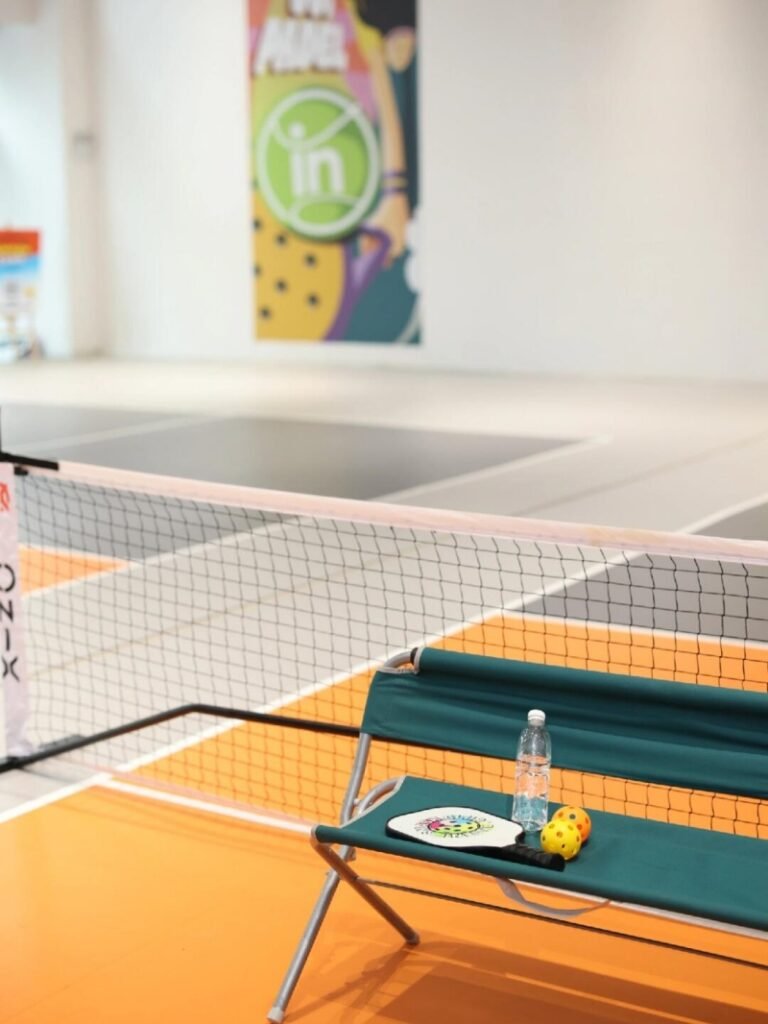
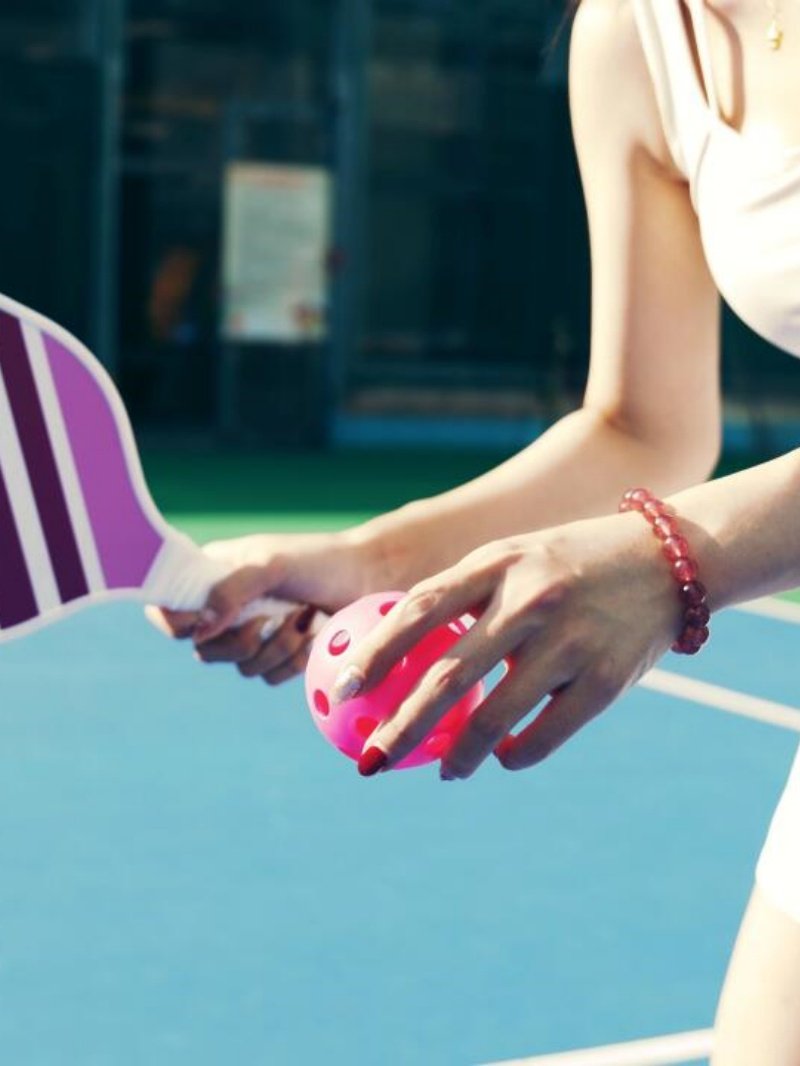
As pickleball grows in popularity, noise complaints have become a common issue. But how loud is pickleball compared to tennis?
Pickleball is louder than tennis due to its hard paddles and plastic ball, creating a sharper, more repetitive impact noise.
Let’s explore how pickleball’s sound compares to tennis and how far the noise travels.
What Is Louder, Pickleball or Tennis?
Both sports produce noise, but their sound characteristics differ.
Pickleball is louder than tennis because the paddle and plastic ball create a [high-frequency “pop” sound](https://www.ipop.fun/blogs/news/why-is-pickleball-so-noisy-a-deep-dive-into-the-sounds-of-the-game[^2], while tennis produces a lower-frequency thud.

Comparing Pickleball and Tennis Noise Levels
| Factor | Pickleball | Tennis |
|---|---|---|
| Sound Type | High-pitched “pop” | Lower, muted thud |
| Decibel Level | 70-85 dB1 | 40-65 dB |
| Frequency | Higher, more frequent | Lower, less frequent |
The repetitive nature of pickleball rallies also increases perceived noise compared to the slower pace of tennis.
Is Pickleball Loud for Neighbors?
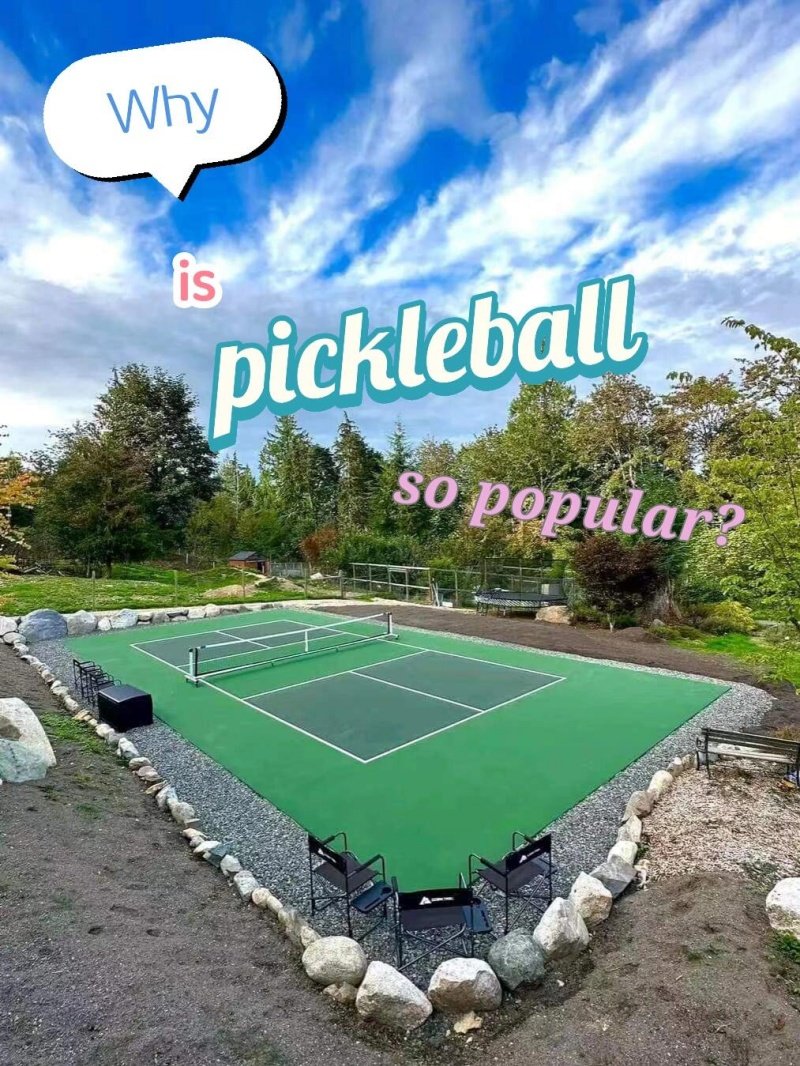
As pickleball courts pop up in residential areas, neighbors frequently raise noise complaints.
Pickleball noise can be disruptive to neighbors, especially when courts are close to homes and games continue for long hours.
Why Pickleball Noise Affects Neighbors
- Higher Frequencies Travel Farther – The sharp “pop” carries more than a tennis ball’s thud.
- Frequent Play – Games last longer, with constant rallies.
- Multiple Courts Increase Noise – Several courts together amplify the sound.
To reduce noise impact, some communities install sound barriers or use quieter paddles and balls.
Is Pickleball a Noisy Sport?
Noise perception depends on volume, frequency, and repetition.
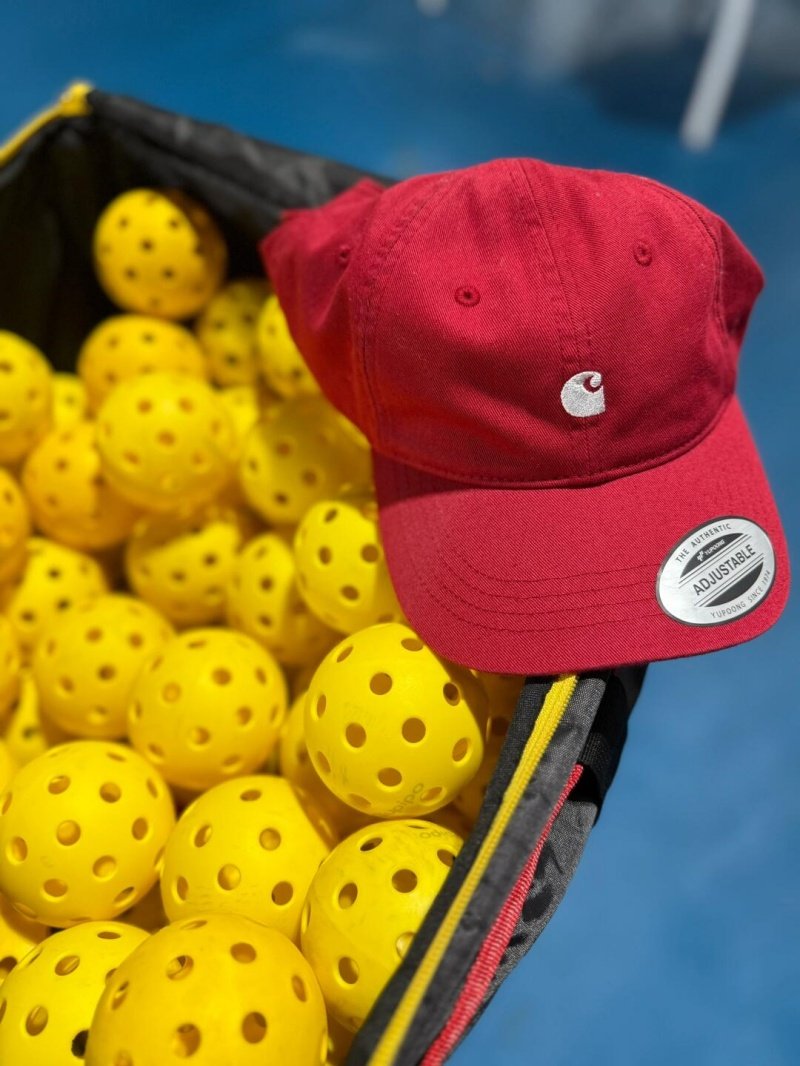
Pickleball is considered a noisy sport due to the hard composite paddles2 that amplify sound, the plastic ball’s impact, and frequent player chatter.
Factors That Make Pickleball Noisy
| Factor | Impact on Noise |
|---|---|
| Paddle Material | Hard composite paddle amplify sound. |
| Ball Type | Plastic ball creates a sharp, loud impact. |
| Court Setup | Multiple courts in one area increase overall noise. |
Communities are exploring noise-reduction strategies, including designated playing hours and sound-dampening fences.
How Far Away Can You Hear Pickleball?
One of the biggest complaints is how far pickleball noise travels.
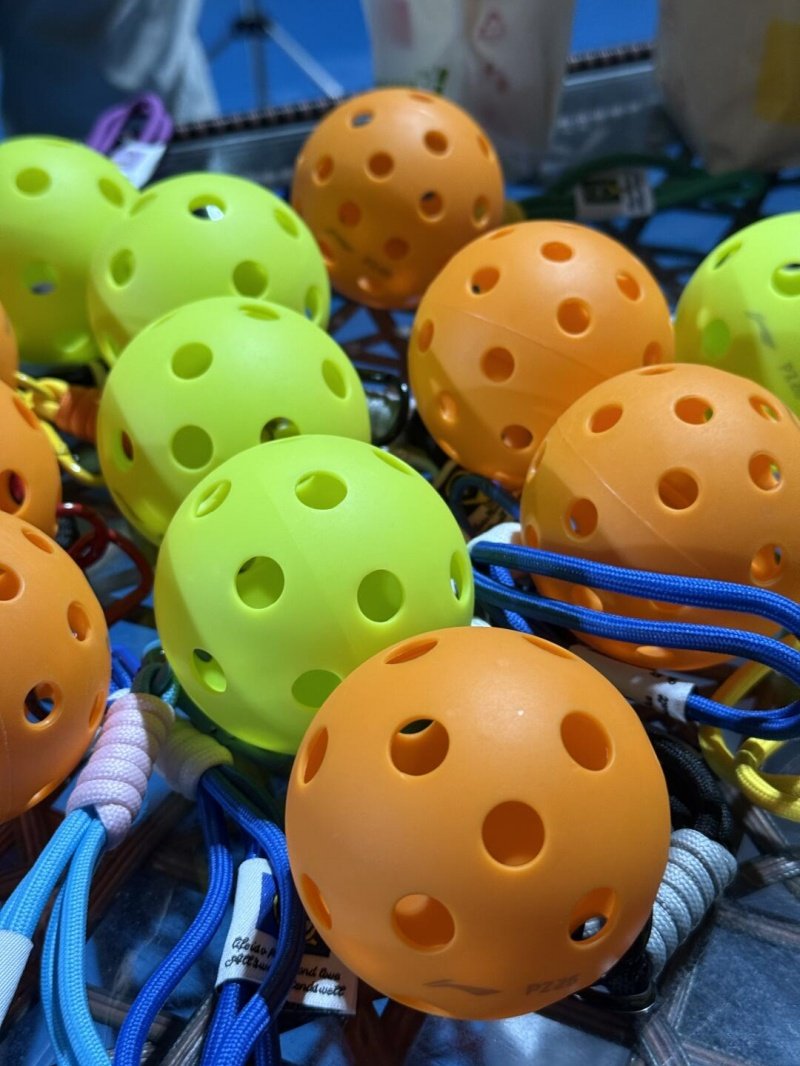
Pickleball noise can be heard up to 500 feet away, with some reports of sound carrying over 1,000 feet in quiet neighborhoods.
How Distance Affects Pickleball Noise
| Distance | Noise Level Perceived |
|---|---|
| 100 feet | Loud and distinct |
| 300 feet | Noticeable but less sharp |
| 500 feet | Faint background noise |
| 1,000 feet | Barely audible in urban areas |
Barriers, trees, and buildings can help block or absorb some of the sound.
Conclusion
Pickleball is louder than tennis, and its sharp, repetitive sound can travel far, causing issues in residential areas. Solutions like noise-reducing paddles3, court barriers, and sound-dampening fences4 can help balance the sport’s growth with community concerns.
-
Learn what 70-85 dB means in terms of sound intensity and noise perception. ↩
-
Discover how hard composite paddles amplify sound during play. ↩
-
Explore the benefits of noise-reducing paddles in minimizing impact noise. ↩
-
Find out how sound-dampening fences help reduce noise transmission in residential areas. ↩