Skip to content


Quick Answer: To achieve a hard and powerful pickleball serve, coaches must blend refined serving techniques with high-performance paddle designs. Advanced paddle compositions—like those featuring carbon fiber1 and specialized core materials—ensure that every stroke translates into optimal speed, control, and impact on the court.
In today’s competitive pickleball environment, mastering the hard serve is not just about perfecting your swing. It involves a detailed understanding of serve mechanics, player biomechanics, and the performance-enhancing characteristics of advanced paddle materials. This article explores how integrating both coaching techniques and superior paddle technologies can transform your practice and on-court performance.
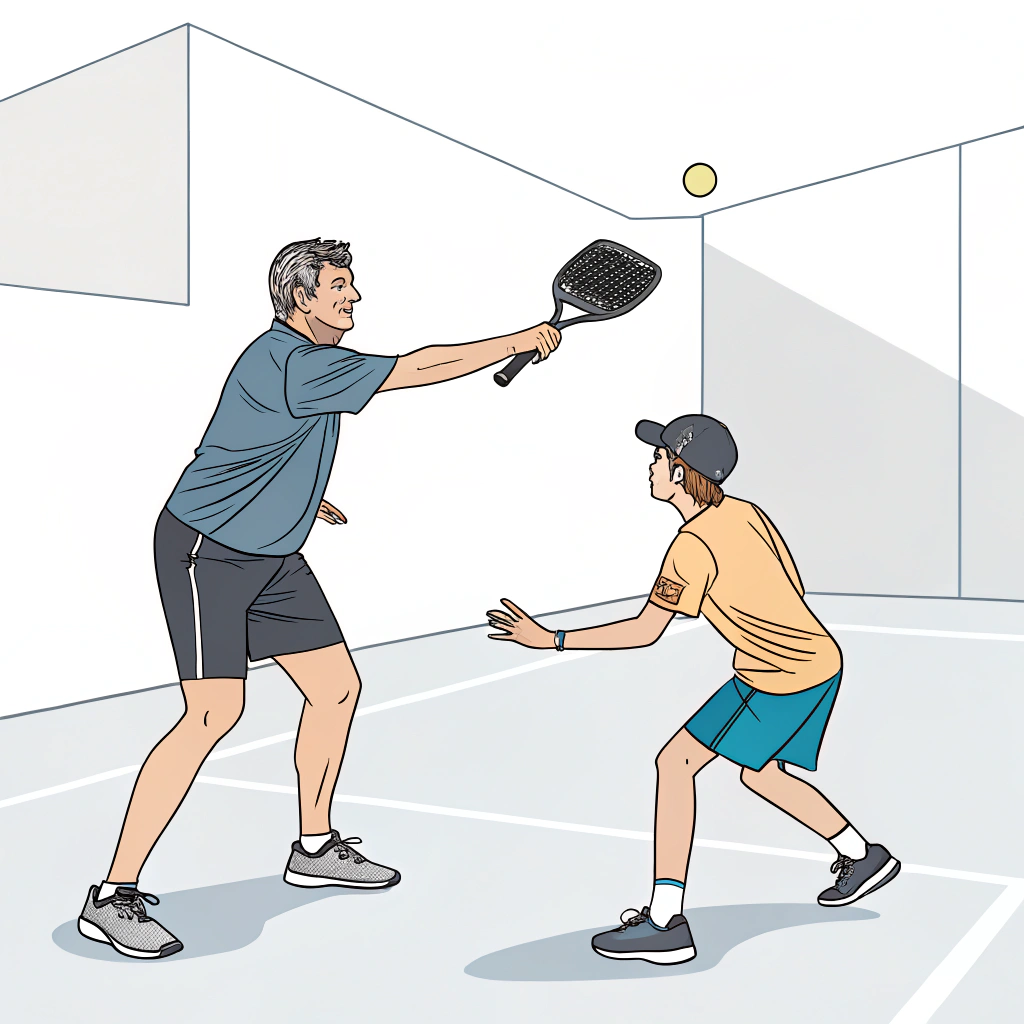
For many coaches, trainers, and facility managers, the quest to improve serve power is a consistent challenge. A hard serve can set the tone of a match, pressurize opponents early, and create a competitive advantage. However, achieving this requires addressing two key components:
- Player Technique: Perfecting the biomechanics of a strong serve demands precise body coordination, optimal grip, and the correct arm motion.
- Paddle Technology: The paddle’s construction, including materials and production methods, plays a critical role in transferring energy efficiently and reducing vibration, making every serve more potent and sustainable.
Understanding the synergy between these components is essential for coaches aiming to elevate both individual performance and overall team strategy.
A powerful pickleball serve relies on several critical variables:
- Pre-Serve Positioning: Alignment, footing, and preparation are vital. The feet position, balance, and stance are the foundation of an explosive serve.
- Swing Mechanics: A smooth, fluid motion, combined with rotational power from the torso, is what generates speed and spin.
- Contact Point: Impacting the ball at an ideal contact point maximizes paddle energy transfer and controls the ball’s trajectory.
- Follow Through: A complete follow-through ensures that kinetic energy is efficiently transferred to the ball, reducing energy loss.
The paddle is more than a mere tool—it acts as an extension of the arm. Advanced paddle designs, utilizing 3K, 12K Carbon Fiber2, or T300 carbon fibers, as well as specialized core materials, have been engineered to support these technical components by enhancing energy transmission while dampening unwanted vibrations.
Carbon fiber1 plays a pivotal role in modern paddle construction. There are several types used, each with unique attributes:
- 3K Carbon Fiber: Ideal for paddles that require high rebound force. Its inherent flexibility and strength aid in producing a hard serve by reducing vibration.
- 12K Carbon Fiber: Provides a smoother surface and enhanced impact resistance, making it perfect for players looking for extreme strength during competitive play.
- T300 Carbon Fiber: Balances strength with lightness, rendering paddles that offer both power and maneuverability.
Each type of carbon fiber contributes to a paddle that can absorb the energy from a rapid serve and deliver it back with minimal loss, translating into improved serve speed and control.
The paddle's core is another critical factor in enhancing serve performance. The core materials influence the paddle's weight distribution, stiffness, and vibration dampening:
- Nomex Honeycomb Core3: Known for its excellent shock absorption and durability. This core material provides a stable yet responsive hitting experience.
- Aluminum Honeycomb Core: Offers a balanced weight, delivering both power and precise control, which is crucial for the finesse required in a powerful serve.
- Polymer Honeycomb Core: With high elasticity and reduced vibration, it caters especially to players who require comfort without sacrificing performance.
By carefully selecting and combining these materials, manufacturers can produce paddles tailored to optimize serve mechanics. The right composition not only enhances serve speed but also offers improved ball control and consistency with each hit.
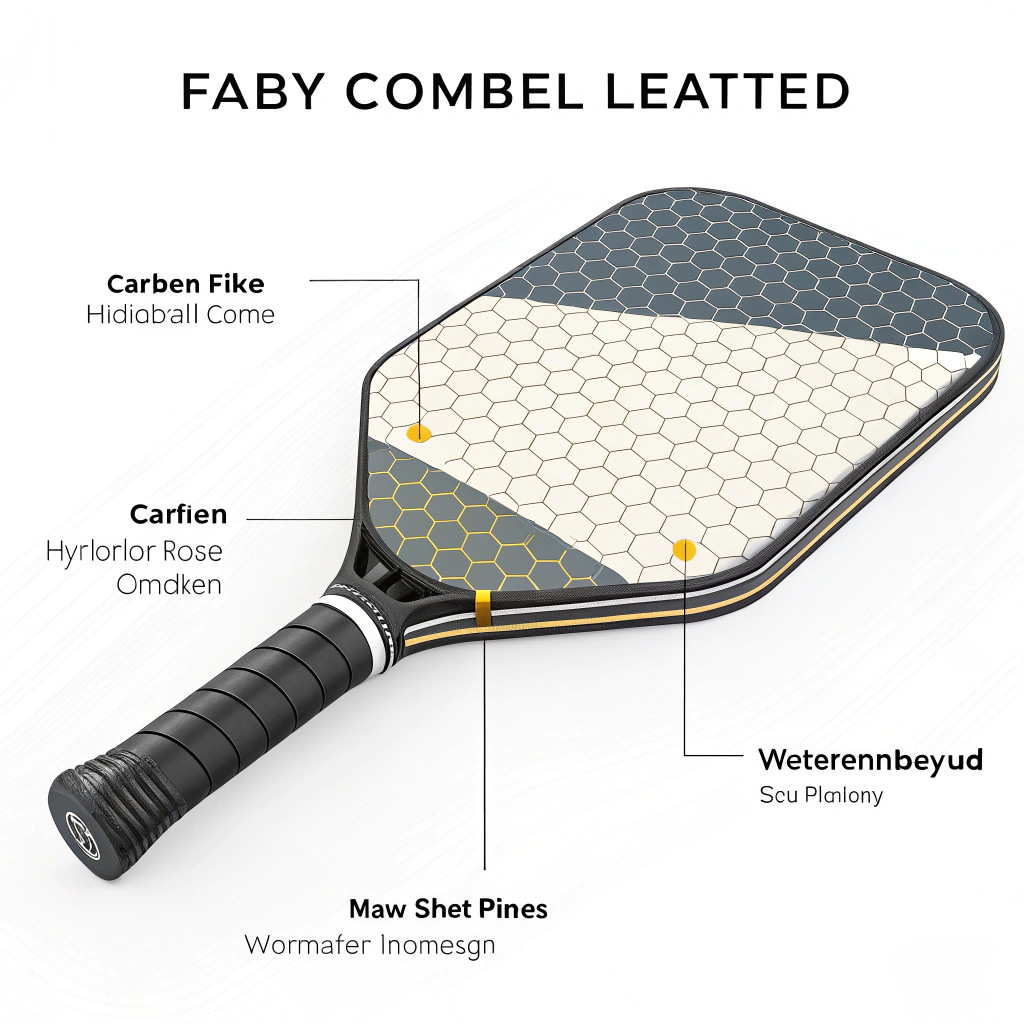
Different production processes create distinct paddle characteristics that directly affect the serve’s quality. Here’s an overview of the primary techniques and their respective advantages and limitations:
| Process | Advantages | Disadvantages |
|---|---|---|
| Hot Pressing | - High production efficiency - Strong impact resistance - Excellent structural integrity | - May alter material feel - Requires high investment in equipment |
| Cold Pressing4 | - Precise control over thickness - Maintains inherent material properties - Superior ball feel | - Longer production cycles - Demands high-quality equipment for pressure control |
| Thermoforming5 | - Allows intricate designs - Provides precise material distribution - Enhances paddle stability | - Longer production times - Higher equipment costs necessary |
Understanding these processes helps coaches appreciate the nuances behind paddle performance. For instance, a paddle produced through cold pressing may offer the refined control necessary to execute a hard serve with precision, while thermoformed paddles provide stability for players who value intricate design features that aid in energy transfer.
Coaches can adopt the following strategies to maximize the potential of advanced paddles in serving:
- Drills Focused on Impact Point: Use drills that help players find the optimal contact point with the ball. By aligning the serve mechanics with the paddle’s characteristics, players can fully exploit its strength-enhancing properties.
- Grip and Stance Adjustments: Encourage adjustments in grip and stance that complement the paddle’s weight distribution. For instance, a paddle featuring a polymer honeycomb core will respond differently compared to one with an aluminum honeycomb core.
- Simulated Serve Pressure Training: Create practice scenarios that simulate high-pressure match conditions. This allows players to adapt to the paddle’s dynamic response under stress, helping them develop consistency in serve performance.
- Feedback Incorporation: Use video analysis and on-court feedback sessions to fine-tune both the paddle handling technique and the serve execution. This iterative process bridges the gap between theory and practice.
Consider a scenario where a pickleball coach notices that a power hitter’s serve lacks consistency. Upon further analysis, the coach identifies that the issue is a mismatch between the serve mechanics and paddle composition. By switching to a paddle constructed with 12K carbon fiber for enhanced strength and incorporating drills that emphasize a clear follow-through, the player's serve speed and accuracy improve markedly. Data from subsequent matches showed a noticeable enhancement in serve success and reduced error rates, demonstrating how equipment choices directly influence performance.
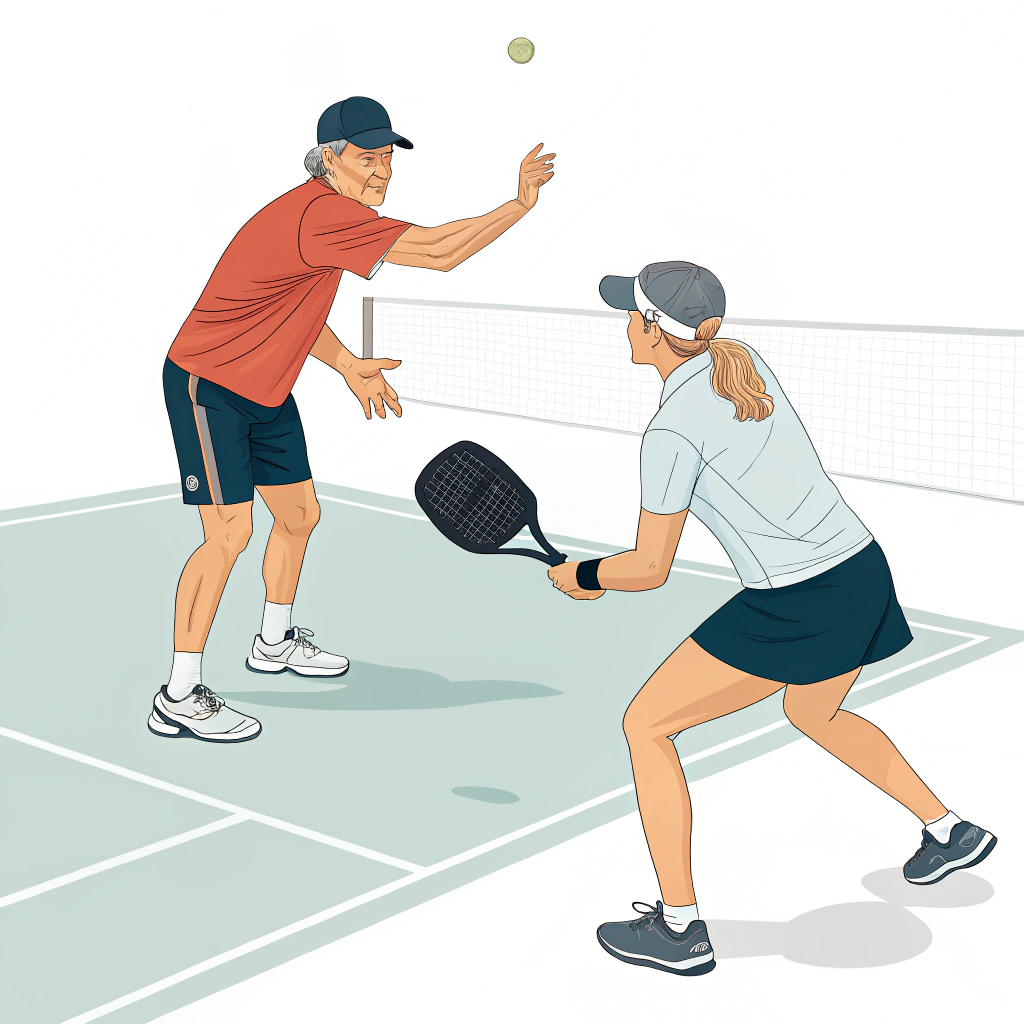
When integrating these insights into your coaching strategy and equipment selection, consider the following tips:
- Evaluate Player Skill Level: Beginners may benefit from paddles that offer greater control and comfort, while advanced players might prefer paddles optimized for power. Tailor your paddle selection based on the individual’s skill and physical attributes.
- Test Multiple Options: Encourage players to experiment with paddles featuring different production processes and material combinations. A hands-on approach not only refines technique but also helps in identifying the optimal equipment for each player’s style.
- Monitor Equipment Wear: Regular maintenance and periodic testing of paddle performance can alert you to any performance shifts due to wear and tear. This proactive approach ensures that the equipment continues to contribute positively to serve mechanics.
- Training Equipment Compatibility: Align your training regimen to suit the technical specifications of the chosen paddle. For instance, if a paddle outputs a higher rebound, balance drills to adjust receiving techniques might be necessary to ensure game strategy alignment.
Mastering the hard serve in pickleball is a journey that encompasses both technical finesse and informed equipment selection. As coaches, the ability to integrate advanced paddle materials—such as carbon fiber variants and specialized core technologies—into training regimens can unlock performance improvements not achievable by technique adjustments alone.
By understanding the biomechanics of a powerful serve and matching these insights with modern manufacturing advancements like hot pressing, cold pressing, or thermoforming, you create an environment where every serve becomes an opportunity for competitive advantage. This comprehensive approach—combining detailed player technique, innovative paddle design, and structured practice—ensures that each hit delivers unmatched speed, control, and durability.
For coaches and trainers dedicated to refining serve mechanics and enhancing on-court performance, embracing these advanced technologies is not merely an option but a strategic imperative. Start by evaluating your current training practices, consider integrating high-performance paddles, and monitor the incremental improvements in your players’ serve speed and overall game dynamics.
Take action today by collaborating with leading manufacturers in the industry to explore custom paddle options that align with your coaching philosophy and player needs. The future of pickleball performance is here—optimized, refined, and ready to elevate play to new heights.
People Also Ask
Q: What are the 5 rules of serving in pickleball?
A: The key serving rules in pickleball state that serves must be made underhand, ensuring that paddle contact with the ball occurs below the server's waistline. Additionally, the serve must be initiated with at least one foot behind the baseline, and no foot may contact the baseline or the court until after the ball is struck.
-
Carbon fiber: Click to read about the modern composite material utilized in high-performance sporting goods, highlighting its strength-to-weight ratio and vibration-dampening properties crucial for advanced paddle design. ↩ ↩ ↩2
-
12K Carbon Fiber: Click to learn about 12K carbon fiber's unique characteristics, including enhanced impact resistance and smoother surface finish, ideal for competitive paddle applications. ↩ ↩
-
Nomex Honeycomb Core: Click to explore how Nomex honeycomb is engineered for exceptional shock absorption and durability, benefiting dynamic paddle performance. ↩ ↩
-
Cold Pressing: Click to understand the cold pressing production technique, which maintains material integrity and offers superior tactile control essential for precision sports equipment. ↩ ↩
-
Thermoforming: Click to delve into thermoforming processes, explaining how its design flexibility and precise material distribution can enhance the stability and performance of high-end paddles. ↩ ↩