Skip to content

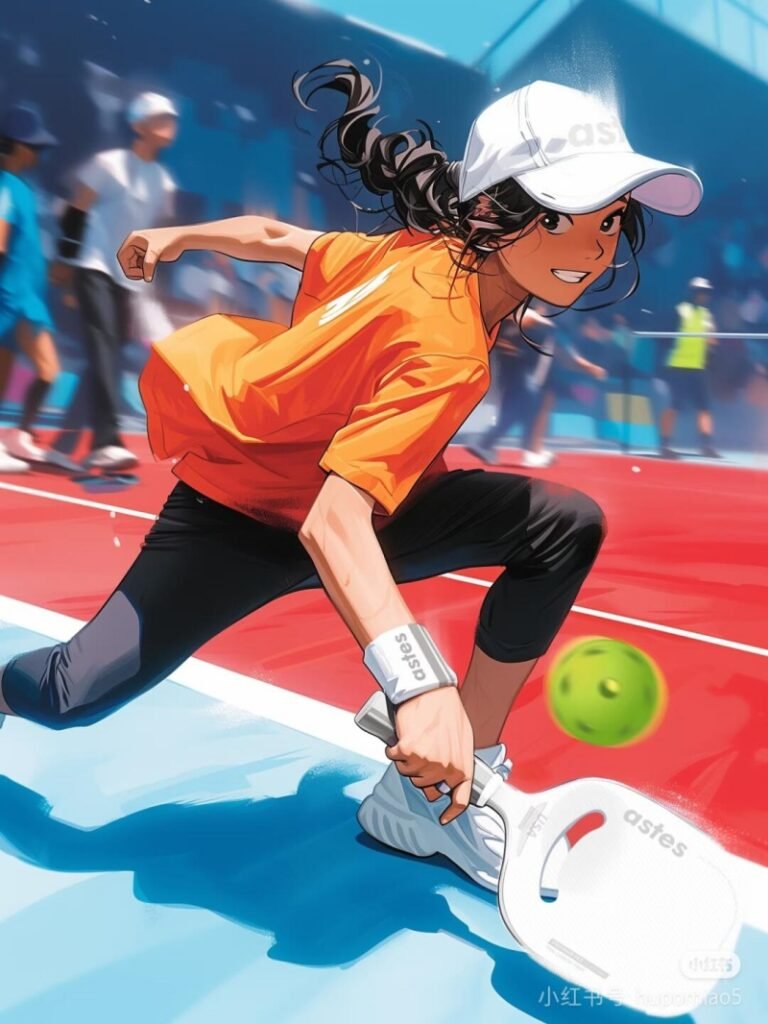
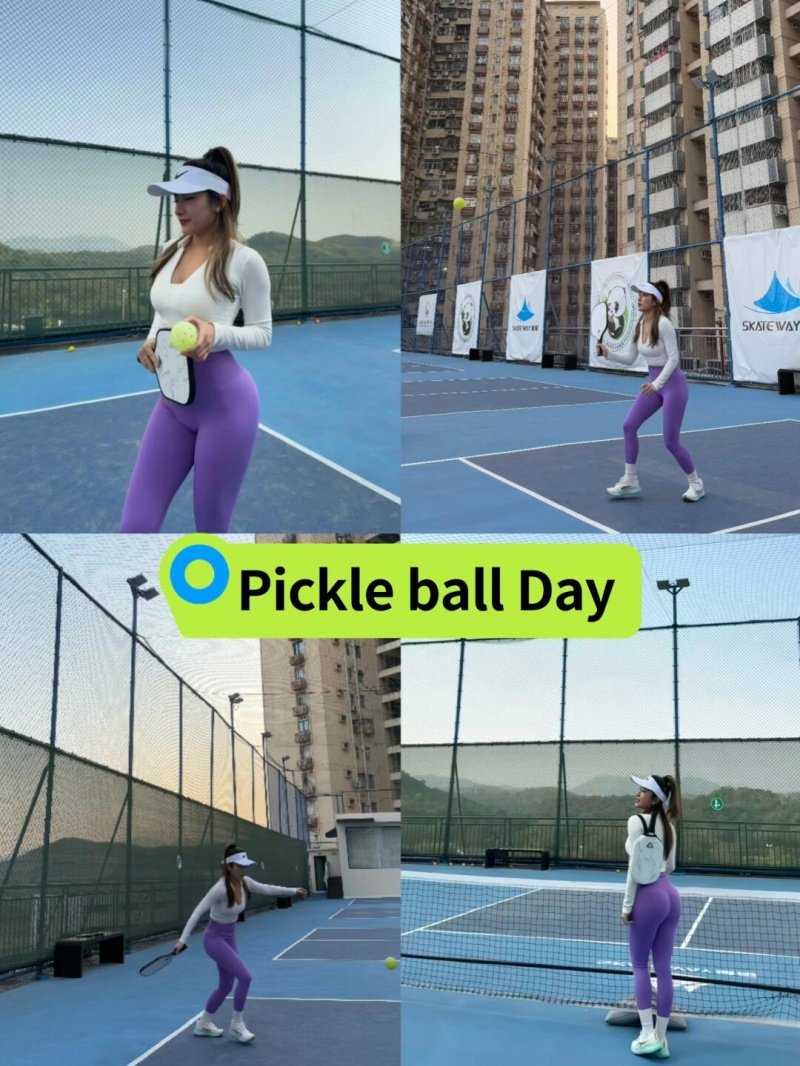
Keeping the ball low in pickleball is crucial to maintaining control, reducing attack opportunities for your opponent, and improving overall gameplay. Many players struggle with high shots that invite aggressive smashes.
To keep the ball low in pickleball, maintain a soft grip1, strike the ball with a slight forward motion, and focus on proper paddle angle2. Controlled movements help minimize unintentional pop‑ups3.
Mastering low shots will elevate your pickleball strategy, making it harder for opponents to attack. Let’s explore techniques to keep your shots low and effective.
How to Get Low Balls in Pickleball?
Getting low balls effectively requires quick reflexes, proper positioning, and precise paddle control. If you don’t adjust, you risk weak returns or missed shots.
To return low balls, bend your knees, get under the ball, and use a controlled stroke4. Keeping your wrist firm prevents unforced errors.
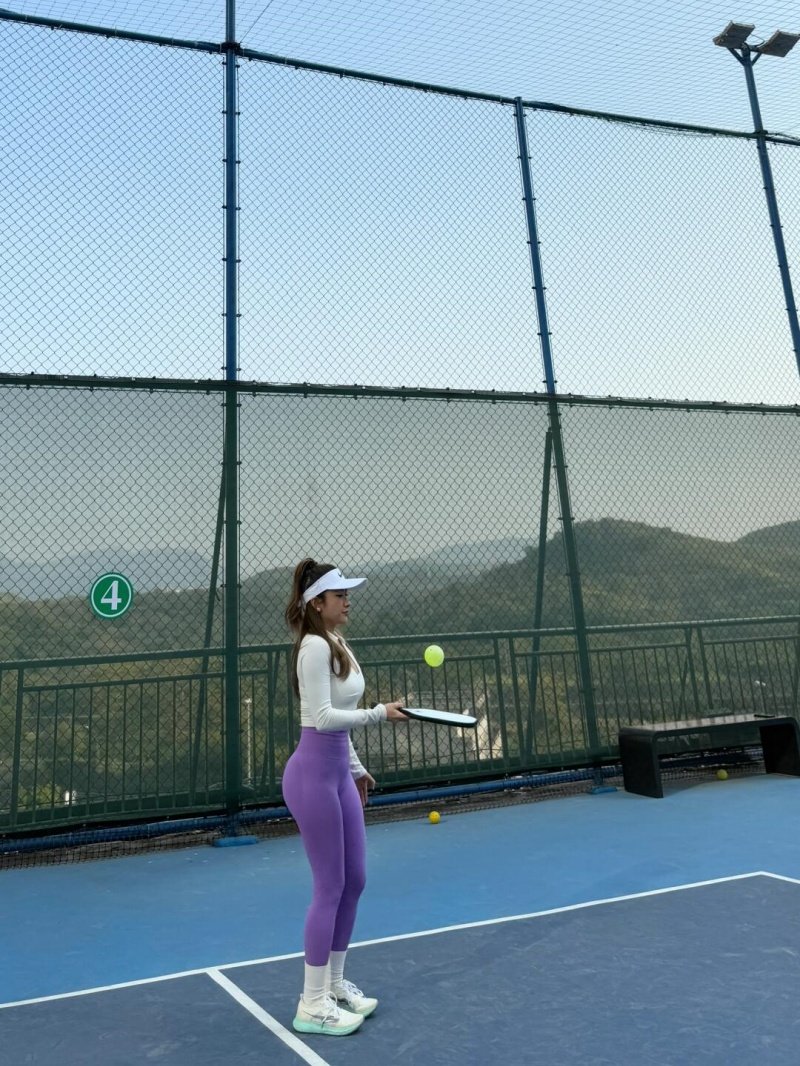
Techniques for Handling Low Balls
| Technique | Explanation |
|---|---|
| Bend Your Knees | Lowering your stance helps you reach low shots without compromising balance. |
| Keep Paddle Face Slightly Open | Ensures clean contact with the ball and prevents pop‑ups. |
| Soft Grip on Paddle | Absorbs impact, allowing you to control shot height. |
| Use Gentle Lift Instead of Flick | Prevents excessive upward force, keeping the ball low. |
A well-timed, soft return keeps the ball within reach of your opponent while reducing attack angles. Practicing footwork and paddle control will refine your technique.
How Do You Avoid Hitting the Ball Too High in Pickleball?
Many players unintentionally send shots too high, setting up easy put-aways for their opponents. This often stems from incorrect paddle angles or excessive force.
To avoid hitting too high, strike the ball in front of your body, maintain a firm wrist, and use a flat paddle face. Controlled strokes keep shots lower.
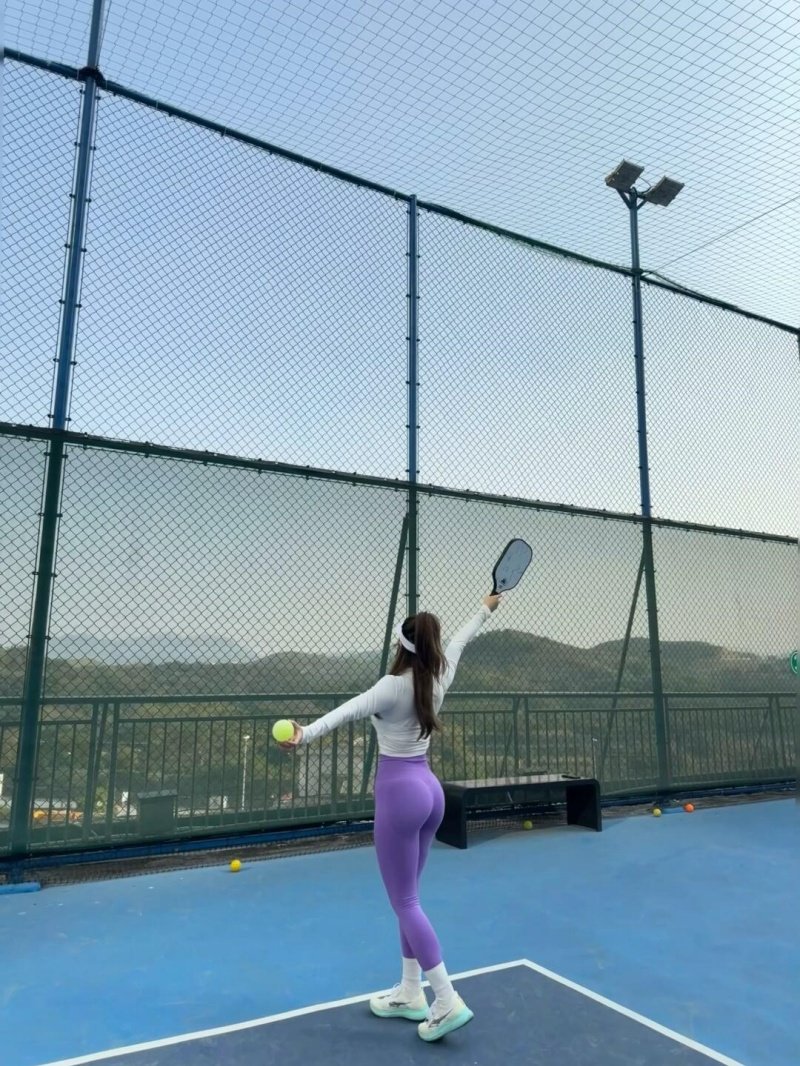
Key Mistakes That Cause High Shots
| Mistake | How to Fix It |
|---|---|
| Hitting Too Hard | Use softer strokes and absorb impact to keep shots controlled. |
| Open Paddle Face | Keep the paddle face parallel to the net to avoid excessive lift. |
| Late Contact Point | Strike the ball in front of your body for better control. |
| Loose Wrist | A firm wrist stabilizes shots and prevents unintended pop‑ups. |
Avoiding these common errors will result in more effective, low‑trajectory shots that make your opponents work harder.
How to Keep Serve Low in Pickleball?
A high serve gives opponents an easy opportunity to attack. A low serve, however, forces them to generate their own power and prevents aggressive returns.
To keep your serve low, hit with a smooth, controlled motion, ensuring your paddle angle remains slightly downward at contact.
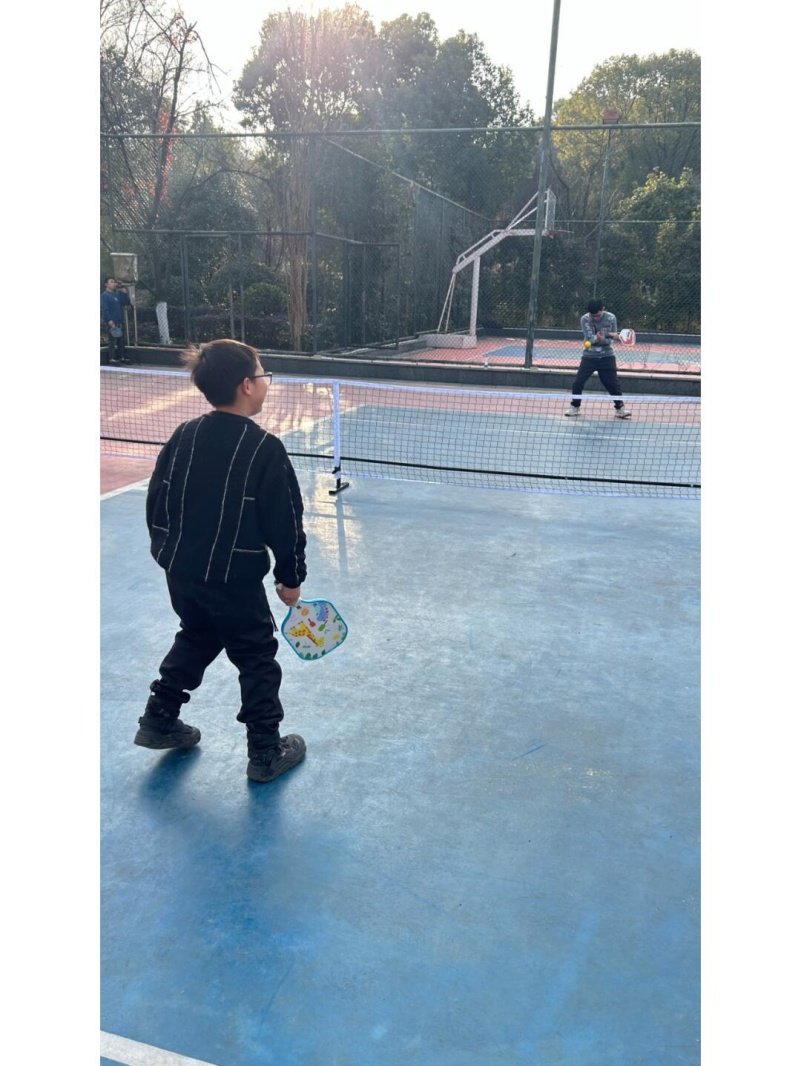
Serving Techniques for a Low Trajectory
| Technique | Effect |
|---|---|
| Use an Underhand Motion | Ensures legal serve while keeping ball trajectory controlled. |
| Contact Below Waist | Helps maintain a naturally low serve angle. |
| Hit With topspin5 | Keeps the ball dipping instead of floating upward. |
| Stand Closer to the Baseline | Reduces unnecessary arc and keeps serve aggressive. |
Practicing low serves can make your opponent’s returns more challenging and prevent them from setting up strong offensive plays.
How Do You Stop the Ball from Popping Up in Pickleball?
Popped‑up balls are easy targets for your opponent’s smash. If you frequently pop up the ball, it’s likely due to poor paddle control or excessive force.
To prevent pop‑ups, use a controlled grip, strike the ball with minimal wrist movement, and maintain a closed paddle face.
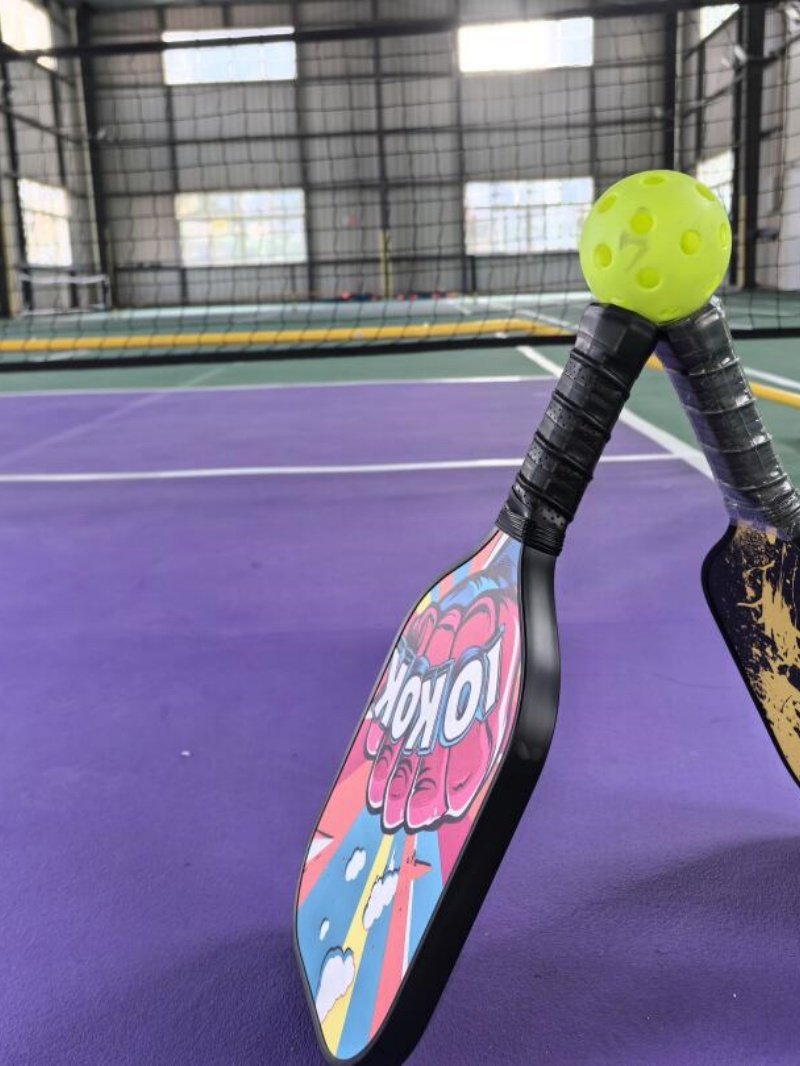
Common Causes of Pop‑Ups and Solutions
| Cause | Solution |
|---|---|
| Over‑gripping Paddle | Relax your grip to absorb impact. |
| Flicking Wrist | Keep wrist stable to control shot height. |
| Swinging Too Hard | Use a smooth, controlled stroke instead of excessive force. |
| Improper Paddle Angle | Keep paddle face slightly closed to avoid lifting the ball. |
Training with intentional, controlled dinks and soft shots will help eliminate unnecessary pop‑ups, making your gameplay more effective.
Conclusion
Mastering low shots in pickleball enhances control and reduces opponent attack opportunities. Focus on paddle angle, grip pressure, and body positioning to keep your shots consistently low and effective.
-
Learn how a soft grip improves control and minimizes wrist fatigue. ↩
-
Understand the impact of paddle angle on shot accuracy and ball trajectory. ↩
-
Discover common causes of pop‑ups and their impact on gameplay. ↩
-
Learn techniques behind a controlled stroke to reduce unforced errors. ↩
-
Find out how topspin helps keep serves low and challenging. ↩