Skip to content

Pickleball paddle performance can suffer if you choose the wrong core. Players often blame technique, not realizing it’s their paddle’s fault.
The core material of a pickleball paddle directly impacts power, control, feel, and sound during gameplay.
Not all paddles are created equal—let’s explore what’s inside them and how it changes your performance on the court.
What does core thickness do for a pickleball paddle?
Most players overlook thickness, yet it's one of the most powerful factors shaping your paddle’s behavior.
Thicker cores offer better control, while thinner cores provide more power and pop in your shots.
Core Thickness Explained
The core thickness of a pickleball paddle usually ranges between 11mm and 16mm1. While a few millimeters may not seem like much, they make a world of difference on the court.
Comparison Table: Thick vs. Thin Core
| Feature | Thick Core (~16mm) | Thin Core (~11mm) |
|---|---|---|
| Control | High | Moderate |
| Power | Moderate | High |
| Sweet Spot Size | Larger | Smaller |
| Feel | Softer, more cushioned | Crisper, more reactive |
| Sound | Quieter | Louder, more pop |
Choosing Based on Play Style
If you like to slow the game down and place the ball precisely, a thicker core will give you the soft touch and forgiveness you need. But if you play aggressively with fast drives and put-aways, the extra pop from a thinner core could be your edge.
Does pickleball paddle material matter?
People often focus on shape or grip, ignoring what the paddle is made of inside. This is a big mistake.
Yes, the paddle’s core material greatly affects control, power, vibration, and durability.

The Role of Core Materials
Pickleball paddles typically use three main types of core materials: polymer (PP), Nomex, and aluminum2. Each brings a unique feel and purpose to the game.
Comparison Table: Paddle Core Materials
| Core Type | Feel | Power | Durability | Noise | Common Use |
|---|---|---|---|---|---|
| Polymer | Soft, dampened | Moderate | High | Quiet | Balanced play, most popular |
| Nomex | Hard, reactive | High | Very High | Loud | Competitive, power hitters |
| Aluminum | Light, firm | Moderate | Medium | Moderate | Control-focused players |
Balancing Trade-Offs
Materials are not just specs—they translate directly into how the paddle plays in your hand. Choosing the right one can reduce fatigue, increase consistency, and boost your confidence.
What is the best core material for pickleball paddles?
Everyone wants the “best” paddle, but that answer depends on your goals and style.
Polymer core is considered the best all-around material for pickleball paddles due to its balance of power, control, and feel.
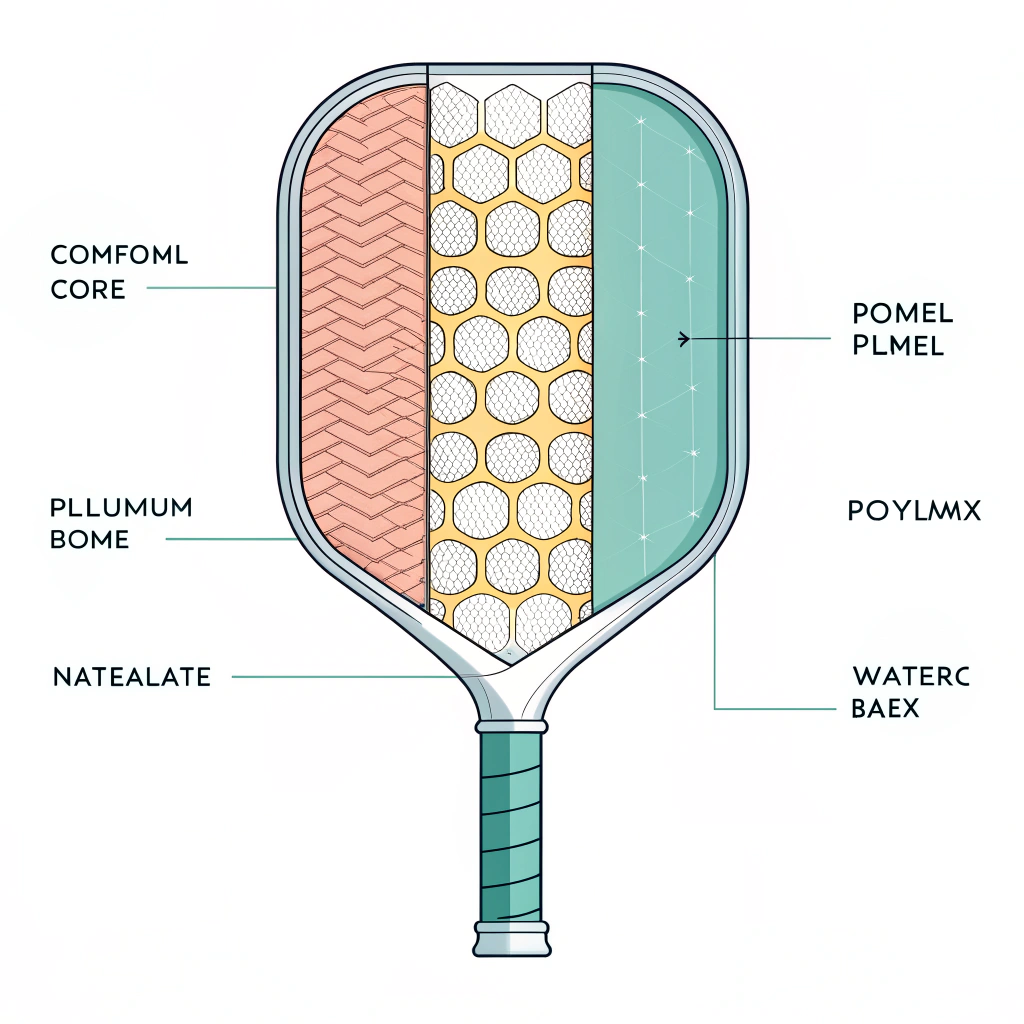
Why Polymer Leads the Market
At NEX Pickleball, over 80% of paddles use polymer cores3 because they provide quiet performance, excellent shock absorption, and consistent bounce across play styles.
Are foam core pickleball paddles better?
Foam core paddles are the latest buzz, promising innovation—but are they really superior?
Foam core paddles are softer and quieter but may lack durability and consistent bounce compared to traditional core materials.
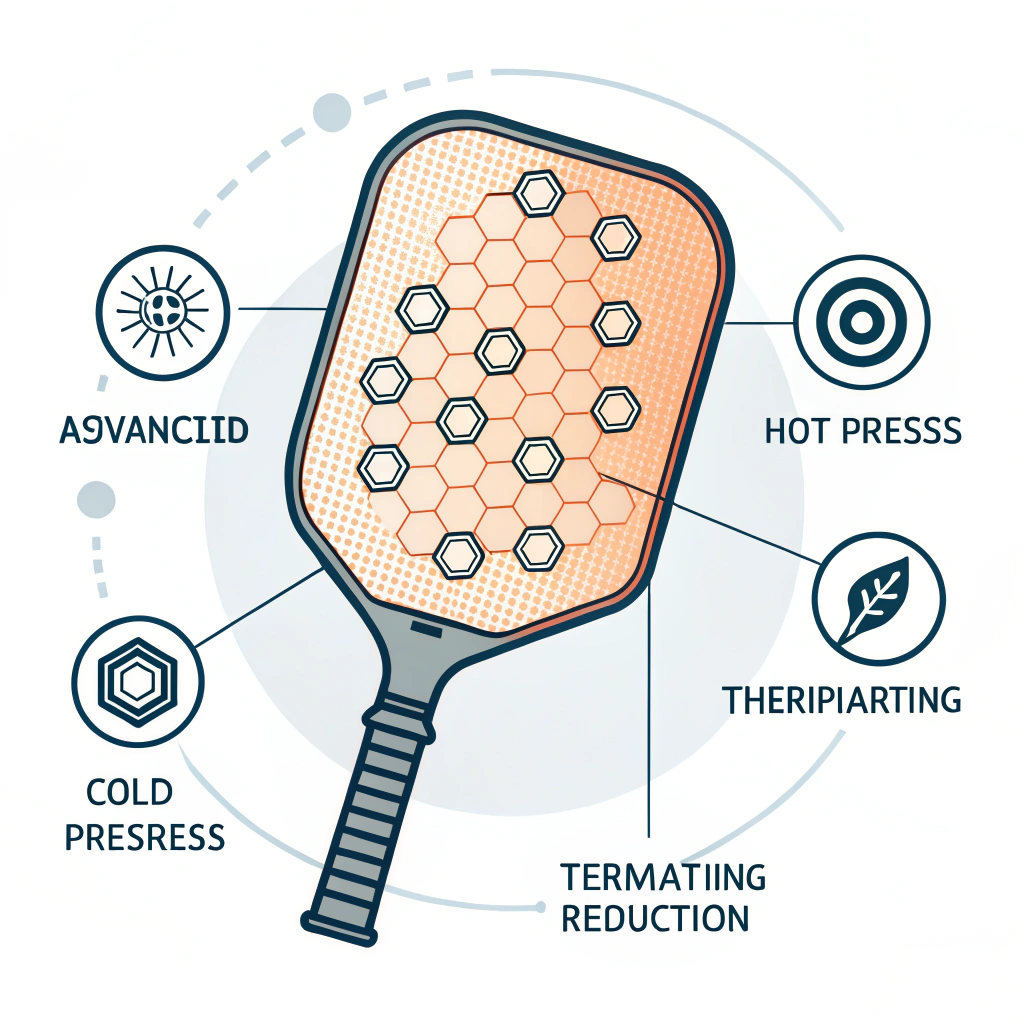
Understanding Foam Core Technology
Foam core paddles use high-density EVA or PU foam cores[^4] instead of traditional honeycomb structures, prioritizing vibration absorption and soft feel.
Conclusion
Your paddle’s core changes how you play—choose polymer for balance, Nomex for power, foam for softness, and thickness to match your strategy.[^5]