Skip to content

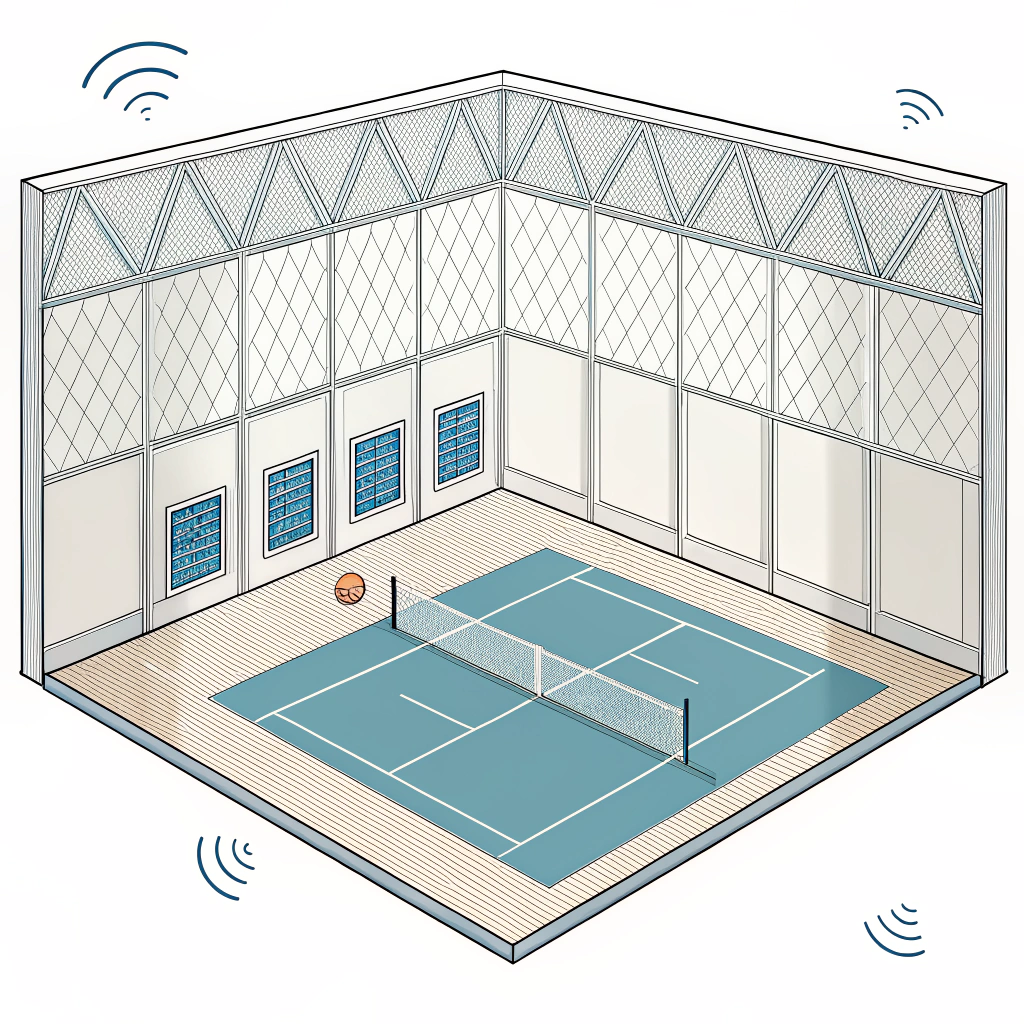
Indoor pickleball facilities can reduce excessive noise by employing a combination of strategic acoustic treatments, structural modifications, and product innovations. In this article, we explain the causes of high noise levels in indoor pickleball venues and present a clear, actionable list of solutions to balance the need for both noise control and high-performance play.
Indoor sports venues, especially those hosting pickleball, often struggle with managing ambient noise. High-impact plays, echoing surfaces, and structural vibrations contribute to disturbances that affect both players and neighbors. Facility managers and design engineers must balance effective noise control with maintaining conditions that support optimal gameplay.
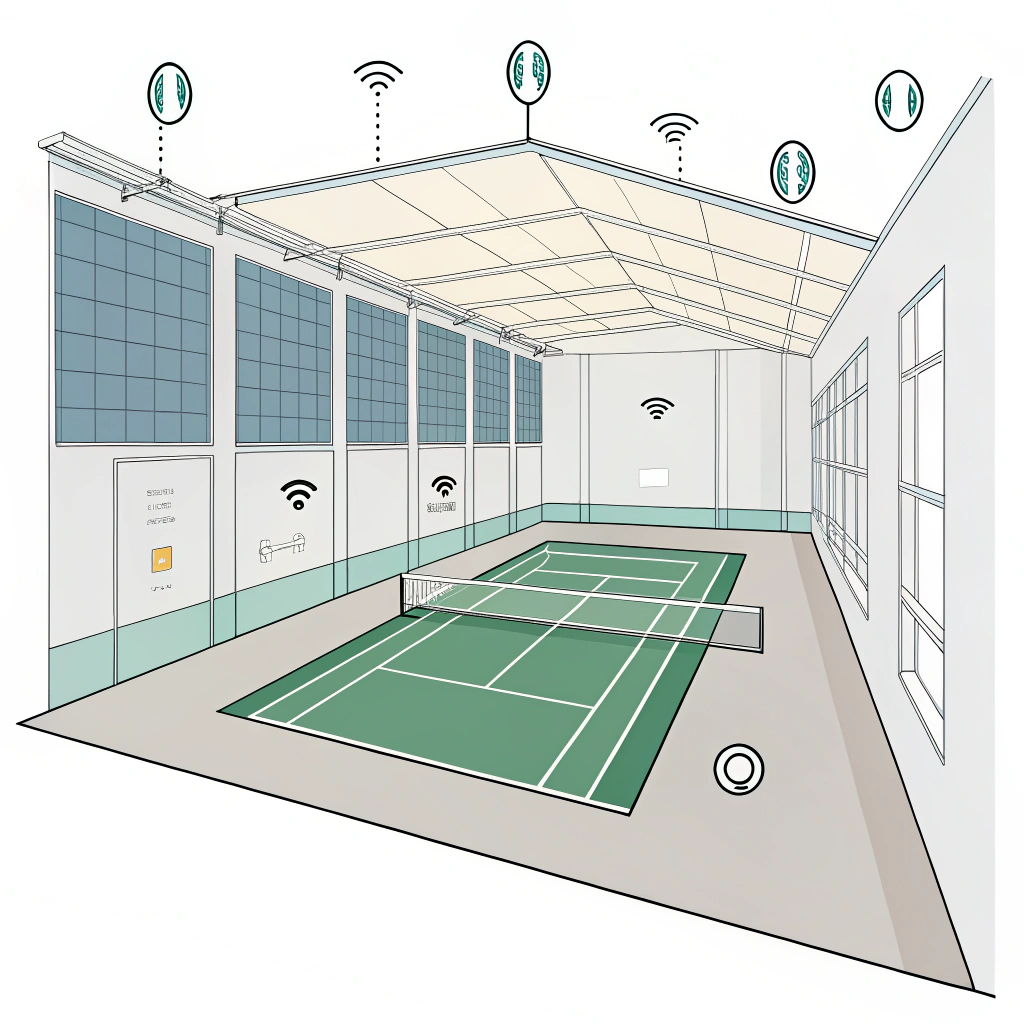
There are several key factors that drive noise levels in indoor pickleball courts:
- High Rebound Surfaces: Hard floors and walls reflect sound waves, intensifying noise.
- Vibration and Structural Transmission: Impacts from the ball and paddles transmit mechanical vibrations through building frameworks.
- Acoustic Reflectivity: The absence of sound-absorbing materials in ceilings, walls, and floors leads to reverberation.
- Enclosure Design: Insufficient insulation and improper space planning magnify the effects of noise.
Understanding these factors is critical to developing targeted strategies for mitigating noise while preserving the quality of play.
Facility managers often adopt a multi-layered approach when addressing noise issues. Let’s break down the commonly practiced solutions, their technical foundations, and practical application steps.
1. Incorporating Advanced Acoustic Insulation1
Acoustic insulation is one of the most effective methods for reducing unwanted sound transmissions. Key components include:
- Sound Absorbing Panels: Engineered panels made of foam or specialized composites that capture sound energy.
- Sound Barrier Materials: Dense materials installed on walls or ceilings to block sound propagation.
- Structural Acoustic Modifications: Actions such as adding secondary cladding or floating floors to reduce vibrational energy.
Acoustic insulation works by interrupting the sound wave path. When sound encounters a material with high acoustic absorption, its energy is reduced, preventing echoes and reverberations from persisting. In indoor pickleball courts, where rapid ball movement generates high-frequency impacts, such treatment significantly minimizes overall noise levels.
| Material Type | Sound Absorption Coefficient | Durability | Cost | Best For |
|---|---|---|---|---|
| Acoustic Panels (Foam) | Moderate to High | Good | Moderate | Wall and ceiling treatments for echoes |
| Dense Fiberglass Panels | High | Excellent | High | Superior noise blocking in structural areas |
| Composite Materials | Variable | Excellent | High | Multi-functional performance and design |
By choosing the right material based on the facility’s needs and budget, facility managers can optimize the acoustic environment.
Sound transmission issues often stem from the structural design of indoor facilities. Careful planning and targeted modifications include:
- Installing resilient underlays or suspended ceiling systems minimizes energy transfer via Vibration Damping Floors & Ceilings2.
- Optimizing Court Layout: Strategically positioning courts away from noise-sensitive areas or using sound barriers between courts.
- Adding Acoustic Fencing: Although commonly associated with outdoor sports, acoustic fencing can be adapted indoors to contain and absorb sound energy in designated areas.
When planning facility layouts, adopting principles from building acoustics can create physical spaces that naturally minimize noise. Collaboration with structural engineers is crucial for these interventions to ensure designs comply with overall building codes and performance standards.
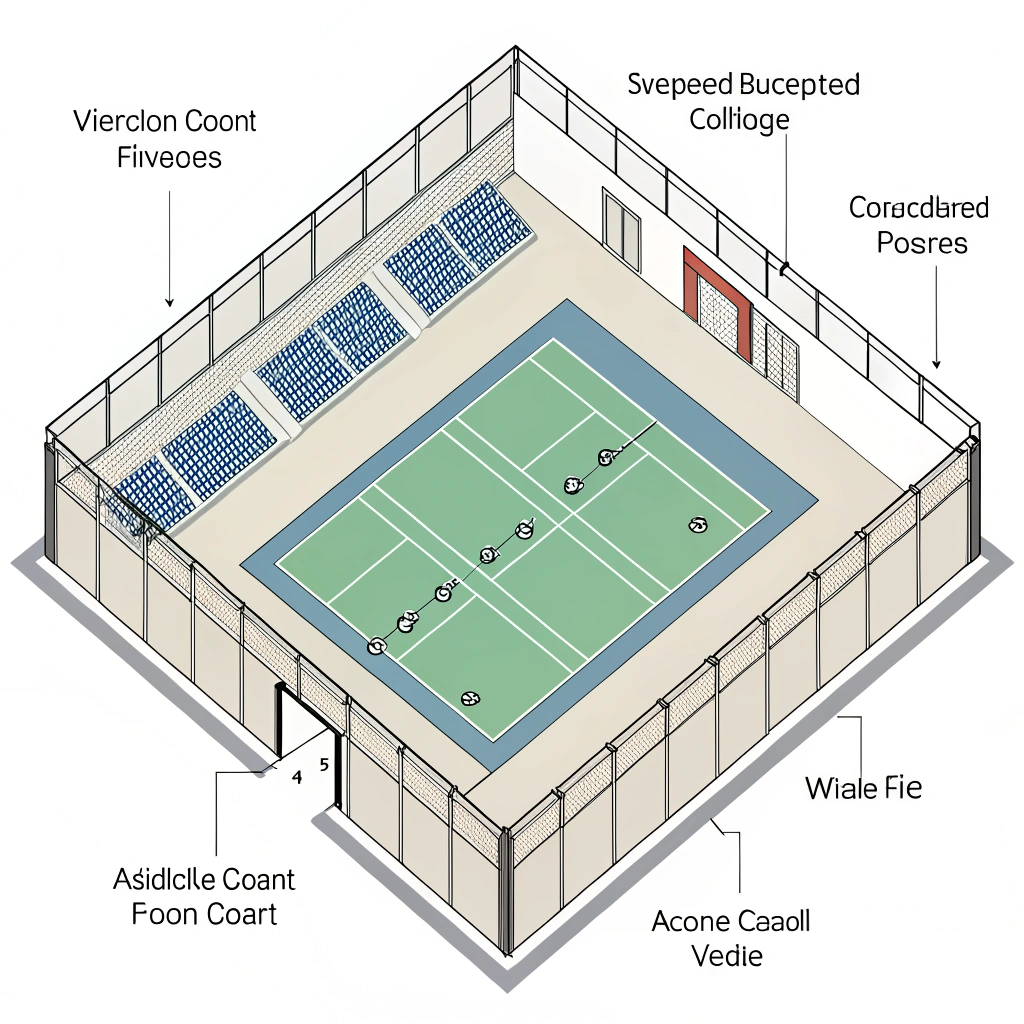
Interestingly, the noise issue is not solely confined to the facility structure. Pickleball paddles themselves contribute to noise levels. Some manufacturers have begun innovating with materials designed specifically to reduce impact noise.
- Noise-Reducing Paddles3: For instance, paddles crafted with proprietary materials have been shown to reduce noise by up to 50%. These paddles incorporate advanced composites that absorb more energy on impact, reducing the rebound sound.
- Regulating Equipment: Adjusting paddle and ball regulations can further lower overall noise levels. For example, mandating lower noise levels during late playing hours may help control ambient sound.
For facilities seeking integrated solutions, considering suppliers who offer both high-performance paddles and noise mitigation features can be a strategic decision that benefits both players and the surrounding environment.
While structural and equipment modifications are critical, additional measures can further optimize the noise environment:
- Acoustic Blankets4 and Drapes: Temporary or permanent acoustic treatments can be applied to partitions or windows to absorb disruptive noise.
- Vegetation and Indoor Green Walls: In larger facilities, incorporating planters or green walls not only enhances aesthetics but also provides a natural layer of sound absorption.
- Playing Time Regulation: While not a structural solution, scheduling adjustments during high-noise periods (e.g., early morning or late evening) can protect residential areas and maintain community goodwill.
| Mitigation Measure | Pros | Cons | Recommended Use |
|---|---|---|---|
| Acoustic Blankets | Easy to install, cost-effective | May not be as durable | Temporary or supplementary solutions |
| Indoor Green Walls | Enhances aesthetics, natural sound absorber | Requires maintenance | Facilities with flexible design plans |
| Playing Time Regulation | Minimal investment, community friendly | Less feasible in competitive environments | Multi-use facilities with off-peak hours |
Combining these strategies with core acoustic insulation and structural modifications leads to a holistic approach that not only reduces noise but also preserves court playability.
Implementing noise mitigation strategies in an indoor pickleball facility requires careful coordination between various experts such as acoustical engineers, construction teams, and even sports equipment manufacturers. Here are some recommended best practices:
Before any modifications, perform an acoustic audit to identify:
- Primary noise sources.
- Acoustic weaknesses in the current structure.
- Areas that require immediate intervention.
This audit provides a baseline for measuring the success of subsequent interventions.
Plan modifications in phases to evaluate the impact of each solution. For example:
- Start with adding acoustic panels and sound-proofing measures on vulnerable walls and ceilings.
- Gradually integrate structural modifications that address vibration issues.
- Introduce noise-reducing equipment such as specialized paddles.
After each phase, conduct sound level measurements and gather feedback from facility users. Adjust your plan based on real data to ensure the strategies are meeting both noise reduction and performance requirements.
Technological and material innovations continually evolve. Regularly review your facility’s acoustic performance and be open to integrating new solutions that further enhance noise control. This proactive maintenance ensures long-term satisfaction and compliance with noise regulations.
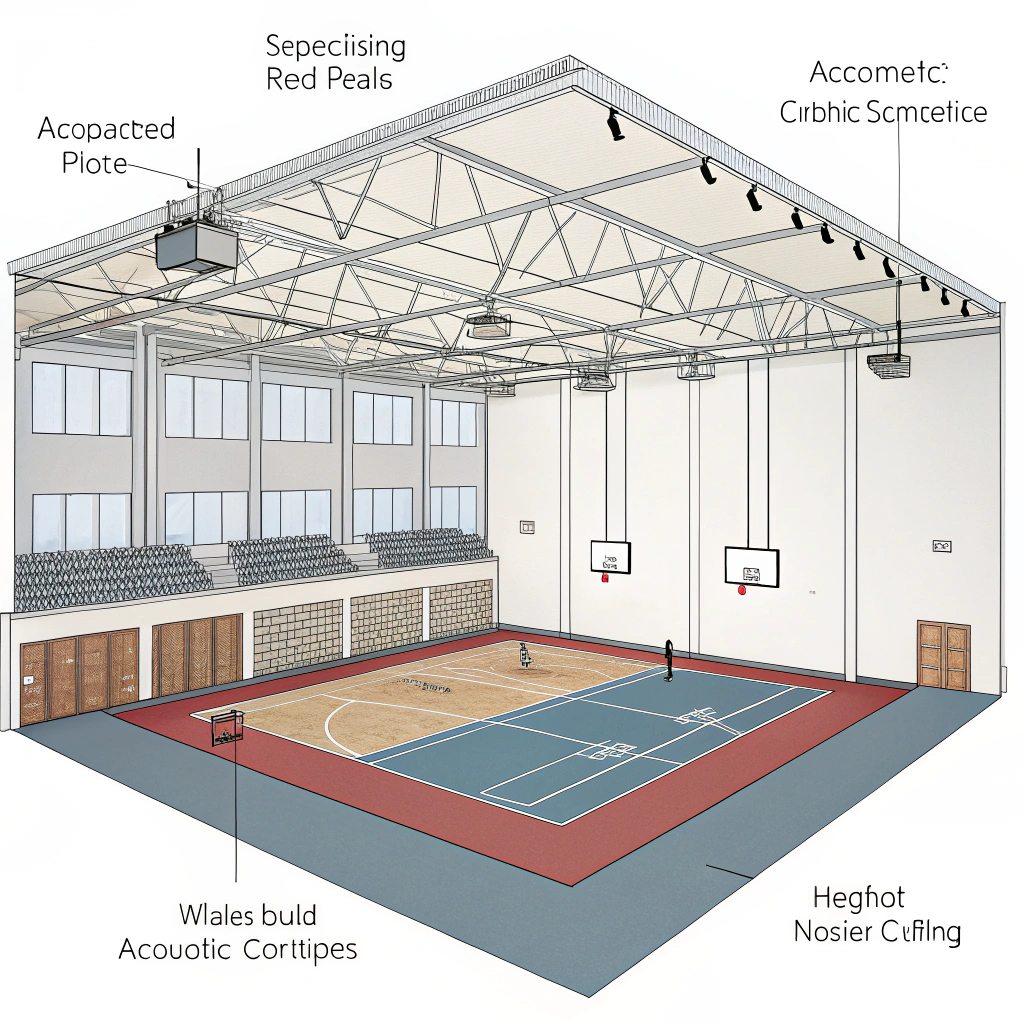
Consider a sports complex that recently upgraded its indoor pickleball courts to address growing noise complaints. The initial assessment revealed high vibration levels and significant reverberation from the court’s hard surfaces. The facility management collaborated with an acoustical consultancy and implemented the following measures:
- Installed dense fiberglass panels5 on all exposed walls.
- Upgraded the ceiling with a suspended acoustic system to reduce structural vibrations.
- Adopted noise-reducing pickleball paddles, which in real-world testing lowered impact noise by nearly 50%.
- Adjusted court layouts to maximize distance from locker rooms and office spaces.
A year after the upgrade, the facility experienced a measurable reduction in noise levels and improved player satisfaction. The multipronged strategy not only enhanced the facility’s performance but also demonstrated how integrating acoustic materials with equipment innovation and structural design can solve complex noise issues.
Effective noise mitigation in indoor pickleball facilities is achievable through a balanced mix of advanced acoustic insulation, structural modifications, equipment innovations, and complementary measures. Facility managers and design engineers should consider the following action steps:
- Begin with a detailed acoustic audit to understand specific noise challenges.
- Choose the appropriate combination of sound absorption materials and structural modifications based on the facility’s unique requirements.
- Consider integrating noise-reducing pickleball equipment as part of the strategy.
- Employ complementary measures such as acoustic blankets, regulated playing times, and indoor green walls to further enhance the environment.
- Ensure regular testing and maintenance to adapt to changes in usage or emerging noise control technologies.
By following this systematic approach, indoor sports facilities can meet regulatory noise requirements, enhance user experience, and maintain an environment that is both sporty and comfortable.
Yes, effective noise reduction in indoor pickleball facilities can be achieved by planning ahead with acoustic treatments, structural modifications, and integrating innovative equipment such as noise-reducing paddles. The combined use of sound-absorbing materials, acoustic panels, and optimized facility layouts helps manage and lower noise levels significantly.
Soundproofing in pickleball environments involves using a mix of acoustic fencing, dense insulation materials, and soundproof blankets. These solutions, along with structural adjustments such as vibration damping in floors and ceilings, contribute to effective noise reduction while preserving the dynamic nature of the game.
Drowning out pickleball noise can be achieved by reducing the source of noise with specialized equipment—like paddles engineered to lower impact sounds—paired with facility-wide acoustic treatments such as installing sound barriers and panels. This balanced approach minimizes ambient noise while maintaining an enjoyable playing environment.
-
Acoustic Insulation: Click to read more about how advanced acoustic insulation materials can disrupt sound transmission paths, reducing echoes and overall noise within indoor sports facilities. ↩ ↩
-
Vibration Damping Floors & Ceilings: Click to explore detailed methodologies for minimizing vibrational energy transfer through specialized flooring and ceiling systems, enhancing structural noise control. ↩ ↩
-
Noise-Reducing Paddles: Click to learn about the innovative materials and design considerations behind noise-reducing pickleball paddles that significantly lower impact noise. ↩ ↩
-
Acoustic Blankets: Click to discover how acoustic blankets serve as a flexible, cost-effective solution for supplemental noise reduction in sports facilities. ↩ ↩
-
dense fiberglass panels: Click to understand the benefits and installation techniques of dense fiberglass panels for blocking unwanted sound in high-impact areas of indoor facilities. ↩ ↩