Skip to content

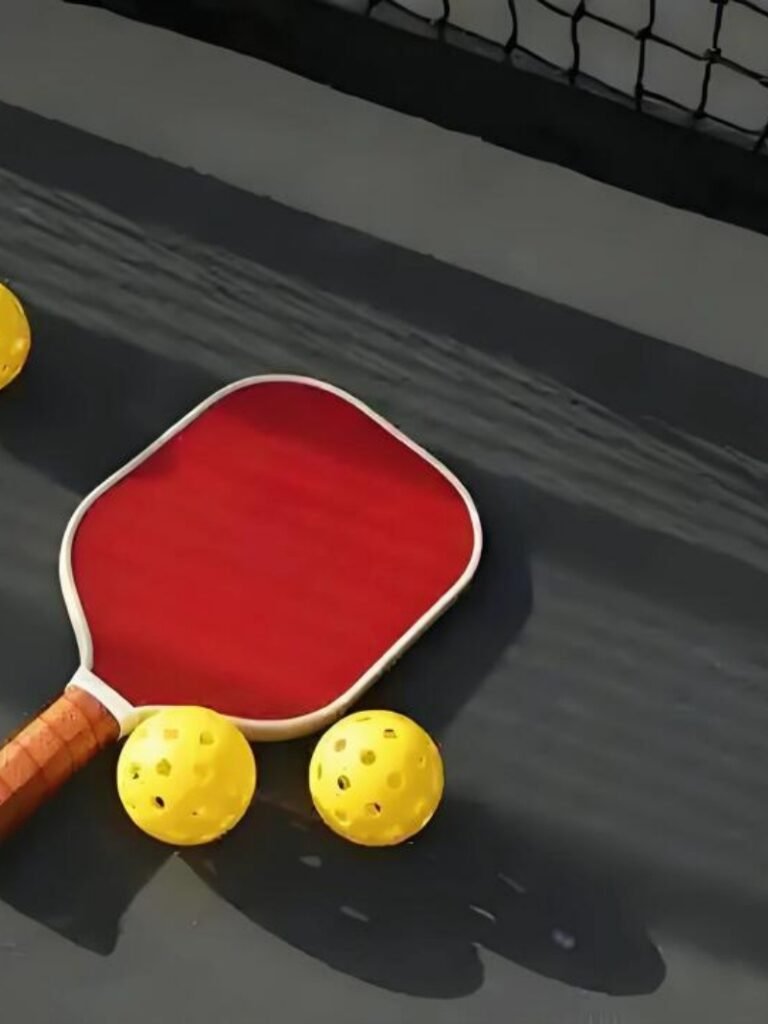
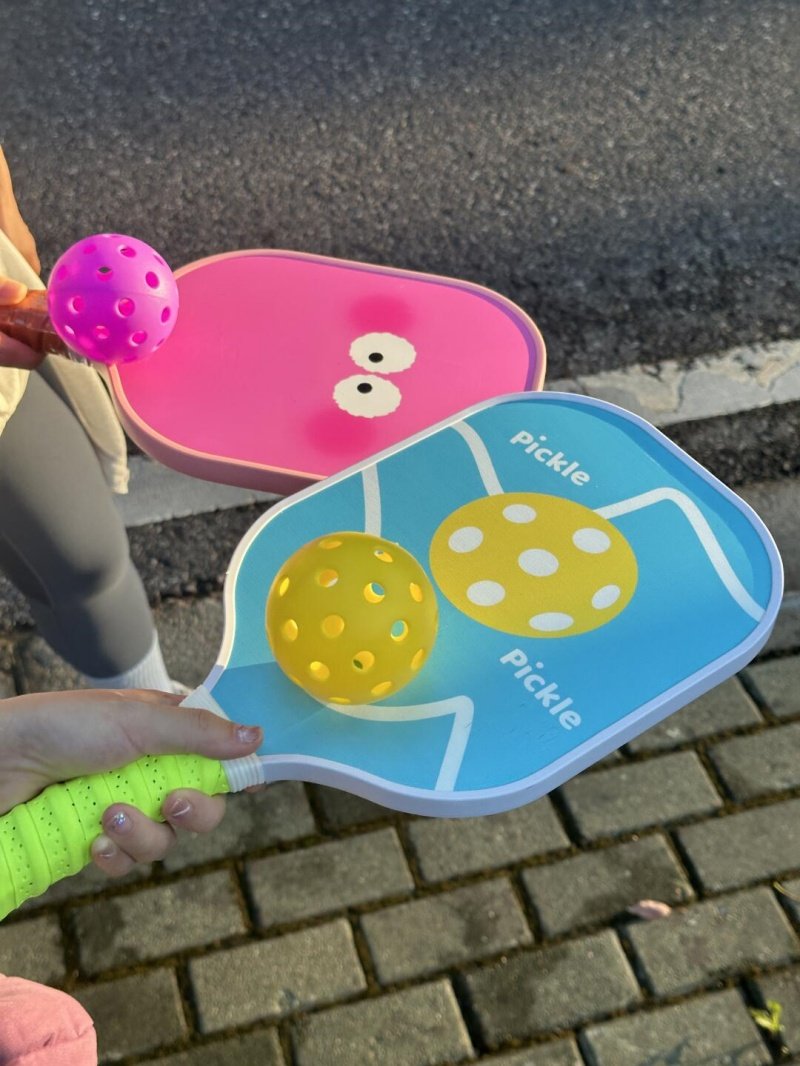
Low-quality balls crack quickly, bounce inconsistently, and ruin the playing experience. Finding the right ball ensures long-term value and better performance.
High-quality pickleball balls are durable, consistent in bounce, and approved for tournament play. They vary by brand, material, and intended court surface.
Let’s explore the best brands, pro preferences, and how color and quality impact your game.
What is the best brand of pickleball balls?
With so many brands on the market, choosing the best can be overwhelming. Knowing the top options helps simplify your purchase.
Top brands include Dura Fast 40, Franklin X-40, and Onix Fuse, known for their durability and USAPA approval1.

Popular Pickleball Ball Brands
| Brand | Ball Model | Surface Type | USAPA Approved | Known For |
|---|---|---|---|---|
| Dura | Fast 40 | Outdoor | Yes | Pro-level performance, fast |
| Franklin | X-40 | Outdoor | Yes | Durability, value |
| Onix | Fuse G2 | Indoor/Outdoor | Yes | Soft feel, balance |
| CORE | Outdoor 40 | Outdoor | Yes | Long-lasting, crack-resistant |
Each brand has its own feel, so I always test a few to match playing style and conditions before making large purchases.
Is there a quality difference in pickleball balls?
Many players buy cheap balls that wear out after a few games. Understanding quality differences helps avoid this mistake.
Yes, pickleball balls vary in quality based on materials, manufacturing standards, bounce consistency2, and longevity.

Comparing Quality Factors
| Factor | Low-Quality Balls | High-Quality Balls |
|---|---|---|
| Material | Thin plastic, prone to cracking | durable resin or polymer3 |
| Seam Finish | Rough, uneven | Smooth, seamless or precision cut |
| Bounce Consistency | Irregular, varies with wear | Stable and even bounce |
| Lifespan | Few games | Dozens of games |
High-quality balls cost more initially, but they save money over time and offer a better playing experience.
What balls do professional pickleball players use?
Recreational players often use whatever is available, but pros are more selective. Knowing what they use sets a performance benchmark.
Professional pickleball players often use Dura Fast 40 balls for tournaments due to their speed, bounce reliability, and official approval.

Pro Preferences in Pickleball Balls
| Tournament Type | Preferred Ball | Reason |
|---|---|---|
| Major Tournaments | Dura Fast 40 | Fast play, high-level feel |
| APP/MLP Events | Franklin X-40 | Balanced control and bounce |
| Indoor Pro Training | Onix Fuse Indoor | Softer, quieter ball |
Dura remains the dominant choice in competitive settings, though some pros shift based on sponsor or tournament standards.
What is the difference between orange and yellow pickle balls?
Color might seem cosmetic, but it affects visibility and play quality. Choosing the right color improves performance, especially in specific lighting.
Orange and yellow pickleballs differ mainly in visibility. Yellow is more visible outdoors, while orange can be easier to see indoors.

Color Comparison of Pickleball Balls
| Color | Best Use Case | Visibility Rating | Common in Tournaments |
|---|---|---|---|
| Yellow | Outdoor, bright sunlight | High | Yes |
| Orange | Indoor, lower lighting | Medium-High | Sometimes |
| Neon/Green | Low light, high contrast | Very High | Rare |
Color doesn’t affect performance but makes tracking the ball easier. I usually recommend testing different colors depending on your play environment.
Conclusion
High-quality pickleball balls offer better durability, bounce, and visibility. Choose based on court type, brand reputation, and pro-level standards.