Skip to content

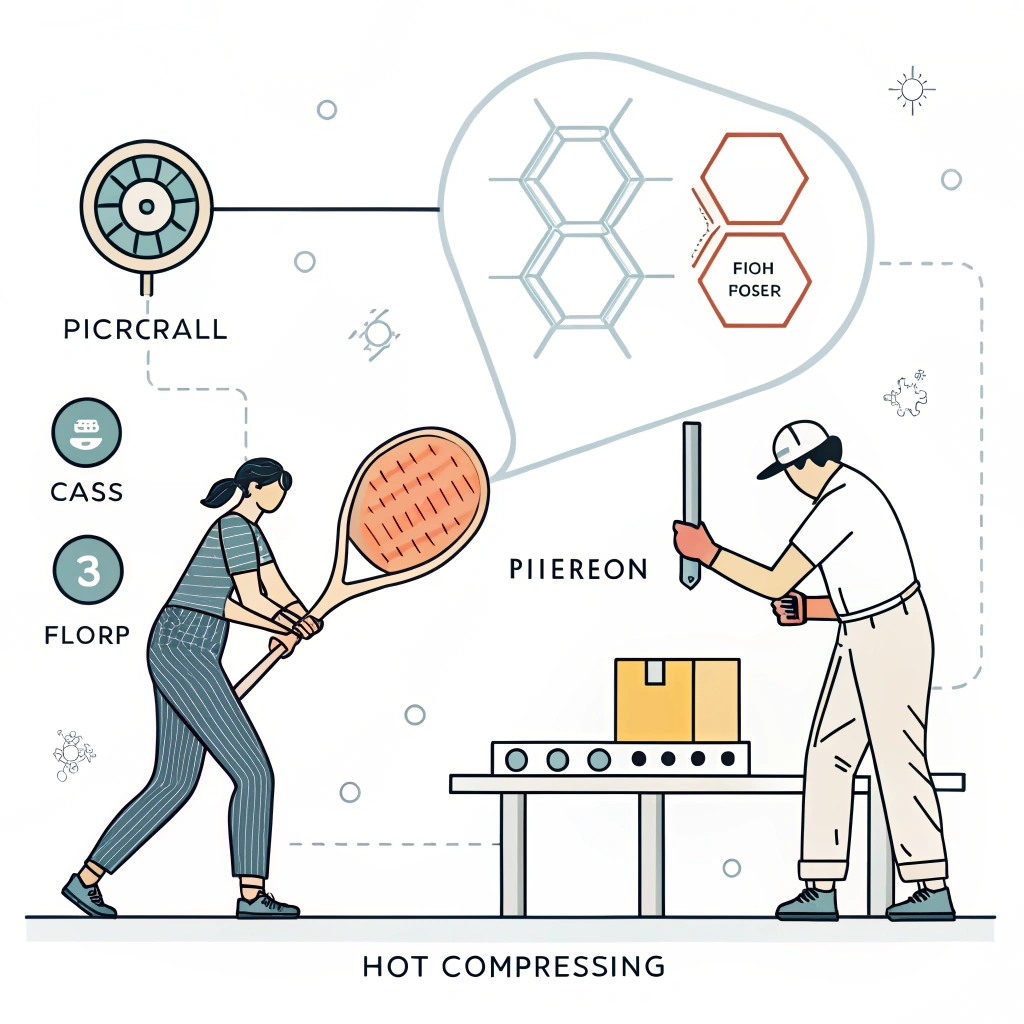
Pickleball paddle performance is critically influenced by both design and manufacturing processes, making it essential for B2B decision-makers to understand how factors such as materials and production techniques can directly impact paddle quality. In this article, we address common challenges in paddle manufacturing, analyze the root causes behind performance variations, and provide a clear list of actionable solutions to help improve product offerings and market competitiveness.
Manufacturers and distributors are constantly challenged by questions like: "Do paddles really matter in pickleball?" and "Is it worth getting an expensive pickleball paddle?" The answer is affirmative—every detail from materials to production methods influences the paddle's performance attributes, including power, control, and durability. The key issues include:
• Inconsistent performance across different materials (e.g., carbon fiber1 versus fiberglass2).
• Variability in production techniques such as hot pressing, cold pressing3, and thermoforming4—each carrying unique pros and cons.
• Design challenges like optimal weight distribution, ergonomic grip design, and surface texture for enhanced ball control.
Understanding these factors is crucial for making informed decisions in procurement and product line development.
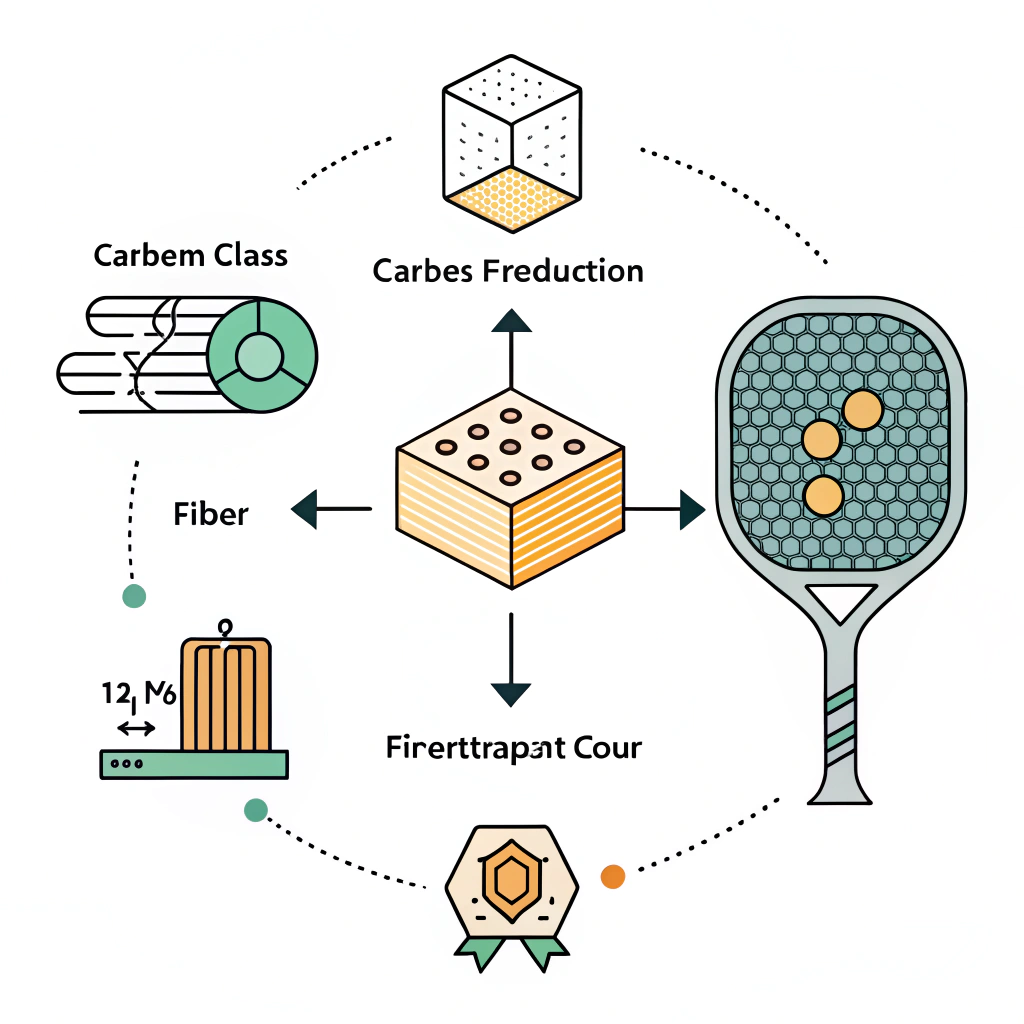
To tackle these challenges, it is important to break down the main factors:
-
Material Selection
The choice between carbon fiber variants (3K, 12K, T300), fiberglass, and composite materials determines the paddle's strength, flexibility, and vibration absorption. -
Core Material Advantages
Core materials like Nomex Honeycomb5, Aluminum Honeycomb, and Polymer Honeycomb significantly affect impact resistance and ball feel. For example:- Nomex Honeycomb Core offers excellent durability and shock absorption.
- Aluminum Honeycomb Core provides a balanced blend of power and control.
- Polymer Honeycomb Core enhances elasticity and reduces cockpit vibration, especially beneficial for recreational play.
-
Production Process Influences
The three main processes—hot pressing, cold pressing, and thermoforming—each impact the final product in various ways:- Hot Pressing: Achieves high production efficiency and structural integrity with strong durability, though it may slightly alter material properties.
- Cold Pressing: Delivers excellent ball feel and precise control by maintaining material integrity, albeit at slower production cycles.
- Thermoforming: Offers design flexibility for complex shapes, ensuring material stability, but requires longer production time and higher investment.
B2B professionals looking to optimize their pickleball paddle inventory should consider a balanced approach based on material, core selection, and production techniques. Below is a solution checklist:
| Material Type | Advantages | Ideal For |
|---|---|---|
| 3K Carbon Fiber | High rebound force, flexibility, durability | Fast-paced competitive play |
| 12K Carbon Fiber | Smoother surface, better durability, resistance | High impact, extreme strength needs |
| T300 Carbon Fiber | Balanced strength and lightweight design | Professional and versatile use |
| E-Glass Fiberglass | Excellent elasticity, better ball control | Recreational players |
| Composite (Carbon Fiber & Fiberglass) | Combines power with control and flexibility | Players seeking dual benefits |
| Bamboo Core Composite | Lightweight yet impact-resistant, clear hitting feel | Long-lasting play and branding |
| Honeycomb Core | Superior shock absorption | Reduces vibration during intense play |
| Production Process | Advantages | Disadvantages | Best Use Case |
|---|---|---|---|
| Hot Pressing | High efficiency, robust impact resistance, uniformity | May alter natural material feel, high equipment cost | Large-scale manufacturing and high-performance paddles |
| Cold Pressing | Precise thickness control, maintains material properties | Longer cycles, requires exact pressure regulation | Custom or precision-oriented manufacturing |
| Thermoforming | Allows for complex designs, precise material shaping | Longer production time, premium equipment cost | Premium products, custom-made designs |
a. Leverage Material Strengths:
Invest in premium materials that are aligned with customer performance expectations. For competitive paddles, the use of 12K or T300 Carbon Fiber can be a differentiator. Emphasize material benefits in product marketing.
b. Optimize Core Structures:
Integrate core materials like Nomex Honeycomb for long-term durability or Aluminum Honeycomb for balanced control and power. Evaluate market needs to determine which core offers the best balance of performance and cost efficiency.
c. Process Selection Based on Target Market:
- Use hot pressing when high throughput and strong durability are the priorities.
- Opt for cold pressing when the paddle’s tactile feedback and material integrity are crucial.
- Consider thermoforming for custom paddle designs targeting premium market segments.

Many industry leaders have demonstrated significant improvement by tailoring their production methods to leverage material advantages. For instance, manufacturers who transitioned from a one-size-fits-all production process to differentiated techniques based on paddle usage saw enhanced product performance and reduced customer complaints regarding paddle durability and ball control.
A study comparing paddles manufactured using hot pressing versus cold pressing revealed that while hot pressing paddles excel in high-impact scenarios, cold pressed paddles offer a superior playing feel, especially in tournaments. Distributors who diversified production based on specific game requirements have noted up to a 20% increase in consumer satisfaction ratings.
Recent data from competitive markets underscore the importance of advanced materials:
- Carbon fiber paddles have been shown to maintain structural integrity even after prolonged use, offering a longer lifecycle.
- Fiberglass paddles provide a wider sweet spot, appealing to players who do not rely solely on brute force but value precision.
Manufacturers incorporating composite blades have reported a reduction in manufacturing defects by nearly 15%, affirming that strategic material and process selection can yield both performance benefits and cost savings.
While advanced materials and optimized production processes can significantly enhance paddle performance, several considerations should be kept in mind:
• Cost vs. Benefit Analysis:
Premium processes like thermoforming may deliver superior product designs but come with increased production costs. Balancing cost efficiency with performance advantages is key.
• Market Segment Alignment:
Not every market segment requires the highest-end materials. Entry-level or recreational paddle models might benefit from slightly less premium composites while still maintaining acceptable performance levels.
• Equipment and Maintenance:
Investment in high-quality equipment is critical for processes such as cold pressing, where precision plays a pivotal role. Maintenance schedules must be factored into the overall cost analysis.
• Customization Requirements:
For paddle lines requiring extensive customization (e.g., on-demand printing or unique grip sizes), adjusting production processes might be necessary. This customization may affect lead times and overall production efficiency.
In conclusion, the performance of pickleball paddles is a complex interplay of material selection, core design, and production processes. B2B professionals must adopt a solution-oriented approach by:
-
Identifying the Key Performance Attributes:
Decide whether strength, control, or durability is the priority for your target market segment. -
Choosing the Right Materials and Core Options:
Leverage the benefits of high-performance materials like 12K Carbon Fiber for competitive play and fiberglass for broader appeal. -
Optimizing Production Processes:
Match production methods (hot pressing, cold pressing, thermoforming) to the desired product attributes. Use process-specific tables as a guide for energy and cost optimization. -
Performing Cost-Benefit Analysis:
Evaluate material and equipment versus market pricing to ensure that the finished product remains competitive while delivering superior performance. -
Implementing Continuous Feedback:
Regularly analyze market feedback and product performance metrics to adjust materials and processes accordingly.
By integrating these solutions, companies can enhance paddle performance, reduce production errors, and offer a competitive edge in a rapidly evolving market. B2B experts should use this information to guide strategic procurement decisions and foster innovation in product development, ensuring that every pickleball paddle meets the high standards demanded by both recreational and competitive players.
Q: Do paddles really matter in pickleball?
A: Yes – there is a profound difference between pickleball paddles. Hundreds of attributes such as material composition, weight, and design intricacies determine a paddle's performance. From enhancing control to ensuring durability and vibration reduction, paddle design plays a critical role in the overall playing experience.
Q: Is it worth getting an expensive pickleball paddle?
A: Higher-end paddles that incorporate advanced materials like carbon fiber and fiberglass are engineered for superior control, power, and reduced vibration. However, while premium paddles offer enhanced benefits, the choice should align with specific performance needs and budget constraints since the most expensive option is not always necessary for all levels of play.
-
carbon fiber: Reading this article will help you understand the properties, manufacturing complexities, and performance benefits of carbon fiber in high-performance applications. ↩ ↩
-
fiberglass: Reading this article will provide insights into fiberglass as an alternative composite material, highlighting its elasticity and control features. ↩ ↩
-
cold pressing: Reading this article will explain the cold pressing process, its advantages in preserving material integrity, and how it affects final product quality. ↩ ↩
-
thermoforming: Reading this article will shed light on the thermoforming method, its design flexibility, and its impact on production cycles and costs. ↩ ↩
-
Nomex Honeycomb: Reading this article will discuss the unique properties of Nomex Honeycomb, its role in shock absorption, and why it is favored for high-performance core structures. ↩ ↩