Skip to content


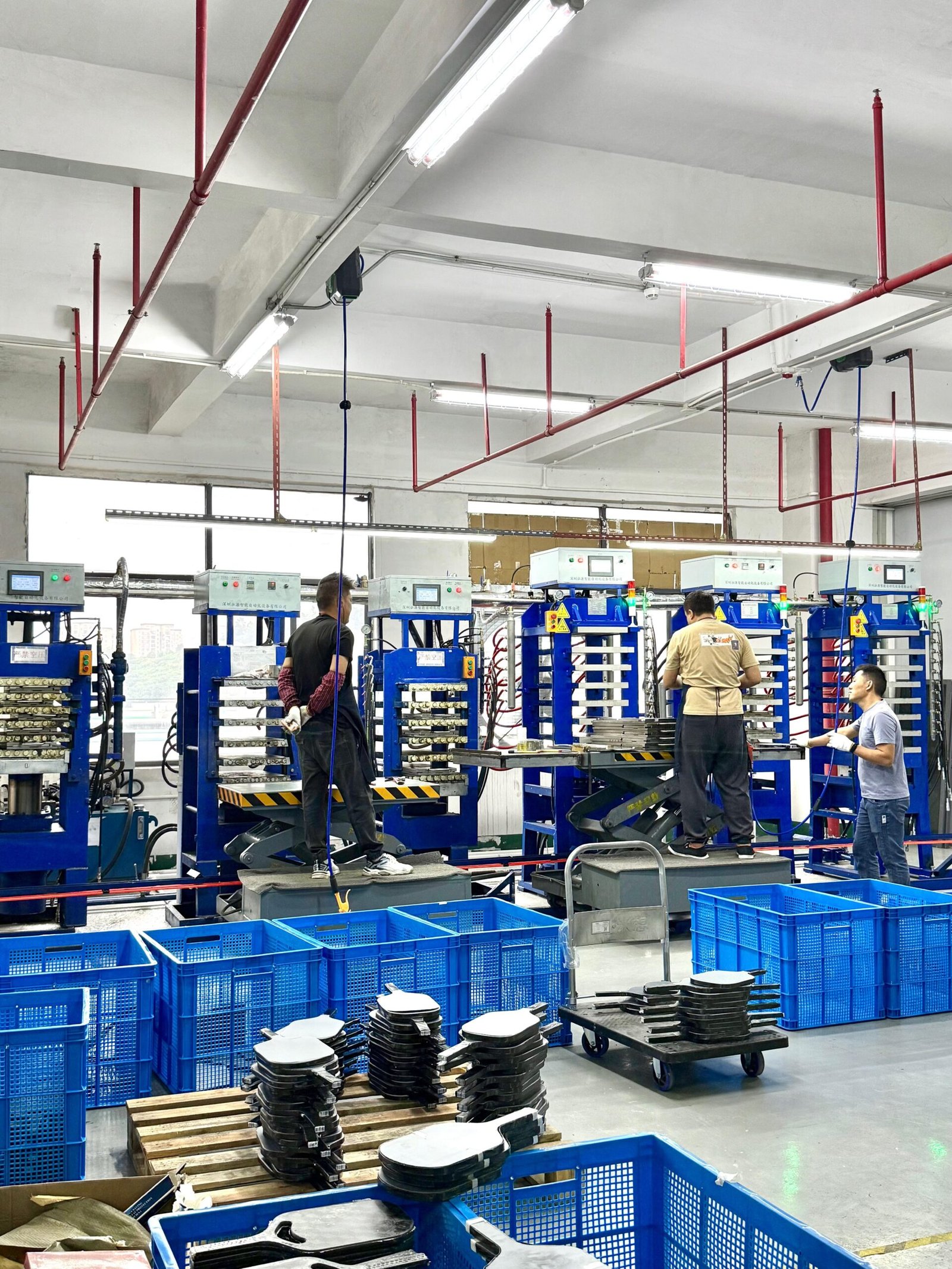
Struggling to find reliable custom pickleball paddle suppliers? You're not alone—and the solution is simpler than you think.
Custom pickleball paddles are ideal for wholesale buyers seeking unique branding, competitive pricing, and long-term manufacturing partnerships.
Let’s explore the key questions every serious paddle buyer and brand should ask before committing to a wholesale partner.
What company makes the best pickleball paddles?
Finding a supplier that balances quality, customization, and price can feel overwhelming at first.
The best pickleball paddle companies combine performance materials, consistent manufacturing, and brand support for wholesale buyers.
Understanding Top Manufacturers
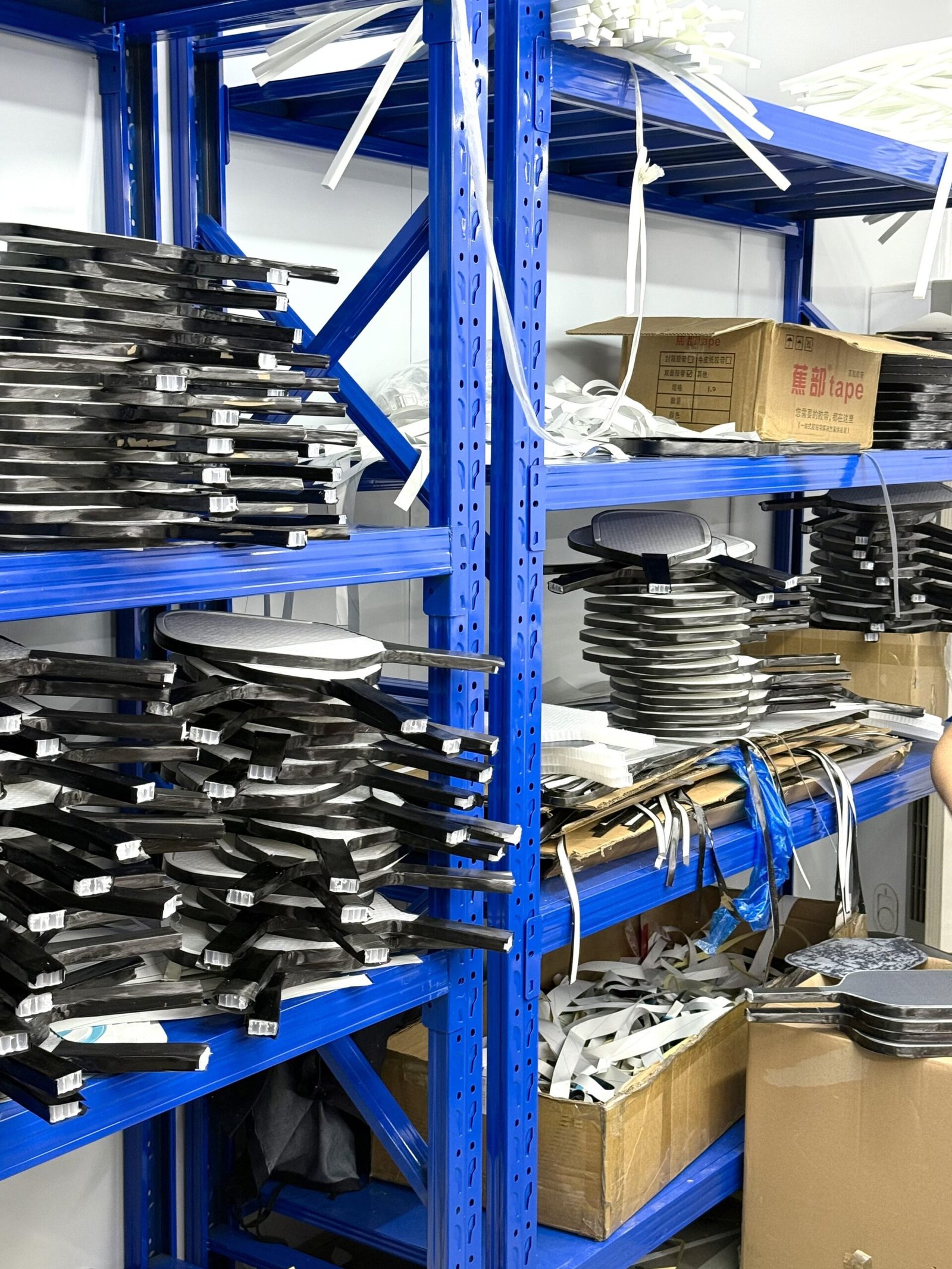
Not all manufacturers are created equal. Some focus on innovation, while others prioritize bulk affordability. I’ve worked with many companies as both a buyer and seller—so I’ve seen how these trade-offs play out.
| Manufacturer | Strengths | Weaknesses |
|---|---|---|
| Selkirk | High-end tech and USA-made | Expensive for wholesale |
| Joola | Celebrity-endorsed and performance | Limited custom options |
| Onix | Accessible pricing | Less paddle variety |
| NEX Pickleball (Us) | OEM/ODM focus1, low MOQ | Less known outside Asia |
| Engage | US-assembled, control paddles | Higher entry price |
What Should You Look For?
H3: Consistent Manufacturing Quality
Choose a factory with ISO-certified processes2 or verifiable QC systems. Poor quality control means customer returns and brand damage.
H3: OEM & ODM Capabilities
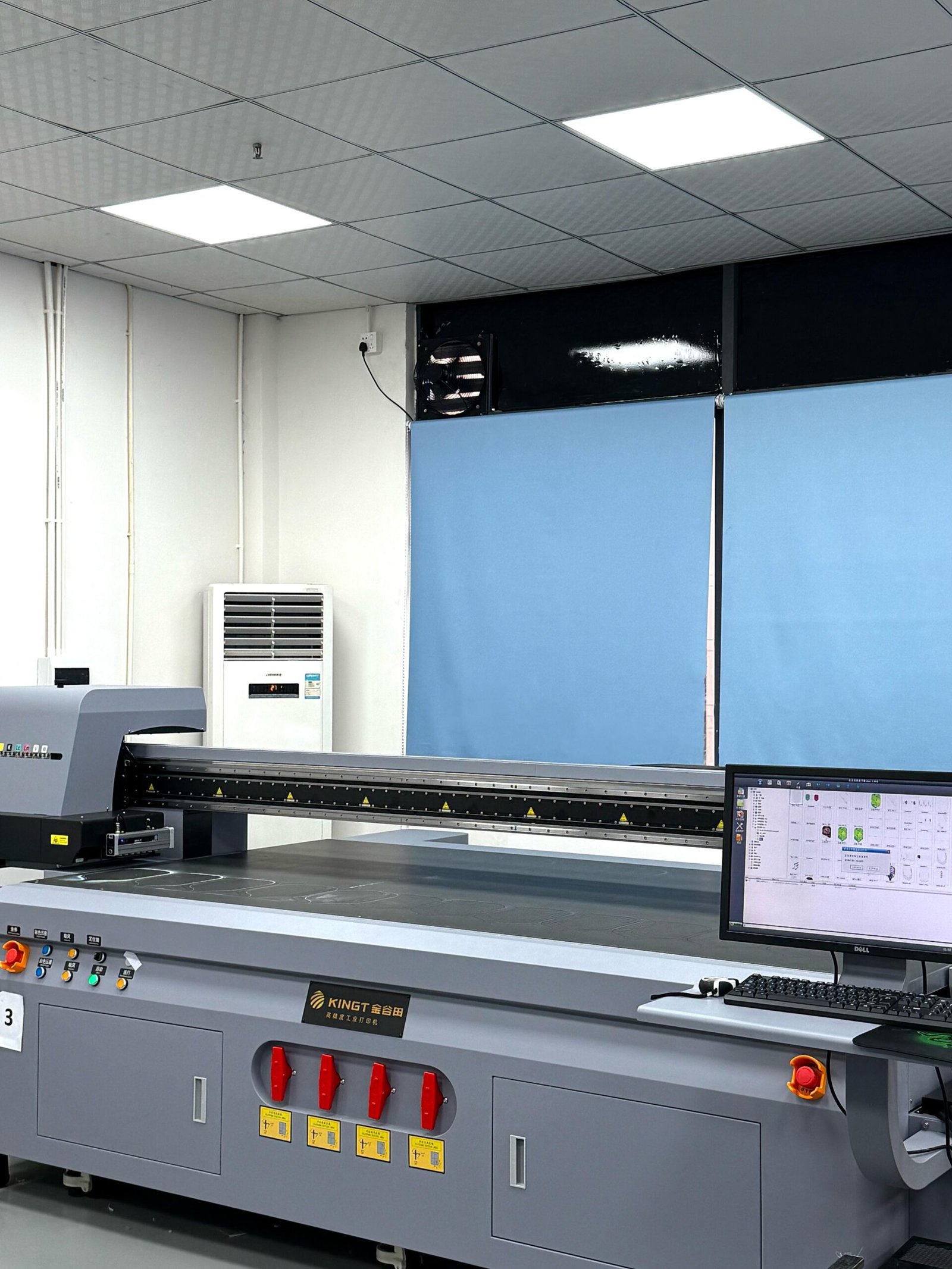
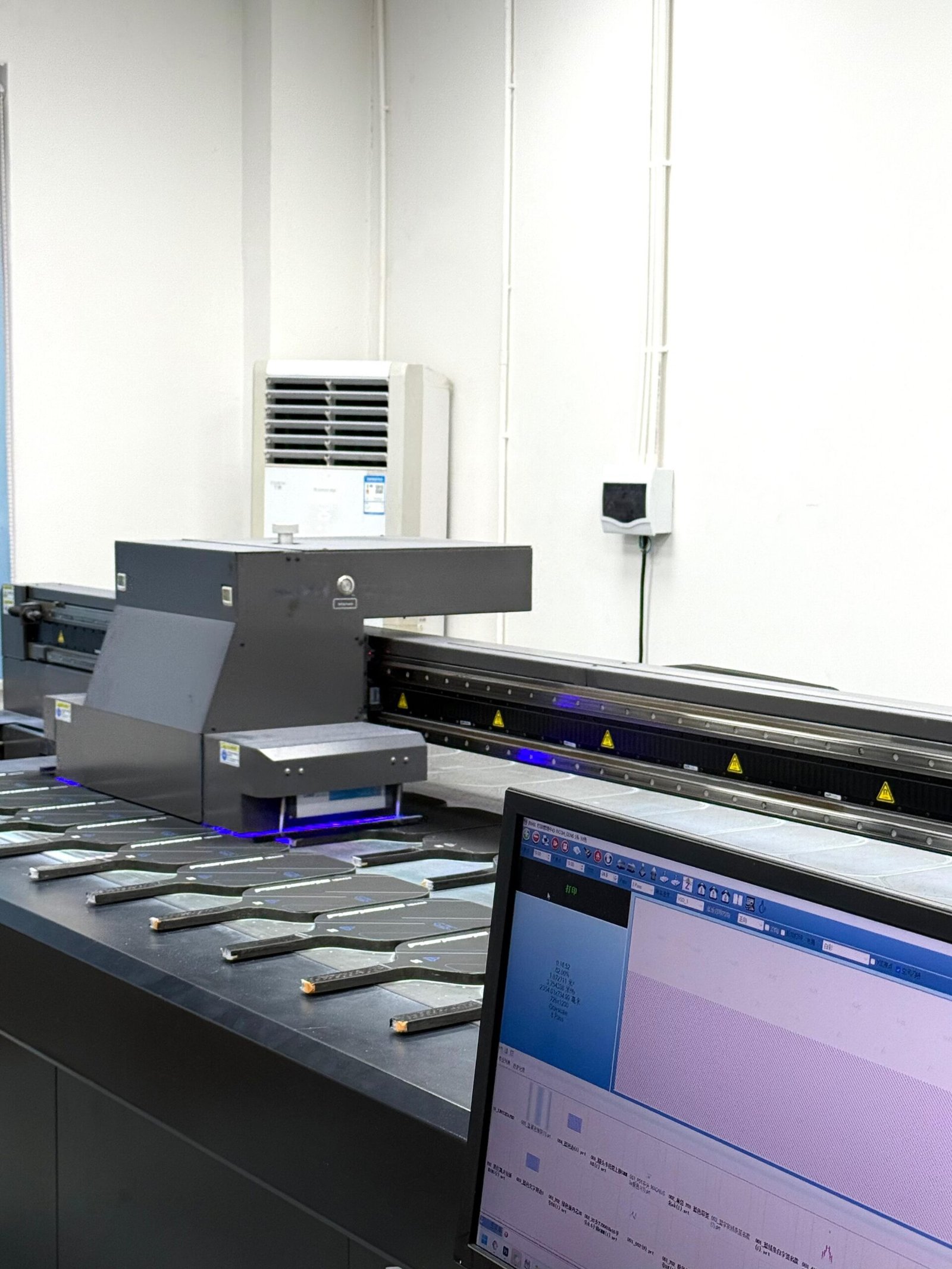
Custom options should include edge guard color, face graphics, grip material, core thickness, and shape.
H3: Transparent Communication
Language and cultural gaps can slow down production. Find a partner who can communicate quickly and clearly—ideally with bilingual reps.
Which is better, Joola or Selkirk?
You want a paddle brand that aligns with your business goals—but comparing giants like Joola and Selkirk isn’t always apples to apples.
Joola excels in innovation and marketing; Selkirk leads in craftsmanship and U.S. manufacturing.
Choosing Based on Your Target Market
I often advise buyers to first define their customer base—recreational, competitive, or professional—before comparing brands. Each brand offers value differently.
| Feature | Joola | Selkirk |
|---|---|---|
| Build Quality | High | Very High |
| Price Range | Mid to High | High |
| Custom Options | Minimal | Limited |
| Marketing Appeal | Strong (Ben Johns effect) | Strong (USA-made narrative) |
| Tech Focus | Hyperfoam edge wall, carbon | QuadFlex, Aero-DuraEdge tech |
H3: Are You Building a Brand or Selling One?
If you’re creating your own brand, neither Joola nor Selkirk is your best partner—they don’t offer OEM production. Instead, consider working with a capable factory that can match their materials and design.
H3: Do You Want Control Over Design?
Brand partnerships may restrict you to their design. With a private label or custom manufacturer, like us at NEX Pickleball, you have full design freedom.
What paddle do most pros use pickleball?
Pros often switch paddles for sponsorship, but their choices reveal what’s trending in paddle tech.
Most pros use thermoformed carbon fiber paddles3 with advanced core materials for spin and control.
The Professional Paddle Landscape
I've seen professional paddle trends shift quickly, driven by both performance needs and brand deals.
| Pro Player | Paddle Brand | Paddle Type |
|---|---|---|
| Ben Johns | Joola | Hyperion CFS 16 |
| Anna Leigh Waters | Paddletek | Bantam ALW-C |
| Tyson McGuffin | Selkirk | Vanguard Power Air |
| Catherine Parenteau | Selkirk | Vanguard Power |
H3: What This Means for Wholesalers
As a paddle supplier, I pay attention to pro paddle specs—not just the brand name. Most pro models now feature:
- Raw carbon fiber faces for spin
- Thermoforming for paddle stiffness and durability
- Polypropylene honeycomb cores4
H3: How You Can Match This Tech
At NEX Pickleball, we offer similar specs for wholesale customers. For example:
| Feature | Pro Paddle Specs | NEX Custom Paddle Options |
|---|---|---|
| Face Material | T700 Raw Carbon Fiber | Yes |
| Core Thickness | 13mm - 16mm | Customizable |
| Handle Shape | Elongated w/ foam inserts | Custom mold available |
| Edge Guard | Aero-grade or seamless | Optional seamless edge |
What is an illegal pickleball paddle?
You don’t want to invest in inventory only to find out it’s not allowed in tournaments.
Illegal paddles fail to meet USA Pickleball (USAP) certification rules5 on deflection, surface texture, or size.
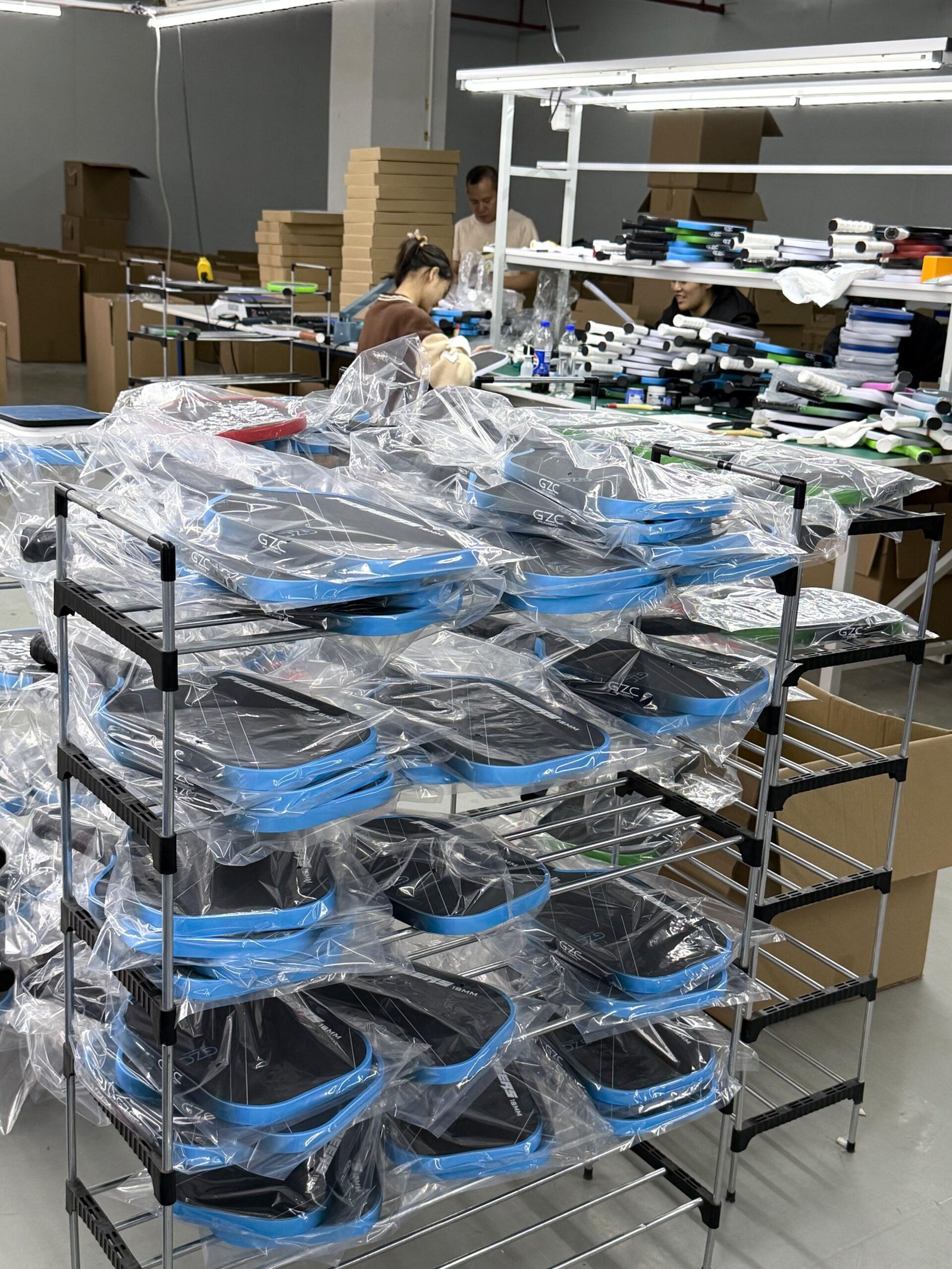
What Makes a Paddle Illegal?
From my experience, most paddle issues arise when factories don’t follow the USA Pickleball (USAP) certification rules. Here's what to watch for:
| Requirement | Rule Summary | Example of Violation |
|---|---|---|
| Surface Roughness | Must not exceed 30 microns | Over-sanded carbon fiber |
| Paddle Size | Total length + width ≤ 24” | Oversized paddle face |
| Reflection | No reflective materials | Glossy polymer surfaces |
| Deflection Test | No trampoline effect | Foam-core without stiffness |
H3: How to Stay Compliant
We always run independent third-party tests on deflection, surface roughness, and dimensions before scaling production. Ask your manufacturer to provide USAP-compliant paddle samples.
H3: What If You Don't Need USAP Approval?
Some wholesalers focus on recreational markets, where certification doesn’t matter. In that case, you can skip the fees—but still maintain paddle safety and performance.
Conclusion
Custom pickleball paddle partnerships offer flexibility, brand control, and cost savings—if you choose a manufacturer who understands the game.
-
Understand OEM/ODM for tailored production and market differentiation. ↩
-
Learn how ISO-certified processes ensure quality control in manufacturing. ↩
-
Discover the benefits of thermoforming in enhancing paddle performance. ↩
-
Explore the role of polypropylene honeycomb cores in providing paddle durability. ↩
-
Get insights on USAP certification for ensuring compliance in tournament paddles. ↩