Skip to content

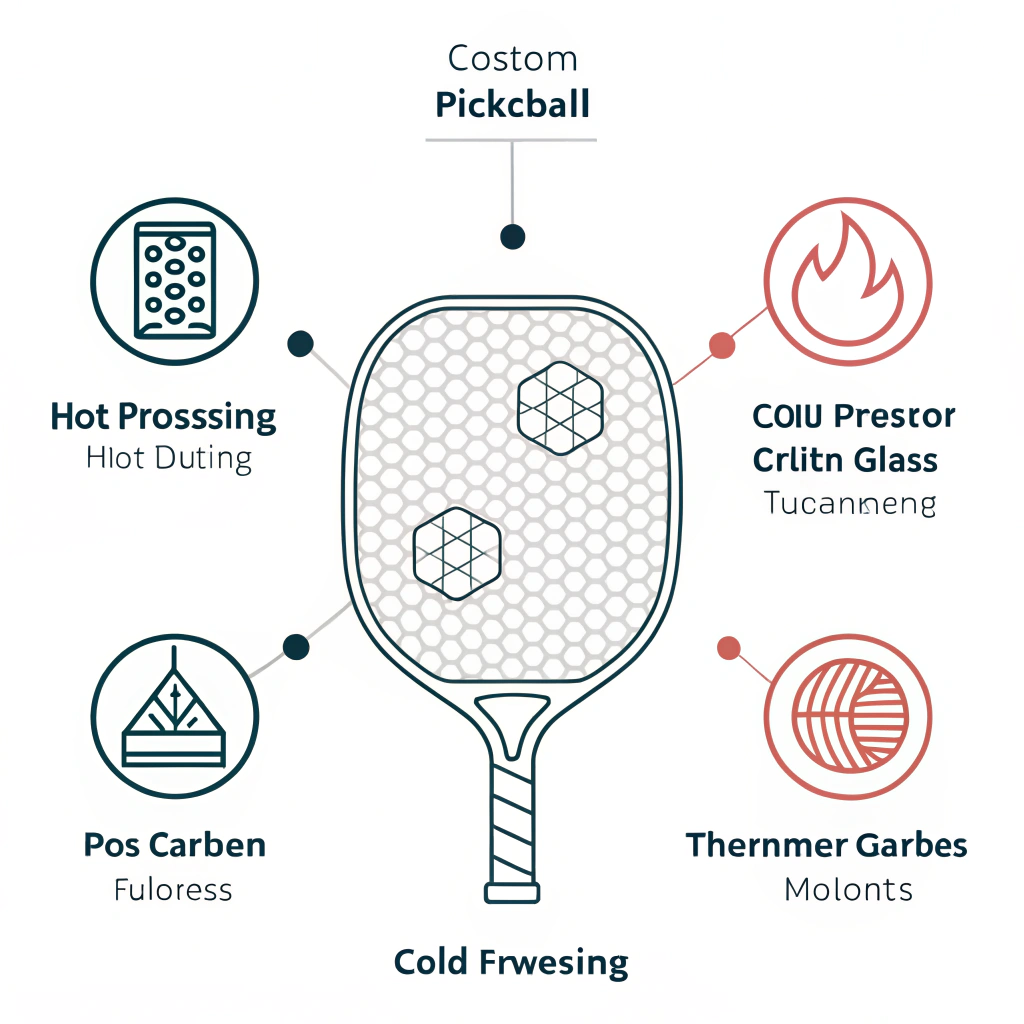
Custom pickleball paddles manufactured with advanced processes and premium materials offer the best performance, durability, and customization. In today’s competitive market, procurement managers need suppliers who not only understand the technical aspects of production but also deliver consistent quality and competitive pricing. NEX Pickleball leverages cutting‐edge production techniques and a wide range of materials to meet diverse business needs.
In modern B2B procurement, selecting a reliable manufacturer for custom pickleball paddles involves comparing production capabilities, evaluating material quality, and understanding the manufacturing processes. Companies face a challenge when balancing cost, performance, and customization options. When considering options, suppliers like NEX Pickleball demonstrate a clear advantage through their expertise in hot pressing1, cold pressing2, and thermoforming3, combined with a strategic use of premium materials such as carbon fiber4, fiberglass, and composite materials5.
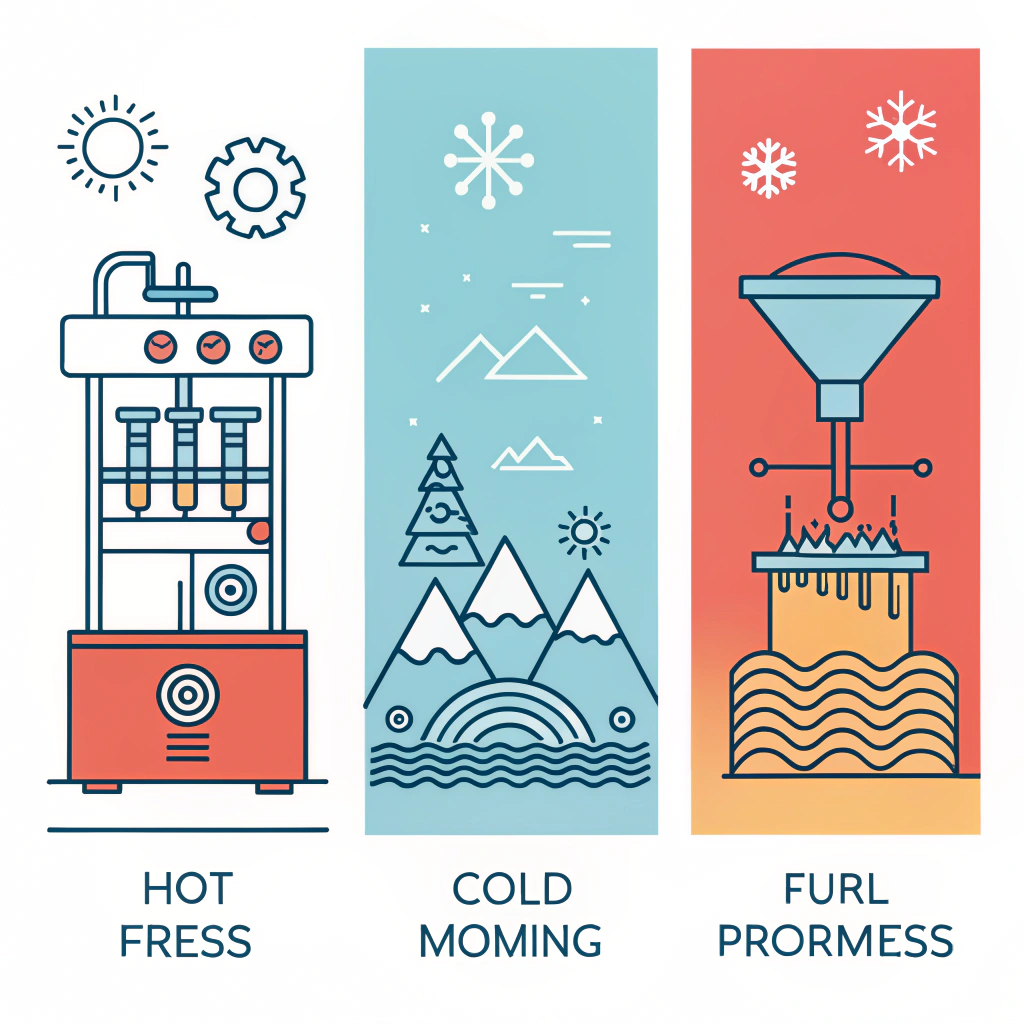
The choice of production process is critical. Each production method offers unique benefits and limitations.
• Hot pressing uses high temperature and pressure to form robust paddles. This method provides excellent impact resistance and rapid production cycles, making it ideal for producing high-performance paddles at scale. However, the process may alter some inherent material properties, which can affect the overall feel of the paddle.
• In contrast, cold pressing is performed at room temperature to maintain material integrity. This process offers enhanced control over the paddle’s thickness and structure, resulting in exceptional ball responsiveness and optimal touch. The trade-off is a longer production cycle, which might impact efficiency in high-volume manufacturing.
• Thermoforming heats materials to a softening point before shaping them using precise molds. It is particularly effective when producing paddles with complex designs that require uniform material distribution. While this approach delivers paddles with intricate aesthetics and excellent stability, it typically incurs a higher production cost and a longer turnaround time.
Below is a table summarizing these production processes:
| Production Process | Advantages | Disadvantages |
|---|---|---|
| Hot Pressing | High efficiency, robust structure, strong impact resistance | May alter material feel; high equipment costs |
| Cold Pressing | Precise control, maintains material properties, great ball feel | Longer production cycles |
| Thermoforming | Suitable for intricate designs, uniform material distribution, enhanced stability | Higher production cost; extended processing time |
Beyond production methods, material choice is another fundamental factor that influences performance. NEX Pickleball’s approach to material selection ensures that each paddle fulfills specific performance requirements.
The use of carbon fiber in paddles enhances strength, durability, and overall performance. NEX Pickleball offers several types:
• 3K Carbon Fiber: Valued for its flexibility and strength, thus delivering high rebound force with low vibration, perfect for players who need a robust performance.
• 12K Carbon Fiber: This offers a smoother surface with superior hardness and durability, making it an excellent choice for competitive settings that demand high impact resistance.
• T300 Carbon Fiber: Combining tenderness with tensile strength, T300 is ideal for paddles that require a balance between power and a lightweight feel.
Fiberglass paddles are another pillar for custom designs, offering a larger sweet spot and excellent ball control. For manufacturers and B2B buyers looking for a versatile paddle, fiberglass provides a balance between resilience and responsive control during rapid gameplay.
Moreover, composite materials can blend the advantages of different elements, such as combining carbon fiber and fiberglass to harness both power and flexibility. Options like bamboo core composite or honeycomb cores further enhance durability while providing distinct hitting feedback.
Below is a comparison of key material options:
| Material Type | Key Features | Ideal For |
|---|---|---|
| 3K Carbon Fiber | Strength, flexibility, high rebound force | Competitive play with minimal vibration |
| 12K Carbon Fiber | Smoother surface, high hardness, robust | Extreme impact resistance |
| T300 Carbon Fiber | Balanced performance, lightweight | Mix of power and control |
| E-Glass Fiberglass | Great elasticity, wider sweet spot | Enhanced ball control and comfort |
| Carbon Fiber & Fiberglass Composite | Combined strength and flexibility | Players needing power plus precise control |
| Bamboo Core Composite | Lightweight, high impact resistance | Durable, long-lasting play |
| Honeycomb Core (Nomex, Aluminum, Polymer) | Superior shock absorption and stability | Varied performance needs |
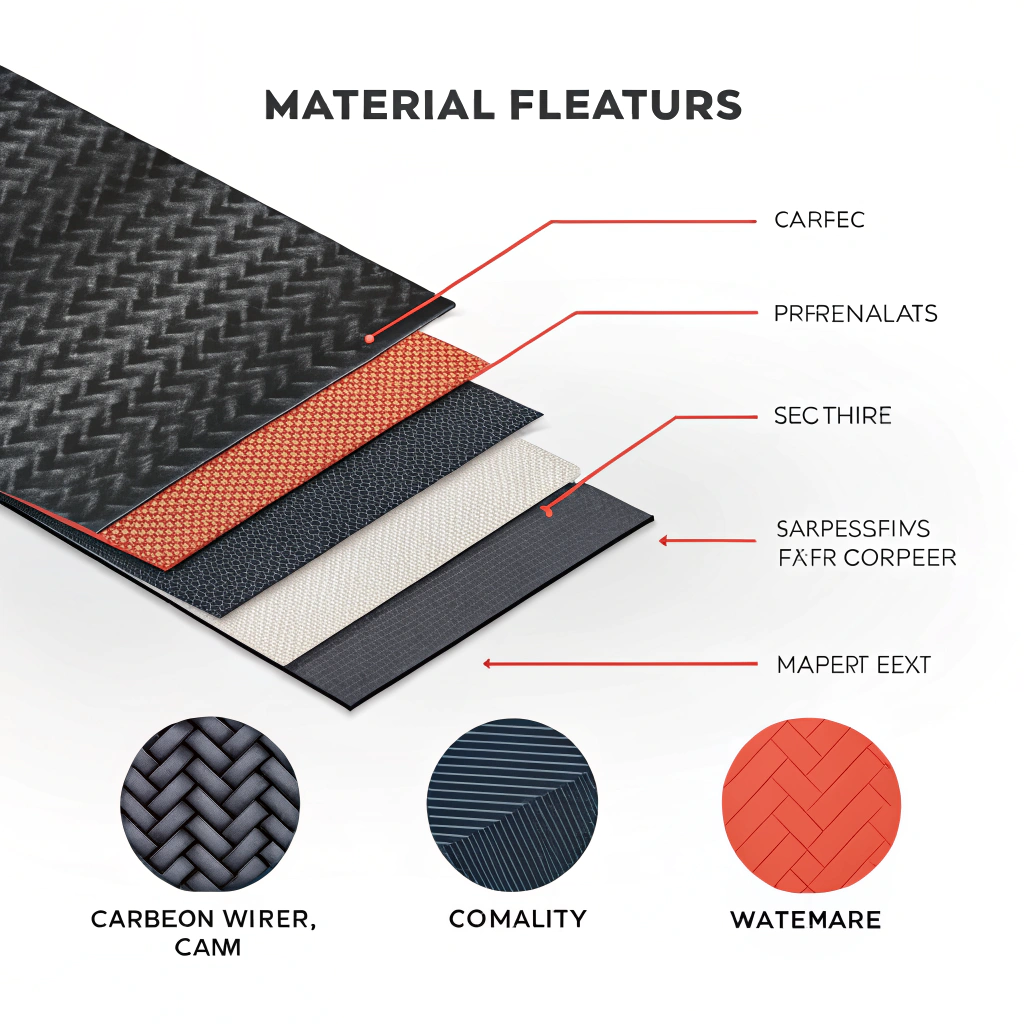
Customization is at the heart of a successful B2B partnership. For procurement managers evaluating suppliers, the ability to tailor products to specific market demands is crucial. NEX Pickleball not only excels in material and process innovation but also offers on-demand printing and custom design options. This flexibility extends to paddle dimensions, grip sizes, weight distribution, and even surface textures. The details matter—a paddle must fit the unique playing style or branding requirements of different retailers and sports organizations.
Key advantages of our customization options include:
• Precise control over design, enabling branding opportunities through on-demand printing.
• A wide selection of core materials, allowing for different levels of shock absorption and ball response.
• Rigorous quality control measures during every production phase, ensuring that each custom paddle meets strict performance and durability standards.
Quality control is another area where NEX Pickleball stands apart. Each paddle undergoes stringent testing to verify its structural integrity, balance, and performance consistency. This commitment to quality helps build trust with B2B buyers and ultimately supports successful retail distribution. Data from our in-house testing confirms that our paddles consistently outperform competitors in both durability and responsiveness. Our ability to meet high-volume orders without sacrificing quality makes us a preferred partner for companies across sporting goods sectors.
Manufacturing high-performance paddles requires a balance between advanced production techniques and expert craftsmanship. Our processes—from hot pressing to thermoforming—are calibrated to deliver optimal weight distribution and ergonomic grip design. We continuously refine our techniques based on customer feedback and performance data from professional players. This feedback loop allows us to innovate swiftly and maintain a competitive edge in technology and production efficiency.
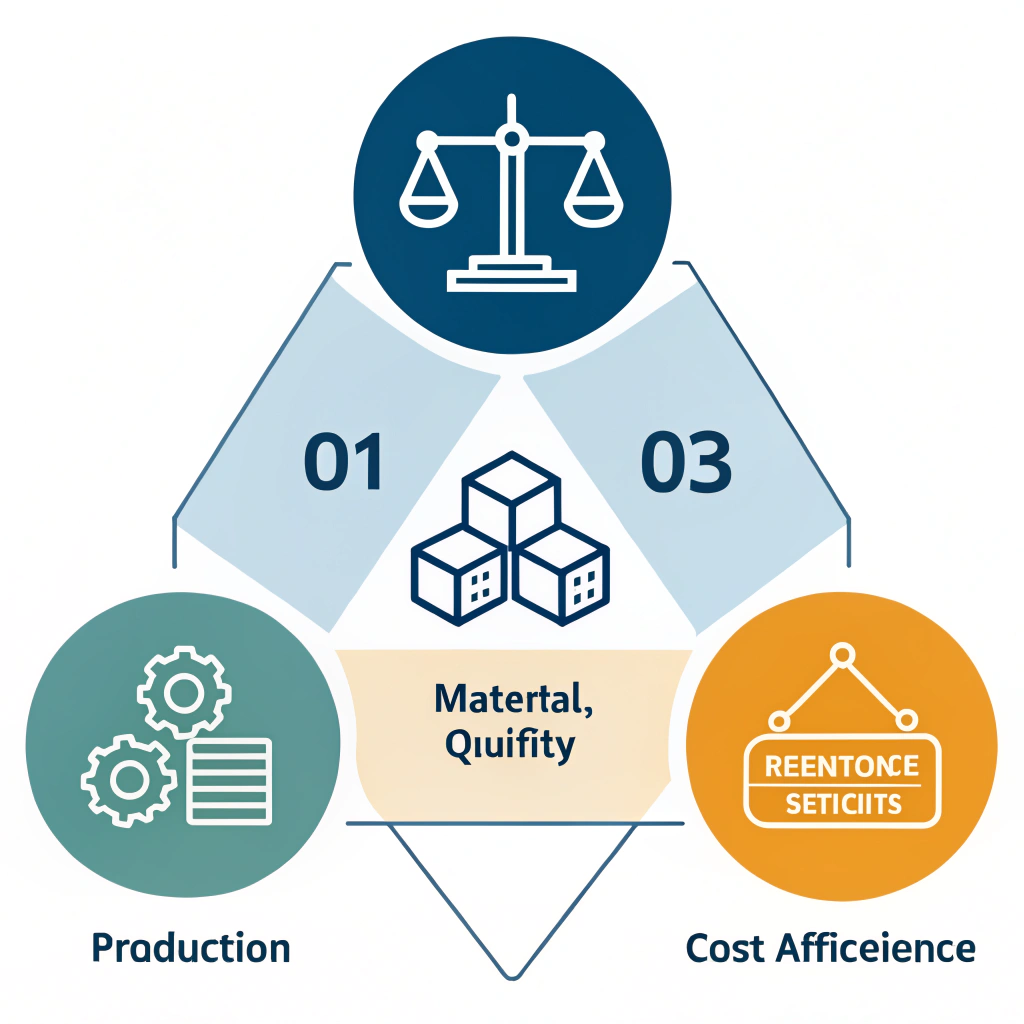
The decision-making process for procurement managers often comes down to three critical factors: production capabilities, material quality, and cost-effectiveness. Let’s take a closer look at these elements:
-
Production Capabilities:
Suppliers must exhibit high efficiency while offering scalable production processes. Our use of hot pressing, cold pressing, and thermoforming ensures that we can meet both high-volume orders and custom, lower-volume production runs without compromising quality. Efficiency in production means shorter lead times, a factor that significantly influences purchasing decisions. -
Material Quality:
The performance of custom pickleball paddles depends heavily on material selection. With advanced options in carbon fiber and composite materials, our paddles cater to both recreational players and competitive athletes. By offering choices ranging from 3K to 12K carbon fiber and incorporating composite layers, we provide a rich array of options that can be tailored to specific performance needs. High-quality materials also translate to longer-lasting products, reducing long-term costs for retailers and sports organizations. -
Cost-Effectiveness:
While premium materials and advanced production processes come at a cost, efficiency and scalability are key to maintaining competitive pricing. Our streamlined production methods, combined with bulk-capable processes, allow us to offer competitive prices without sacrificing product performance. This balance of cost and quality is particularly attractive to B2B buyers who seek reliable products at a cost that supports healthy profit margins.
To help procurement managers visualize the comparison, consider this decision matrix:
| Decision Factor | NEX Pickleball Advantage | Industry Benchmark |
|---|---|---|
| Production Efficiency | Multiple production processes meeting high volumes | Often limited to single production techniques |
| Material Flexibility | Wide range of carbon fiber, fiberglass, and composites | Fewer material choices, less customization |
| Customization Options | On-demand printing and tailored designs | Standard designs with limited options |
| Quality Control | Rigorous testing, balanced design choices | Variable testing leading to inconsistent performance |
| Pricing | Competitive pricing due to scalable processes | Higher costs with less predictable outcomes |
For B2B procurement managers, the key to selecting a long-term supply partner lies in understanding both the technical underpinnings and practical outcomes of the manufacturing process. NEX Pickleball’s commitment to innovation, quality, and efficiency results in paddles that not only meet but often exceed industry performance standards.
The path forward for companies looking to upgrade their product portfolio is clear. By choosing a supplier with proven production techniques and a range of premium materials, you gain a competitive advantage in both durability and performance. Our ability to provide custom paddle options means that your business can offer unique products that resonate with end consumers and elevate your brand image.
It is also important to understand that while many suppliers claim similar capabilities, only those with a robust quality assurance program and flexible production lines can truly guarantee consistency in high-performance products. With a global reputation built on partnerships with renowned brands like Joola and Selkirk, NEX Pickleball offers the technical insights and production reliability that are essential in the competitive sports equipment market.
In summary, when making a procurement decision for custom pickleball paddles, focus on:
• The diversity and precision of the production processes.
• The advanced range of materials that enhance paddle performance.
• The flexibility to customize products to meet unique market demands.
• Long-term value through rigorous quality control and competitive pricing.
By carefully evaluating these factors, procurement managers can confidently choose a partner capable of delivering high-performance, durable, and customizable pickleball paddles that drive business success.
People Also Ask
Q1: Which company makes the best pickleball paddles?
A1: While opinions vary, many consider brands like Joola, Selkirk, CRBN, and Gearbox among the best due to their use of premium materials and mature production processes. NEX Pickleball, as a leading manufacturer and OEM for both Joola and Selkirk, also meets stringent quality standards with advanced production techniques.
Q2: Who makes pickleball paddles in the USA?
A2: In the USA, brands such as Gamma, Prolite, and Paddletek produce pickleball paddles. These companies often source specialized materials domestically, particularly for high-performance paddles.
Q3: Are all pickleball paddles made in China?
A3: Not all pickleball paddles are made in China. While many manufacturers operate in China due to scale and cost benefits, some companies such as Paddletek and Engage manufacture their paddles in the USA, often sourcing high-quality components domestically.
-
hot pressing: Read this article to explore the high-temperature production process that creates robust structures and offers rapid production cycles. Back to term. ↩
-
cold pressing: Discover how cold pressing maintains material integrity and offers precise control over product thickness for enhanced performance. Back to term. ↩
-
thermoforming: Learn about thermoforming techniques that allow for complex design creation and uniform material distribution in manufacturing. Back to term. ↩
-
carbon fiber: Explore the advantages of carbon fiber in improving strength and durability in high-performance products. Back to term. ↩
-
composite materials: Understand how composite materials combine various elements to deliver both power and flexibility in modern manufacturing. Back to term. ↩