Skip to content

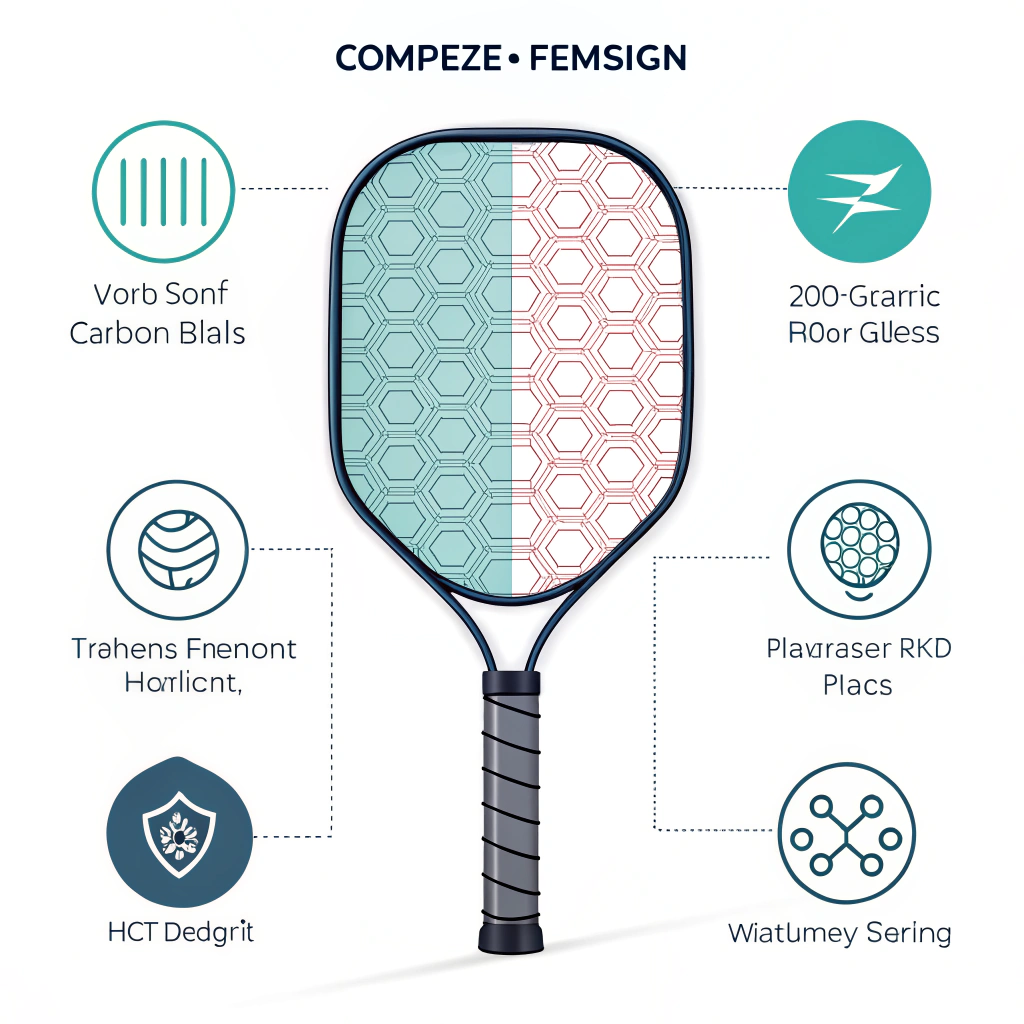
Rapid Answer: Choosing the right composite paddle technology1 is critical for balancing performance, durability, and cost-effectiveness. This article compares composite materials2 and manufacturing processes, providing detailed insights and decision guidelines for B2B partners in the sports equipment industry.
In today's competitive sports equipment market, selecting advanced manufacturing techniques is key to producing high-performance pickleball paddles. Businesses must carefully weigh the benefits of various composite materials such as carbon fiber, fiberglass, and composite combinations. At NEX Pickleball, we understand that decision-makers need clear, technical data and real-world examples to design products that meet both performance standards and customer expectations. This article will help you assess and compare composite paddle technologies, manufacturing processes, and material choices.
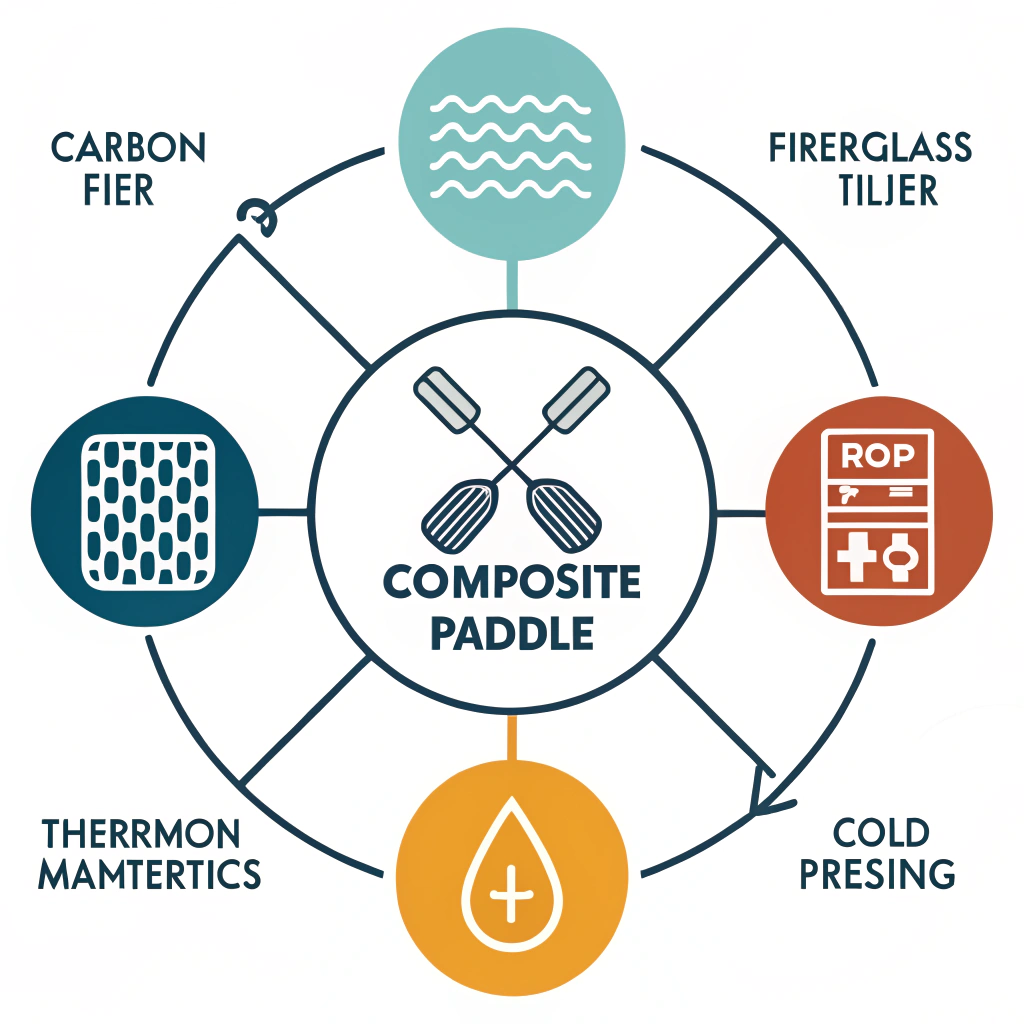
The paddle industry has seen significant advances thanks to composite materials. These materials not only provide exceptional strength and durability but also enhance control, responsiveness, and overall performance. Common composite materials include:
- Carbon Fiber Composite: Available in 3K, 12K, and T300 grades, each offering varying benefits in strength, flexibility, and surface finish.
- Fiberglass Composite: Known for its balance between power and control, delivering excellent ball control and increased sweet spot.
- Hybrid Composites: Combinations of carbon fiber and fiberglass or other materials (like bamboo core or honeycomb structures) that offer a tailored balance of properties.
The modern player demands paddles that can combine power, finesse, and extended durability. As a result, manufacturers must decide not only on the core composite material but also on the optimal production process to enhance performance.
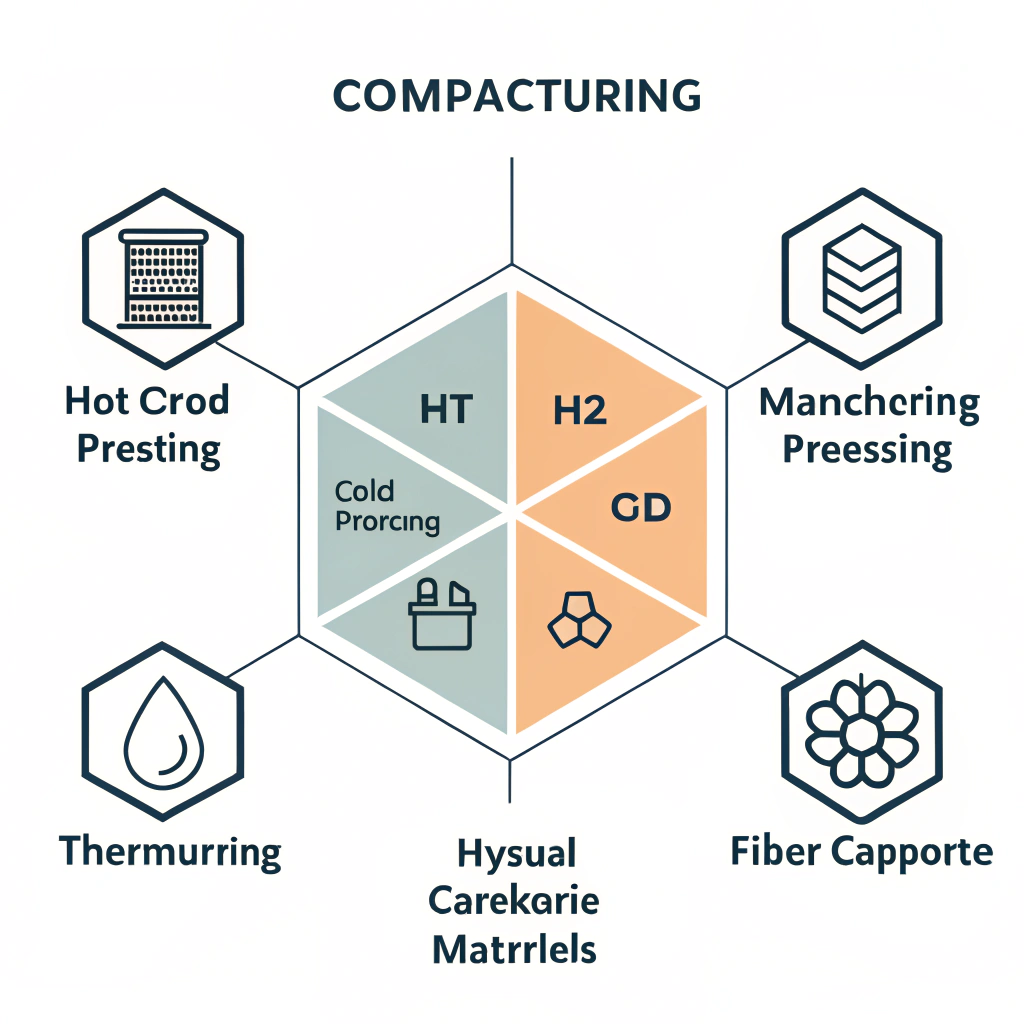
Understanding the three main manufacturing processes is essential for choosing a partner who meets your quality and production efficiency criteria. Each technique has its strengths and trade-offs:
- Hot Pressing3: Involves heating and applying pressure, resulting in high-strength and durable paddles. Although it ensures strong impact resistance, the process might slightly alter material properties.
- Cold Pressing4: Works at room temperature under mechanical pressure, ensuring precise control over paddle thickness and preserving inherent material characteristics. The process is slower but yields superior responsiveness.
- Thermoforming5: Uses heat to soften materials before forming with molds. It is optimal for complex paddle designs with uniform material distribution but comes with longer production times and higher costs.
Comparison of key points among these processes helps decision-makers pinpoint which method aligns best with their product requirements and production timelines.
Below is a table summarizing key attributes of manufacturing processes and materials used to produce high-performance pickleball paddles:
| Criteria | Hot Pressing | Cold Pressing | Thermoforming |
|---|---|---|---|
| Production Speed | High (efficient for large batches) | Moderate (longer cycle times) | Low (longer production cycle) |
| Material Integrity | May alter some properties | Maintains natural material properties | Excellent for intricate designs |
| Impact on Paddle Feel | High strength but potential stiffness | Superior ball feel and responsiveness | Enhanced structural stability |
| Equipment Investment | High (advanced machinery required) | High-quality pressure controls necessary | High (complex molds and heating systems) |
| Ideal Application | High-performance, durable paddles | Precision-controlled paddles with focus on responsiveness | Custom, premium paddles with unique designs |
For composite materials, the table below outlines the benefits of the primary options:
| Composite Material | Key Benefits | Target Playing Style |
|---|---|---|
| 3K Carbon Fiber | Excellent durability, high rebound | Players needing a mix of power and control |
| 12K Carbon Fiber | Smoother surface, greater hardness | Competitive play requiring impact resistance |
| T300 Carbon Fiber | Outstanding tensile strength, lightweight | High-performance competitive play |
| Fiberglass | Wider sweet spot, flexible control | Recreational players seeking balance between power and control |
| Hybrid Composites | Customizable with enhanced aesthetics and performance | Teams or brands wanting unique paddle characteristics |
This multi-dimensional comparison is crucial for manufacturers and procurement officers when evaluating potential production partners. By reviewing these tables, you can make informed decisions regarding which process and composite material best align with your market strategy.
Determine whether your customers prioritize durability, control, or a balance of both. For example, competitive players may prefer the enhanced impact resistance of 12K carbon fiber combined with the rigorous strength of hot pressing, while recreational players might favor the flexibility and superior ball feel of cold-pressed fiberglass composites.
Efficiency is a significant factor in large-scale manufacturing:
- Hot Pressing is best for mass-market production where speed and durability are prioritized.
- Cold Pressing offers the precision needed for a customized feel, if your market values nuanced performance attributes.
- Thermoforming best serves premium, niche markets where complex design and precise material placement provide a competitive edge.
Investing in advanced equipment for hot pressing or thermoforming might be costly initially, but the resulting paddles typically provide higher performance levels and longer durability. In contrast, cold pressing, while slower, preserves material properties and often results in a superior tactile experience, making it ideal for a market segment that values fine control.
The choice of composite material should complement the manufacturing process:
- Carbon Fiber Options: When paired with hot or thermoforming, they can maximize durability and control.
- Fiberglass: When combined with cold pressing, the material’s natural flexibility is harnessed to enhance ball control.
- Hybrid Options: Offer balanced properties and allow for greater customization, which is especially beneficial for team branding or specialized markets.
These approaches enable manufacturers to not only satisfy end-user performance demands but also to ensure production scalability and consistency.
Industry trends suggest that composite pickleball paddles is at an all-time high. For instance, leading sports manufacturers have recently reported a 15% annual growth in composite paddle sales. This growth is driven by evolving player expectations and innovations in composite technology.
Consider a case where a distributor opted for a hybrid manufacturing method that combined cold pressing with a custom-developed honeycomb core. The resulting paddles exhibited superior shock absorption and minimal vibration, heavily appealing to a mid-tier competitive market. By adjusting the production process, they were also able to fine-tune paddle balance and incorporate brand-specific design features.
Another example involves a retailer who sought paddles with a premium feel and extended durability. They partnered with a manufacturer using high-end 12K carbon fiber and a thermoforming process. Although the process was slower and initially more costly, the enhanced performance and lower returns due to quality issues led to improved customer satisfaction and market reputation.
Such real-world examples underscore the importance of aligning manufacturing processes and composite material selection with clear business strategies. By doing so, you ensure that every paddle not only meets technical performance standards but also resonates with consumer expectations in terms of longevity and playability.
When evaluating a manufacturing partner, consider the following factors:
- Quality Control: Ensure consistent quality with rigorous testing standards to verify performance benchmarks like durability, impact resistance, and material integrity.
- Customization Flexibility: The ability to offer custom paddle options—in terms of design, weight, balance, and grip—enables your business to meet diverse customer demands.
- Production Scalability: A partner should be capable of meeting both large-scale production needs and offering specialized, lower-volume customizations efficiently.
- Competitive Pricing: While premium materials and advanced production processes can command higher prices, strategic pricing aligned with market segments ensures both profitability and customer accessibility.
- Technical Expertise: Experience in using advanced production techniques like hot pressing, cold pressing, and thermoforming—along with knowledge of composite material science—is essential. This technical depth guarantees that manufacturing processes remain robust while continuously evolving to incorporate innovations.
By carefully evaluating these areas, you not only gain a competitive edge but also build strong, long-term partnerships capable of adapting to market trends and technological advancements.
In summary, the choice of composite materials and manufacturing processes greatly influences the overall performance and market positioning of pickleball paddles. B2B decision-makers must consider:
• The unique benefits of each composite material, including carbon fiber options and fiberglass, and tailor these to match your target market’s expectations.
• The different production techniques—hot pressing, cold pressing, and thermoforming—and how they affect paddle performance and production efficiency.
• The need for customized production approaches that allow for flexible design options, improved quality control, and scalable manufacturing.
We recommend that you engage in a detailed dialogue with potential manufacturing partners to understand their technical capabilities and quality control measures. Evaluate sample products and pilot batches to verify performance claims before scaling up production. This due diligence helps ensure that your final product not only meets high-performance standards but is also delivered on time and within budget.
Making informed manufacturing decisions today will empower your brand to deliver superior pickleball paddles that drive customer satisfaction and competitive success.
• Is a composite pickleball paddle good?
Composite paddles, especially those weighing between 7.7-8.2 ounces, offer a balanced mix of durability, power, and spin. They are engineered to provide enhanced performance for both recreational and competitive players.
• What's the best material for pickleball paddles?
Many experts agree that carbon fiber stands out as the top choice due to its superior strength, lightweight properties, and excellent performance. It is often preferred for paddles that aim to deliver maximum precision and power.
• Does an expensive pickleball paddle make a difference?
Higher-end paddles often feature advanced materials like carbon fiber and fiberglass, which can offer better control, power, and spin. However, the paddle’s overall design and manufacturing quality are also key factors in delivering a superior playing experience.
-
composite paddle technology: Click to read an in-depth overview of how composite paddle technology integrates different materials and design principles to enhance performance and durability across sports equipment. ↩
-
composite materials: Click to explore detailed information about composite materials, including their properties, common types, and applications in high-performance sports equipment manufacturing. ↩
-
Hot Pressing: Click to learn more about hot pressing, a manufacturing process that uses heat and pressure to create durable, high-strength components, and how it impacts production efficiency. ↩
-
Cold Pressing: Click to discover the cold pressing technique, its advantages in preserving material properties, and why it is favored for achieving superior responsiveness in products. ↩
-
Thermoforming: Click to gain insights into thermoforming, a process that softens materials with heat for precise molding, ideal for producing complex and custom-designed components. ↩