Skip to content

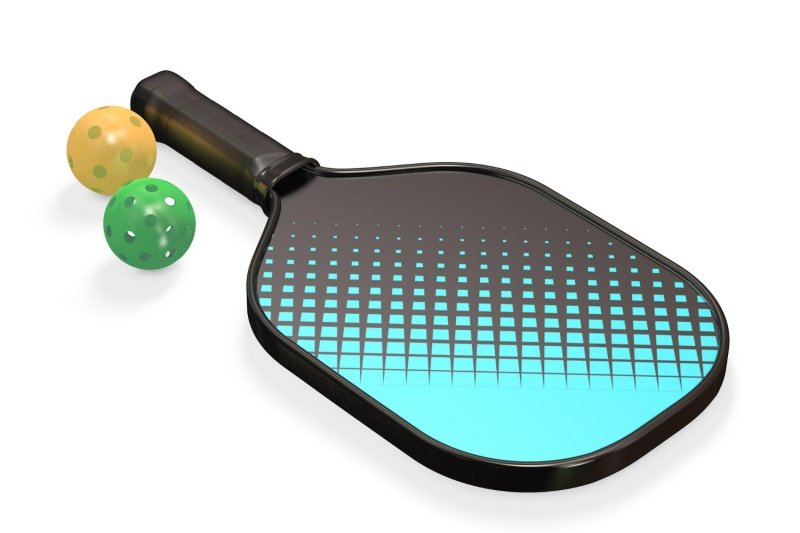
Carbon fiber pickleball equipment is taking the sport by storm, but are these products truly worth the investment? Let's explore this growing trend.
Carbon fiber paddles1 are lightweight and durable, but are they the right choice for every player? Here’s a quick breakdown.
If you're new to carbon fiber pickleball equipment, stick around as we discuss its advantages, top models, and legal aspects.
Are carbon fiber pickleball paddles worth it?
Carbon fiber paddles are all the rage, but are they really worth the price tag? Let’s examine the pros and cons.
Carbon fiber paddles are known for their lightweight feel and impressive durability, but their performance may vary for different skill levels.
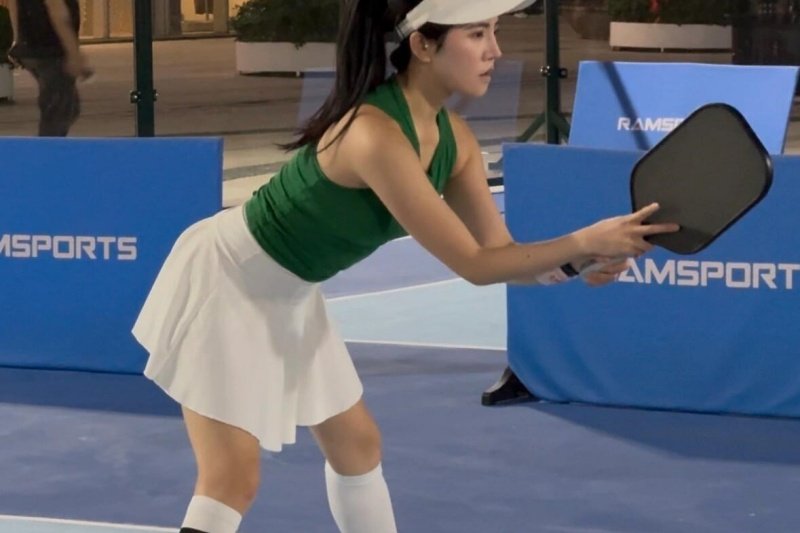
Carbon fiber paddles offer several benefits. They’re typically lighter than wooden or fiberglass paddles, which can give players more control and less fatigue. Additionally, carbon fiber is known for its durability, often outlasting other materials. However, the increased price point may not be justified for beginner players.
Advantages of Carbon Fiber Pickleball Paddles
- Lightweight: This makes them easier to handle, especially for long games.
- Durable: Carbon fiber can withstand a lot of wear, reducing the need for frequent replacements.
- Enhanced Power and Control: The material can enhance both power and control in your shots.
| Feature | Carbon Fiber | Fiberglass | Wood |
|---|---|---|---|
| Weight | Light | Moderate | Heavy |
| Durability | High | Moderate | Low |
| Power/Control | High | Moderate | Low |
Despite these advantages, carbon fiber paddles may not be necessary for casual players, and their high price point could be a concern for some.
Which pickleball paddles are better, fiberglass or carbon fiber?
Fiberglass and carbon fiber paddles are both popular options, but which one stands out in terms of performance and value?
Fiberglass paddles2 are often cheaper but may not offer the same durability or performance as carbon fiber.
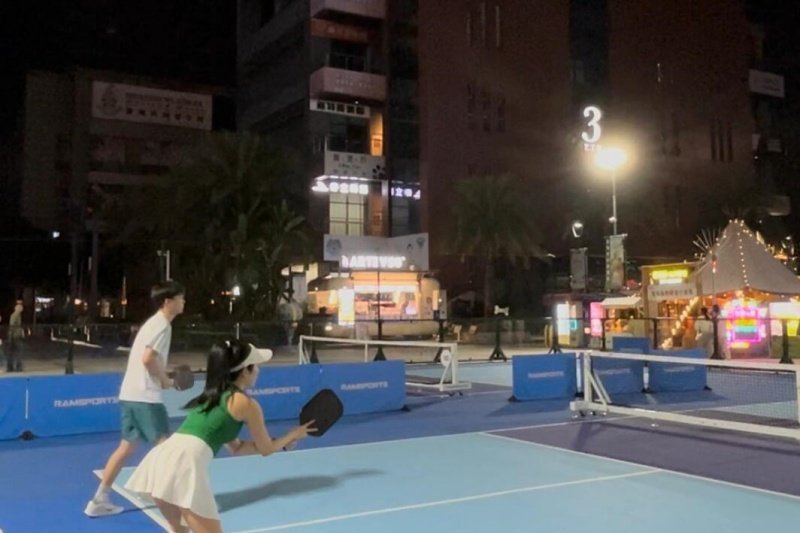
When deciding between fiberglass and carbon fiber, it largely depends on your personal preferences and playing style. Fiberglass paddles are typically less expensive and provide a solid performance, but they tend to be heavier and less durable than carbon fiber paddles. On the other hand, carbon fiber paddles provide superior performance but at a higher price.
Key Differences Between Fiberglass and Carbon Fiber Paddles
- Price: Fiberglass paddles are usually more affordable.
- Weight: Carbon fiber paddles are lighter, leading to better control.
- Durability: Carbon fiber paddles last longer than fiberglass.
- Power/Control: Carbon fiber offers more power and precision.
| Feature | Fiberglass | Carbon Fiber |
|---|---|---|
| Cost | Low | High |
| Durability | Moderate | High |
| Power/Control | Moderate | High |
For players looking for performance and longevity, carbon fiber might be the better investment. However, for those who prioritize cost-effectiveness, fiberglass still offers good value.
What is the best carbon pickleball paddle for the money?
With so many carbon fiber pickleball paddles on the market, how do you find the best one for your budget?
The best carbon pickleball paddle combines quality, performance, and affordability. Here are a few top contenders.

When it comes to finding the best carbon fiber paddle for the money, several factors come into play. While high-end models like the Selkirk Amped or Paddletek Tempest series offer excellent performance, they can be expensive. There are also budget-friendly options, such as the Onix Z5 or Franklin Sports Carbon Fiber Paddle, which offer solid performance without breaking the bank.
Popular Carbon Fiber Paddles for Every Budget
- High-End: Selkirk Amped, Paddletek Tempest
- Mid-Range: Onix Z5, Franklin Sports Carbon Fiber Paddle
- Budget-Friendly3: ProLite Titan Pro, Gamma Sports RZR
| Paddle Model | Price Range | Performance | Durability |
|---|---|---|---|
| Selkirk Amped | High | Excellent | High |
| Paddletek Tempest | High | Excellent | High |
| Onix Z5 | Moderate | Good | Moderate |
| Franklin Carbon | Moderate | Good | Moderate |
| ProLite Titan | Low | Good | Moderate |
Choosing the right paddle for your budget often involves balancing your needs with the features that are most important to you, whether that's power, control, or comfort.
Is carbon pickleball paddle legal?
Are there any regulations that could prevent you from using a carbon fiber paddle in competitive play?
Most carbon fiber paddles are legal for competitive play, but it's important to check with the event rules.
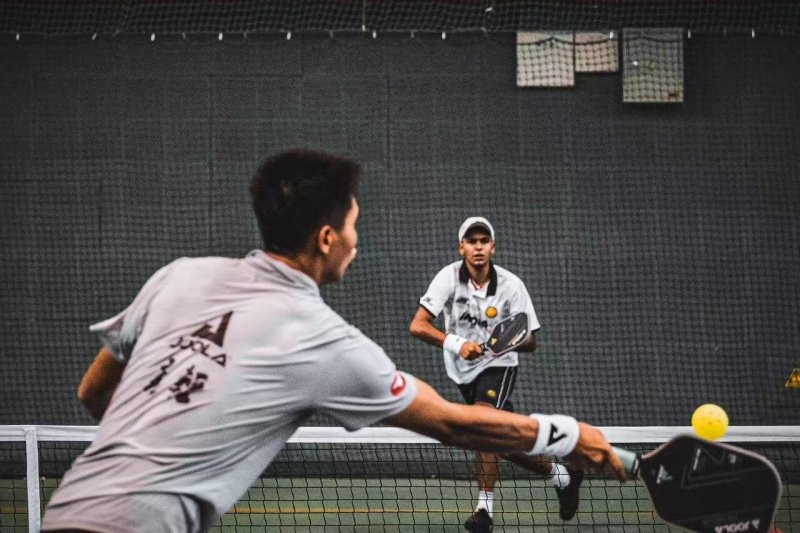
Carbon fiber paddles are generally legal for use in sanctioned pickleball tournaments, but it’s always important to verify whether the specific paddle you choose meets the standards set by the governing bodies. The USAPA (USA Pickleball Association) and other organizations have guidelines to ensure the materials used in paddles don’t give players an unfair advantage.
USAPA Regulations4 for Paddles
- Material: Carbon fiber is legal as long as the paddle’s surface is not designed to add excessive spin or power.
- Size: The paddle must fit within the USAPA’s approved dimensions (17 inches long, 7.8 inches wide).
- Construction: Paddles must be constructed in a way that does not give an unfair advantage.
| Regulation | Details |
|---|---|
| Approved Material | Carbon fiber is allowed |
| Paddle Size | Must be within 17" x 7.8" |
| Construction | Must meet USAPA standards for fairness |
Before competing, it’s always a good idea to verify that your paddle is approved by the governing body of the event you are attending.
Conclusion
Carbon fiber paddles offer excellent performance, but their high price may not be suitable for everyone. Always consider your needs before buying.
-
Learn why carbon fiber paddles are preferred for their lightweight and durable qualities. ↩
-
Understand how fiberglass paddles compare with carbon fiber in terms of cost and durability. ↩
-
Discover why budget-friendly carbon fiber paddles can still provide solid performance. ↩
-
Learn about the USAPA regulations for pickleball paddles and what makes carbon fiber legal. ↩