Skip to content


Using sandpaper on a pickleball paddle is a nuanced process that can enhance grip when done carefully, but it carries risks in terms of durability, performance, and regulatory compliance. In this article, we explore the detailed implications of applying sandpaper for surface modification, backed by production insights and factory experiences.
Pickleball paddles are engineered with precision using advanced materials such as carbon fiber1, fiberglass, and composite materials. These paddles are designed through carefully controlled production processes—hot pressing, cold pressing, and thermoforming2—which ensure structural integrity and optimal playability. Modifying the paddle surface with sandpaper introduces changes that may impact these performance characteristics.
The idea behind using sandpaper on a pickleball paddle typically arises from the need to:
- Increase surface grit to enhance ball control.
- Adjust the texture of the paddle to improve grip.
- Revitalize an older paddle surface that may have worn down over time.
However, the critical question remains: does the modification compromise the paddle's longevity, legality, or overall performance? In the following sections, we break down the potential benefits and the associated risks of modifying a paddle with sandpaper.
Paddle surfaces are engineered with a uniform finish that balances performance, durability, and regulatory requirements. Most competitive paddles are required to have a smooth, consistent hitting surface without excessive roughness, as mandated by tournament rules. An uneven texture might not only adversely affect ball dynamics but may also render the paddle illegal in competitive settings.
When applied correctly, sandpaper can create a more textured surface which may help players achieve:
- Improved ball spin control.
- Enhanced tactile feedback during play.
- A refreshed surface if the original grip has degraded over time.
For non-competitive play or controlled environments, a controlled application might provide marginal improvements in grip without significant downsides. For example, using a light grit (such as 400 grit) combined with a clear coating agent like Flex Seal3 has been found to restore a paddle’s spin capability without compromising ball control.
Despite potential benefits, several critical risks must be considered before opting for a sandpaper modification:
- Regulatory Non-Compliance: Regulatory bodies demand that paddle surfaces remain free of holes, deep indentations, and excessive roughness. Altering the texture may push the paddle outside legal limits.
- Material Abrasion: Using sandpaper inevitably removes a layer of the paddle’s surface material. This abrasion can lead to micro-damage that affects the paddle’s structural properties and durability.
- Performance Variability: Over-aggressive sanding may disturb the design’s intended balance, weight distribution, and even the shock absorption properties offered by the paddle’s core material.
- Adhesive and Coating Failures: Post-sanding, the application of adhesives or coatings (like Flex Seal) can vary in quality. Sub-optimal adhesion may lead to peeling or flaking during high-impact play.
At NEX Pickleball, our extensive factory experiences with advanced production processes provide a robust foundation for understanding the sensitivity of paddle surface modifications. Our paddles are produced through methods like hot pressing, cold pressing, and thermoforming, all structured to maintain precise material properties and performance. Here are some insights from our production floor:
- Hot Pressing: This process is geared towards creating paddles with strong bonds and high-impact resistance. The heat and pressure involved ensure that the material achieves a smooth surface finish which embodies the intended performance metrics.
- Cold Pressing: Cold pressing focuses on precise control over thickness and offers enhanced tactile responsiveness. Altering the surface with sandpaper here can disrupt the finely tuned balance engineered during production.
- Thermoforming: Ideal for complex shapes, thermoforming allows a consistent material distribution. Any manual alteration could ruin the engineered design, leading to uneven performance in various play conditions.
The production processes already offer built-in surface treatments that enhance grip and performance. When considering additional surface modifications like sandpaper, it is crucial to understand that even slight alterations can have cascading effects on the paddle's engineered performance.
If a decision is made to experiment with sandpaper modification, adhering to a methodical and controlled approach is vital. Here is a structured process that can help minimize risks:
-
Assessment and Testing:
- Begin with a pilot test on a non-competition paddle.
- Assess the paddle’s current performance, texture, and grip.
- Identify the areas where improvement is necessary without compromising the paddle's foundational characteristics.
-
Selecting the Correct Grit:
- Use a fine-grit sandpaper, typically around 400 grit, to ensure that the material removal is minimal.
- Ensure to uniformly cover the intended area to avoid introducing irregular surfaces.
-
Application of Adhesive Coating:
- Once sanding is complete, apply a thin and even layer of a clear coating agent such as Flex Seal along with a high-quality spray adhesive.
- This step is critical to restore surface integrity and to seal any potential micro-abrasions caused during sanding.
-
Performance Testing Post-Modification:
- Conduct controlled tests to evaluate changes in ball control, spin capacity, and overall paddle feel.
- Compare these results with pre-modification performance metrics.
-
Regulatory Compliance Check:
- Finally, ensure the paddle meets all competitive regulations regarding surface texture.
- Verify that the paddle’s surface does not have excessive texturing, holes, or indentations that could result in disqualification from tournaments.
Below is a comparative table outlining the potential advantages and limitations of using sandpaper modifications versus alternative, factory-designed surface enhancements:
| Aspect | Sandpaper Modification | Factory-Designed Enhancements |
|---|---|---|
| Surface Uniformity | Risk of uneven abrasion | High level of consistency |
| Grip Enhancement | Can improve grip if applied carefully | Engineered for optimal feel |
| Durability | Potential for micro-damage in surface | Tested durability standards |
| Regulatory Compliance | Risk of non-compliance if too rough | Meets official competition norms |
| Customization Flexibility | High, if done manually | Limited to available designs |
| Application Complexity | Requires careful process control | Standardized production process |
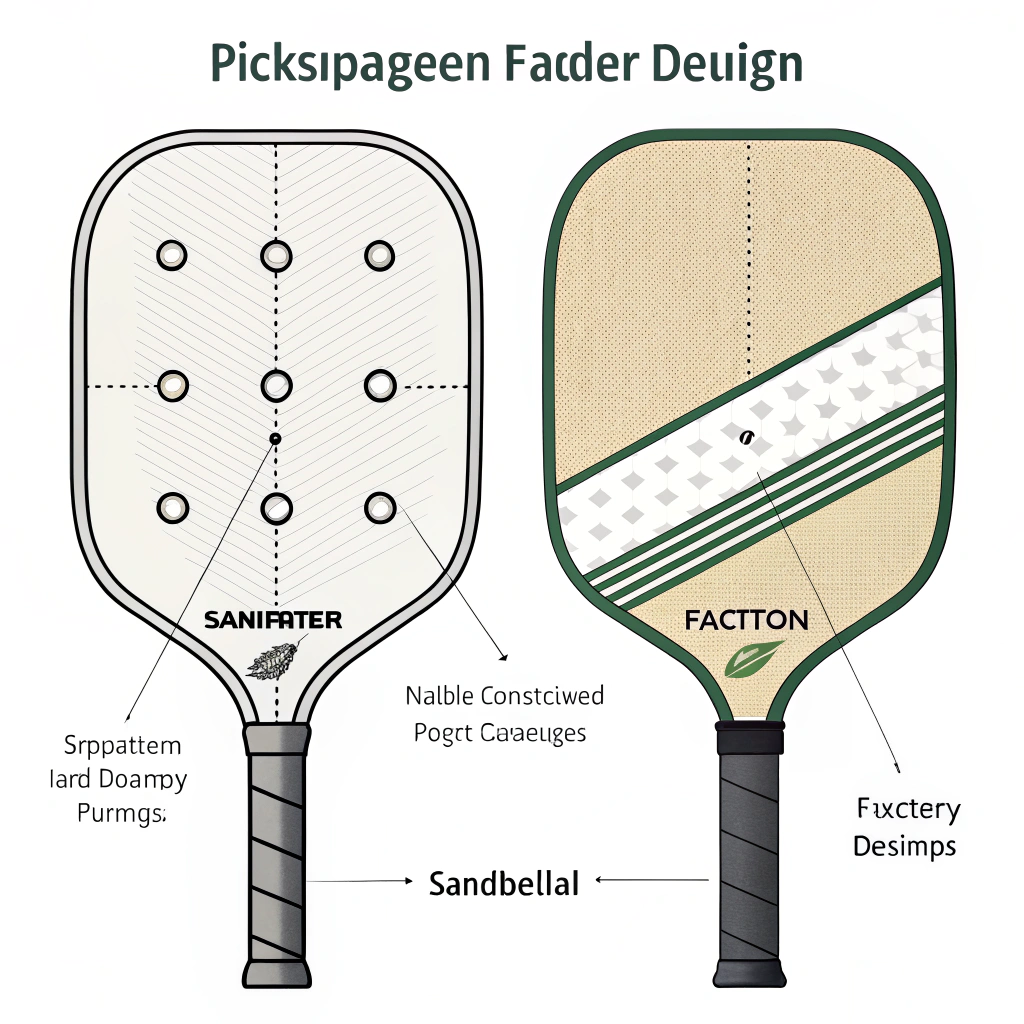
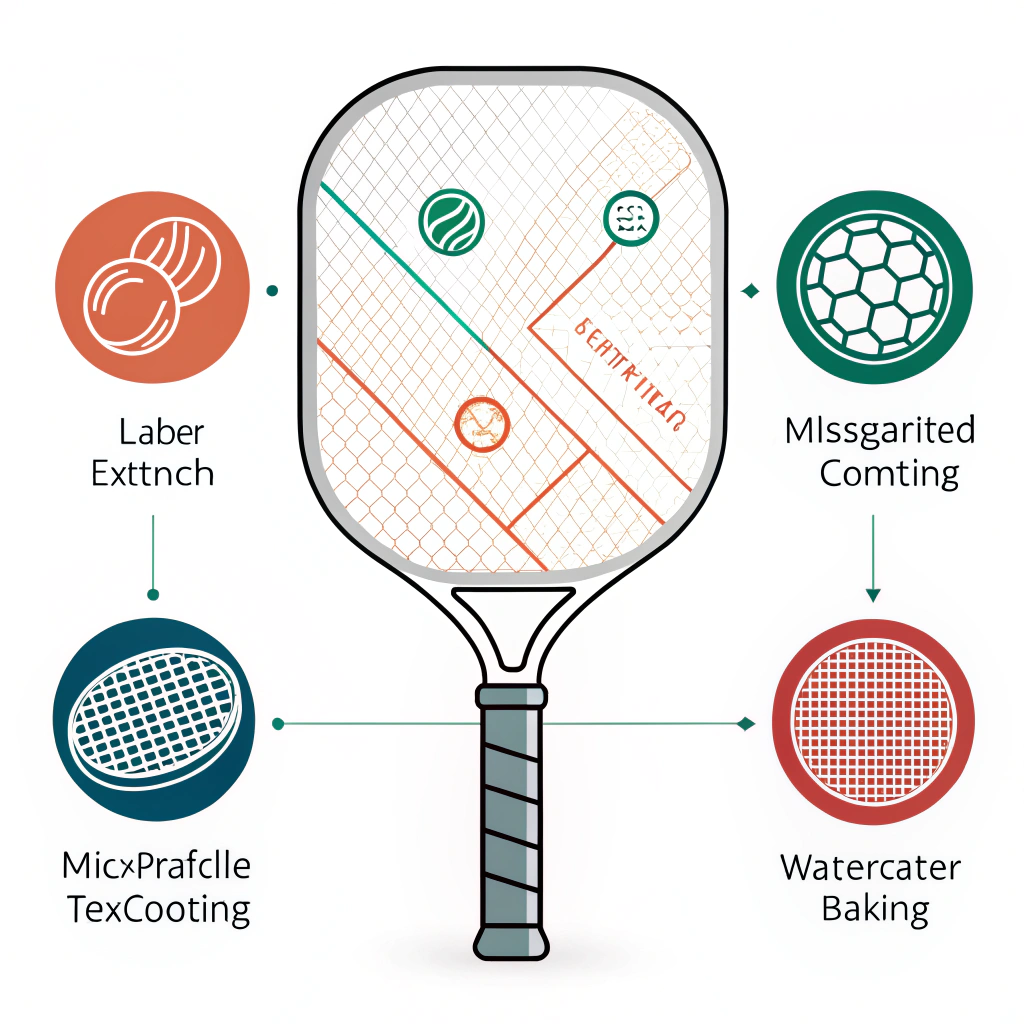
Given the risks associated with manual sandpaper modifications, it is worth exploring alternative methods that can enhance paddle texture without compromising production integrity:
-
Polyurethane Coatings4:
Applying a thin layer of polyurethane can enhance durability and grip. Polyurethane coatings are engineered to provide excellent adhesion and resistance to wear, preserving the paddle’s performance over extended play. -
Laser Etching Techniques5:
Laser etching is a precision process capable of adding fine surface textures. This method allows for controlled patterns that can help improve grip without altering the material integrity. -
Micro-Texturing During Production:
Advances in production technology allow for the incorporation of micro-textures directly during the manufacturing process. This integrated approach ensures that the paddle meets both performance and regulatory standards without needing post-production modifications.
These alternative methods not only provide enhanced control over surface modifications but also maintain the long-term durability and reliability that professional paddle players demand.
When altering the texture of a pickleball paddle, safety and compliance with regulatory standards are paramount. Here are some essential considerations:
-
Regulatory Limitations:
According to official rules, the paddle's hitting surface must not have any holes, significant indentations, or excessive rough textures. A rough surface might allow players to impart excessive spin, which is not permitted in competitive play. -
Consistent Quality Control:
Consistency in production quality is vital. Any manual intervention such as sanding must undergo rigorous quality testing to ensure that the paddle continues to meet the required standards for performance and safety. -
User Safety:
While the primary focus is on performance, ensuring the paddle does not contain material that could chip or peel during intense gameplay is also important. Chipped surfaces can pose a risk to players both through direct impact and by altering ball trajectory unexpectedly. -
Documentation for Modifications:
For B2B procurement and later troubleshooting, keeping detailed documentation of any modifications performed is critical. This documentation should include the type of sandpaper used, the grit level, the adhesive or coating applied, and performance test results post-modification. Such records can be a valuable resource for quality assurance and regulatory reviews.
In summary, modifying a pickleball paddle with sandpaper is a technical decision that requires balancing improved grip against potential risks such as material abrasion, performance degradation, and regulatory issues. Key takeaways from our analysis include:
- The paddle’s engineered surface is carefully designed for optimal playability, and any manual alteration must be approached with extreme caution.
- If the goal is to enhance texture, utilizing a fine grit (around 400 grit) with a proper sealing agent provides a controlled method, but it remains crucial to test for compliance.
- Alternative methods, such as custom coatings or micro-texturing during production, often provide safer, more consistent ways to achieve enhanced performance without manual intervention.
- Rigorous assessment, controlled application, and thorough quality testing are essential to ensure that any surface modifications meet both performance standards and regulatory requirements.
For technical procurement managers and product designers seeking to develop or refine pickleball paddle surfaces, integrating these insights into your R&D process can help maintain product excellence while exploring performance enhancements. We recommend a pilot phase to test any surface modifications under controlled conditions before full-scale implementation.
By aligning production capabilities with thoughtful surface modification strategies, businesses can effectively balance innovation with compliance, ensuring that each paddle delivers peak performance without compromising safety or regulatory adherence.
-
Are sandpaper pickleball paddles legal?
Regulatory bodies require that a legal pickleball paddle must have a smooth, consistent surface without holes, indentations, or rough textures. Using sandpaper can risk creating an uneven surface, which would make the paddle illegal in competitive settings. -
How to make a pickleball paddle more gritty?
A controlled method to increase paddle grit involves using a fine grit, such as 400 grit sandpaper, combined with a clear coating agent like Flex Seal and a spray adhesive. This process aims to enhance grip while minimizing surface damage and staying within legal limits. -
Is it legal to add texture to a pickleball paddle?
Additions to paddle texture are permissible only if they do not cause excessive roughness or introduce features that allow a player to impart undue spin on the ball. The paddle’s surface must remain free of holes, deep indentations, or other non-compliant texturing.
-
Carbon Fiber: Reading this article will provide insights into the properties and manufacturing benefits of carbon fiber in enhancing the strength-to-weight ratio of composite products. ↩
-
Thermoforming: This resource explains the thermoforming process, detailing how heat is used to mold materials into complex shapes with precision and consistent quality. ↩
-
Flex Seal: Discover more about Flex Seal, a versatile sealing agent used to protect and reinforce surfaces, ensuring durability and performance in various applications. ↩
-
Polyurethane Coatings: Learn how polyurethane coatings are applied to improve surface durability and grip, balancing protection with enhanced tactile responsiveness. ↩
-
Laser Etching Techniques: Explore laser etching techniques and how precision laser processes can be used to create controlled micro-textures that enhance product performance. ↩