Skip to content


Quick Answer: Choosing the best carbon fiber pickleball paddles in 2025 involves evaluating the advanced manufacturing techniques, high-performance materials, and production processes that guarantee durability, precision, and optimal playability. In this article, we break down the manufacturing details, compare materials and processes, and offer guidelines that B2B procurement managers can use to select the right supplier, such as NEX Pickleball, for their retail or distribution needs.
In today’s competitive sports equipment market, the selection of high-performance pickleball paddles is increasingly driven by advanced materials and manufacturing processes. As a B2B procurement manager, you need to ensure that the paddles you choose not only meet the technical expectations but also appeal to the end consumer. In this context, understanding the benefits of carbon fiber variants—such as 3K Carbon Fiber1, 12K Carbon Fiber2, and T300 Carbon Fiber3—often used in paddles, is crucial. This article provides a detailed analysis of carbon fiber pickleball paddles available in 2025, comparing production techniques like hot pressing, cold pressing, and thermoforming4, which affect performance, durability, and cost efficiency.
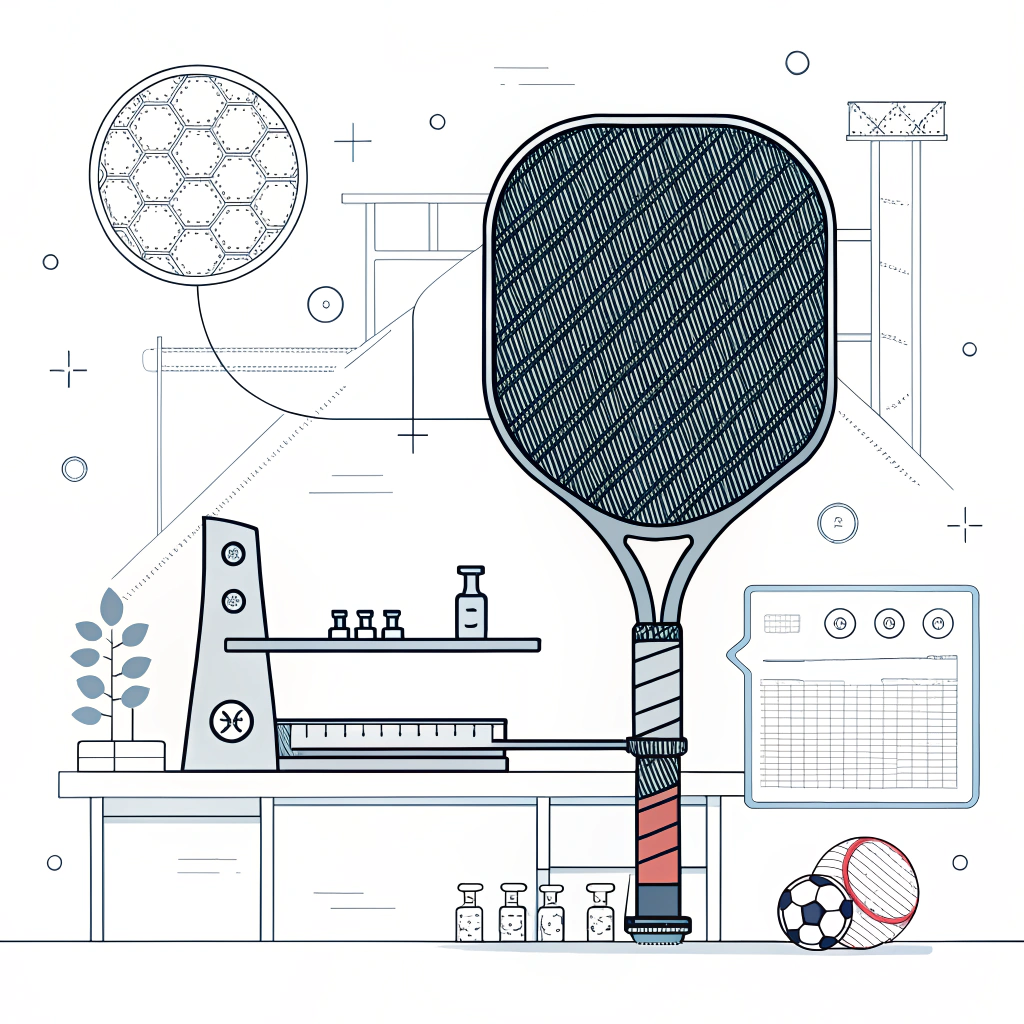
The market for high-performance pickleball paddles is evolving rapidly. B2B buyers must navigate technical specifications, production processes, and material selection to ensure that the paddles they source are not only innovative but are also manufactured to deliver unmatched performance and durability. Common challenges include:
• Understanding the structural differences among various composite materials5
• Comparing manufacturing techniques that lead to different performance characteristics
• Evaluating suppliers for quality standards and production efficiency
• Balancing cost against technical superiority and long-term durability
When purchasing sports equipment, especially equipment built from advanced materials like carbon fiber, every decision must be backed by clear technical insights and robust production practices.
The primary factor that defines paddle performance is the material composition. High-end paddles are usually constructed from advanced carbon fibers, each delivering unique benefits:
• 3K Carbon Fiber: Offers a balance between strength and flexibility, making it ideal for players requiring quick rebound and a robust hit.
• 12K Carbon Fiber: Provides a smoother surface, higher thread density, and better durability. This makes it a strong candidate for competitive play where high impact resistance is needed.
• T300 Carbon Fiber: Known for its superior tensile strength, it ensures optimal balance between light weight and high performance.
These materials are not used lightly—they are carefully chosen based on the target demographic’s needs and the expected usage conditions. For high-performance paddles, achieving the right combination of control, power, and comfort is essential. This requires a deep dive into technical data and real-world testing, which many suppliers, such as NEX Pickleball, are known for.
The method of manufacturing directly affects the paddle's final characteristics. Here is a breakdown of the three main processes:
• Hot Pressing:
- Advantages: High production efficiency, excellent impact resistance, and strong overall structural integrity.
- Disadvantages: It might alter some material properties, potentially affecting the paddle’s feel.
• Cold Pressing: - Advantages: Greater precision in controlling material thickness and structure, preserving the inherent qualities of the raw materials.
- Disadvantages: Longer production cycles and demands high-quality equipment for consistent outcomes.
• Thermoforming: - Advantages: Ability to produce paddles with intricate designs and uniform material distribution, which is key for maintaining performance consistency.
- Disadvantages: It is more expensive and time-consuming compared to other methods.
A procurement manager must compare these processes not only for their technical efficacy but also for the supplier’s ability to produce at scale. For instance, NEX Pickleball’s use of these advanced techniques ensures that every paddle is built to meet both competitive standards and market expectations.
Understanding the nuances of each production process can help in making an informed decision. Below is a comparative table outlining key factors for each method:
| Production Process | Advantages | Disadvantages | Best Suited For |
|---|---|---|---|
| Hot Pressing | High production efficiency; Excellent impact resistance; Strong structure | Potential alteration of material feel; High equipment investment | Bulk production of high-strength paddles |
| Cold Pressing | Precise control of thickness; Preserves material properties | Longer production cycles; Requires stringent quality control | Paddles requiring better ball feel and precision |
| Thermoforming | Intricate and precise design; Uniform material distribution; High stability | Higher production costs; Longer production times | Premium and custom-made paddles |
This table provides a concise overview that can help you compare how different production techniques match your product requirements.
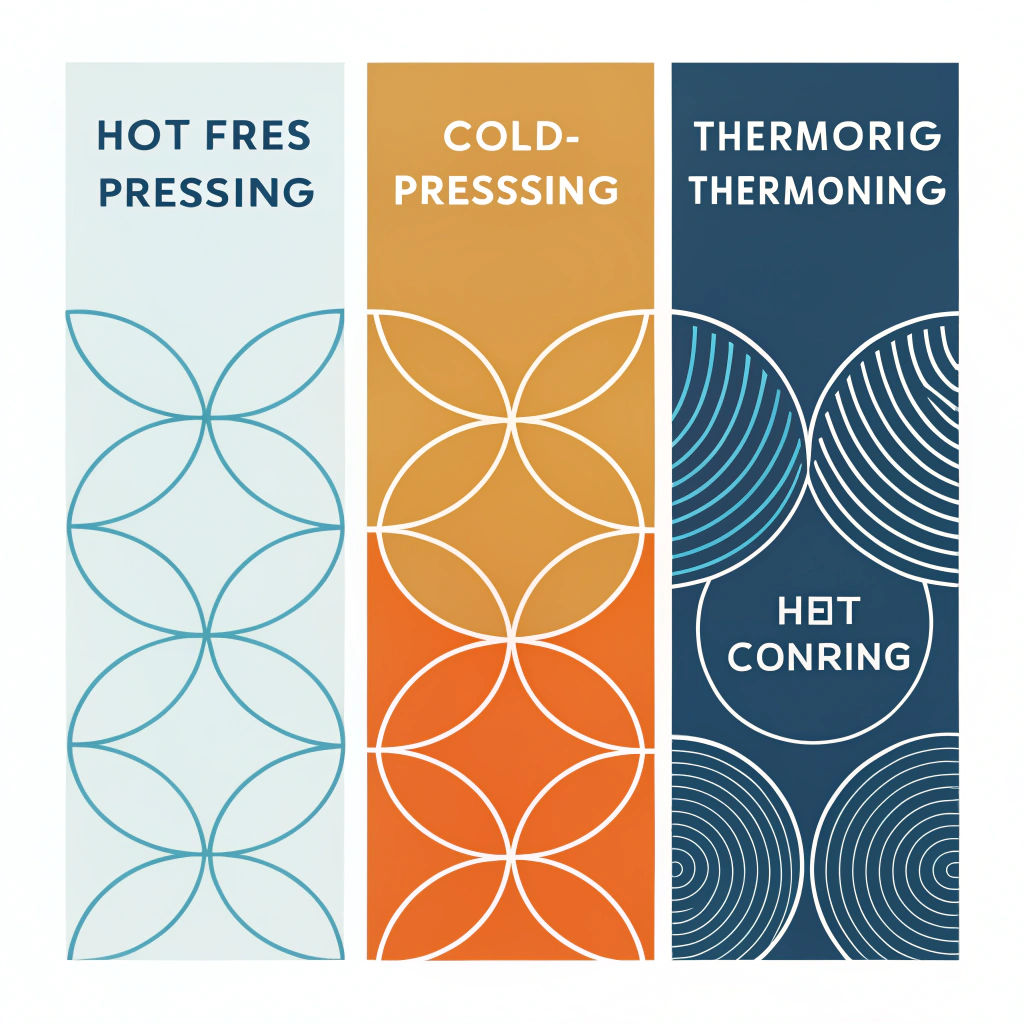
At NEX Pickleball, we integrate state-of-the-art production processes with exceptional material quality to manufacture our paddles. Some key aspects of our production quality include:
- Material Integrity: Our paddles feature advanced variants of carbon fiber and composite materials that ensure remarkable durability and optimal performance under competitive play conditions.
- Production Precision: Emphasizing manufacturing precision, we tailor each process—whether hot pressing, cold pressing, or thermoforming—to meet the specific design specifications. This targeted approach minimizes defects and maximizes performance excellence.
- Quality Assurance: Each paddle is rigorously tested for strength, flexibility, and response, ensuring that only products meeting high-performance standards are allowed out of our production line.
- Customization and Flexibility: We offer customizable paddle options where clients can adjust grip size, weight distribution, and material choice to align with individual and team requirements.
This commitment to quality not only builds trust with our partners but also ensures product consistency, which is a critical factor in sustaining long-term B2B partnerships.
For B2B procurement managers, the decision-making process extends beyond technical specifications to include considerations such as market trends, cost efficiency, and supplier reliability. Let’s examine the benefits of advanced carbon fiber paddles in today’s context:
• Durability and Strength: Carbon fiber paddles exhibit high impact resistance, making them ideal for high-intensity games where durability is paramount. This means fewer returns and warranty claims.
• Enhanced Performance: With a quick response time and improved rebound, these paddles deliver the perfect blend of control and power. The superior rebound force can be a key selling point in competitive markets.
• Consistency and Reliability: Advanced manufacturing techniques ensure that each paddle performs to the same high standard, which is essential for brands aiming to build a reputation for quality.
• Customization Potential: Advanced materials allow for greater flexibility in design, meeting the demands of both recreational and professional players.
In 2025, the market is expected to shift towards paddles that not only offer high performance but are also produced sustainably using advanced composites. Companies like NEX Pickleball are positioned to meet these demands by:
• Leveraging state-of-the-art manufacturing processes
• Continuously innovating to improve production efficiency
• Adhering to stringent quality control measures
This integration of advanced technology and material science is what makes our paddles stand out as a top choice for discerning procurement managers looking to supply high-end sports equipment.

To ensure that your product portfolio remains competitive and satisfies the expectations of professional and amateur players alike, consider the following action points:
- Evaluate Production Capabilities: Look for suppliers that can transparently detail their manufacturing processes. Confirm that these processes align with your quality and quantity requirements.
- Review Material Specifications: Ensure that the carbon fiber variants and composite materials used meet the performance standards needed for high-stress environments. Check for specifications like tensile strength and hardness.
- Consider Customization Options: In today’s market, customization can be a key differentiator. Suppliers should offer flexible options such as adjustable grip sizes, weight distributions, and even on-demand printing services.
- Examine Quality Assurance Procedures: Priority should be given to partners with rigorous testing and quality control practices. Detailed performance tests and safety certifications are essential hallmarks of reliability.
- Balance Production Efficiency with Innovation: While cost is a critical factor, investing in a supplier that employs advanced production techniques can lead to long-term savings by reducing defects and increasing product lifespan.
Following these guidelines not only helps in making an informed decision but also builds a strong foundation for a profitable partnership.
High-performance carbon fiber pickleball paddles represent the future of sports equipment by combining advanced materials with precision manufacturing processes. For B2B procurement managers and sports retail buyers, the selection process should factor in the benefits of various carbon fiber types, manufacturing techniques, and the supplier’s quality control measures. By partnering with a trusted manufacturer like NEX Pickleball, you can ensure that your offerings meet the highest standards of performance and durability, ultimately winning market share and customer loyalty.
We hope this detailed guide empowers you to make a strategic decision backed by technical insights and industry benchmarks. With carbon fiber technology at the forefront, the 2025 market is set to witness innovations that redefine what athletes expect from their equipment—making it an exciting time to invest in high-performance pickleball paddles.
Q: What are the best pickleball paddles in 2025?
A: In 2025, the best pickleball paddles combine advanced materials and manufacturing techniques. High-performance paddles crafted with engineered carbon fiber and precise production processes like hot pressing and thermoforming offer a balanced blend of power, control, and durability.
Q: What is the best carbon fiber pickleball paddle?
A: The top carbon fiber pickleball paddles are those that utilize superior carbon fiber variants, such as 3K, 12K, and T300 carbon fiber, integrated with state-of-the-art manufacturing methods. These paddles ensure enhanced all-court performance, combining lightweight design with strong impact resistance and precision.
Q: What is the absolute best pickleball paddle?
A: While the definition of "best" can vary depending on performance requirements and usage level, the leading pickleball paddles for 2025 are those that offer a consistent balance of durability, competitive playability, and innovative design. High-quality paddles from trusted manufacturers provide excellent playability at competitive prices for all types of players.
-
[3K Carbon Fiber]: Click to explore an in-depth guide on the properties and applications of 3K Carbon Fiber in sports equipment manufacturing, focusing on its balance between strength and flexibility. ↩ ↩
-
[12K Carbon Fiber]: Click to read about the enhanced durability and design benefits provided by 12K Carbon Fiber, including its smoother surface and higher thread density advantages. ↩ ↩
-
[T300 Carbon Fiber]: Click to learn how T300 Carbon Fiber contributes to superior tensile strength and lightweight performance, ensuring optimal playability in competitive sports equipment. ↩ ↩
-
[thermoforming]: Click to understand the thermoforming process, its advantages in achieving intricate design details, and its role in maintaining uniform material distribution in advanced paddle production. ↩ ↩
-
[composite materials]: Click to discover a comprehensive overview of composite materials used in sports manufacturing, including their structural benefits and performance enhancements. ↩ ↩