Skip to content

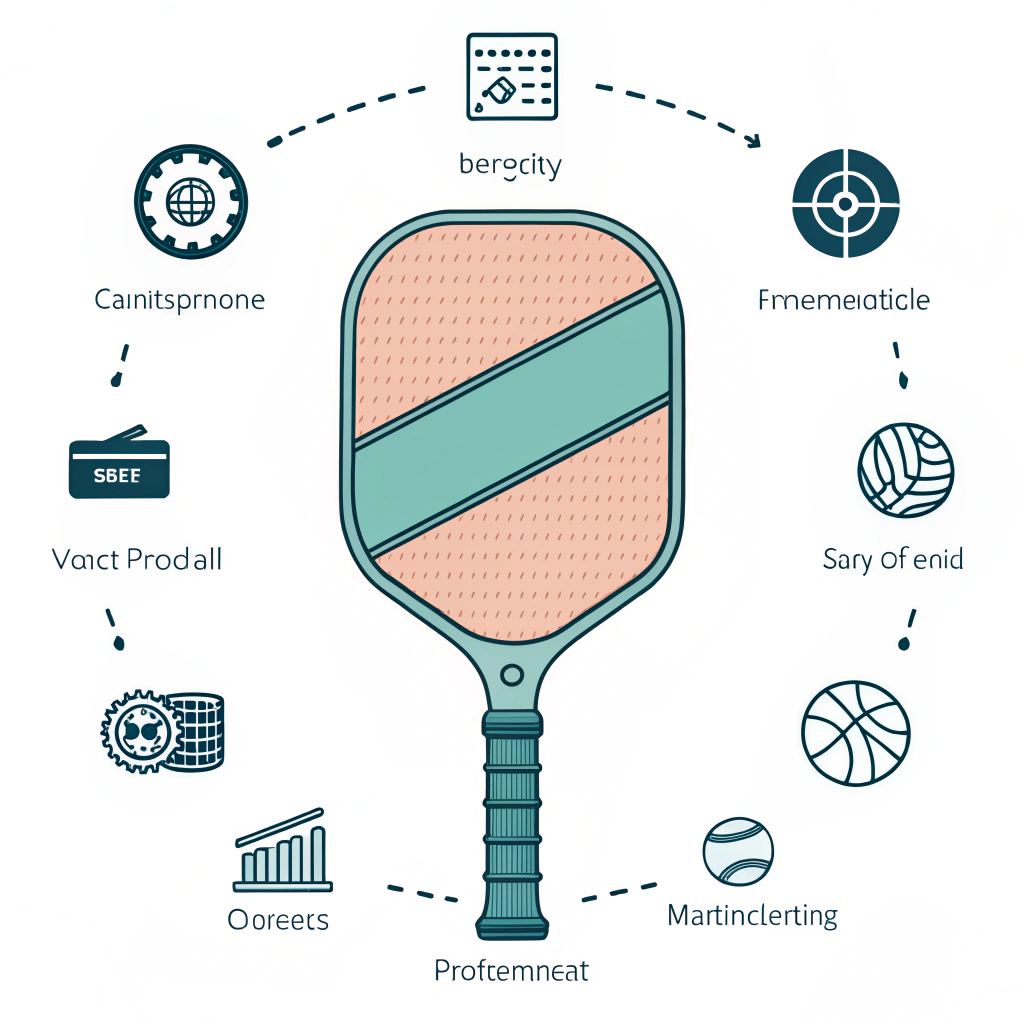
Short answer: A cushion grip—typically made from PU foam1 or EVA2—delivers measurable gains in player comfort and shock absorption over thin wrapped or leather grips. For B2B buyers, the key trade-offs are a slightly higher unit cost and different bonding/assembly steps versus wrapped grips, balanced by reduced returns and higher player satisfaction when positioned correctly for mid‑ and high‑tier lines.
Why this matters to a procurement or product manager
- Players notice grip comfort first—discomfort drives returns and negative reviews faster than edge‑wear or paint chips.
- Cushion grips change the paddle’s tactile feel, vibration damping, and perceived control; these are differentiators for premium SKUs.
- Manufacturing and QC requirements differ from standard wrapped grips. Early alignment between R&D and procurement reduces rework and supplier surprises.
Decision framing: which questions must you answer before choosing a cushion grip?
- What material (PU foam, EVA, silicone, leather) best matches our player target (recreational, intermediate, competitive)?
- How much extra cost per paddle is acceptable for improved comfort and lower returns?
- Which production process integrates with our paddle core and face lamination (hot press, cold press, thermoforming3)?
- What QC tests and acceptance criteria will protect brand reputation and reduce warranty claims?
- Can the grip be customized (color, texture, on‑demand print) to support retail differentiation?
Core differences at a glance
Use the table below for a quick material comparison across the most common grip choices.
| Grip type | Cushioning (comfort) | Vibration dampening | Sweat handling | Durability | Typical cost delta vs wrapped* | Manufacturability | Best use |
|---|---|---|---|---|---|---|---|
| Thin wrapped (synthetic leather) | Low | Low | Moderate | High | baseline | Simple; low cost | Entry/recreational |
| PU foam (cushion grip) | High | High | Good | Moderate‑High | +$0.6–$2.0 | Molded or wrapped; adhesive bonding | Mid‑to‑premium |
| EVA sponge | Medium‑High | Medium | Good | Moderate | +$0.4–$1.5 | Cut & wrap, easier to bond | Recreational to mid |
| Silicone | Medium | High | Excellent | High | +$1.0–$2.5 | Molded; special tooling | Niche / wet conditions |
| Tacky overgrip (thin) | Low | Low | High | Low | +$0.2–$0.7 | Post‑assembly wrap | Add‑on accessory |
*Estimated cost delta per paddle grip only; depends on thickness, tooling, and order volume.
Notes: bold items denote primary cushion options used by brands. Cost ranges are indicative and vary with materials, thickness, and MOQ.
Material and performance specifics
- PU foam: Offers a soft, responsive surface with good shock absorption and wear resistance when formulated correctly. It balances tackiness and cushioning and is popular in premium cushion grips.
- EVA: Lightweight sponge with predictable compression and rebound. Easier and cheaper to process; slightly less lasting softness than PU.
- Silicone: Excellent grip under sweat and durable, but tooling and cycle times make it costlier—often chosen for niche products.
- Wrapped synthetic leather: Best for classic feel and long life; little cushioning so paired with thin foam liners or overgrips.
Key physical properties to specify in RFPs:
- Shore A hardness4 (typical cushion grips target 25–45 Shore A).
- Compression set (%) after 22 hrs at 70°C – to predict long‑term softness.
- Tensile strength and elongation.
- Peel strength of adhesive bond to handle or end plug.
- Coefficient of friction (dry/wet) for anti‑slip performance.
Manufacturing & assembly implications
-
Production method compatibility
- If paddles are made via hot pressing, select grip materials that tolerate the process temperature and pressure. Hot press can speed production but may affect final softness if the grip is applied before pressing.
- Cold pressing preserves material properties better and is preferable when you want the grip’s foam cell structure intact.
- Thermoforming is useful where grips are integrated as molded sleeves or have complex geometry.
-
Bonding methods
- Most cushion grips are attached using pressure‑sensitive adhesives (PSA)5 or polyurethane adhesives with primer. Specify peel strength target (e.g., >10 N/cm).
- For molded sleeves, ensure inner diameter tolerances and recommend heat‑shrink or mechanical end caps where required.
- Overwrap application speed and indexing should be considered in line with production throughput goals.
-
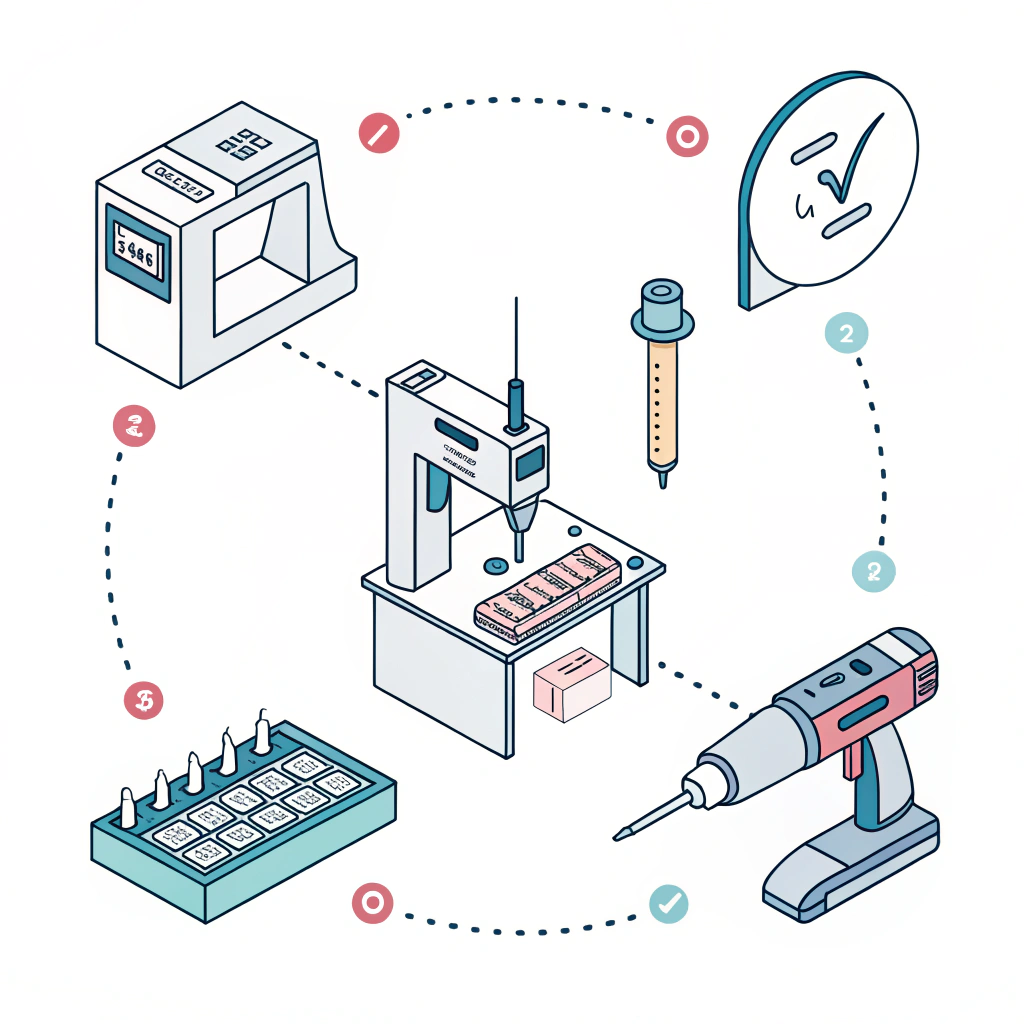
QC checkpoints in assembly
- Adhesion/peel testing after curing.
- Dimensional checks for grip length, diameter, and butt end fit.
- Surface friction and visual texture uniformity.
- Random drop and impact tests to validate grip retention and end cap security.
Durability, returns and commercial impact
- Cushion grips often reduce return rates tied to player discomfort. Anecdotal brand data and NEX Pickleball testing show that paddles with properly specified cushion grips generate higher first‑30‑day satisfaction scores.
- Main failure modes to watch:
- Compression set (grip becomes flat/less cushioned).
- Adhesive failure at high humidity/sweat exposure.
- Surface abrasion or color fade from UV or cleaning chemicals.
- Mitigation: specify accelerated aging, sweat/alkali exposure tests, and adhesion tests in supplier agreements.
Customization and market differentiation
- Color, texture embossing, and micro‑patterns can be produced by tooling or surface printing. NEX Pickleball supports on‑demand print on grips for brand logos or team colors—ideal for seasonal SKUs or promotional lines.
- Textured patterns can simultaneously increase anti‑slip performance and aesthetic value; consider beat patterns that do not trap sweat.
Quality assurance tests you should require
- Shore A hardness measurement (average ± tolerance).
- Compression set (ASTM D395 or equivalent).
- Peel adhesion test (e.g., 180° peel).
- Accelerated aging (heat + humidity cycles).
- Sweat/alkali resistance (ISO 3160‑2 or equivalent).
- Slip resistance (COF testing in wet and dry states).
- Visual/color fastness and abrasion (Taber abrasion).
Include pass/fail criteria with sample sizes for pre‑production and production lots. Example: sample 30 grips per lot for peel and compression set; fail if >10% outside tolerance.
MOQ, lead time and cost planning
- Cushion grip tooling and specific foam compounds require higher technical set‑up; expect MOQ thresholds of 2k–5k units for custom foam profiles. For standard compound and color, MOQs can be lower.
- Lead times: prototype grips 2–4 weeks; production runs 4–8 weeks depending on complexity and finishing.
- Cost levers: increase order volume, simplify color count, and select standard textures to reduce unit price.
NEX Pickleball can align grip production with paddle runs, using hot/cold press or thermoforming workflows to optimize lead time and ensure consistent bonding during lamination.

Sample plan and procurement checklist (actionable)
- Define player segment and desired feel (soft/firm, tacky/dry).
- Request 3 material samples (PU foam, EVA, wrapped) in target thicknesses (2.5mm–4.5mm).
- Agree on test matrix: shore A, compression set, peel, COF, sweat resistance, abrasion.
- Run 100 sample units in your complete paddle assembly and test with players (30–50 playtests with standardized feedback forms).
- Finalize tooling for texture/print and lock MOQ and lead times.
- Negotiate warranty terms tied to adhesive and compression set metrics.
Recommendation summary (what to buy and when)
- If your SKU targets players who value comfort and longer plays (recreational/upgraded retail lines), specify PU foam cushion grips with a target Shore A 30–40, good adhesion spec, and sweat resistance tests.
- If cost sensitivity is high for entry SKUs, use EVA or keep wrapped grips but offer a dedicated cushion model in your midline to capture higher margins and lower return risk.
- For premium performance or wet-weather products, consider silicone grips with molded sleeves—higher cost but durable and consistent under sweat.
- Always require a matched sample paddle (fully assembled) for final acceptance testing before large production.
NEX Pickleball’s factory experience with hot press, cold press, and thermoforming allows us to advise on the optimal integration route for different grip types and deliver on custom printing and low‑volume prototypes to validate market acceptance.
People Also Ask
Q: What is the best grip for a pickleball paddle?
A: There is no one "best" grip for every player. For versatility and quick transitions the continental (hammer) grip is a common technique. Material‑wise, choose based on player needs: thin wrapped grips for a classic firm feel, PU foam cushion grips for comfort and shock reduction, and silicone for wet‑play durability. Match grip size and texture to your target player and test with live play.
Q: What's the difference between grip tackiness & cushion?
A: Tackiness refers to surface stickiness that helps a player maintain control—important in quick reactions. Cushion refers to the foam or material thickness that absorbs shock and reduces vibration. They are complementary: a cushion grip can also be formulated to be tacky, but some tacky surfaces are thin and offer little shock absorption. Specify both properties separately when ordering.
Q: Are foam pickleball paddles better?
A: Foam cores (high‑density) can increase dwell time, spin potential, and the sweet spot by flexing on impact. They are not universally "better"—performance depends on the whole paddle system (face material, core density, weight, and grip). For many players, a foam core improves control and comfort; for others who want more raw power, stiffer cores or different faces may be preferred.
-
PU foam:Read to understand the material formulation options, trade‑offs in compression, rebound and wear, and why PU is commonly chosen for premium cushion grips; useful for specifying target Shore A, adhesion prep, and expected lifecycle performance. ↩ ↩
-
EVA:Read to learn about EVA sponge properties, cost and manufacturability benefits, and how EVA compares to PU in compression set and bonding approaches—helps procurement weigh price vs. longevity. ↩ ↩
-
Thermoforming:Read to see how thermoforming integrates molded grips or sleeves with paddle assemblies, tooling implications, and when thermoforming is preferred over press methods for complex geometries. ↩ ↩
-
Shore A hardness:Read to understand the hardness scale, how Shore A values translate to perceived softness, and how to set tolerances and test methods for cushion grips in RFPs and QC. ↩ ↩
-
Pressure‑sensitive adhesives (PSA):Read to learn PSA types, typical peel strength targets, surface preparation, and failure modes under sweat/humidity—critical for writing adhesion specs and supplier agreements. ↩ ↩