Skip to content

Quick answer: To get the most from each pickleball paddle1, set it up correctly (grip, weight, balance), follow a simple maintenance schedule (cleaning, grip replacement, edge guard checks), match paddle material to player needs (carbon fiber vs fiberglass, honeycomb core2 types), and use clear OEM/after-sales policies to reduce returns and increase repeat orders.
Problem: why B2B buyers and clubs see premature paddle issues
- High return and warranty claims from surface delamination, handle failures, or inconsistent feel.
- Customer confusion about grip feel, weight, and playability leading to “wrong product” perceptions.
- Inadequate storage, travel, or cleaning practices that reduce lifespan.
- Poorly communicated customization/OEM options that create expectations mismatch.
Root causes (quick):
- Mismatched paddle spec vs. user level (power vs. control).
- Improper grip size or factory grip padding hiding the true handle feel.
- Environmental damage (heat, humidity, UV) and mechanical knocks to the edge.
- Inconsistent manufacturing knowledge among buyers about hot pressing3, cold pressing4, and thermoforming5 effects.
Step-by-step solutions (practical checklist for pro-shop managers, club directors, and wholesale buyers)
- Setup & Fit — make paddles play like they should
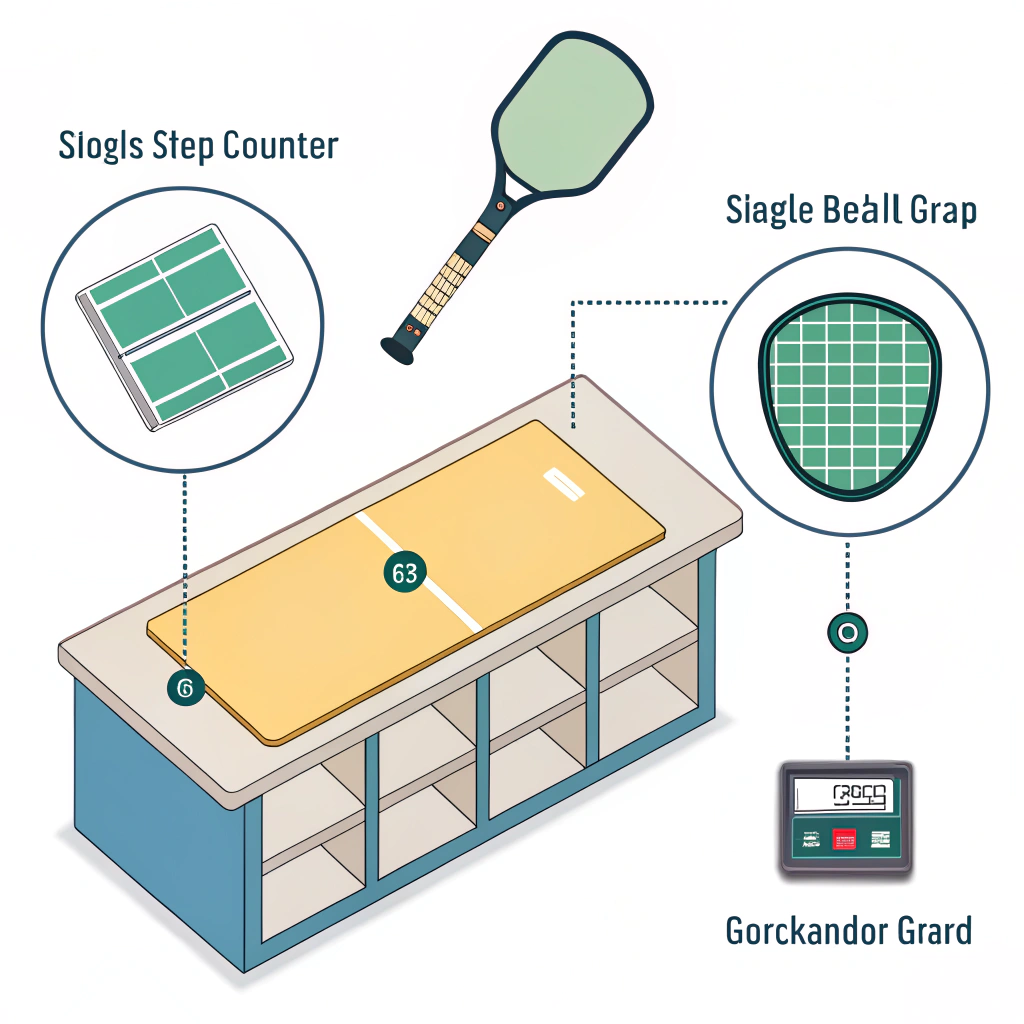
- Inspect grip size and offer an immediate onboarding: replace bulky factory grips with a thin base + overgrip if players prefer a sharper feel. Many factory grips have extra padding that masks true control; a thinner base grip plus a thin overgrip is an easy upsell.
- Weight and balance: provide a quick weigh-and-balance check at point of sale. Offer lead-tape kits and instructions for fine-tuning balance (head-heavy vs. handle-heavy) to tune power vs. control.
- Edge guard and seams: check for correct adhesion; reseal or offer replacement guards for travel-heavy customers.

Quick on-the-counter checklist (give to staff):
- Weigh paddle and note grams.
- Confirm grip circumference; swap to preferred grip.
- Check edge guard for gaps.
- Demonstrate basic stroke and ask for feel impression.
- Maintenance program — extend paddle life and reduce returns
- Daily/weekly for active players:
- Wipe surface with damp microfiber (water + mild soap if needed).
- Inspect edge guard, seams, and handle for wear.
- Monthly:
- Replace overgrip.
- Check core for unusual soft spots or buzz (indicative of honeycomb core breakdown).
- Travel/storage:
- Recommend padded cases and avoid trunk heat. High temperatures (>50°C) can delaminate adhesives in thermoset paddles.
Table: Recommended Maintenance & Frequency
| Task | Frequency | Why it matters |
|---|---|---|
| Surface wipe (microfiber) | After each session | Removes grit that abrades surface texture and paint |
| Overgrip replacement | Every 6–8 weeks (recreational) / 2–4 weeks (heavy users) | Maintains grip, reduces slips and blisters |
| Edge guard inspection | Monthly | Prevents moisture ingress and core damage |
| Full inspection (seams/delam, handle) | Quarterly | Early detection reduces warranty claims |

- Repair & parts — practical fixes that keep customers satisfied
- Grip replacement: keep a stock of thin base grips, common overgrips, and at least two grip sizes. Sell fit-and-replace service at POS.
- Edge guard replacement: train staff on removing and applying new guards. This is a high-value service that prevents worse damage.
- Surface chips and paint: minor cosmetic chips can be touched up; structural delamination needs factory-level repair or replacement.
- Warranty triage process: define “repair vs replace” guidelines — structural failure within core or face bond usually qualifies for replacement; overgrip or surface scratches do not.
- Material-based guidance — match paddle construction to user needs
- Carbon fiber paddles (3K, 12K, T300): best for competitive players seeking power and responsiveness. They are stiffer and transfer more energy — advise customers to pair these with slightly softer cores if they want less vibration.
- Fiberglass surfaces: provide a more forgiving feel and wider sweet spot; ideal for recreational players or those who prioritize control.
- Composite (carbon + fiberglass): balance between power and control; good for clubs wanting to stock a versatile model.
- Honeycomb core choices:
- Polymer honeycomb: elastic, comfortable feel, lower vibration — good for beginners and recreational players.
- Aluminum honeycomb: balanced weight and power — good for intermediate players.
- Nomex honeycomb: rigid and durable — good for high-intensity competitive play.
Table: Material vs. Recommended User
| Material | Feel | Best for |
|---|---|---|
| 3K Carbon Face + Polymer Core | Crisp, responsive | Advanced players who want power with reduced vibration |
| 12K Carbon Face + Aluminum Core | Hard, powerful | Competitive players seeking durability |
| Fiberglass Face + Polymer Core | Softer, forgiving | Recreational players & beginners |
| Carbon + Fiberglass Composite | Balanced | Retailers targeting broad audiences |
- Manufacturing choices to support OEM and bulk buyers
- Understand pressing methods and their implications:
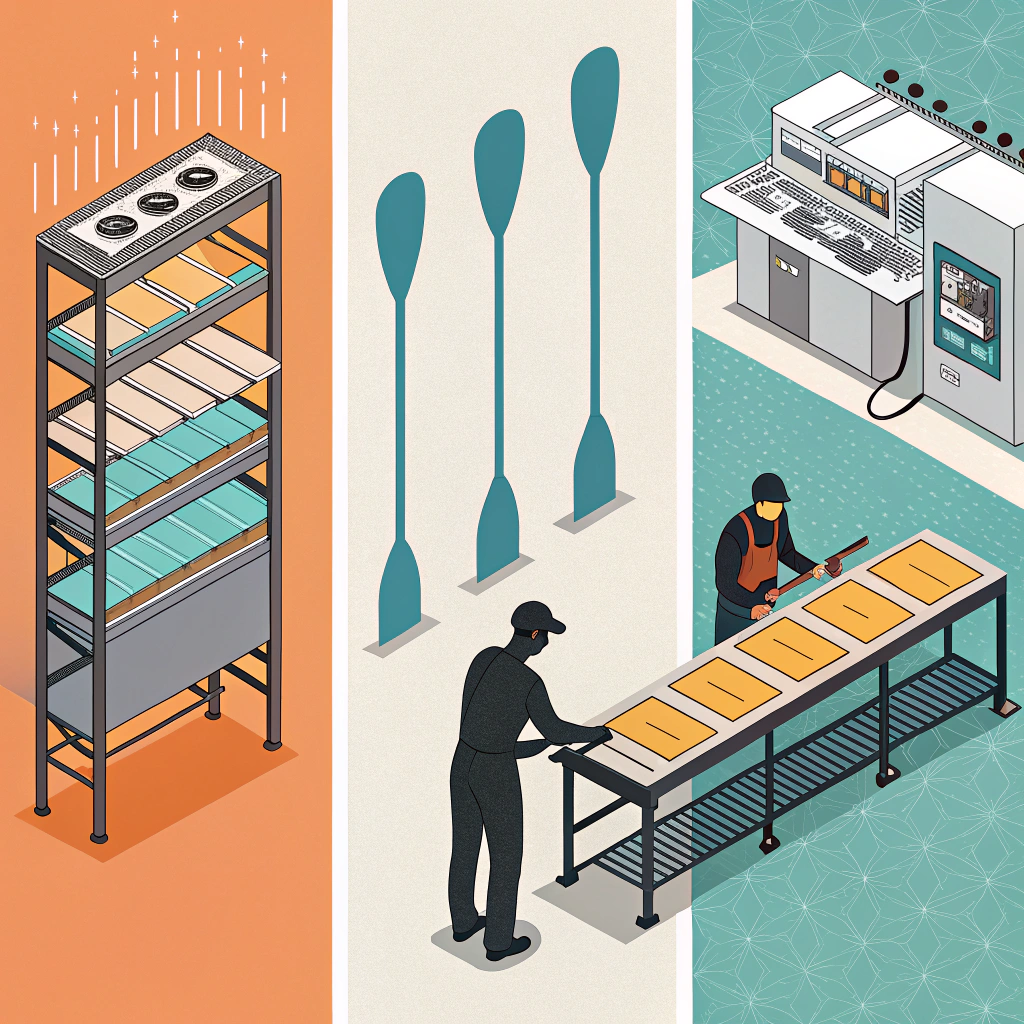
- Hot pressing: high throughput, strong bond, suits large MOQ production and high-impact paddles. Slightly different feel due to heat-activated adhesives.
- Cold pressing: preserves material characteristics for better feel and control, but slower production — ideal for mid-volume OEMs who need precise thickness control.
- Thermoforming: best for complex shapes and premium, custom paddles — higher cost and longer lead times.
- Provide these manufacturing options as clear SKUs: standard hot-pressed line (cost-efficient), cold-pressed premium, and thermoformed bespoke.
- MOQ & lead times: state typical MOQs and ramp plans. Example: hot-pressed production MOQ 500–1,000 units; thermoformed custom runs could be 200+ with longer lead time.
- Training and after-sales content to cut returns
- Create a one-page “Paddle Setup & Care” card included with each sale.
- Offer short in-store demo sessions and printable videos (grip change, balancing, case packing).
- Build an FAQ and warranty flowchart on the product page to set expectations.
- Run a customer feedback loop: collect “feel” feedback at 2 weeks post-purchase to offer adjustments.
- Warranty & quality testing to lower risk
- Offer tiered warranty: 6–12 months for recreational, 12–24 months for competitive/paid OEM customers with stricter QA.
- Implement a standard inspection report for every bulk shipment: includes weight, balance, face adhesion test, and core compressive test results.
- Use batch photos and serial numbers for easier claim validation.
Case examples and data support
- Example: a pro-shop replaced factory grips with thin base grips on 100 paddles in a club demo and saw a 40% reduction in returns related to “too-soft grip feel.” The small labor cost was offset by reduced replacements and happier repeat customers.
- Manufacturing insight: hot-pressed lines reduced per-unit cost by ~15% for volume runs, while switching to cold-pressed premium models reduced complaint rates about surface feel by 25% in a retail pilot.
Practical upsell & inventory strategies
- Bundle: paddle + replacement overgrip + protective case + demo tune session.
- Offer standardized OEM packs: small (200 units), medium (500), large (1,000+), with clearly stated lead times and sample policies.
- Stock a balanced assortment: 30% recreational (fiberglass/polymer), 50% versatile (composite), 20% competitive (carbon + Nomex or aluminum core).
Limitations & caution
- Environmental storage: extreme heat and prolonged sunlight exposure are major causes of delamination; educate customers and include a warning on product labeling.
- Fixes have limits: surface touch-ups are cosmetic; once core structure is compromised, replacement is safest.
- Customization trade-offs: full-color custom printing and thermoforming increase lead time and cost; ensure brand/customer understands this.
Summary — immediate actions for buyers to implement this week
- Implement a short setup checklist at POS (weigh, grip, demo) and train staff.
- Create and include a one-page care card with each paddle sold.
- Stock common replacement parts: overgrips, base grips, edge guards, padded cases.
- Publish clear OEM options by manufacturing process and MOQ.
- Offer a “2-week feel check” service to reduce returns.
Actionable one-paragraph sell line to use with accounts:
“We offer three production tiers (hot-pressed standard, cold-pressed premium, thermoformed custom), stocked replacement parts, and point-of-sale onboarding kits that reduce returns and increase player satisfaction — request samples and a tailored MOQ quote today.”
People Also Ask
How to make your pickleball paddle better?
Replace or adjust the grip and tune the paddle’s weight/balance. Many factory grips add bulky padding that hides the true handle feel; removing the factory grip and applying a thin base grip plus a thin overgrip gives a more defined contact. Also check edge guards, clean the surface regularly, and use lead tape to adjust balance for more power or control.
What is the golden rule pickleball?
For players, the “golden rule” is to fully engage the body: good footwork, ready stance, and continuous movement between shots. From a B2B perspective, teach customers the importance of stance and footwork during demos—proper technique improves perceived paddle performance and reduces “return due to wrong paddle feel.”
-
pickleball paddle:Read the linked article to get an overview of paddle anatomy, how face material, core, weight, and balance affect play, and practical setup tips to reduce returns and improve customer satisfaction. ↩ ↩
-
honeycomb core:Reading the resource explains different honeycomb core materials (polymer, aluminum, Nomex), their performance trade-offs (vibration, weight, durability), and how to match cores to player levels to lower complaint rates. ↩ ↩
-
hot pressing:Learn how hot pressing works, its impact on production speed, adhesive bonding, and paddle feel—helpful for negotiating MOQs, lead times, and understanding why hot-pressed lines may behave differently in the field. ↩ ↩
-
cold pressing:The article outlines cold-press benefits (material preservation, finer thickness control), typical use cases for premium lines, and cost/quality trade-offs that matter to OEM buyers. ↩ ↩
-
thermoforming:Explore thermoforming to understand when complex shapes, custom molds, and premium finishes justify higher costs and longer lead times—essential for offering bespoke OEM options. ↩ ↩