Skip to content


Quick answer: An appropriately specified paddle edge guard (edge tape or edge cap) is cost-effective insurance — it significantly reduces chips, impact damage, and delamination1, lowers warranty returns, and preserves paddle feel when chosen with the right material and bonding method. The best choice depends on your product tier, production process (hot pressing / cold pressing / thermoforming2), and acceptable unit-cost delta; for most OEM lines a molded TPU edge cap3 or co-molded composite strip gives the best balance of durability and manufacturability.
Why this decision matters (procurement framing)
- A damaged edge is the most common field failure on paddles: chips that propagate to the face or expose the honeycomb core4 accelerate delamination and water ingress.
- Edge specification affects unit cost, cycle time, tooling needs, and warranty reserve. A small per-unit edge-cost increase often pays back by reducing returns and protecting brand reputation.
- Your supplier choice and bonding method determine whether edge protection is a durable, integrated solution or a temporary cosmetic fix.
Core trade-off: Protection vs. Cost vs. Manufacturability
- Protection: How well the edge resists chips, abrasion, and repeated impacts.
- Cost: Material, tooling, and labor per unit.
- Manufacturability: Compatibility with hot pressing, cold pressing, or thermoforming flows and cycle-time impact.
- Repairability: Whether edge is replaceable in-field or requires full paddle replacement.
Use this short decision flow:
- Define product tier (entry / mid / premium).
- Select material family aligned to tier and weight targets.
- Choose bonding/co-molding method compatible with your selected production process.
- Run small-scale lifecycle tests (impact, abrasion, water ingress).
- Scale with supplier QA gates and warranty terms.
Edge guard options compared (at-a-glance)
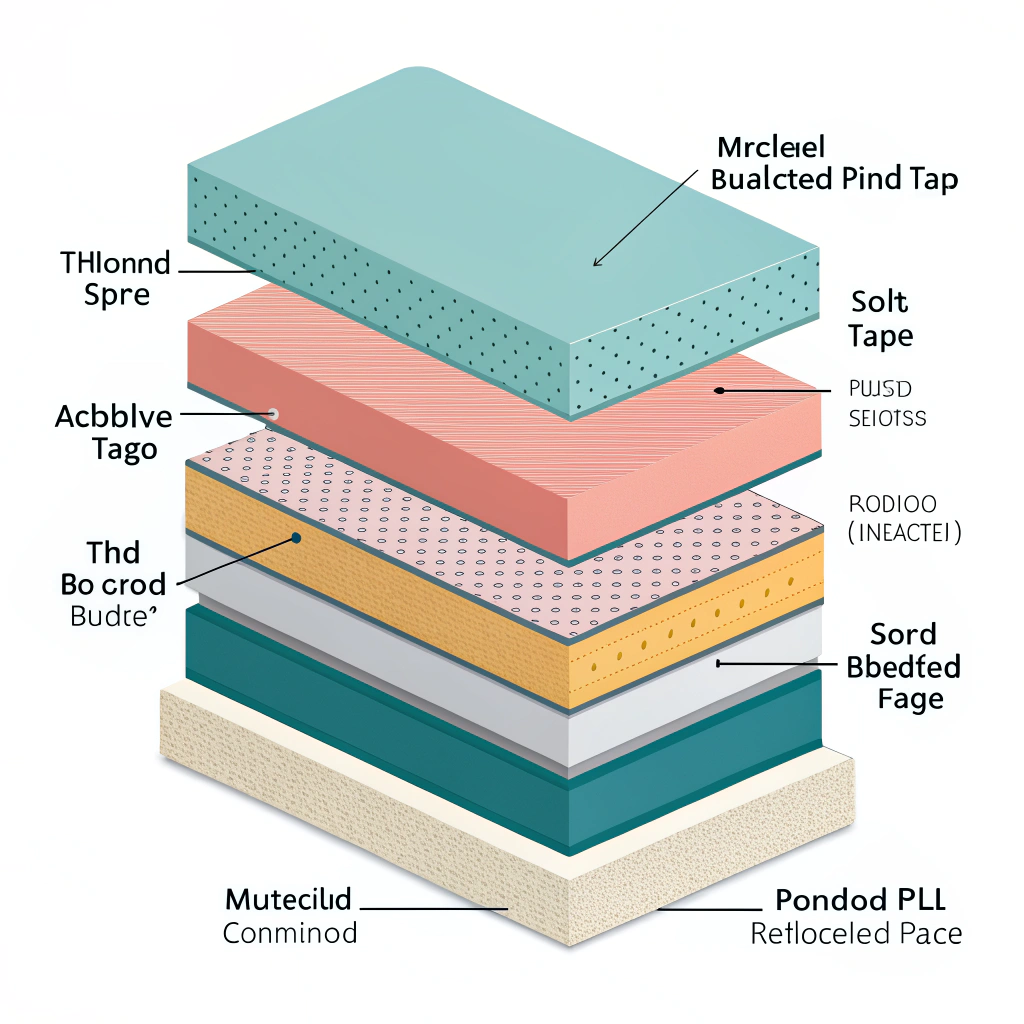
| Option | Typical materials | Protection profile | Manufacturability | Cost impact | Replaceable |
|---|---|---|---|---|---|
| Edge Tape (adhesive) | PVC, PET, PU tapes | Good for cosmetic + minor abrasion | Easy post-process; low tech | Low | Yes (can be reapplied) |
| Molded Edge Cap | TPU, TPE, PVC | High impact and chip resistance | Requires over-molding or co-molding | Medium | No (semi-permanent) |
| Co-molded Strip | TPU/thermoplastic + face skins | Best integrated seal, prevents delam | Needs process sync; thermoforming-friendly | Higher | No |
| Reinforced Edge (metal/Alu) | Thin aluminum band | High chip resistance; heavier | Adds steps & weight | High | No |
| No edge / thickened face | Extra resin/carbon wrap | Low to moderate protection | Simple for some presses | Low-medium | N/A |
Notes:
- TPU edge cap provides good elasticity to absorb impacts, bonds well in co-molding and can be made thin for weight control.
- PVC edge strip is cheap and easy but tends to abrade and can trap moisture unless sealed.
- Adhesive tapes are inexpensive and replaceable, but adhesive failure over time (heat, sweat, sunlight) is a real warranty risk.
Material and bonding method: deeper dive
-
Bonding methods:
- Adhesive tape (post-assembly): Low complexity, easy for retrofits. Watch adhesive chemistry: choose pressure-sensitive adhesives rated for UV, humidity, and shoreline temperature range.
- Co-molding / Over-molding: Edge material is molded onto the paddle during forming. Yields the most durable mechanical bond and best seal against water ingress. Requires matched tooling and process control.
- Mechanical crimping / clamp: Rare for paddles; adds weight and failure points.
- Heat-bonded strip: Used in some thermoforming lines—requires polymer compatibility.
-
Material properties to prioritize:
- Abrasion resistance (ASTM D4060 or equivalent)
- Shore hardness (durometer) for impact damping; TPU commonly 60–95A depending on desired feel
- Tensile strength and elongation for repeated flex
- UV and chemical resistance for outdoor play
- Adhesion compatibility with face materials (carbon, fiberglass, polymer)
- Thermal stability for hot pressing temperatures (if installed prior to pressing)
Practical rule: For premium paddles, prefer co-molded TPU/TPE edges. For budget lines, a good-quality PVC adhesive tape with sealed ends is acceptable if you control adhesives and add water ingress sealing.
Compatibility with production processes
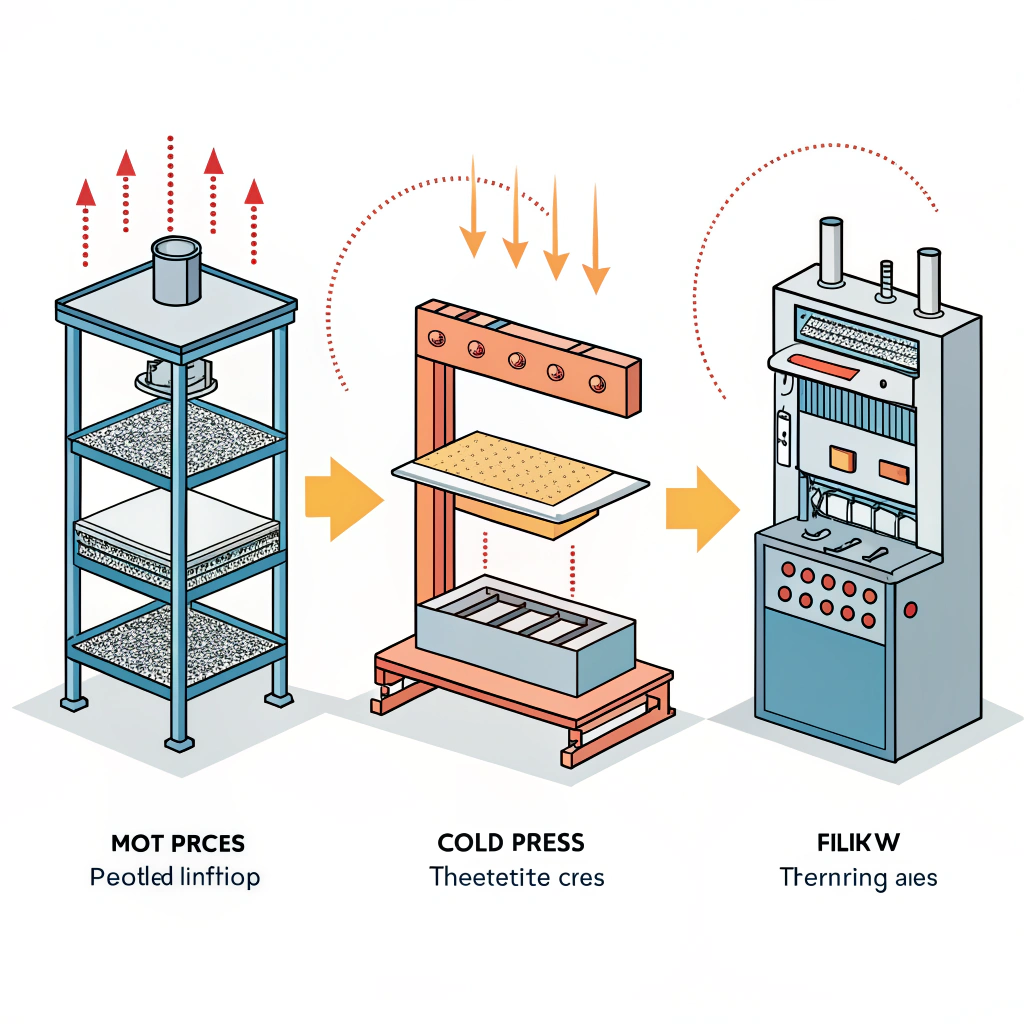
Hot pressing:
- If the edge guard is attached prior to hot press, it must withstand press temperatures and pressures without deforming or off-gassing. Most TPU grades can tolerate moderate hot-pressing if specified; otherwise, install edge post-press (over-mold or adhesive).
- Co-molding during hot pressing is feasible but requires tight coordination of cycle time and tool design.
Cold pressing:
- Cold pressing preserves material properties better. Attachments like over-molded TPU or adhesive tapes are straightforward.
- Cold press plus pre-applied edge can maintain consistent thickness control, but ensure pressure distribution isn’t affected.
Thermoforming:
- Thermoforming integrates well with co-molded or heat-bonded edge strips. Thermoformed skins often allow precise edge seam formation that yields superior water seals.
- Thermoforming is the most flexible for complex edge profiles, but tooling cost is higher.
Process checklist:
- Define where edge is added (pre-press, in-press, post-press).
- Identify temperature and pressure exposure of edge material.
- Validate tooling tolerances for edge thickness and grip ergonomics.
- Confirm cycle-time impact and yield implications.
Testing & acceptance criteria (what to require from suppliers)
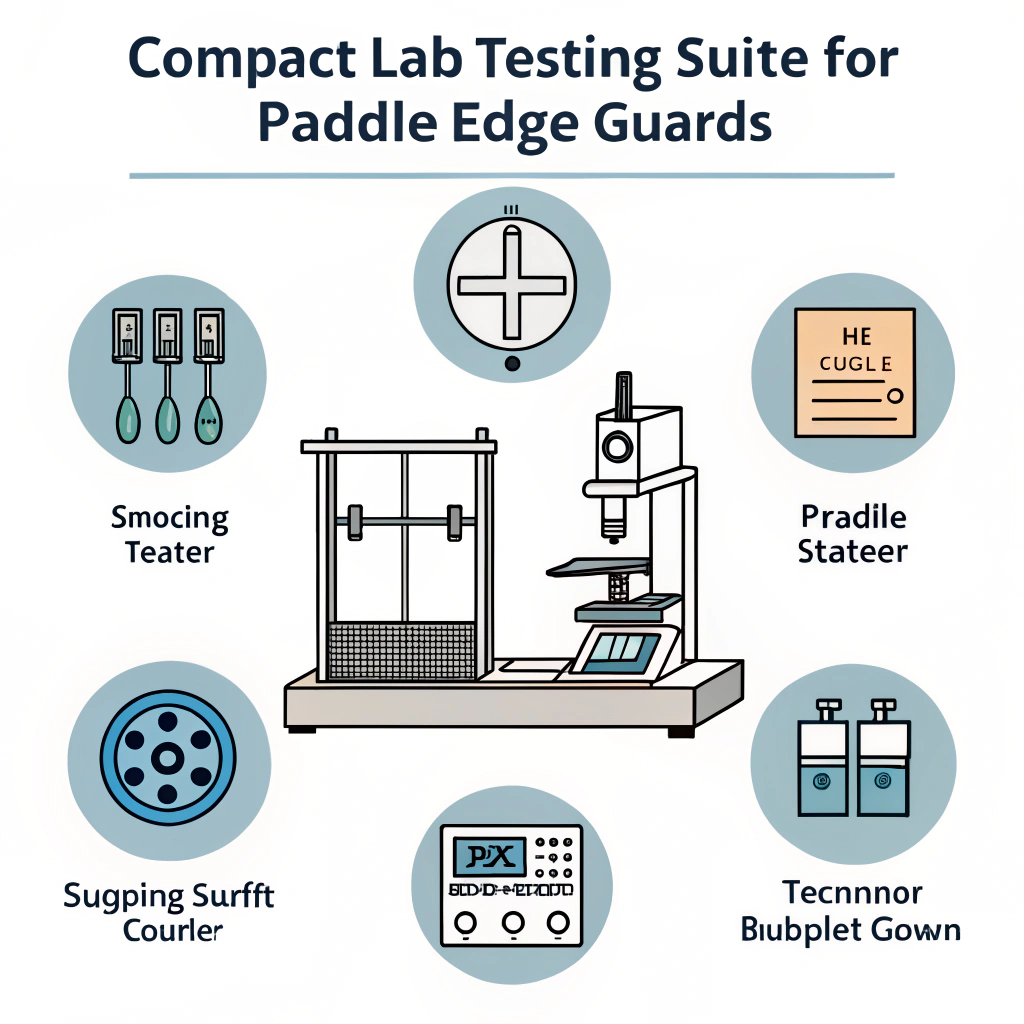
Minimum tests to include in vendor contract:
- Impact resistance: Repeated low- and high-energy edge strikes. Define energy level (e.g., 2 J, 5 J) and pass/fail threshold (no visible cracks, no core exposure) and number of cycles.
- Abrasion resistance: ASTM D4060 Taber abrasion test or equivalent; specify allowable weight loss or visual degradation limit.
- Delamination / peel: 90° peel tests for bonded edges; set minimum peel strength (N/cm).
- Water ingress / immersion: 24–72 hour immersion with subsequent structural and weight checks.
- Thermal aging: 500–1,000 hours at elevated temp and UV exposure; test for adhesive failure or embrittlement.
- Flex/cyclic fatigue: Repeated flex near edge to check crack initiation.
- Salt/sweat resistance: Relevant for coastal markets or heavy perspiration use.
Sample acceptance protocol:
- Pre-production sample with specified edge profile and material.
- 100-unit pilot run with full lab testing (impact + abrasion + water).
- Production release only after test pass and documented process controls.
Include lots testing frequency in contract: e.g., every 1,000 units or weekly for high-volume SKUs.
Cost considerations and warranty impact
- Typical per-unit cost delta by option (guidance):
- Adhesive tape: +$0.20–$0.80
- Molded TPU edge cap: +$0.80–$2.50
- Co-molded integrated edge: +$1.50–$4.00 (higher tooling amortization)
- Warranty reserve: Calculate expected returns reduction by edge. Example: if adding NATO-grade TPU edge reduces returns from 3% to 0.8% on a $25 paddle, savings in logistics and replacements often offset cost in <6 months.
- Assess total cost of ownership: include replacement logistics, RMA handling, customer service hours, and brand impact.
Vendor specification checklist (what to put in RFQ)
- Edge material (e.g., TPU 85A, UV-stabilized)
- Edge profile: thickness, width, radius, and finish
- Bonding method: adhesive spec / co-molded process description
- Compatibility with chosen production method (hot/cold/thermoforming)
- Test standards and minimum pass criteria (impact J, abrasion cycles, peel strength)
- Sample delivery timeline and pilot-run quantity
- Packaging and handling requirements to avoid edge deformation
- Traceability: batch IDs, material certificates (RoHS, REACH if applicable)
- Warranty terms specific to edge failures (what constitutes acceptable edge wear vs. manufacturing defect)
Recommended specs by product tier
-
Entry / recreational:
- Material: UV-stable PVC or PU adhesive tape with sealed end caps.
- Test targets: pass 500-cycle abrasion, 3 J impact spot-checks.
- Cost priority: keep delta < $1 USD.
-
Mid-tier / retail:
- Material: Molded TPU edge or heat-bonded PVC strip.
- Bonding: Over-mold or high-performance adhesive.
- Test targets: 1,000-cycle abrasion, 5 J repeated impacts, water ingress <0.5% weight gain.
-
Premium / competition:
- Material: Co-molded TPU/TPE bonded into face skins; custom durometer tuning.
- Bonding: Co-molded in press or thermoformed integration.
- Test targets: 2,000-cycle abrasion, 10 J impact resistance, robust peel strength, full thermal/UV aging.
Implementation roadmap for procurement & product teams
- Decide target tier and acceptable cost delta (per-unit).
- Add edge spec to product drawings and RFQ documents using the vendor checklist above.
- Request pre-production samples and define lab test battery (list above).
- Run a pilot production batch and full lifecycle tests.
- Approve supplier with contractual QA gates, first-article inspection, and periodic audits.
- Monitor returns and customer feedback for 3–6 months; adjust edge spec if needed.
Final recommendations (practical)
- For most OEMs, specifying a co-molded TPU edge for mid and premium paddles delivers the best durability-to-cost ratio. It reduces edge chips, prevents core exposure, and minimizes delamination risk.
- For value SKUs, use a high-grade adhesive edge tape with sealed ends, but mandate adhesive specs, temperature/humidity ratings, and regular peel testing.
- Always require supplier test reports and define pass/fail metrics in the contract. Do not accept “visual inspection only” as sufficient.
- Include clear warranty language distinguishing acceptable wear from manufacturing defects. This protects both buyer and supplier and reduces disputes.
People Also Ask
Q: Is pickleball edge tape worth it?
A: Yes — for most paddle lines, edge tape is worth the investment because it protects the paddle edge from chips and wear, helps prevent exposure of the honeycomb core, and extends usable life. The value depends on adhesive quality and sealing: low-cost tape applied poorly can fail and create returns, while a well-specified tape (UV and humidity-rated adhesive, sealed ends) will reduce warranty costs and preserve retail appearance.
-
delamination: Read the linked overview to understand causes, inspection methods, and mitigation strategies for layer separation in composite paddles; useful for specifying tests and materials that reduce field failures. ↩
-
thermoforming: The linked material explains thermoforming process steps, tooling and material compatibility, and why it can yield superior integrated edge seals—helpful when selecting production methods and edge co-molding approaches. ↩
-
TPU edge cap: The article summarizes TPU material grades, durometer trade-offs (feel vs. durability), and bonding/co-molding best practices so you can pick the right edge material for each product tier. ↩
-
honeycomb core: Linked content describes honeycomb core construction, vulnerabilities to edge damage and water ingress, and relevant testing protocols—critical for warranty, testing, and material selection decisions. ↩