Skip to content

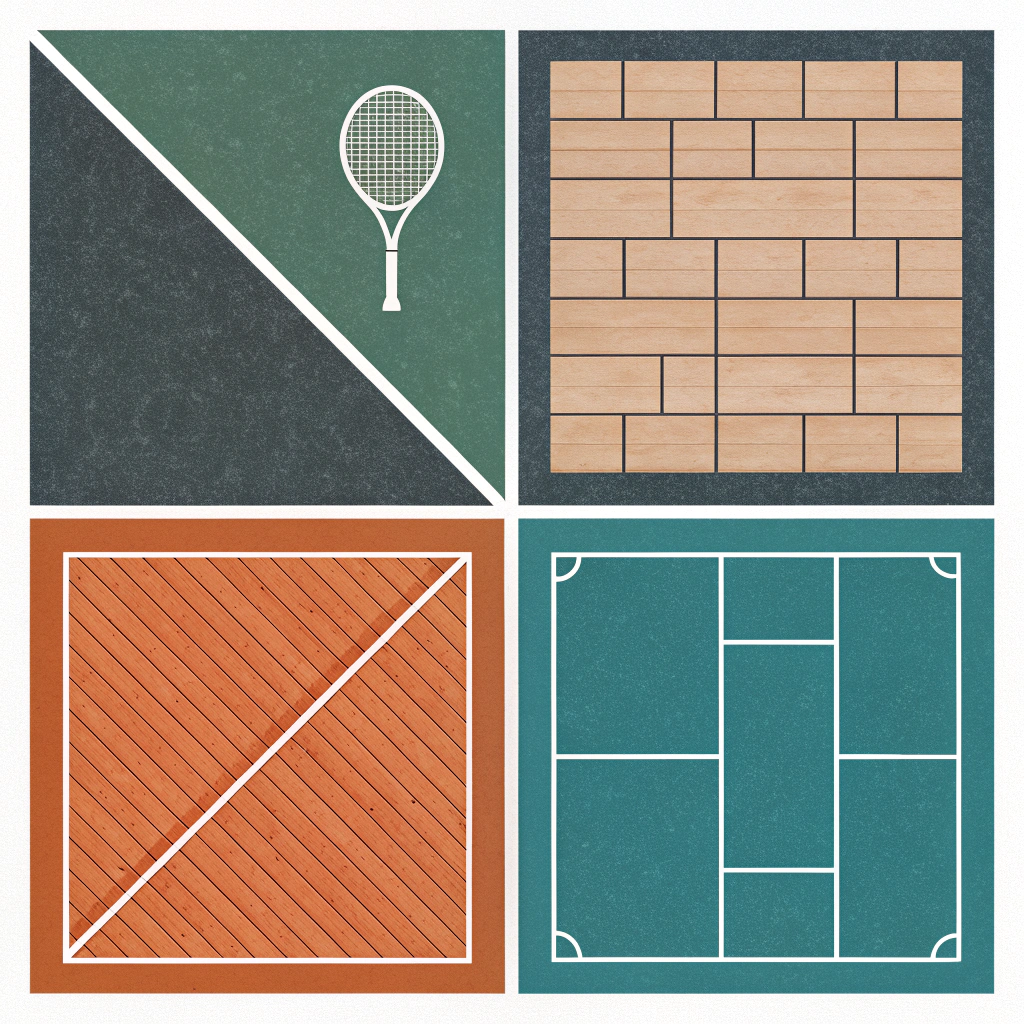
Short answer (quick snippet): Choose paddle materials and constructions by matching face, core, weight and finish to the court surface. For high-abrasion outdoor asphalt or concrete pick 12K carbon1 or carbon/fiberglass composites with a durable textured topcoat and reinforced edge guards; for indoor gym floors or carpet choose lighter carbon or fiberglass faces with a softer polymer honeycomb2 core for better dwell time and control. Use hot pressing3 for high-volume, high-strength outdoor SKUs and cold pressing/thermoforming when you need fine control over feel and thickness.
Why this matters right now
- You are finalizing SKU specs for varied courts (indoor gym, outdoor asphalt/concrete, clay, carpet). A wrong face/core/finish choice drives returns, short life, and poor player satisfaction.
- This guide converts material and manufacturing trade-offs into SKU templates and a procurement checklist that procurement managers and OEM product managers can use to order right the first time.
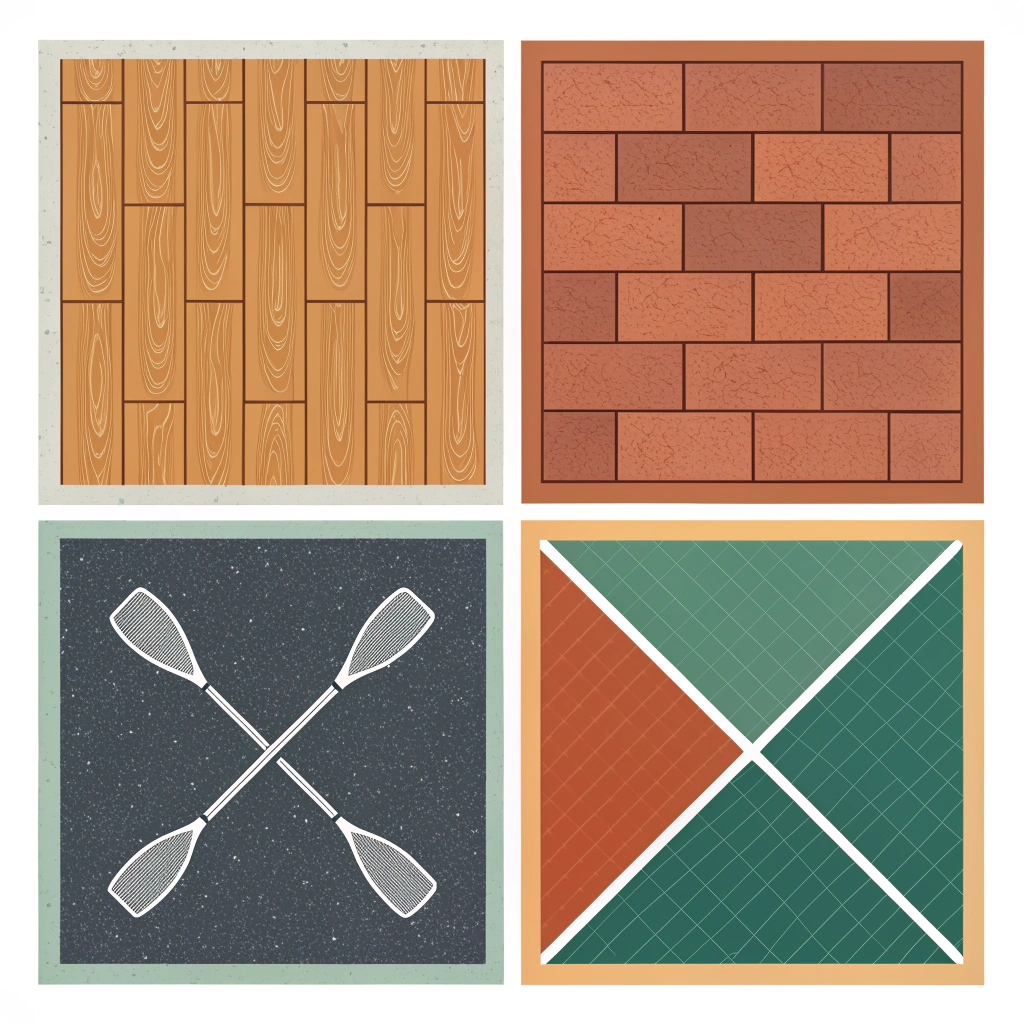
Selection dilemma: one paddle assortment for all courts or targeted SKUs?
Most retailers and clubs see two profitable approaches:
- Narrow assortment: 2–3 versatile SKUs covering most players (simpler inventory, lower MOQ).
- Surface-specific assortment: 4–6 SKUs optimized for surface types (better player satisfaction, less churn).
Which to pick depends on your customer base and SKU velocity. Below is a concise comparison to help decide.
Core differences — what each component controls
- Paddle face (surface): controls abrasion resistance, spin potential, and initial ball rebound. Typical options: carbon fiber (3K, 12K, T300), fiberglass (E-Glass), and composites.
- Core: determines dwell time, vibration and feel. Options: polymer honeycomb2, Nomex4, aluminum honeycomb, bamboo composite.
- Weight & balance: affects maneuverability and power. Typical range: 7.3–8.8 oz (207–250 g). Lighter = more control and quick reaction; heavier = more power and stability.
- Surface texture/finish: sandcoat vs smooth vs micro-texture — affects spin and abrasion.
- Edge guard & topcoat: primary defenses against chipping on abrasive outdoor courts.
Quick reference: surface -> recommended construction (summary table)
| Court surface | Face material | Core type | Weight (oz / g) | Finish / Texture | Key durability notes |
|---|---|---|---|---|---|
| Indoor gym (wood/PU) | Fiberglass or 3K carbon | Polymer honeycomb2 | 7.3–8.2 oz (207–232 g) | Smooth or light micro-texture | Low abrasion — prioritize dwell time and control |
| Outdoor asphalt / concrete | 12K carbon or carbon/fiberglass composite | Aluminum or Nomex honeycomb | 8.2–8.8 oz (232–250 g) | Coarse sandcoat / abrasion-resistant topcoat | High abrasion + UV — reinforced edge guard, thicker topcoat |
| Clay courts | Fiberglass or carbon/fiberglass | Polymer or thin aluminum core | 7.6–8.4 oz (215–238 g) | Medium texture to balance spin and contact | Moderate abrasion; dust ingress considerations |
| Carpet / synthetic | Fiberglass | Polymer | 7.4–8.1 oz (210–230 g) | Smooth to micro-texture | Low abrasion — favor spin control and comfort |
| Multi-surface (versatile retail SKU) | Carbon/fiberglass composite | Polymer honeycomb | 7.8–8.4 oz (221–238 g) | Mid-grit texture | Balances durability and playability |
Bolded terms above are key procurement specs. Use the table as a baseline — tweak by brand positioning and price point.
Detailed rationale and trade-offs
- Face choice: carbon vs fiberglass
- Carbon fiber: high stiffness, high rebound (more power). 12K and T700 variants give higher stiffness and abrasion resistance; 3K and T300 feel slightly softer and absorb more impact (better control). Carbon is preferred for fast-paced play and outdoor durability when paired with a protective finish.
- Fiberglass (E-Glass): more flexible, more dwell time and ball control, wider sweet spot. Better for recreational players and indoor surfaces.
- Core selection
- Polymer honeycomb2: softer feel, less vibration, better comfort — ideal for rec players and indoor surfaces. Good cost-to-performance for high-volume SKUs.
- Aluminum honeycomb: firmer, gives crisp response and more power; heavier; good for outdoor durability.
- Nomex4: very durable and stable, used in high-impact paddles; can be noisier and less comfortable for some players.
- Finish & texture
- Coarse sandcoat increases spin and abrasion. For outdoor use choose a UV-stable, abrasion-resistant topcoat and consider higher grit values (coarser).
- Edge protection
- Outdoor paddles need thicker, reinforced edge guards and stronger bonding to prevent delamination after repeated ground contact.
- Weight & balance
- Targeted ranges above. For outdoor heavy-contact environments consider slightly heavier paddles to improve stability on hard impacts.
Manufacturing process notes buyers must know
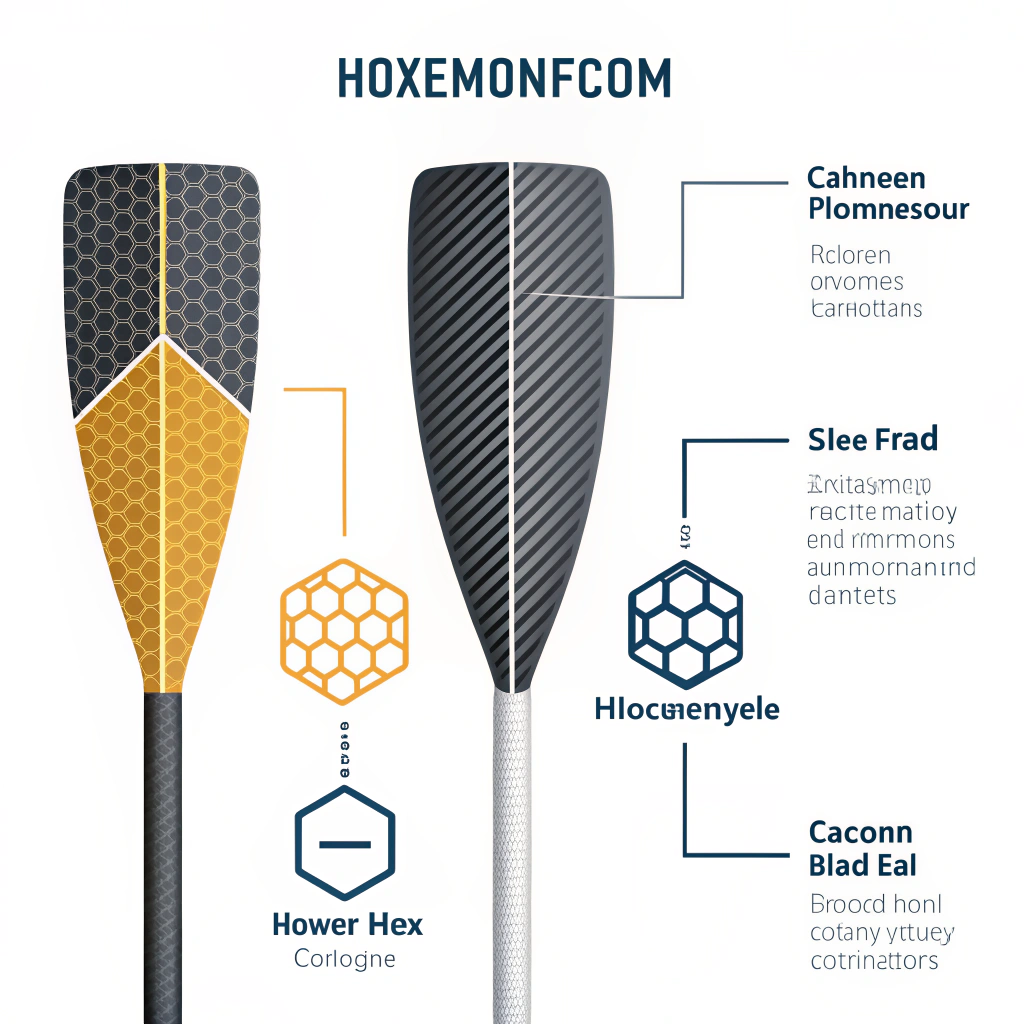
- Hot pressing3: best for high-strength, consistent layup and high-volume outdoor SKUs. Pros: production efficiency and strong composite bonding. Cons: may slightly harden feel; higher equipment cost. Use when producing large batches of durable paddles for outdoor use.
- Cold pressing: preserves matrix properties and gives better control over thickness and feel. Pros: better ball feel and responsiveness; good for mid- to high-end indoor paddles. Cons: slower cycle times.
- Thermoforming: excellent for complex shapes and controlled thickness distribution. Use for ergonomic grips, tapered rails, or premium lines.
Table — process pros/cons
| Process | Best use | Pros | Cons |
|---|---|---|---|
| Hot pressing | Durable outdoor/high-volume SKUs | Fast, strong bond, scalable | Slight change in feel, higher CAPEX |
| Cold pressing | Premium indoor/control-focused paddles | Better material feel, precise thickness | Slower, needs precise pressure control |
| Thermoforming | Complex shapes/custom SKUs | Precise material distribution, premium finish | Higher unit time/cost |
Production recommendation:
- For a bulk outdoor SKU: use hot pressing with 12K carbon face + aluminum honeycomb core + abrasion topcoat.
- For indoor control or branded team paddles: use cold pressing or thermoforming with fiberglass face + polymer core.
SKU templates for procurement (ready-to-order specs)
- Outdoor Durable Series — SKU OD-12C-AH
- Face: 12K carbon with UV-stable wear coat
- Core: Aluminum honeycomb
- Weight: 8.4 ± 0.2 oz (238 ± 6 g)
- Surface finish: 1000–800 grit sandcoat (coarse)
- Edge guard: reinforced 2.8 mm
- Process: hot pressing
- MOQ: 500
- Expected lifetime: 18–36 months (typical heavy outdoor use)
- Indoor Control Series — SKU IN-FB-POLY
- Face: E-Glass fiberglass
- Core: Polymer honeycomb
- Weight: 7.6 ± 0.2 oz (215 ± 6 g)
- Surface finish: smooth to light micro-texture
- Edge guard: 2.0 mm low-profile
- Process: cold pressing / thermoforming for grip ergonomics
- MOQ: 300
- Versatile Retail Best-seller — SKU VR-CF-COMP
- Face: carbon/fiberglass composite (3K + E-Glass)
- Core: polymer honeycomb
- Weight: 7.8–8.2 oz (221–232 g)
- Surface finish: medium grit (balanced spin & durability)
- Process: hot or cold pressing as agreed
Include sample print options: on-demand-print (ODP) available for branding; allow +7–14 days in lead time for custom artwork.

Testing & quality specs to require from supplier
- Abrasion test (Taber) rating or cycles to failure.
- UV exposure test (accelerated weathering) for outdoor paddles.
- Impact/delamination tests (drop and repeated ground contact).
- Weight tolerance: ±0.2 oz (±6 g).
- Surface friction coefficient or grit spec for sandcoat.
- Bond strength tests for face-to-core and edge guard adhesion.
Warranty & packaging guidance
- Offer a 12–24 month limited warranty for manufacturing defects (exclude normal wear from abrasion).
- Package paddles in protective sleeves and ship with edge guards engaged; use humidity-controlled pallets for ocean shipments to avoid moisture ingress.
Lead times & MOQ expectations
- Typical production lead time: 30–60 days after art and sample approval for standard SKUs.
- Custom SKUs: allow 8–12 weeks for tooling and sample approvals.
- MOQ: 300–500 per SKU for cost-effective pricing; negotiate scaling discounts for larger orders.
Procurement checklist (action items)
- Define the primary surface type and target player level for each SKU.
- Specify face material, core type, weight tolerance, finish grit, edge guard thickness, and process (hot/cold/thermoforming).
- Request specific test results (Taber cycles, UV, delamination).
- Confirm MOQ, lead time, and warranty terms.
- Request pre-production sample and run a field test on target surface before full production.
- Add on-demand print and packaging specs if needed.
Common buying mistakes and how to avoid them
- Buying only one universal paddle for mixed courts: leads to fast wear on outdoor courts or poor player satisfaction indoors. Solution: a two-tier assortment (versatile + surface-optimized).
- Ignoring edge guard specs: outdoor returns spike from chipping; require reinforced edge layers.
- Overlooking process choice: cold-pressed paddles may cost more but reduce returns from dissatisfied advanced players.
Conclusion — recommendation
For most B2B buyers building a balanced assortment: pick a versatile carbon/fiberglass composite SKU for broad retail appeal, a dedicated 12K carbon + aluminum honeycomb SKU for outdoor durability, and a fiberglass + polymer SKU for indoor recreational players. Insist on material and testing specs, define weight tolerances, and choose hot pressing for volume outdoor SKUs but cold pressing/thermoforming when feel and precision matter.
Next steps: finalize the surface profile mix for your stores or clubs (percent of outdoor vs indoor play), then use the SKU templates and procurement checklist above to request quotes and pre-production samples from suppliers.
People Also Ask
Q: What is the difference between T300 and T700 pickleball paddles?
A: T300 carbon fiber offers a balanced feel with moderate stiffness—better for control and players who want some vibration damping and slightly reduced ball speed on power shots. T700 (similar to higher-grade options) has higher stiffness and tensile strength, transferring more energy to the ball for faster shots and a firmer, more responsive feel. Choose T300-like materials for control-focused indoor or recreational lines; choose stiffer fibers (T700/12K) for high-power outdoor or competitive SKUs.
-
12K carbon: Reading this article helps procurement and product teams understand what 12K carbon fiber means (weave, stiffness, abrasion behavior) and when it’s the right choice for outdoor-durable, high-stiffness paddles. ↩
-
Polymer honeycomb: Read to learn how polymer honeycomb cores are constructed, how they affect dwell time, vibration damping and weight, and why they are cost-effective for high-volume, comfort-focused SKUs. ↩ ↩2 ↩3 ↩4
-
Hot pressing: The linked resource explains hot-pressing equipment, cycle economics, bond strength benefits and trade-offs in feel—helpful when specifying process, CAPEX expectations, and long-run production strategy. ↩ ↩2
-
Nomex: Learn why Nomex honeycomb is used in high-impact paddles, its performance and acoustic characteristics, and how to balance durability vs player comfort when specifying core materials. ↩ ↩2