Skip to content


Short answer: For bulk procurement, rubber grips typically offer the best combination of tackiness and wet-condition slip resistance for rental programs and heavy-use club play; however, PU (polyurethane) grips and wrapped/overgrip systems often win on weight, breathability, and replacement cost. The right choice depends on use case: rentals and courts with mixed players favor durable, highly tacky rubber or replaceable rubber sleeves; retail and premium OEM lines commonly use PU or hybrid designs for better feel and lower returns.
Procurement and product managers select grips not just for player comfort, but for total cost of ownership1, warranty exposure, supply chain risk, and resale margin. A grip affects:
- Player experience (tackiness, sweat management, vibration)
- Lifecycle costs (replacement frequency, returns)
- Hygiene and cleaning processes for rental/club fleets
- Manufacturing complexity and lead time (molding vs wrapped grips)
- Brand positioning (premium feel vs low-cost durability)
This guide compares the common grip options and gives pragmatic recommendations and a procurement checklist so you can decide which grip to specify for retail SKUs, OEM runs, and rental fleets.
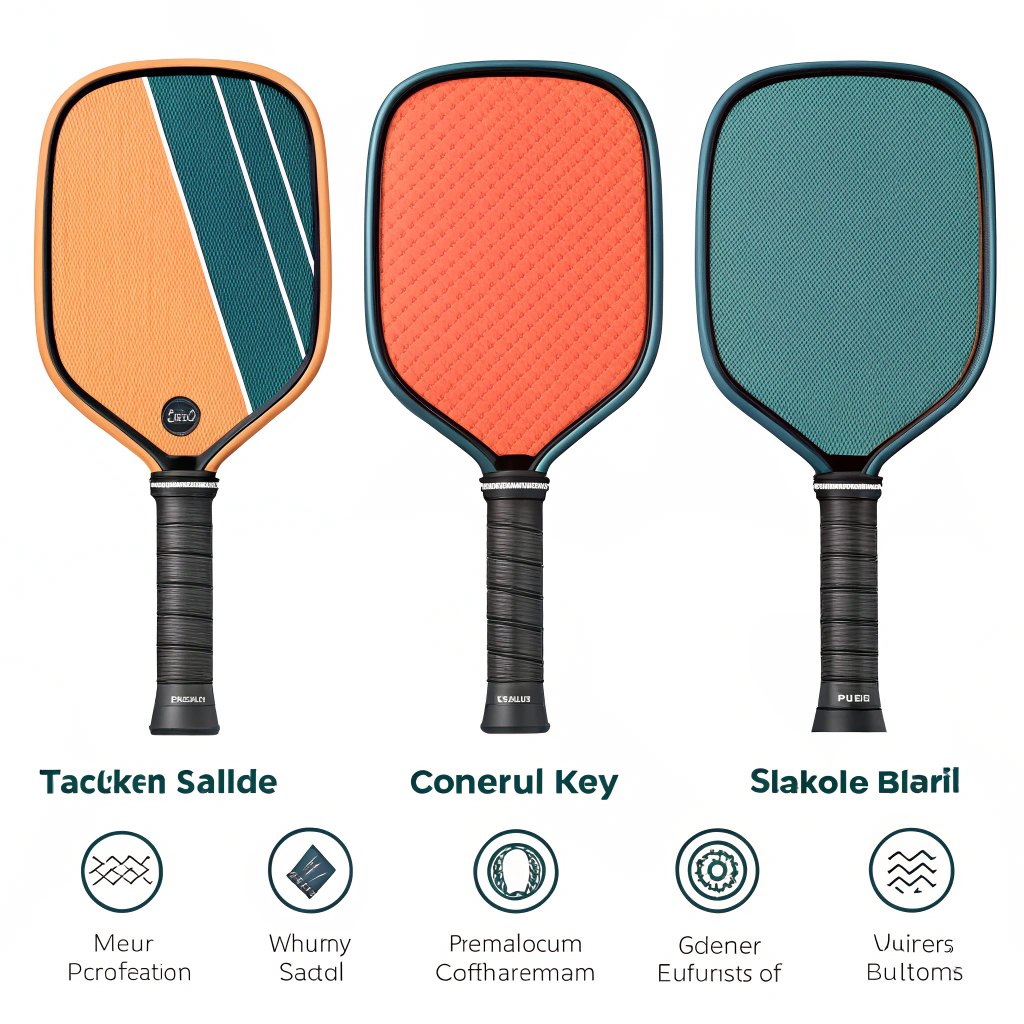
- Rubber grip: molded or wrapped rubber compounds providing high tack and abrasion resistance. Often applied as a sleeve or molded handle.
- PU grip (polyurethane): synthetic skin with a smoother surface, lighter weight, and good shock absorption. Usually wrapped.
- Overgrip: thin, replaceable wraps (PU or other blends) applied over the base grip to tune tackiness and thickness.
- Integrated grip / custom molded: handles designed and molded into the paddle during production (requires tooling).
First appearances of key terms are bolded to emphasize procurement-relevant vocabulary.
| Dimension | Rubber grip | PU grip / wrapped | Overgrip |
|---|---|---|---|
| Tackiness / slip resistance | Very high | Medium | Variable (high if tacky type) |
| Wet performance | Excellent | Moderate | Moderate |
| Vibration damping | Good | Very good | Minimal |
| Durability (heavy use) | High | Medium | Low |
| Replaceability | Moderate (sleeve or replacement unit) | High (easy to rewrap) | Very high (cheap to replace) |
| Weight impact | Slightly heavier | Lighter | Minimal |
| Manufacturing complexity | Higher if molded | Lower (standard wrapping) | Lowest |
| Typical procurement cost per unit | Higher | Medium | Low |
Note: "Durability" and "cost" vary by compound and supplier. Use these categories for initial SKU decisions, then validate with samples and wear tests.
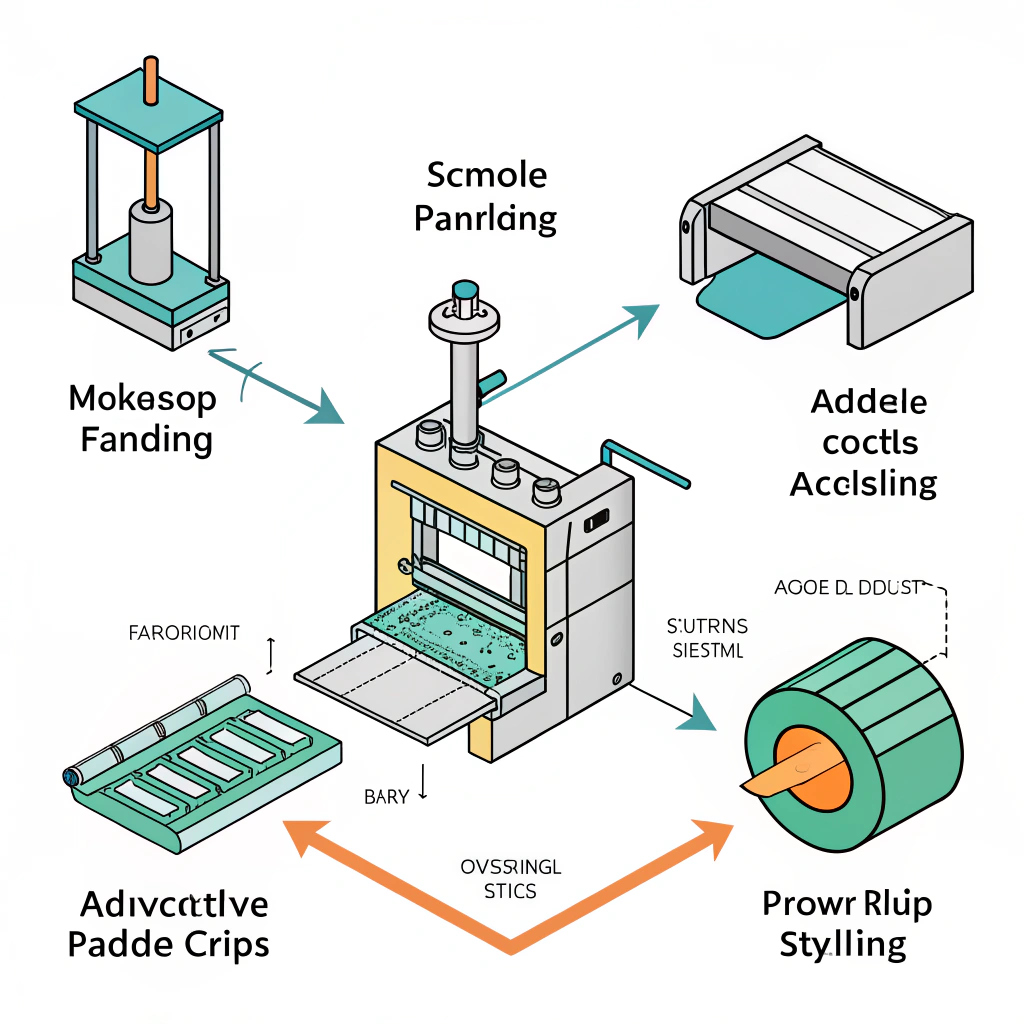
Understanding how grips integrate into production drives lead time, MOQ2, and tooling costs.
- Application method:
- Wrapped PU or overgrips: added after paddle core and face lamination. Low tooling, quick cycle, flexible SKUs.
- Molded rubber sleeve or integrated handle: requires tooling for molds and possibly thermoforming/overmolding3 steps. Higher initial cost and longer lead times, but consistent feel and lower post-assembly labor.
- Adhesives and surface prep:
- Rubber sleeves often need specific adhesives and surface primers; ensure your factory has the correct adhesive process and curing steps.
- PU wraps usually rely on friction and minimal adhesive; easier for retrofits.
- Production process interaction:
- Hot pressing/cold pressing/thermoforming for the paddle body are mostly independent of grip choice but may constrain post-processing scheduling. If you choose integrated molded handles, align grip tooling with paddle thermoforming to minimize handling.
- MOQ and tooling fees:
- Molded custom grips: significant one-time tooling fees; justify with volume or premium positioning.
- Standard wrapped grips/overgrips: low MOQ and predictable per-unit cost.
How grips behave on the court affects returns and lifetime cost.
- Tackiness and slip resistance:
- Rubber grips provide immediate and sustained tack—valuable for beginners and mixed-skill environments where consistent hand positioning is uncertain.
- PU grips can be tuned for a softer feel but are usually smoother; they can become slippery when heavily soiled/sweaty unless textured.
- Vibration damping and comfort:
- PU skins and thicker palms absorb vibration, favored in premium paddles.
- Rubber compounds can also dampen shock but often transmit a firmer feel; choose core thickness/insert to tune.
- Wear patterns:
- Rental paddles with rubber grips often show abrasion but retain tack; overgrips can hide wear but need frequent replacement.
- PU grips may discolor and show wear faster under heavy use; replaceability is a plus.
- Hygiene and cleaning:
- Rentals require weekly or monthly cleaning protocols. Rubber withstands routine cleaning better than some PU formulations but may absorb oils over time.
- Consider antimicrobial additives4 or removable overgrips for hygiene-sensitive use.
Rather than comparing purchase price alone, compute cost per play / month. A simple approach:
- Determine per-unit procurement cost (C).
- Estimate average lifespan in plays or months (L).
- Calculate cost per play = C / L.
- Add labor and disposal cost for replacements (R).
- Include return/warranty impact (W) as an estimated percentage of unit cost.
Example (illustrative):
| Grip type | Unit cost (USD) | Typical lifespan (months, heavy use) | Cost/mo |
|---|---|---|---|
| Rubber (sleeve) | 3.50–6.00 | 6–12 | 0.29–1.00 |
| PU wrapped | 2.00–4.00 | 4–8 | 0.25–1.00 |
| Overgrip (replace) | 0.50–1.50 | 0.5–2 (rental) | 0.25–3.00 |
Use your club or rental occupancy assumptions to convert to cost per play. The main takeaway: lower initial cost does not always equal lower operating cost—frequent replacements and labor change the math.
Procurement metrics that correlate to lower return rates:
- Clear grip-spec in product description (material, thickness, circumference)
- Defined acceptance criteria for discoloration, tack loss, seam separation
- Accelerated wear tests5: abrasion cycles, sweat/alkali exposure, UV exposure
- Track return reasons month-over-month; grips contribute to comfort/feel returns and warranty claims more than rigid paddle failures
- Negotiate a defect allowance in initial batches (e.g., 1–2%) and define replacement lead times
- Rental programs / clubs:
- Prioritize durability, wet grip, and hygiene.
- Use rubber sleeves or highly tacky wrapped rubber; combine with replaceable overgrips for hygiene and cheap refreshes.
- Plan scheduled overgrip replacement (e.g., bi-weekly or monthly).
- Retail low-cost SKUs:
- Use standard PU wrapped grips to keep unit cost down while preserving a comfortable feel.
- Offer bundled overgrips as accessories.
- Premium OEM / pro lines:
- Use tuned PU or carbon/PU composites for refined damping and weight control; offer replaceable grip options and premium packaging.
- Branded promotions / beginner bundles:
- Use overgrips or low-cost PU to keep margins high and encourage accessory sales.
- Material: Rubber compound name / PU formulation
- Thickness: mm at palm and taper
- Circumference: final wrapped circumference (mm)
- Surface texture / pattern: specify grit or printed pattern
- Tackiness measurement: qualitative (high/medium/low) + expected retention after X cycles
- Antimicrobial treatment: yes/no + certification
- Replacement option: overgrip SKU or replacement sleeve available
- Bonding method: adhesive type or slip-fit
- Color and print options (if branded)
- Packaging: single polybag / bulk / retail blister
- Minimum order quantity (MOQ)
- Lead time (sample vs production)
- Testing: abrasion cycles, sweat immersion, UV exposure
- Warranty terms and defect allowances
- Pricing tiers and tooling fees (if molded)
- Order three grip variants as samples: rubber sleeve, PU wrap, PU + overgrip.
- Run a 4–8 week pilot at one or two high-usage courts:
- Track user feedback, slip incidents, and replacements.
- Measure wear visually and via simple abrasion tests.
- Calculate real-world cost per play and labor hours for replacements.
- Select winner by channel and finalize specs, MOQ, and delivery cadence.
- Schedule periodic review of return rate and customer satisfaction.
For procurement roles evaluating SKUs for resale and rental, treat rubber grips as the default for rental fleets and mixed-skill club play because of their superior tack and wet condition performance. For retail and premium lines, specify PU or hybrid grips to match player expectations for comfort and vibration damping. Always pilot with real users and track cost-per-play to validate assumptions before scaling.
If you want, NEX Pickleball can supply matched paddle samples with each grip type, advise on tooling and MOQ, and run the accelerated wear tests you need to finalize specs.
People Also Ask
Q: Are rubber grips better than PU grips for pickleball paddles?
A: Rubber grips are generally better for immediate tackiness and wet-condition slip resistance, making them suitable for rental fleets and recreational play. PU grips tend to be lighter and offer softer vibration damping favored in premium paddles. Choose rubber for durability and wet grip; choose PU for refined feel and lighter weight.
Q: How often should I replace a pickleball paddle grip in a club or rental program?
A: Replacement frequency depends on use: high-traffic rental paddles often need overgrip replacement every 2–8 weeks, or a rubber sleeve refresh every 3–12 months. For retail consumer use, grips may last 6–18 months depending on sweat, hygiene practices, and play frequency. Use pilot data to refine your schedule.
Q: Can rubber grips be cleaned and sanitized for rental paddles?
A: Yes—rubber grips generally tolerate routine cleaning better than some PU formulations. Use manufacturer-recommended cleaners, avoid aggressive solvents that degrade tack, and consider removable overgrips or antimicrobial treatments to simplify sanitation and reduce hygiene concerns.
-
total cost of ownership: Read to learn how to quantify lifetime expenses beyond purchase price — including replacement parts, labor, warranty, disposal, and return rates — so you can compare SKUs on true operating cost rather than upfront cost. ↩
-
MOQ: Read to understand minimum order quantities, how they affect unit price and inventory risk, and strategies (e.g., tiered pricing, rollouts) to justify tooling or larger batches for volume procurement. ↩
-
overmolding: Read to see how overmolding integrates grip material into product tooling, the implications for tooling cost, cycle time, and durability, and when to prefer overmolding versus wrapped or slip-fit grips. ↩
-
antimicrobial additives: Read to evaluate options for antimicrobial treatments (efficacy, certifications, regulatory concerns), how they affect material properties and cleaning protocols, and whether they reduce hygiene-driven replacements. ↩
-
Accelerated wear tests: Read to get practical test methods (abrasion cycles, sweat/alkali exposure, UV) and acceptance criteria that predict real-world lifespan, enabling objective supplier comparisons and warranty thresholds. ↩