Skip to content

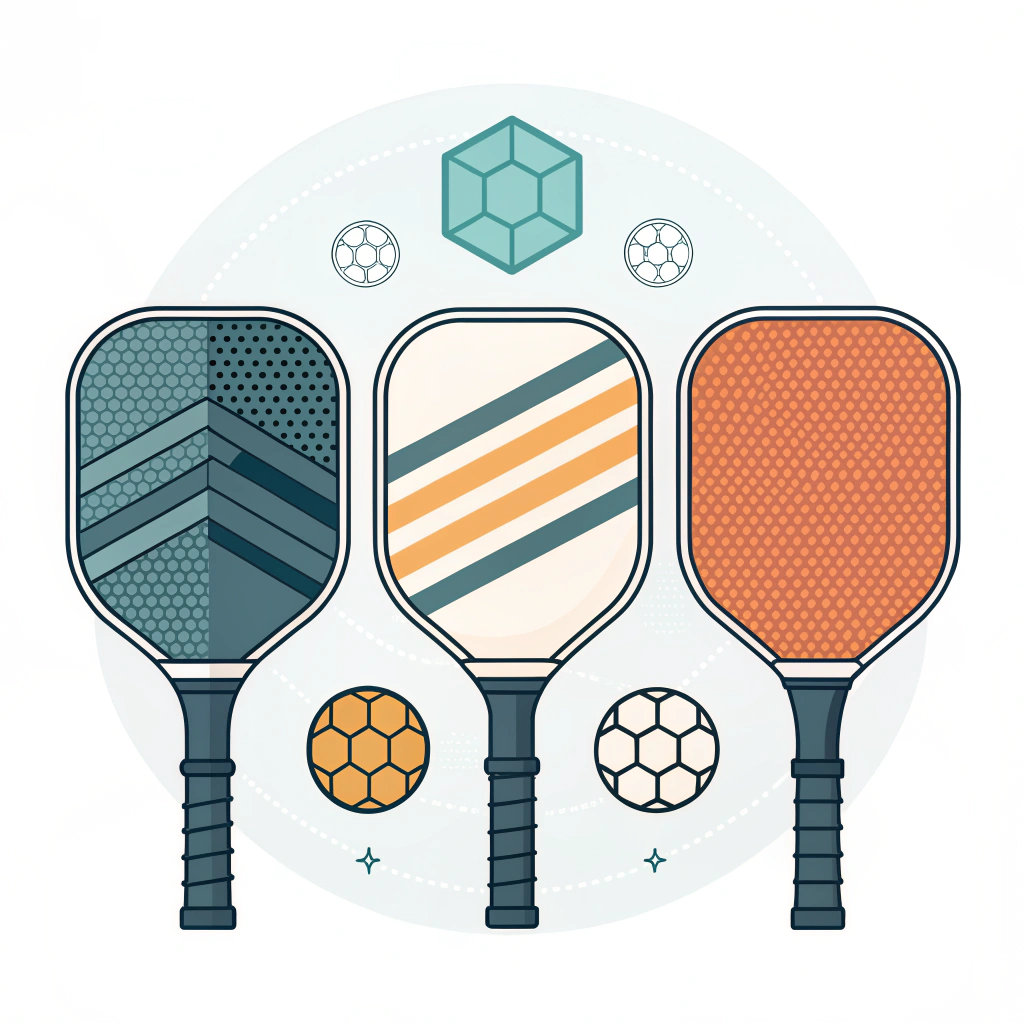
Quick answer: For brands choosing custom pickleball paddles1, match the paddle materials (carbon fiber, fiberglass, composites) and core (polymer, Nomex2, aluminum honeycomb) to the desired player experience, then pick a production process ( hot pressing3, cold pressing, thermoforming) that balances performance, cost, and lead time. Ask suppliers for sample testing, on-demand print capability, MOQ4 tiers, and verified quality-control data before committing to a production run.
Why this decision matters
- You’re not just buying a product — you’re buying a brand touchpoint. A paddle’s weight, sweet spot, surface texture, and graphic quality affect player perception, return rates, and retail margins.
- The right technical choices help you position a paddle as recreational, performance, or premium — and that positioning drives price, margin, and reorder velocity.
Core differences at a glance
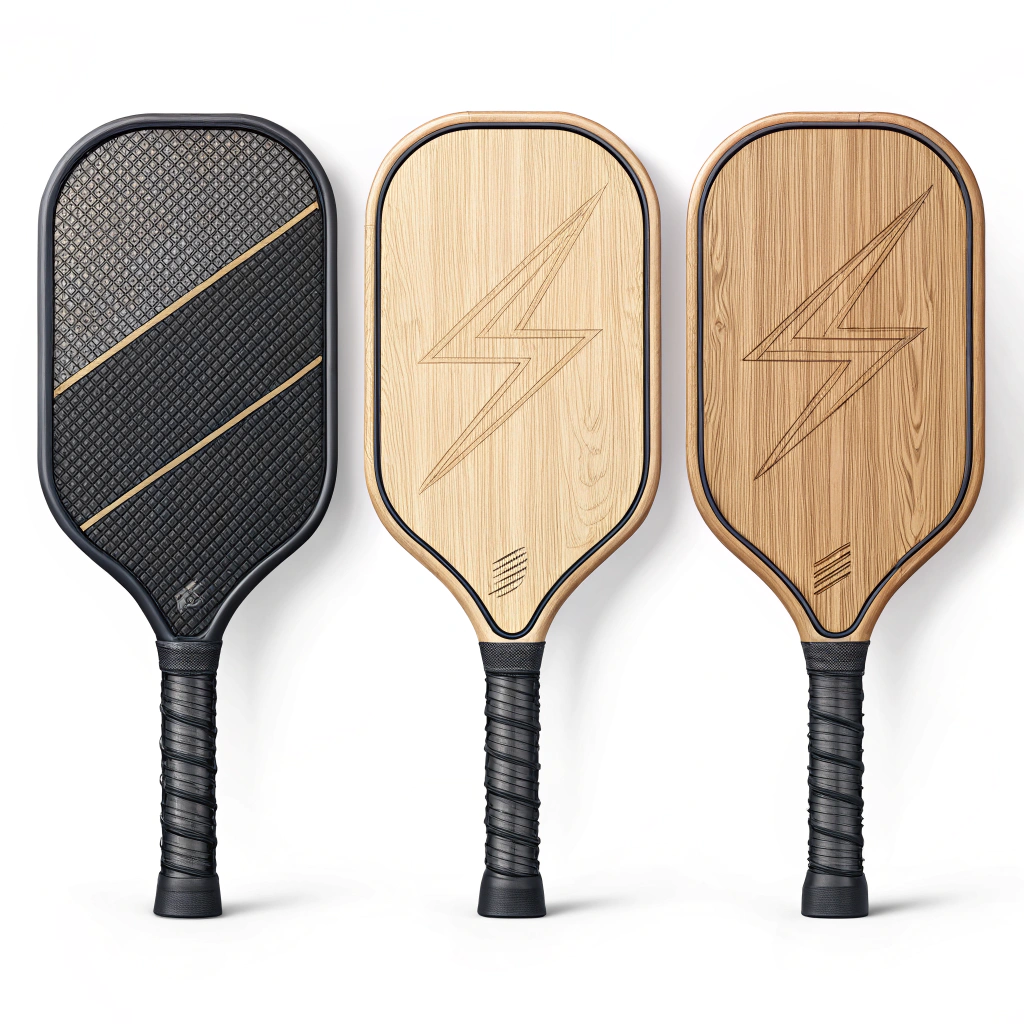
- Carbon fiber paddles: high stiffness, power, quick response — favored for premium competitive models.
- Fiberglass paddles: more forgiving, larger sweet spot, good control — suited for mid-market and recreational lines.
- Composite (carbon + fiberglass, bamboo, etc.): tuned balance of power and control for versatile SKUs.
- Cores (honeycomb polymer, Nomex, aluminum): control hit feel, durability, and vibration.
Below are practical comparisons to guide procurement choices.
Materials comparison (quick table)
| Dimension | Carbon Fiber | Fiberglass | Carbon+Fiberglass / Bamboo |
|---|---|---|---|
| Feel | Stiffer, more power | Softer, better control | Tunable between power & control |
| Durability | High (esp. 12K, T300) | Good | Good to high |
| Target price point | Premium | Mid-range | Mid to premium |
| Best for | Competitive players | Recreational / beginners | All-round / hybrid models |
| Branding impact | Premium look & feel | Friendly, accessible | Flexible portfolio fit |
Bold materials on first use: carbon fiber, fiberglass, composite, honeycomb core.
Process comparison: hot pressing vs cold pressing vs thermoforming
| Process | Strengths | Trade-offs | Best when |
|---|---|---|---|
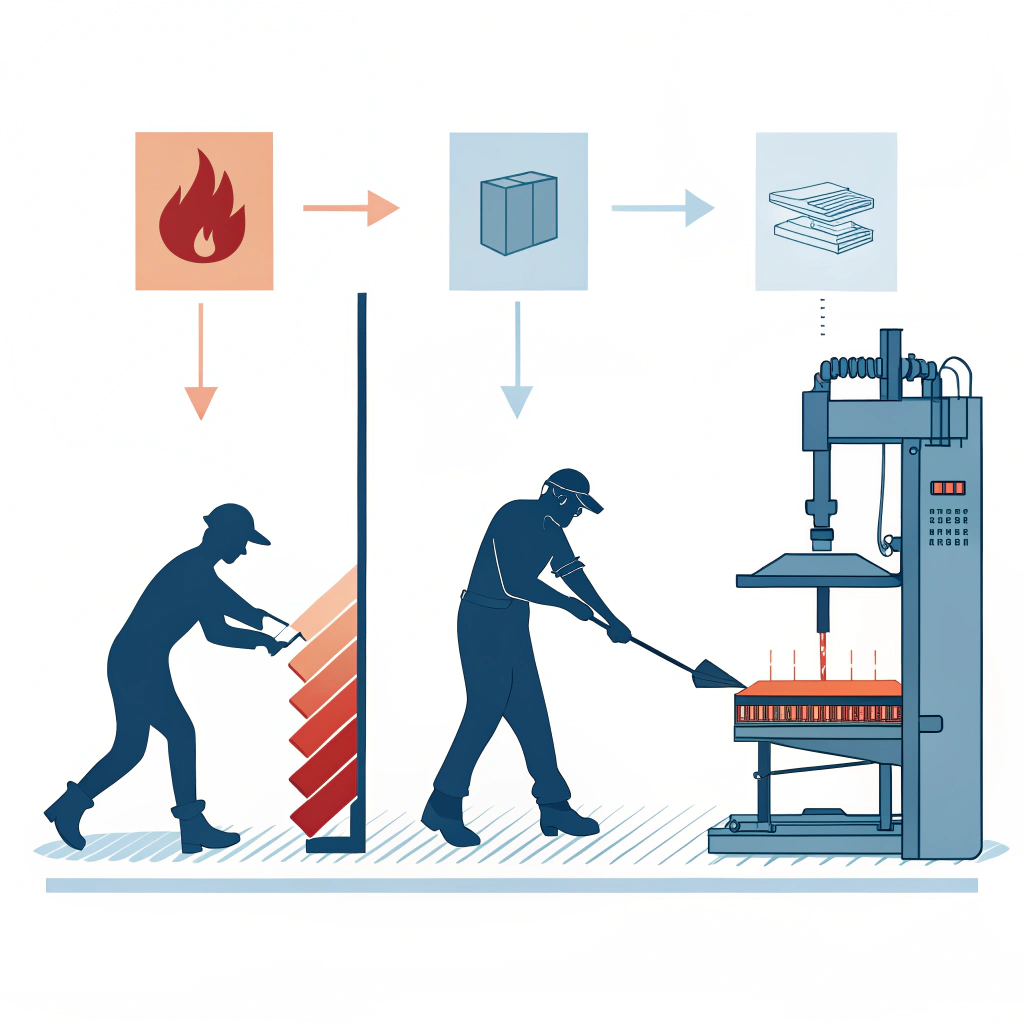
| Hot pressing | Fast for mass production; strong structural integrity | Can alter resin feel; higher equipment cost | High-volume, durable paddles (retail scale) |
| Cold pressing | Preserves material feel; precise thickness control | Slower cycle; requires precise equipment | High-feel models where touch matters |
| Thermoforming | Handles complex shapes and material layouts | Higher cost, longer time | Custom shapes, tapered thickness, premium designs |
Production note: NEX Pickleball supports all three processes and can advise which suits your SKU mix.
How to compare cost, MOQ and lead time (practical rules)
- Typical MOQ tiers:
- Prototype/sample: 1–10 units (paid tooling/sample fees may apply).
- Small launch: 200–500 units.
- Standard OEM runs: 1,000–5,000+ units.
- Unit cost drivers: material grade (3K vs 12K vs T300 carbon5), core type (polymer vs Nomex), surface finish (textured for spin), and process (thermoforming adds cost).
- Lead time examples:
- Samples: 2–6 weeks (depends on tooling & printing).
- Mass production: 4–12 weeks after sample approval.
- Pricing benchmark: For DTC/premium positioning, retail price often ranges $80–$130. Typical manufacturing cost for a well-made paddle can be in the $25–$40 range depending on materials and print — verify with supplier quotes and freight assumptions.
Include cost table example for quick estimation:
| Item | Low-tier (recreational) | Mid-tier | Premium |
|---|---|---|---|
| Expected unit cost (FOB) | $18–$25 | $25–$35 | $35–$55 |
| Typical retail price | $40–$80 | $80–$120 | $120–$160 |
| MOQ (typical) | 500+ | 300+ | 200+ |
| Lead time | 6–10 weeks | 6–10 weeks | 8–12+ weeks |
Tip: Ask for cost breakdown (materials, process, printing, packing, QC) to identify where to optimize margin or performance.
Quality control & testing checklist (what to require from an OEM)
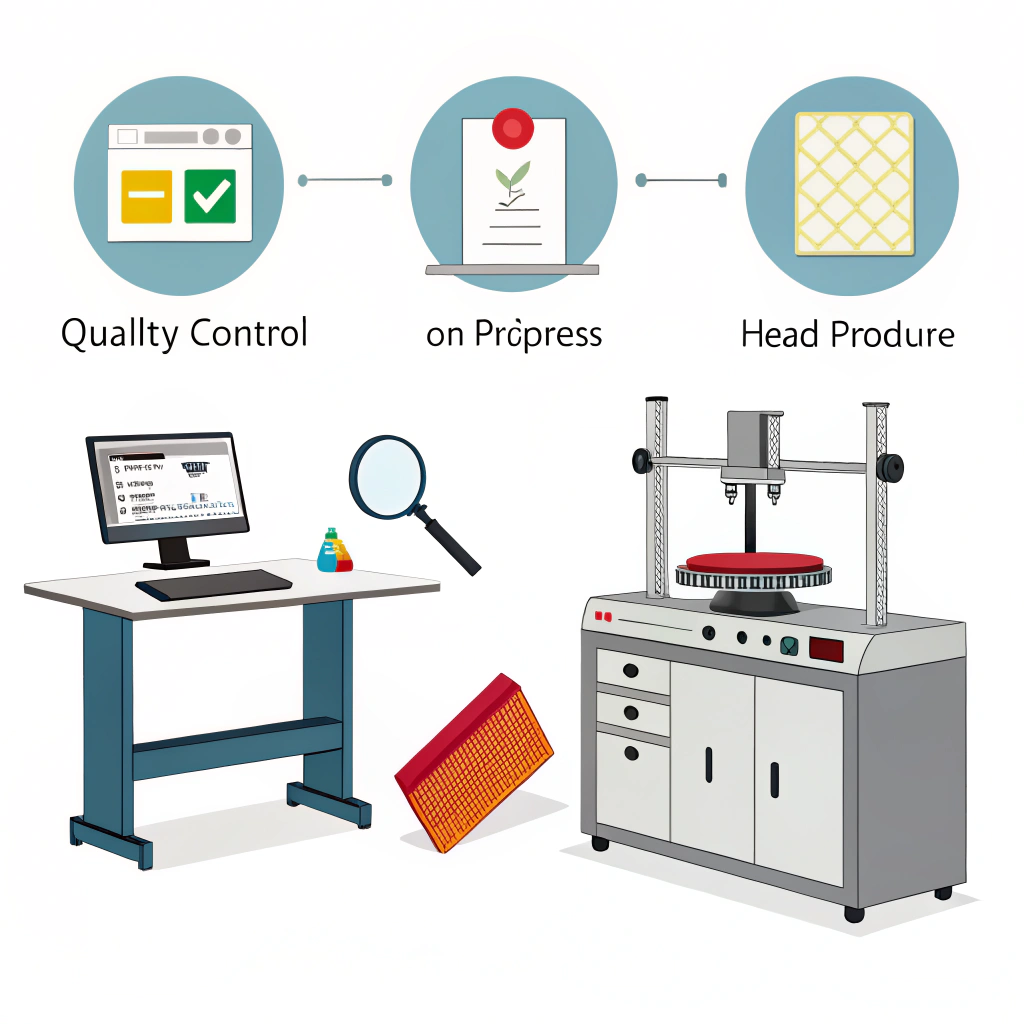
- Material certificates (carbon fiber grade, fiberglass type, core material spec).
- Process records (press temperature/pressure for hot pressing; pressure profile for cold pressing).
- Physical testing:
- Weight tolerance (+/- grams).
- Balance point and sweet spot verification.
- Impact/durability tests (drop test, edge durability).
- Surface CoF (coefficient of friction) for spin.
- Batch sample program: 1 in N inspection with photos & measurement data before shipment.
- Compliance: CE/REACH or any regional labeling requirements for materials/chemicals.
- On-demand print proofs and color matching reports (Pantone or digital proof).
Design, aesthetics and on-demand printing
- Graphics matter: high-resolution sublimation or UV print gives consistent results on carbon/fiberglass shells.
- Offer co-branding: place secondary logos on spine or handle. Negotiate minimums for custom artwork plates or print runs.
- On-demand print service lets you offer limited edition drops and reduces inventory risk — ask your OEM about digital print capability and color fastness data.
- Consider edge guard and grip branding options — these are low-cost differentiation levers.
How materials and weight placement change play (brief, actionable)
- Adding mass changes sweet spot and handling: placing weight at 12 o’clock raises the sweet spot; on sides expands sweet spot horizontally. Use this to tune forgiveness vs pop.
- Core hardness affects dwell time: softer polymer cores increase dwell and control; stiffer cores give faster repulsion.
- Surface texture influences spin: more textured surfaces = increased spin potential (test with consistency checks).
Selecting the right OEM/ODM — a procurement checklist
- Technical capability: can they hot-press, cold-press, and thermoform? Request process capability matrix.
- Material sourcing: do they provide 3K, 12K, T300 carbon options and fiberglass grades like E-glass?
- Sample policy: sample cost, timeline, iteration limits.
- MOQ flexibility: tiered pricing and lead times for growth.
- Printing & packaging: on-demand print, custom packaging, UPC/retail-ready options.
- Quality systems: ISO, testing lab access, documented QC protocols.
- Communication & logistics: assigned account manager, production updates, sample photos.
- References & factory visit (if possible): client references from retailers or brands.
Concrete action: request a "Capabilities Packet" that includes material specs, process footprints, MOQ tiers, lead times, QC reports, and 3 sample references.
Estimating ROI and margin (simple model)
- Example DTC price: $100
- Estimated manufacturing cost (FOB): $30
- Shipping & fees: $10
- Marketing & overhead: $10
- Gross margin: (100 - 50) / 100 = 50%
This aligns with market examples where well-positioned paddles often yield gross margins in the 45–60% range if manufacturing and logistics are controlled. Use real quotes to refine estimates.
Common pitfalls and how to avoid them
- Accepting vague material specs — insist on grade names (e.g., T300 carbon) and certificates.
- Skipping functional samples — always test at least 3 full-spec samples.
- Ignoring artwork limits — confirm color gamut, edge wrap capabilities, and adhesion tests before printing a large run.
- Underestimating packaging and returns — account for retail-ready packaging and a plan for defects/returns.
Final recommendation (procurement action plan)
- Define desired player experience: control vs power, target retail price.
- Shortlist 2–3 OEMs with relevant processes and request capability packets.
- Order iterative samples: start with 3 variants (carbon, fiberglass, composite) using the same core.
- Run standardized play tests and durability checks with real users.
- Finalize art files for on-demand print and agree MOQ/lead time tiers.
- Place pilot order with clear QC checkpoints and an agreed rework policy.
If you need a partner who can deliver a full range of production processes, multiple material grades, on-demand print, and flexible MOQ tiers, consider contacting manufacturers with proven OEM experience and testing transparency.
People Also Ask
Q: How to enhance your pickleball paddle?
A: You can tune a paddle’s performance by shifting weight and adjusting core/material choices. Adding weight at the 12 o’clock position raises the sweet spot; adding weight on the sides (3 and 9 o’clock) widens the sweet spot and makes the paddle more forgiving. Material choices (stiffer carbon for power, fiberglass for control) and surface texture for spin are other levers to enhance play.
Q: Do expensive pickleball paddles make a difference?
A: Yes — premium paddles typically use higher-grade materials (e.g., 12K or T300 carbon) and refined processes that improve durability, power, and feel. Higher price often reflects better material consistency, stronger cores, and more precise manufacturing — similar to trading a handsaw for a power tool in quality and efficiency.
Q: What is the profit margin on pickleball paddles?
A: Margins vary by channel and positioning. A paddle retailing DTC at $80–$130 can yield gross margins around 45–60% after accounting for a manufacturing cost (FOB) in the mid-$20s to mid-$30s, plus shipping and fees. Use supplier quotes and logistics assumptions to model your exact margin for SKU decisions.
-
custom pickleball paddles: Read to understand sourcing, customization options, and the procurement trade-offs between bespoke branding, minimums, and per-unit economics — useful for evaluating supplier fit and product-market positioning. ↩ ↩
-
Nomex: Read to learn what Nomex honeycomb cores are, their impact on stiffness-to-weight, durability characteristics, and testing protocols so you can compare core options on performance and safety grounds. ↩ ↩
-
hot pressing: Read to learn process mechanics, tooling costs, cycle times, and how hot pressing affects resin behavior and part consistency — critical for deciding scale, expected tolerances, and capital requirements with an OEM. ↩ ↩
-
MOQ: Read to get practical guidance on interpreting supplier minimum order quantities, negotiating tiered MOQs, and structuring pilot runs to limit risk while validating retail demand. ↩ ↩
-
T300 carbon: Read to understand carbon fiber grading (3K, 12K, T300), how fiber count and weave affect stiffness, cost, and finish, and how to specify grades in contracts and certificates. ↩ ↩