Skip to content


Influencer marketing can be a powerful accelerator for OEM1 brands in the sports equipment industry. By strategically partnering with social media influencers, OEM companies can amplify brand credibility, extend market reach, and effectively complement their manufacturing strengths.
Many OEM companies excel in manufacturing quality pickleball paddles and other sports equipment. However, despite their production expertise, these brands often face challenges in enhancing their brand visibility and engaging target audiences. This disconnect between manufacturing excellence and market awareness can result in missed opportunities in an increasingly digital marketplace.
Traditional OEM strategies tend to focus on production efficiencies and operational excellence while underestimating the impact of digital outreach. In today’s competitive sports market, influencer marketing can bridge this gap by providing a narrative that resonates with both business buyers and end consumers, connecting technical strengths with emotional engagement.

Key issues faced by OEM brands:
• Limited brand visibility compared to well-known consumer-facing companies.
• Difficulty in translating manufacturing quality into a relatable brand story.
• Underutilized digital channels despite high-performance products.
• A gap between production innovations and market-driven narratives.
Why do these challenges occur?
OEM brands are built on reliability, quality, and technical innovation. Yet their traditional marketing approaches often neglect modern consumer engagement platforms and lack the storytelling component essential in today’s digital world. The absence of influencer marketing strategies means these brands lose potential trust-building opportunities that come through authentic endorsements.
Successful integration of influencer marketing within OEM operations involves a multifaceted strategy that leverages both data and creative storytelling. Here’s a detailed solution to overcome the identified challenges:
1. Identify the Right Influencers
To start, select influencers who have credibility within the sports community and demonstrate a proven track record in engaging with players and enthusiasts. These influencers can be athletes, sports analysts, or active community leaders in the pickleball niche. Their endorsement helps bridge the gap between raw manufacturing data and market sentiment.
2. Build a Compelling Brand Story
OEM companies should build narratives that not only highlight the technical prowess of their products — such as the durability of T300 Carbon Fiber2 paddles or the innovation of a Nomex Honeycomb Core3 — but also create emotional connections. The story should emphasize the legacy, precision, and innovation behind each product, thereby reinforcing customer trust and interest.
3. Leverage Data-Driven Metrics
Employ performance marketing techniques to assess the impact of influencer collaborations. Use key KPIs such as engagement metrics, conversion rates, and campaign ROI to understand the effectiveness of your influence marketing initiatives. This rigorous approach ensures that each campaign justifies its cost and contributes to a broader strategic vision.
4. Integrate Digital and Physical Channels
Combine digital influencer campaigns with on-ground events, trade shows, and partnerships. This cross-channel approach amplifies reach and ensures that both digital messenger and manufacturing expertise highlight the product’s quality. For example, featuring influencer-led demonstrations at industry exhibitions can elevate the product’s brand narrative.
5. Tailor Campaigns to Specific Market Segments
OEM brands should design campaigns that address the needs of different stakeholders — from business buyers and manufacturing partners to the end consumer. Customizing content for each segment ensures the message is relevant and effectively meets the audience’s decision criteria.
Below is a table summarizing the strategic actions OEM companies can take to implement influencer marketing:
| Action Step | Description | Key Benefit |
|---|---|---|
| Identify Industry Influencers | Research and select influencers with proven engagement in sports and pickleball communities. | Enhanced credibility and market reach |
| Develop a Brand Narrative | Craft stories that blend technical manufacturing details with emotional market appeal. | Stronger brand identity and consumer trust |
| Configure Performance Metrics | Set up KPIs (engagement, conversions, and ROI) to monitor campaign effectiveness. | Data-driven decisions and optimized campaign spend |
| Integrate Digital and Offline Efforts | Plan campaigns that span across both digital platforms (social media, websites) and physical events (trade shows, demos). | Broader reach and diversified audience engagement |
| Customize Content for Stakeholders | Create tailored marketing assets for OEM buyers, business partners, and end consumers, emphasizing relevant benefits for each group. | Increased relevance and successful engagement |
Implementing these steps allows OEM companies to leverage influencer marketing while staying true to their operational strengths. By embedding technical details within a relatable narrative, manufacturers can create an image of innovation paired with authenticity.
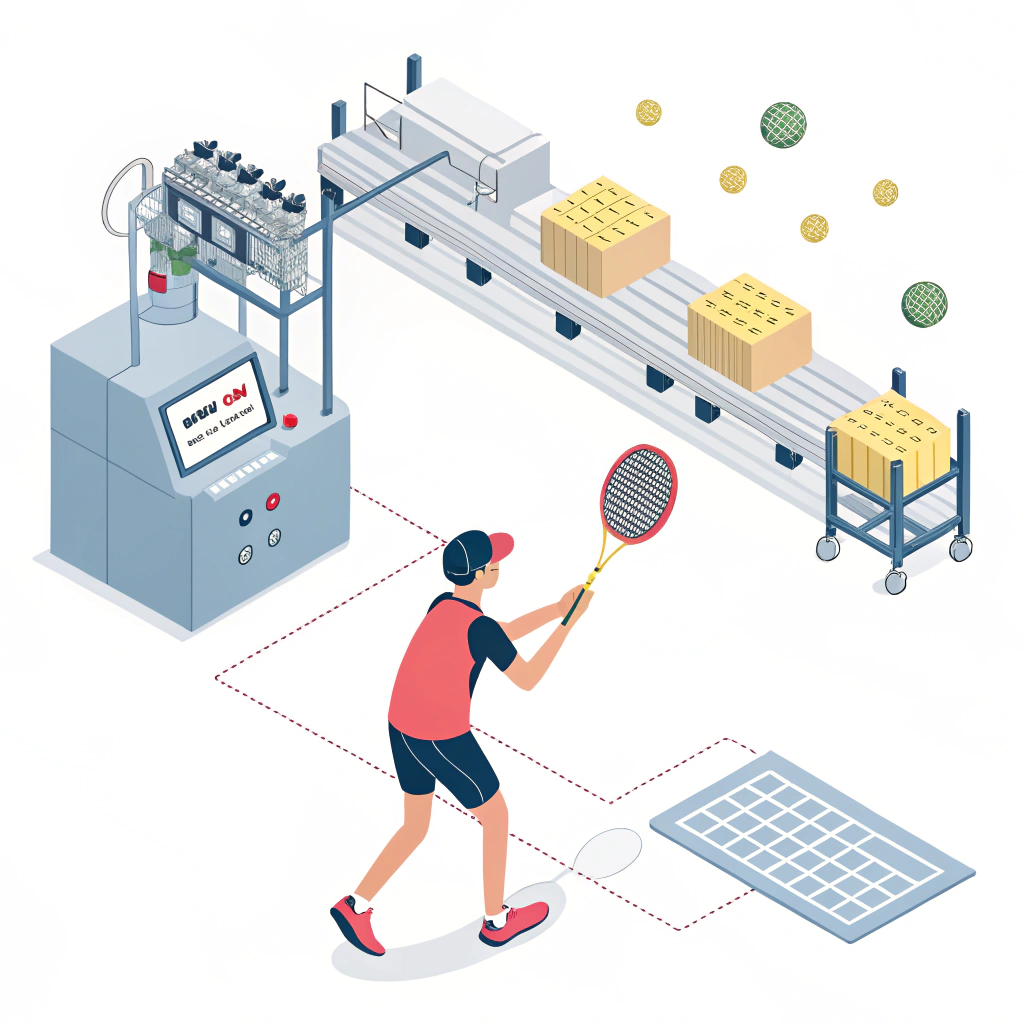
Consider a leading manufacturer like NEX Pickleball. Known for its high-performance pickleball paddles made from advanced materials like 12K Carbon Fiber and using precision techniques such as hot pressing4 and thermoforming5, NEX Pickleball has already set a high standard within the industry. However, to further enhance brand impact, the company integrated influential voices within the sports community.
Case Study Highlights:
• An OEM manufacturer collaborated with top pickleball ambassadors who showcased the paddle’s performance through live demonstrations and social media tutorials.
• The campaign leveraged behind-the-scenes footage of the production process, which built consumer trust by highlighting manufacturing precision and quality control.
• With the integration of performance metrics, the company was able to track campaign engagement and attribute a significant increase in both direct inquiries and online conversions to their new influencer strategy.
Such collaborations don’t just enhance market perception; they also provide a platform to share the unique selling points of your products, such as the durability of a Fiberglass paddle or the comfort of a Bamboo Core Composite paddle.
By using influencer marketing, manufacturers can also highlight the value of their customizations. For instance, offering on-demand printing services that personalize paddles for sports teams or individual players can be paired with influencer campaigns to show real-life examples of customization benefits.
Furthermore, influencer campaigns can be particularly effective in international markets. Highlighting aspects like product durability, innovation, and performance appeals to both experienced players and sports enthusiasts in emerging markets. This not only increases brand visibility but also builds international credibility, helping OEM partners extend their reach globally.
When designing your influencer marketing strategy, several best practices should guide your approach:
• Transparency: Ensure all influencer collaborations are transparent, keeping with industry guidelines and avoiding any misleading claims.
• Alignment: Choose influencers whose values align with your brand’s commitment to quality and innovation.
• Diversification: Use a mix of micro and macro influencers to reach different audience segments.
• Consistency: Maintain a steady narrative across all channels—digital and offline—to reinforce the product’s technological prowess and authentic brand story.
• Feedback Loop: Regularly gather and analyze campaign data, using customer feedback and performance metrics to continuously refine your strategy.
By following these guidelines, OEM brands can navigate the complexities of influencer marketing while staying true to their core manufacturing strengths.
Additionally, building a long-term partnership with influencers rather than one-off campaigns can yield better results. Long-term partnerships allow influencers to gain deep familiarity with your products and truly advocate for your brand in an authentic manner.

Integrating influencer marketing into an OEM strategy is a dynamic way to boost brand visibility and market impact for sports equipment manufacturers. By addressing the gap between high-performance production and market engagement, OEM companies can create a cohesive brand narrative that resonates with modern consumers. Data-driven insights, combined with authentic influencer partnerships, pave the way for significant market expansion.
For business development and marketing managers, the key takeaway is to view influencer marketing not merely as a promotional tactic but as a comprehensive strategy that enhances every aspect of the business—from product development and quality assurance to customer engagement and global expansion.
Embrace these strategies as a starting point to innovate your current approach. Experiment with different influencer partnerships, track performance meticulously, and be ready to iterate. With the right approach, your brand can enjoy both the technical credibility of superior manufacturing and the warm, engaging appeal of a well-told story.
People Also Ask
Q: What is influencer marketing for OEM brands?
A: Influencer marketing for OEM brands involves partnering with social media influencers to boost brand visibility and credibility while leveraging the company's manufacturing expertise to tell a compelling story.
Q: How can influencer marketing impact the sports equipment industry?
A: It can enhance product awareness, create authentic brand narratives, and drive market expansion by combining technical quality with relatable consumer engagement.
Q: Why is data-driven marketing important in influencer campaigns?
A: Data-driven marketing provides measurable insights into engagement and ROI, ensuring campaigns are optimized and aligned with overall business goals.
-
OEM: Reading this article helps you understand how Original Equipment Manufacturers integrate production expertise with modern marketing strategies to enhance brand visibility and market reach. ↩ ↩
-
T300 Carbon Fiber: This article offers insights into the benefits and characteristics of T300 Carbon Fiber used in high-performance sports equipment manufacturing, highlighting its durability and strength. ↩ ↩
-
Nomex Honeycomb Core: Learn about the advantages of using Nomex Honeycomb Core in manufacturing, including its lightweight nature and superior impact resistance for enhanced product performance. ↩ ↩
-
hot pressing: Discover how hot pressing techniques contribute to material strength and finish in sports equipment manufacturing, ensuring optimal performance and durability. ↩ ↩
-
thermoforming: Explore the process of thermoforming and its application in shaping materials for sports equipment, which enhances both design flexibility and product quality. ↩ ↩