Skip to content


In this article, we quickly answer the core question: How do production processes and material technologies elevate the performance and durability of pickleball paddles? By leveraging advanced techniques such as hot pressing1, cold pressing2, and thermoforming3—and by using premium materials like various grades of carbon fiber, fiberglass, and innovative composite materials4—manufacturers can create paddles that not only deliver high performance but also meet stringent quality standards. This detailed overview will help B2B procurement managers, distributors, and sports equipment category managers make well-informed purchasing decisions.
B2B decision-makers in the sports equipment industry face a critical challenge: selecting paddles that achieve the optimal balance between performance, durability, and customization. The question is not only “Which materials give the best results?” but also “How do our production methods affect the paddle’s performance?” A clear understanding of the materials used and the production processes applied can greatly influence the overall quality and consistency of the final product.
Manufacturers like NEX Pickleball focus on advanced production technology to ensure that every paddle meets exacting standards. By mastering key production techniques and using high-quality materials, these manufacturers create paddles that are fit for both competitive play and recreational use.
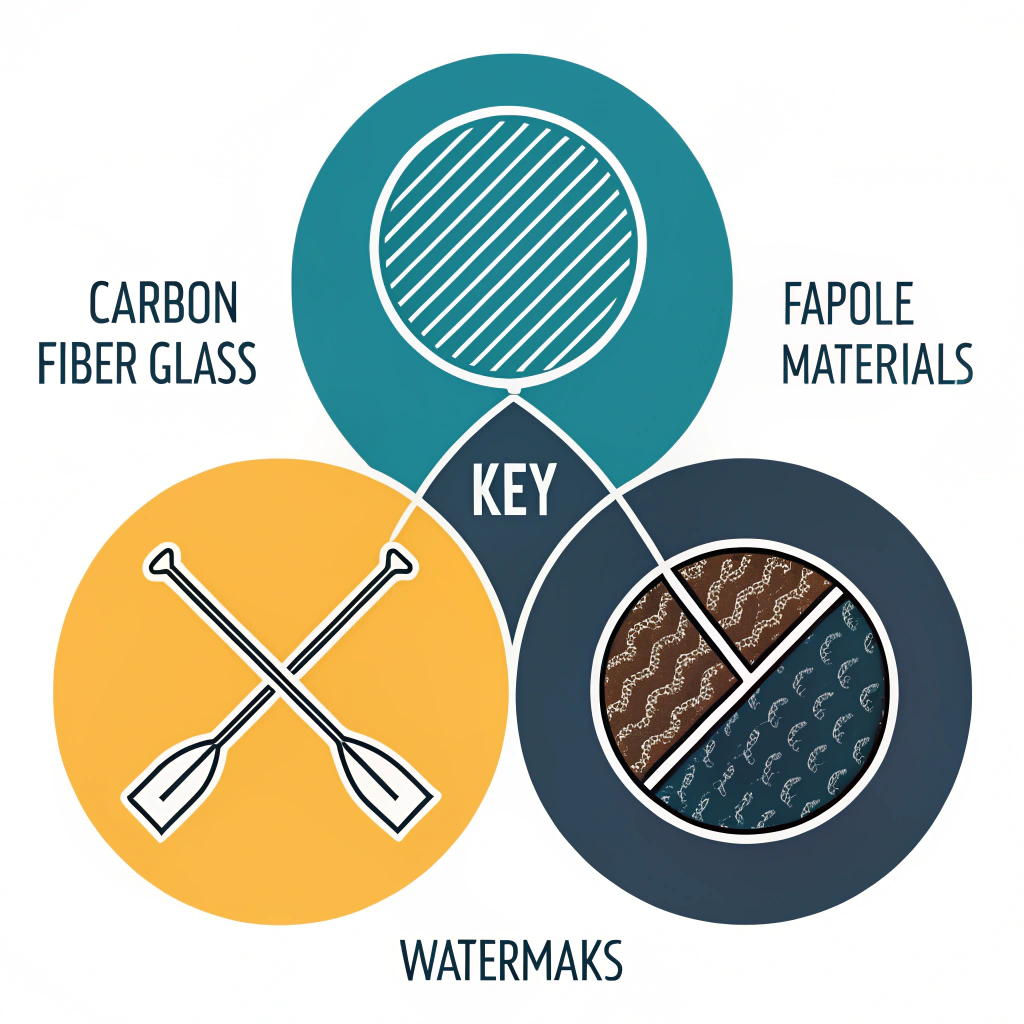
A successful pickleball paddle relies on the selection and combination of premium materials. Let’s break down the major materials used and their benefits:
Carbon fiber is a game-changer for high-performance paddles. Different types of carbon fiber allow producers to craft paddles with varying characteristics:
- 3K Carbon Fiber: Known for its strength and flexibility, this fiber is ideal for paddles that need high rebound force and minimal vibration. This makes it a popular option for players who value both power and durability.
- 12K Carbon Fiber: With a higher thread density and smoother surface, 12K offers superior hardness and impact resistance. It is perfect for competitive play where extreme performance is required.
- T300 Carbon Fiber: Balancing tensile strength with light weight, T300 is optimal for paddles requiring both power and accuracy.
These carbon fiber grades each contribute to differences in paddle responsiveness, strength, and feel, allowing businesses to choose the right balance for their target market.
Fiberglass offers a blend of power and control, creating paddles with a wider sweet spot. Specifically, E-Glass Fiberglass ensures elasticity and provides excellent ball control. Compared to carbon fiber, fiberglass paddles tend to be more flexible, making them attractive for players who need enhanced responsiveness with moderate power.
Composite materials enable manufacturers to optimize paddle performance by combining the strengths of various materials. Common composites include:
- Carbon Fiber and Fiberglass Composite: This combination offers a balance between strength, lightness, and flexibility. It provides both power and control, meeting the needs of players who want versatility.
- Bamboo Core Composite: Bamboo provides a lightweight and highly impact-resistant option, which results in a clear hitting feel and extended longevity.
- Honeycomb Core: Constructed from high-density polymers or pulp, honeycomb cores excel in shock absorption, reducing vibration while enhancing paddle stability.
The core material of a paddle is critical since it determines the hitting feel, weight balance, and vibration control. Typical cores include:
- Nomex Honeycomb Core5: Renowned for its durability and shock absorption capabilities, Nomex cores are designed for players looking for long-lasting stability.
- Aluminum Honeycomb Core: Aluminum cores strike a balance between power and control by offering a stable yet dynamic structure.
- Polymer Honeycomb Core: These cores are prized for their elasticity and vibration-dampening properties, making them ideal for recreational players seeking comfort during extended play.
The following table summarizes the benefits of key material choices:
| Material Type | Key Benefits | Ideal Use Case |
|---|---|---|
| 3K Carbon Fiber | Strength, Flexibility, High Rebound | High-performance, competitive paddles |
| 12K Carbon Fiber | Smoother Surface, Greater Hardness | Extreme strength and impact resistance |
| T300 Carbon Fiber | Outstanding Tensile Strength, Light Weight | Balanced performance for competitive play |
| E-Glass Fiberglass | Excellent Elasticity, Enhanced Ball Control | Recreational and intermediate-level play |
| Bamboo Core Composite | Impact Resistance, Clear Hitting Feel | Long-lasting, lightweight paddles |
| Honeycomb Core (Polymer/Aluminum) | Shock Absorption, Balanced Weight | Versatile applications across skill levels |
| Nomex Honeycomb Core | Superior Durability and Stability | Competitive and high-impact play |
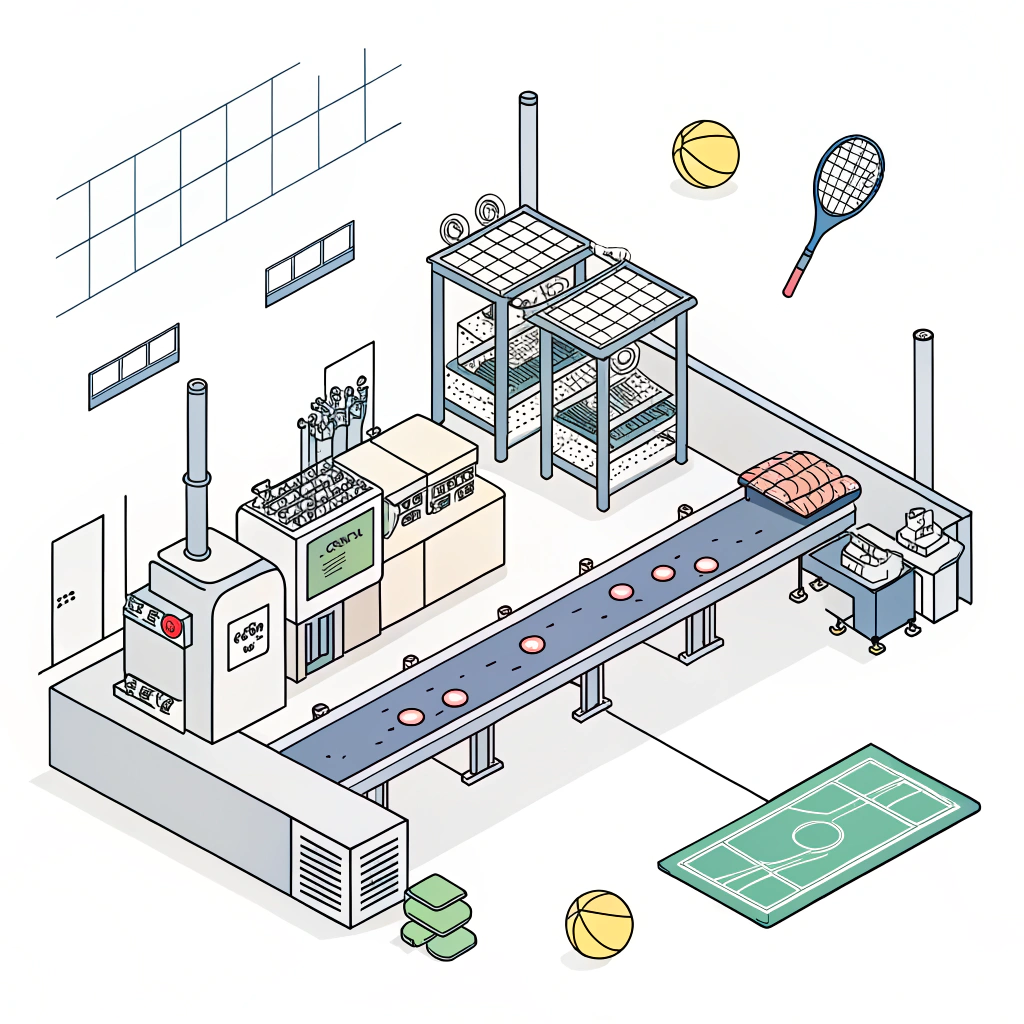
Understanding the production processes is as crucial as the materials themselves. NEX Pickleball’s commitment to quality involves three main production methods, each with its own strengths and challenges.
Hot pressing involves exposing materials to heat and applying pressure to bond them into a cohesive paddle structure.
Advantages:
- High production efficiency, making it ideal for large-scale manufacturing.
- Enhanced impact resistance due to the strong bonds formed during the process.
- Consistent structural integrity, ensuring that each paddle meets quality standards.
Disadvantages:
- Some material properties may change due to the high temperatures used.
- Significant investment in specialized equipment is required.
Cold pressing shapes paddle materials at room temperature using mechanical pressure. This method is best suited for designs where precision in thickness and structure is crucial.
Advantages:
- Greater precision over paddle thickness and material distribution.
- The original material properties are maintained, resulting in enhanced ball feel and flexibility.
- Excellent for customized designs that require a delicate balance of control.
Disadvantages:
- Longer production cycles compared to hot pressing.
- Requires high-quality equipment and precise pressure control, potentially increasing costs.
Thermoforming involves heating materials to a softening point and employing molds to form the final paddle shape. This method is ideal for creating paddles with complex geometries.
Advantages:
- Offers intricate design possibilities and highly accurate material distribution.
- Maintains paddle stability, contributing to consistent performance.
- Suited for premium or custom-made products where detailed design is crucial.
Disadvantages:
- Longer production times and higher equipment costs compared to other processes.
- Best applied for high-end paddles rather than mass-produced products.
The following table provides a quick comparison of the three production methods:
| Production Process | Advantages | Disadvantages | Suitable For |
|---|---|---|---|
| Hot Pressing | Fast production, strong impact resistance, high consistency | Alteration of material feel, high equipment cost | Large-scale, high-performance paddles |
| Cold Pressing | Precise control, maintains original material properties | Longer cycle time, requires precise pressure control | Custom designs, improved ball feel |
| Thermoforming | Intricate designs, accurate material distribution | Higher costs, slower production cycle | Premium/custom paddles, intricate designs |
For B2B procurement professionals, ensuring consistent quality is non-negotiable. NEX Pickleball employs rigorous testing protocols at every stage of paddle production. Each paddle undergoes detailed quality control checks which include:
- Material Inspection: Verifying the properties of carbon fiber, fiberglass, and composites before production.
- Process Monitoring: Continuous monitoring during hot pressing, cold pressing, or thermoforming to ensure adherence to production parameters.
- Final Testing: Rigorous performance testing to ensure optimal balance, durability, and responsiveness.
Customization is another major factor in today’s B2B trades. Clients often prefer paddles tailored to their specific needs. Options include adjustments in weight, core material, grip size, and even custom on-demand printing for branding purposes. This level of customization not only meets individual player requirements but also aids team branding and retail differentiation in the market.
The meat of making an informed B2B purchasing decision rests on data and proven performance records. Real-world examples demonstrate that paddles built with a combination of superior materials and advanced production processes yield significant benefits:
- Reduced Vibration: Polymer honeycomb cores and cold pressing techniques reduce vibration, which is critical for player comfort and control.
- Enhanced Durability: Hot pressing with Nomex honeycomb cores ensures the paddle can withstand high-impact play over extended periods.
- Superior Performance: The combination of high-grade carbon fibers has been shown to increase paddle rebound efficiency and overall responsiveness.
These performance indicators are not just theoretical. Market data consistently shows that paddles designed with these advanced methods have a competitive edge. For instance, paddles integrating T300 Carbon Fiber with a cold pressing process have reported lower return rates and higher customer satisfaction in competitive tournaments.

For procurement managers looking to partner with a reliable supplier and enhance their product portfolio, considering the following steps is crucial:
-
Evaluate Material Quality:
- Look into the specifics of available materials—3K vs. 12K vs. T300 carbon fibers—and determine which characteristics best serve your market segment.
-
Analyze Production Techniques:
- Understand the trade-offs between high-speed production and preservation of material properties. A balanced approach such as a combination of cold pressing and thermoforming can often yield the best results.
-
Demand Quality Assurance:
- Ensure that your supplier has rigorous quality control processes in place. Ask for performance testing data and real-world case studies demonstrating durability and stability.
-
Explore Customization Capabilities:
- Assess the supplier’s ability to offer custom designs and on-demand printing services to meet your brand’s unique identity and market requirements.
-
Consider Future Trends:
- Stay updated on emerging materials and techniques. As research evolves, newer composites and refined processes may offer even greater performance enhancements, making it crucial to select a supplier who is agile and innovative.
Understanding the interplay between materials and production processes is essential for optimizing pickleball paddle performance. The integration of advanced production techniques—hot pressing, cold pressing, and thermoforming—with high-quality materials like varying grades of carbon fiber, fiberglass, and composite cores establishes a robust foundation for crafting high-performance paddles.
For B2B buyers, leveraging this technical insight can pave the way for more informed purchasing decisions that support superior product performance and market competitiveness. By focusing on the balance between production efficiency and material integrity, companies like NEX Pickleball provide products that stand out in durability, performance, and customization—key factors in today's competitive sporting goods market.
Moving forward, procurement managers should consider partnering with suppliers who demonstrate transparent quality control processes, innovative production techniques, and a commitment to customization. This strategic approach not only enhances product performance but also builds long-term customer trust and market differentiation.
Q: What are the 5 basic rules of pickleball for beginners?
A: The basic rules for pickleball include avoiding volleying in the non-volley zone (known as "the kitchen"), ensuring one bounce occurs per side before volleys, serving from behind the baseline, avoiding serves that land in the non-volley zone, and playing the game to a standard score such as 11, 15, or 21 points.
Q: How do you know which pickleball paddle is right for you?
A: The choice of a pickleball paddle depends largely on grip size and weight preferences. A thin grip may suit players with smaller hands, offering a firmer feel, while a standard grip typically provides balanced comfort and control. Larger grips offer enhanced cushioning, making them ideal for players with bigger hands.
Q: Do pickleball paddles make a difference for beginners?
A: Yes, paddle selection can impact a beginner’s play. Paddles are generally classified by weight—light, midweight, and heavy—with midweight paddles for beginners offering a balanced mix of control and power. Lighter paddles enhance control, whereas heavier paddles boost power, ensuring the paddle chosen aligns with a beginner's comfort and skill level.
-
hot pressing: Click to read about this high-temperature production method that binds materials efficiently for durable, high-performance products. ↩ ↩
-
cold pressing: Click to understand this room-temperature technique that maintains material integrity while ensuring precise fabrication in custom designs. ↩ ↩
-
thermoforming: Click to explore how heating materials to a soft state and molding them can create complex, high-precision shapes in manufacturing. ↩ ↩
-
composite materials: Click to learn how combining different materials can enhance performance, balancing strength, flexibility, and weight for innovative applications. ↩ ↩
-
Nomex Honeycomb Core: Click to discover why this specialized core material is valued for its superior shock absorption and durability in high-impact products. ↩ ↩