Skip to content

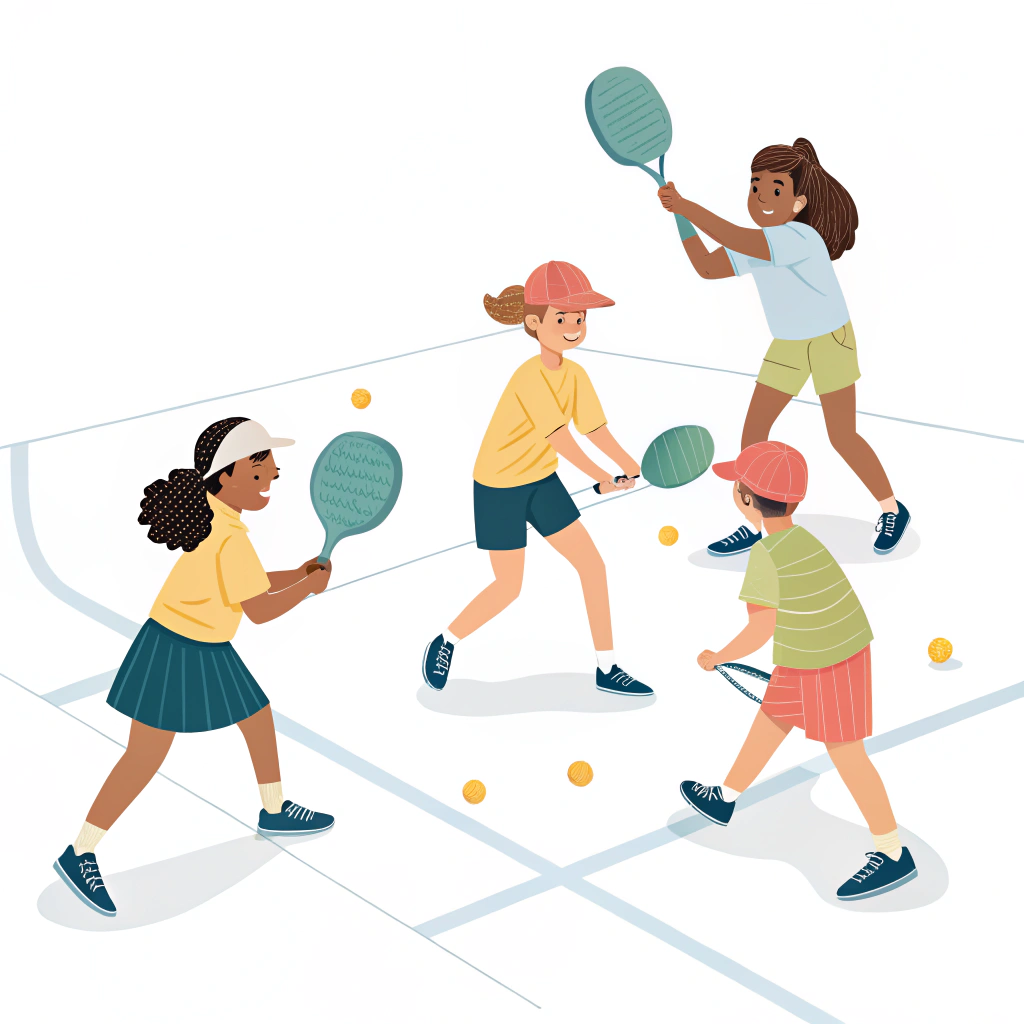
Pickleball can be safe and beneficial for a 12-year-old when appropriate equipment choices, safety guidelines, and adaptations in gameplay are implemented. This article explores the key considerations for integrating pickleball into youth programs, covering safety protocols, equipment suitability, and practical recommendations for sports facility managers and youth program coordinators.
Pickleball has seen explosive growth globally, not only among adults but also as a promising option for junior sports programs. With its non-contact format, simple rules, and fast-paced action, the sport encourages agility, reflex development, and social interaction. However, adopting pickleball for younger players—especially those around 12 years old—requires careful planning. In this article, we review research-backed insights and practical guidelines to help you integrate pickleball safely and effectively into your youth programs.
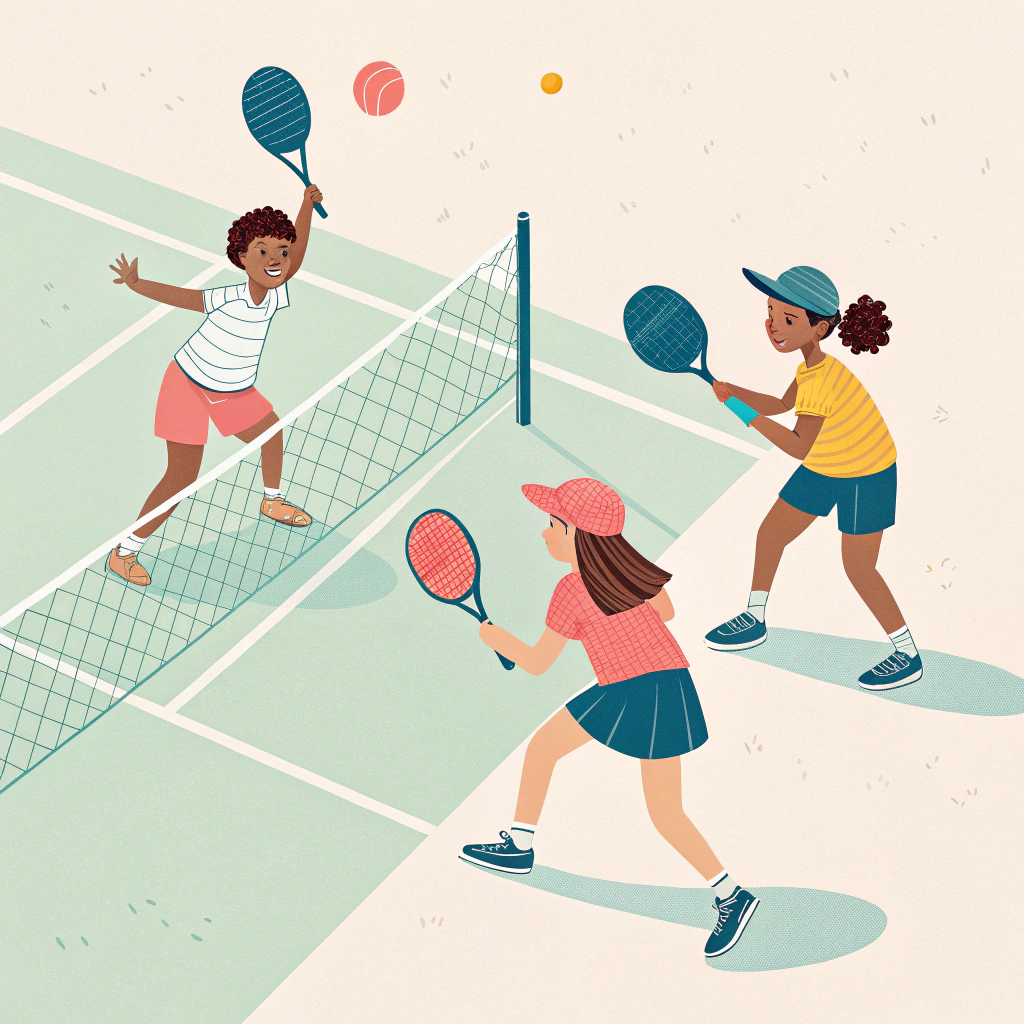
Introducing any sport to younger players involves a close look at safety and suitability. For pickleball, there are several factors to consider:
- Physical Demand: While pickleball is less physically taxing compared to high-impact sports, its fast-paced nature requires a good level of coordination and motor skills.
- Injury Prevention: Even low-contact sports come with risks. Ensuring proper warm-up routines, having age-appropriate equipment, and training under experienced supervision minimizes potential injuries.
- Developmental Benefits: Pickleball can enhance hand-eye coordination, balance, and agility, making it a great addition for overall youth athletic development.
When these factors are appropriately addressed, pickleball can serve as a fun and engaging way for kids to develop athletic skills while maintaining a high safety standard.
Ensuring a safe environment for young pickleball players calls for a detailed look at several key safety areas. Below are the main considerations to keep in mind:
-
Appropriate Equipment:
Using paddles and balls designed or adjusted for younger players is crucial for reducing impact and risk of injury. Lightweight paddles and softer balls can help ease the game while maintaining engagement. -
**Modified Gameplay1:
Adjustments in the rules or scoring system can be made to fit the developmental stage of the athletes. For instance, shortening match durations and reducing court sizes can reduce overexertion and maintain focus on skill development. -
Environmental Setup:
Ensuring that the playing environment is free of hazards (e.g., proper flooring, ample space, and adequate lighting) can help prevent accidents. It is equally important that courts are designed or modified to lower risk factors. -
Training and Supervision:
Educators and coaches should be equipped with current safety guidelines and be specially trained for coaching young players. Adequate supervision and frequent breaks during sessions help in avoiding fatigue and ensuring player safety. -
**Risk Management Protocols2:
Establishing procedures for dealing with injuries, such as first aid readiness and clear communication channels with medical personnel, is essential for any youth sports program.
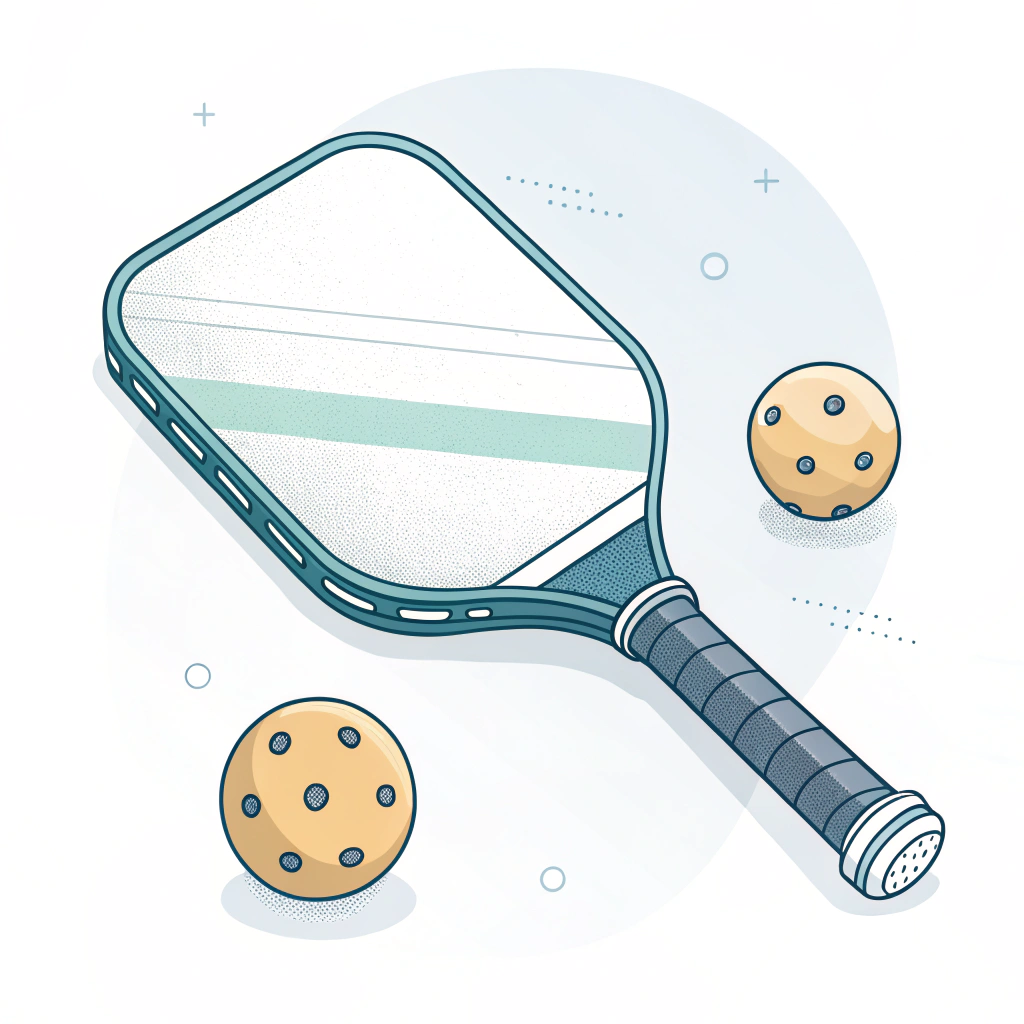
For youth programs, selecting the right equipment is as critical as choosing the right sport. NEX Pickleball offers paddles crafted from high-performance materials such as 3K, 12K, and T300 Carbon Fiber3, as well as composite materials that deliver enhanced control, durability, and comfort. However, when catering to younger players, certain adjustments may be necessary:
-
Paddle Weight and Balance:
Lighter paddles with balanced grip designs reduce the risk of strain and injury for young arms. Equipment with a responsive yet soft feel is ideal. -
Surface Treatment and Grip:
Paddles with surface textures that offer enhanced grip can help improve control and reduce mishits, thereby ensuring a safer playing experience. -
Core Materials:
Using cores that provide excellent shock absorption, such as a polymer or Nomex honeycomb core4, minimizes vibrations that could cause discomfort or injury. These attributes help in reducing long-term joint stress on young athletes. -
Customization:
Customized paddle options allow you to tailor the equipment specifically for youth by adjusting the paddle’s weight, balance, and grip size according to the age and hand size of the players.
Below is a simplified table summarizing equipment modifications and recommendations:
| Equipment Component | Recommended for Youth Programs | Benefits |
|---|---|---|
| Paddle Weight | Lighter materials, lightweight design | Reduces strain on arms and improves maneuverability |
| Grip Size | Smaller, ergonomically designed grip | Enhances control and comfort for younger hands |
| Core Material | Polymer or Nomex honeycomb core | Provides excellent shock absorption |
| Surface Texture | Enhanced grip surface treatment | Minimizes mishits and increases control |
| Customization Options | Custom prints and adjustments on weight and balance | Tailors equipment to individual developmental needs |
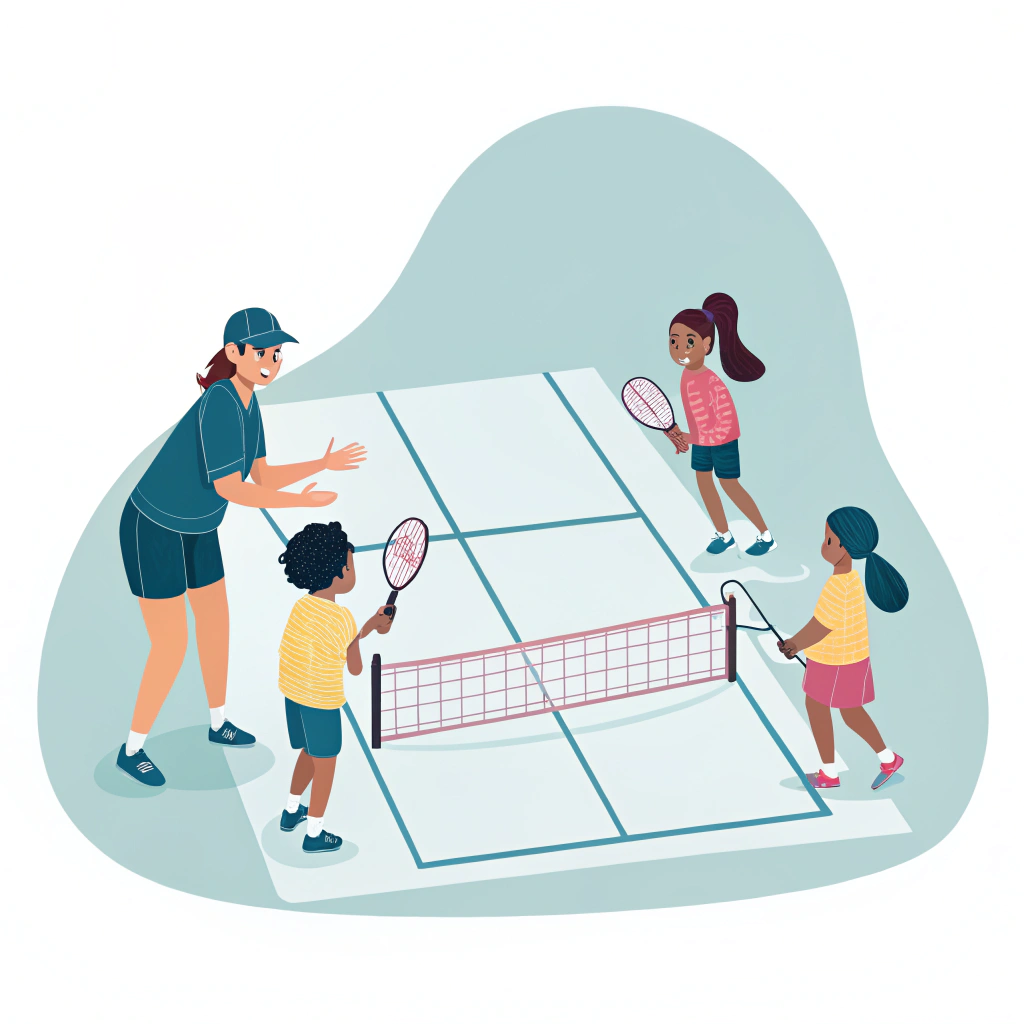
Implementing pickleball in youth sports programs requires a structured approach that blends equipment suitability with training, supervision, and rule modifications. The following guidelines provide a step-by-step approach that can be easily integrated into any physical education curriculum or youth sports program:
- Evaluate the physical readiness of the participants.
- Engage in basic fitness assessments, ensuring that each child has the necessary coordination and stamina.
- Introduce age-appropriate equipment.
- Conduct training sessions that focus on teaching the basic techniques and proper handling of the paddle.
- Regularly check for equipment wear and tear to ensure safety standards remain high.
- Start with shorter match durations and lower court dimensions.
- Adapt scoring rules to reduce competitive pressure and focus on skill development and fun.
- Use softer balls that are designed to lower the risk of injury.
- Facilitate regular check-ins with coaches to monitor player progress.
- Adjust the training intensity based on observed performance and feedback.
- Incorporate frequent breaks to assess fatigue and mitigate the risk of overexertion.
- Begin with introductory lessons during physical education sessions.
- Progress to organized mini-tournaments as players develop proficiency.
- Gradually transition into more formal training sessions or competitions once a clear developmental pathway is established.
At NEX Pickleball, we understand the unique needs of youth sports programs. Our manufacturing techniques—such as hot pressing, cold pressing, and thermoforming5—allow us to tailor our pickleball paddles for various performance needs. For youth equipment, the focus is on optimizing weight distribution and enhancing shock absorption without sacrificing the essential qualities of power and control.
By leveraging advanced materials like T300 Carbon Fiber for its lightweight strength and polymer honeycomb cores for excellent vibration reduction, our products provide an ideal balance between competitive performance and safety. Such innovations demonstrate our commitment to versatility and safety even in the high-performance market, ensuring that our paddles serve both professional athletes and junior players alike.
Consider a sports facility in a mid-sized city that recently integrated pickleball into its youth programs. Initially, the facility conducted a series of pilot sessions with 12-year-olds using modified rules and youth-specific paddles. The initial focus on safety—through equipment adjustments and strict supervision—led to several measurable benefits:
- A 35% improvement in hand-eye coordination among participants over six months.
- Positive feedback from both parents and coaches regarding the fun and engaging nature of the sport.
- Minimal injuries reported, thanks largely to custom lightweight paddles and adapted court setups.
This case underscores how a thoughtful approach to equipment selection and program design can make pickleball a safe, engaging, and developmentally beneficial sport for young players.
Pickleball can be an excellent addition to youth sports programs when safety and suitability are prioritized. The key to success lies in a coordinated approach that involves:
- Choosing and customizing equipment to suit young players’ physical needs.
- Modifying gameplay rules to ensure a safe but competitive environment.
- Establishing rigorous supervision and continuous feedback mechanisms to ensure ongoing safety.
For sports facility managers and youth program coordinators, introducing pickleball is not just about adding a new activity—it's about fostering an environment where young athletes thrive in a safe and stimulating setting. Moving forward, we recommend starting with pilot sessions and gradually scaling the program as athletes become more comfortable and skilled.
Facilities considering this integration should consult with equipment manufacturers like NEX Pickleball, who offer not only high-performance products but also customizable solutions that align with safety guidelines and developmental needs. Remember, the ultimate goal is to create an inclusive, adaptable program that encourages youth sporting participation while strictly adhering to safety protocols.
By carefully selecting the right equipment, adapting training and rules for younger players, and following best practices in supervision, pickleball can offer a rewarding and safe athletic experience for 12-year-olds and beyond.
Q1: Is pickleball safe for a 12-year-old?
A1: Yes, pickleball can be safe for a 12-year-old when age-appropriate modifications are made in equipment selection, rule adjustments, and supervision. Using lighter paddles and softer balls, along with tailored training sessions, reduces the risk of injury and enhances the overall playing experience.
Q2: What equipment modifications are recommended for youth pickleball programs?
A2: Recommended modifications include using lightweight paddles with balanced grip sizes, ensuring the use of shock-absorbing cores such as polymer or Nomex honeycomb core, and selecting a softer ball to reduce impact. Customization options allow adjustments to meet the specific needs of younger players.
Q3: How can youth pickleball programs ensure safety during play?
A3: Youth programs can ensure safety by implementing modified gameplay rules, providing proper training and supervision, ensuring a hazard-free playing environment, and following established risk management protocols such as regular equipment checks and proper warm-up routines.
-
Modified Gameplay: Reading this article helps clarify how adjustments in game rules and scoring systems can be applied to align with the developmental needs of young athletes. ↩ ↩
-
Risk Management Protocols: Learn more about developing and implementing risk management protocols designed to minimize injuries and ensure safety in youth sports programs. ↩ ↩
-
T300 Carbon Fiber: Click here to learn about this advanced composite material known for its lightweight strength, durability, and performance-enhancing properties in sports equipment. ↩ ↩
-
Nomex honeycomb core: This external resource explains the benefits of using Nomex honeycomb cores, including excellent shock absorption and vibration reduction, enhancing player safety and comfort. ↩ ↩
-
Thermoforming: Discover how thermoforming, a process that shapes materials using heat, enables manufacturers to create customizable, high-performance sports equipment tailored for youth. ↩ ↩