Skip to content

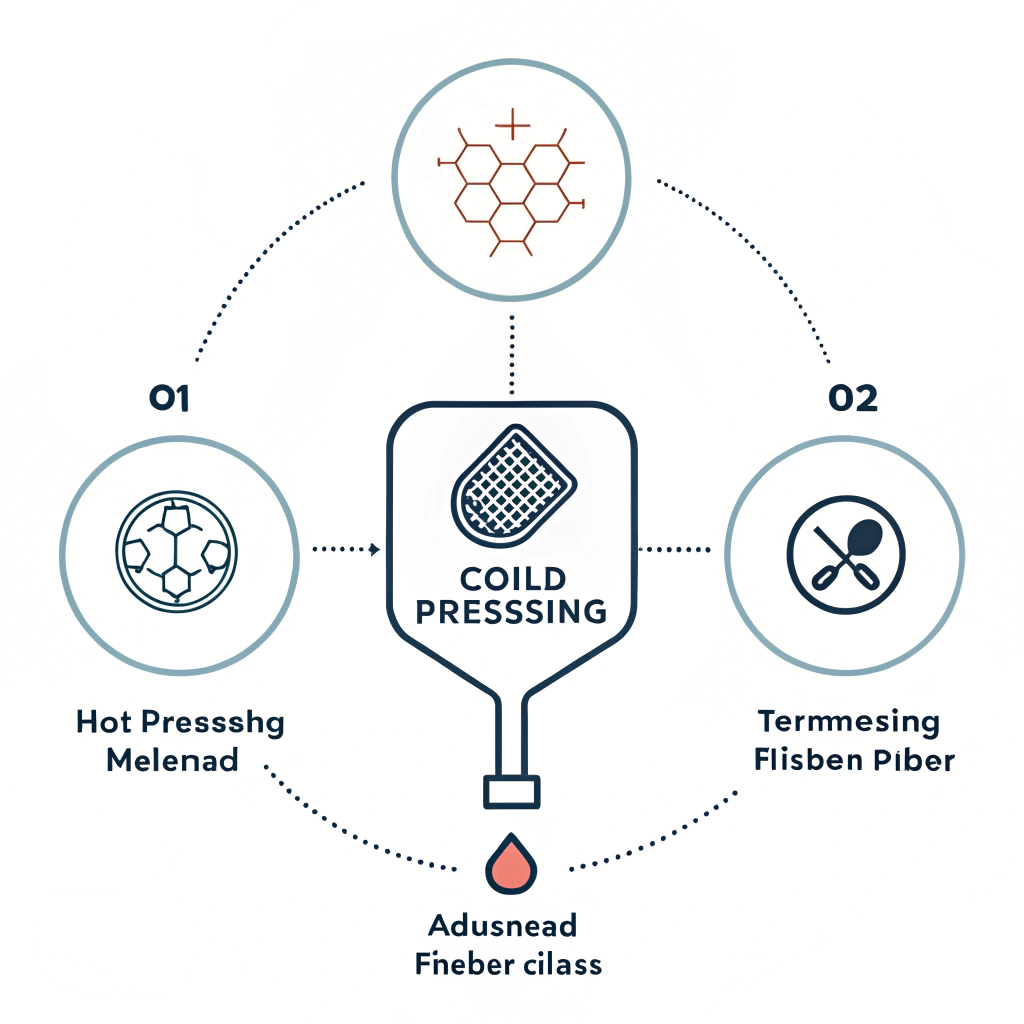
Quick Answer: NEX Pickleball offers a reliable, high-performance solution for private label pickleball paddles by combining advanced materials and production processes—hot pressing, cold pressing, and thermoforming1—with excellent customization options and rigorous quality control, making it an ideal partner for procurement managers seeking scalable and innovative sports equipment manufacturing.
In today’s dynamic sports retail market, procurement managers and sports equipment distributors are pressed to select manufacturing partners that deliver not only high-quality products but also flexibility and innovation. Choosing the right partner for private label manufacturing2 means evaluating material quality, production processes, customization capabilities, and scalability. In this article, we compare the different production methods and materials available, providing data-driven insights and real-world examples to help you decide whether partnering with NEX Pickleball can elevate your product portfolio.
When sourcing pickleball paddles for a retail chain or specialty sports store, there are several essential factors to consider:
- Quality & Performance: High-performance paddles need advanced materials such as carbon fiber and fiberglass that ensure strength, flexibility, and excellent ball control.
- Manufacturing Processes: The choice between hot pressing, cold pressing, and thermoforming impacts efficiency, structural integrity, and final product feel.
- Customization & Scalability: Private label manufacturing demands the ability to deliver tailor-made paddles with options like custom grip sizes, on-demand printing, and material combinations.
- Cost-Effectiveness: High production capacity should be balanced with reasonable lead times and competitive pricing.
- Reliability & Quality Control: Rigorous QC processes ensure that each paddle meets performance standards, a critical requirement for competitive sports equipment.
By focusing on these considerations, you can narrow down the manufacturing partners that meet both your technical and business requirements.
One of the key decision points in choosing a manufacturer is the production process. NEX Pickleball leverages three main techniques, each with distinct advantages and trade-offs. Below is a table comparing these processes:
| Process | Advantages | Disadvantages |
|---|---|---|
| Hot Pressing | - High production efficiency - Produces strong, impact-resistant paddles - Ensures structural integrity | - May alter some material properties - High equipment investment |
| Cold Pressing | - Provides precise control over paddle thickness and structure - Maintains material properties for enhanced control and flexibility - Excellent ball feel | - Longer production cycles - Requires precise pressure equipment |
| Thermoforming | - Supports intricate designs and precise material distribution - Maintains paddle stability and optimized performance - Ideal for premium, custom paddles | - Longer production time - Higher equipment costs |
This side-by-side comparison illustrates that while each process has its benefits, the choice will depend on the specific requirements of your product line. For instance, if speed and high-volume production are a priority, hot pressing may be favorable. However, for projects requiring delicate craftsmanship and a premium finish, cold pressing or thermoforming might be the better options.
NEX Pickleball uses a combination of carbon fiber3, fiberglass4, and composite materials5 to create paddles that offer a unique balance of power, control, and durability.
- 3K Carbon Fiber: Known for its strength and flexibility, making it excellent for producing paddles that generate a high rebound force while reducing vibration.
- 12K Carbon Fiber: Provides a smoother surface and higher hardness, ideal for players requiring both extreme strength and impact resistance.
- T300 Carbon Fiber: Delivers superior tensile strength, balancing lightweight design with robust performance.
These options allow procurement managers to choose the right material based on the intended player level and performance needs.
- Fiberglass (E-Glass): Offers a flexible paddle with a larger sweet spot, providing enhanced ball control. This material is particularly useful for players looking for a balance between power and finesse.
- Composite Materials: By combining carbon fiber with fiberglass or integrating bamboo or honeycomb cores, manufacturers are able to tailor paddles that maximize both power and precision. For example, Bamboo Core Composite delivers a lightweight, impact-resistant paddle that provides an exceptional hitting feel, while Honeycomb Core designs reduce vibration and improve durability.

Customization is key in the private label manufacturing space. NEX Pickleball not only supports various production processes and material combinations but also offers tailored solutions such as:
- Custom paddle designs with specified weight distribution, ergonomic grips, and surface textures.
- Multiple grip sizes to cater to diverse player hand sizes, ensuring comfort and precision.
- On-demand print services that allow for personalized branding, enabling retailers to differentiate their product offerings and strengthen brand identity.
The ability to produce custom designs without compromising on quality is a significant competitive advantage. For businesses seeking both efficiency and innovation, partnering with a manufacturer that supports such a high degree of customization is essential.
Consider a regional sports retailer looking to expand its private label offering. The procurement manager needed a supplier who could deliver both high-performance paddles for competitive players and more forgiving options for recreational markets. By partnering with NEX Pickleball, they were able to offer a diversified range of products:
- Competitive Line: Utilizing 12K and T300 carbon fiber paddles combined with Nomex Honeycomb cores to ensure durability, reduced vibration, and optimal impact resistance.
- Recreational Line: Featuring fiberglass paddles with polymer honeycomb cores for enhanced comfort and control, making them easier for beginners to use.
This dual approach enabled the retailer to capture a larger market share by meeting the distinct needs of different customer segments. Data from post-launch performance indicated increased customer satisfaction and higher repeat purchase rates, validating the importance of material and process selection in product differentiation.
For B2B procurement managers, scalability and reliable delivery schedules are as vital as material quality. NEX Pickleball’s robust production capabilities are backed by:
- Efficient Manufacturing Systems: High production efficiencies with hot pressing allow for large-scale manufacturing, while cold pressing and thermoforming enable more customized, premium orders.
- Strict Quality Control: Every paddle undergoes rigorous testing to ensure consistency in strength, flexibility, and performance. This quality assurance is critical for maintaining brand reputation in competitive sporting markets.
- On-Demand Service: With flexible production runs and prompt delivery schedules, you can adjust order quantities and designs based on market demands, reducing inventory risks.
A well-structured supply chain, combined with modern production technologies, ensures that large volume orders can be handled without compromising on customization or quality. This meeting of efficiency with bespoke production underscores NEX Pickleball’s commitment to being a dependable partner for sports equipment distributors and retailers.

Selecting a manufacturing partner for private label pickleball paddles is a multi-faceted decision that requires careful evaluation of production techniques, material quality, customization options, and overall reliability. Here are the key takeaways:
- Production Processes Matter: Understanding the differences between hot pressing, cold pressing, and thermoforming can help align product requirements with production capabilities.
- Material Choices Drive Performance: Choosing the right material—be it various forms of carbon fiber, fiberglass, or composite cores—ensures that paddles meet the specified performance standards for different player levels.
- Customization and Scalability Provide Competitive Edge: A partner capable of detailed customization and flexible production scheduling will enable you to respond dynamically to market trends.
- Quality and Reliability Are Paramount: Rigorous quality control and a robust production process guarantee consistent product performance and customer satisfaction.
For procurement managers in the sports equipment industry, partnering with a manufacturer like NEX Pickleball can provide the edge needed to differentiate your product offerings in a crowded marketplace. Evaluate your business needs, consider the production trade-offs, and reach out for a detailed consultation to see how our advanced manufacturing capabilities can drive your retail success.
Which pickleball paddles are manufactured in the USA?
Pickleball paddles made in the USA include models like the Gamma 405 Graphite Pickleball Paddle from Pennsylvania, the PROLITE Stealth GS2 Carbon Fiber Pickleball Paddle from Wisconsin, and Paddletek Bantam Carbon Fiber Pickleball Paddles from Michigan.
How many pickleball paddle factories are there?
As of recent market analyses, the number of pickleball paddle manufacturers has seen substantial growth. In 2020, there were around 50 manufacturers producing approximately 2 million paddles annually. By 2024, the market expanded significantly, with reports indicating close to 897 manufacturers, reflecting a vibrant and rapidly evolving market.
Which pickleball paddles are made in China?
In China, leading manufacturers produce high-performance pickleball paddles using advanced production techniques and premium materials. Notably, companies such as DinkPickleball and NEX Pickleball have built strong reputations for delivering paddles that excel in performance and durability, trusted by players around the world.
-
thermoforming: Click here to understand thermoforming processes that enable intricate design and material distribution, enhancing product performance through precise manufacturing techniques. ↩ ↩
-
private label manufacturing: Click here to explore insights on how private label manufacturing streamlines product branding and supply chain management, offering a strategic advantage in competitive retail markets. ↩ ↩
-
carbon fiber: Click here to learn about carbon fiber, its properties, and how its strength and flexibility contribute to manufacturing high-performance sports equipment. ↩ ↩
-
fiberglass: Click here to explore the benefits of fiberglass in sports equipment manufacturing, focusing on its role in providing flexibility and improved control in paddle design. ↩ ↩
-
composite materials: Click here to delve into composite materials, their formulation, and how combining various elements, like carbon fiber and fiberglass, can optimize product durability and performance. ↩ ↩