Skip to content

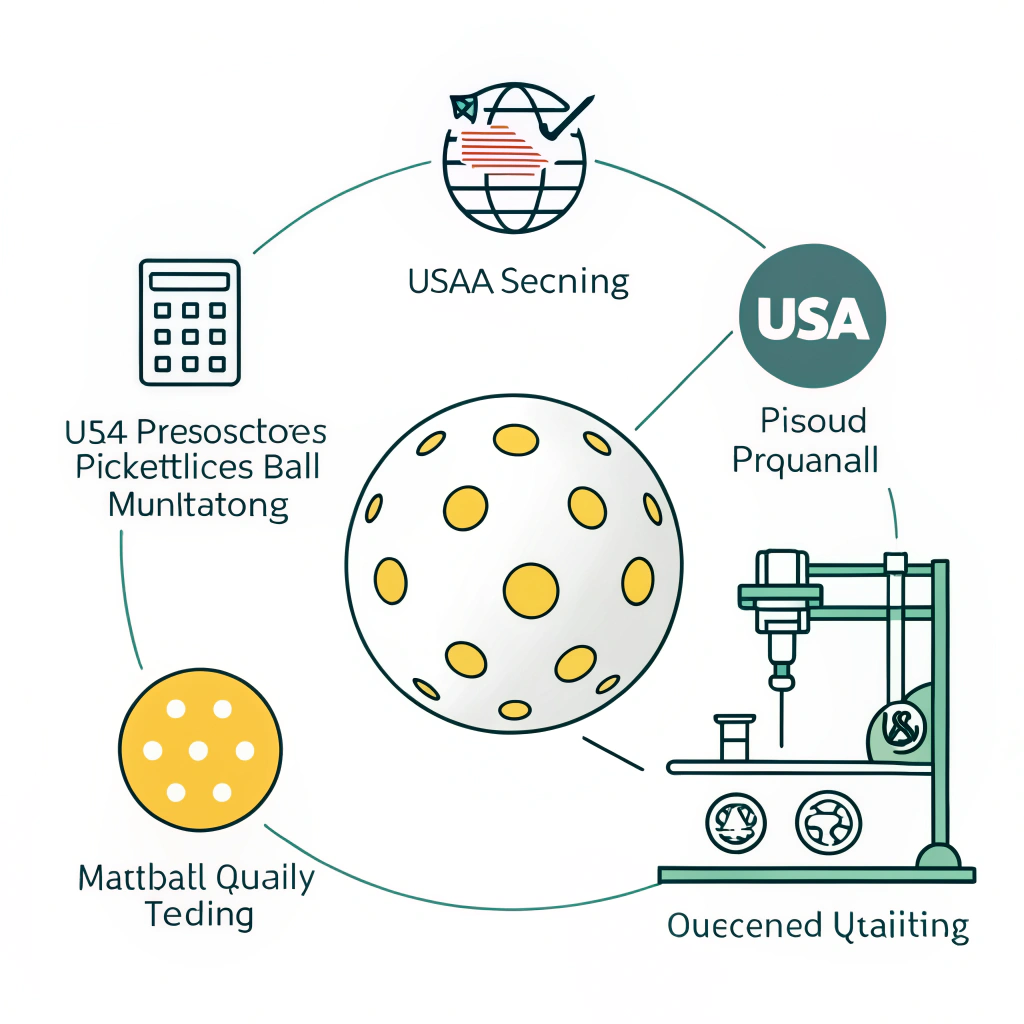
Custom pickleball balls that meet USAPA1 standards are manufactured using precise production techniques and rigorous quality assurance2 to ensure that every ball meets strict performance, size, and material criteria for official play. This article explores the challenges of sourcing custom pickleball balls, explains the production process and quality testing methods, and provides practical guidelines to help procurement managers and product development leads make informed sourcing decisions.
For sports equipment distributors and retail chains, assuring that custom pickleball balls comply with USAPA (USA Pickleball Association) standards is essential. USAPA approval ensures that the balls feature the correct diameter, weight, bounce, and durability characteristics needed for professional tournament play. However, meeting these standards can be challenging due to several factors:
- Precision Manufacturing: Consistent ball diameter (between 2.874 and 2.972 inches) and weight control require advanced injection molding3 and curing processes.
- Material Quality: The choice of materials—be it high-grade synthetic elastomers or composite polymers—determines the impact resistance and bounce consistency.
- Regulatory Compliance4: The product must pass compliance tests mandated by USAPA before it is accepted for tournament use.
- Customization Requirements: Customization options, such as color, logo imprints, and specific performance adjustments, add layers of complexity to the production process.
These challenges necessitate partnering with manufacturers who have a proven track record in quality assurance and regulatory adherence.
Manufacturing custom pickleball balls starts with selecting materials that provide the necessary performance attributes. High-grade polymers—similar to those used in premium sports equipment—are common choices. These materials are engineered to deliver excellent elasticity, minimal deformation under repeated impacts, and sustained performance over time.
The manufacturing process typically involves the following steps:
- Raw Material Inspection: All received raw materials are tested for consistency and quality before production begins.
- Precise Molding: Advanced injection molding3 techniques are used to shape the balls with exact dimensions. The molds are regularly calibrated to ensure diameter uniformity.
- Curing Process5: Post-molding, the balls undergo a curing process where heat and controlled pressure are applied. This step ensures that the polymer materials are fully set, yielding consistent rebound properties.
- Surface Treatment: After curing, a surface treatment may be applied. This not only enhances the durability of the ball but also improves its grip and aerodynamics during play.
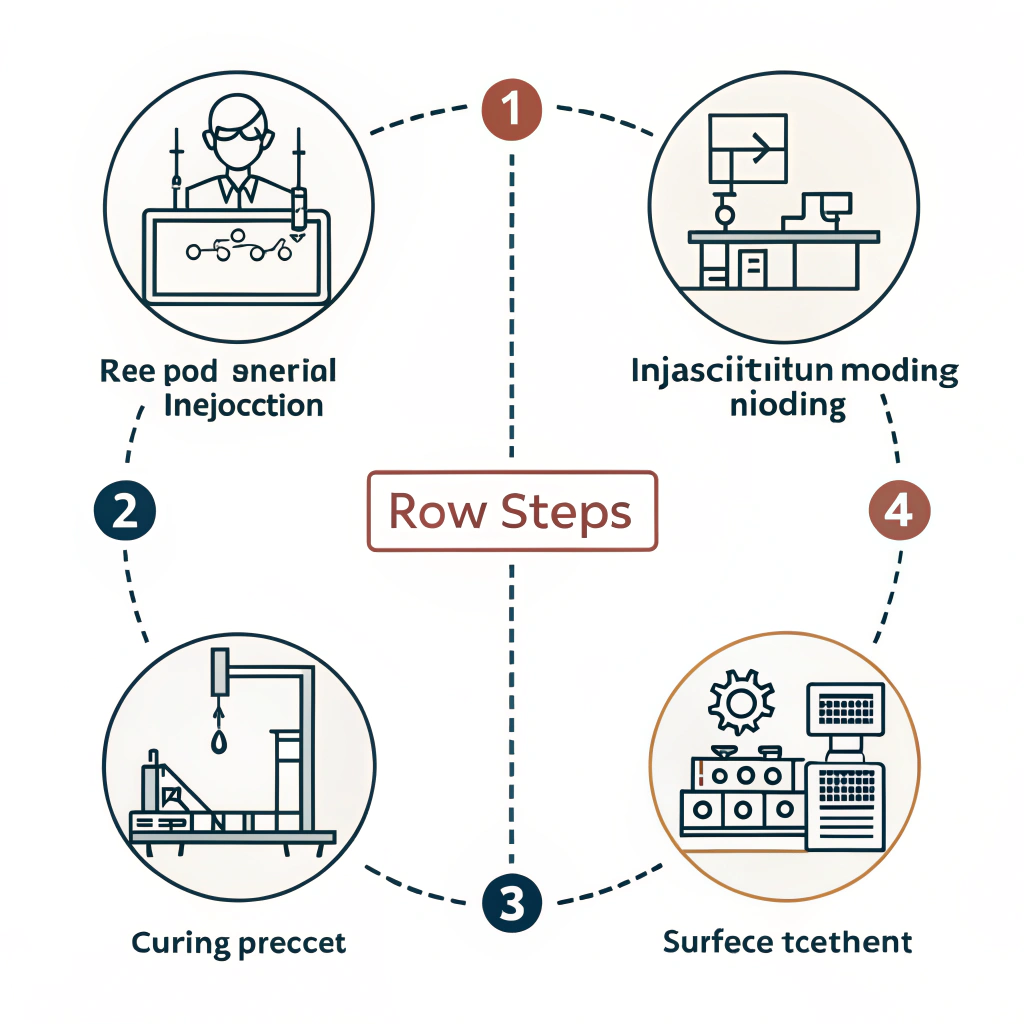
A simplified table of the production process is outlined below:
| Production Stage | Process Details | Key Benefits |
|---|---|---|
| Raw Material Inspection | Quality testing of polymers and elastomers | Ensures consistency and durability |
| Injection Molding | Use of high-precision molds for shaping | Achieves exact diameter and shape |
| Curing Process | Application of heat and controlled pressure | Solidifies material, ensuring rebound |
| Surface Treatment | Coating and texturing for enhanced durability and grip | Improves performance and longevity |
This structured process demonstrates the importance of each step in meeting USAPA standards. Even slight deviations in any stage can compromise the ball’s performance.
To achieve USAPA approval, every custom pickleball ball must adhere to detailed specifications. These include not only the physical dimensions but also functional performance metrics:
- Diameter and Circumference: As specified by USAPA, the diameter must fall within the 2.874 to 2.972 inches range, ensuring regulated plays.
- Material Composition: The choice of polymer and elastomer blends must offer a balance of bounce, durability, and minimal deformation.
- Weight Standards: Exact weight measurements are crucial for the ball's flight and feel during the game. Even small discrepancies can affect tournament performance.
- Bounce and Rebound: Consistent rebound performance is required to ensure that the ball behaves predictably, allowing players to anticipate play.
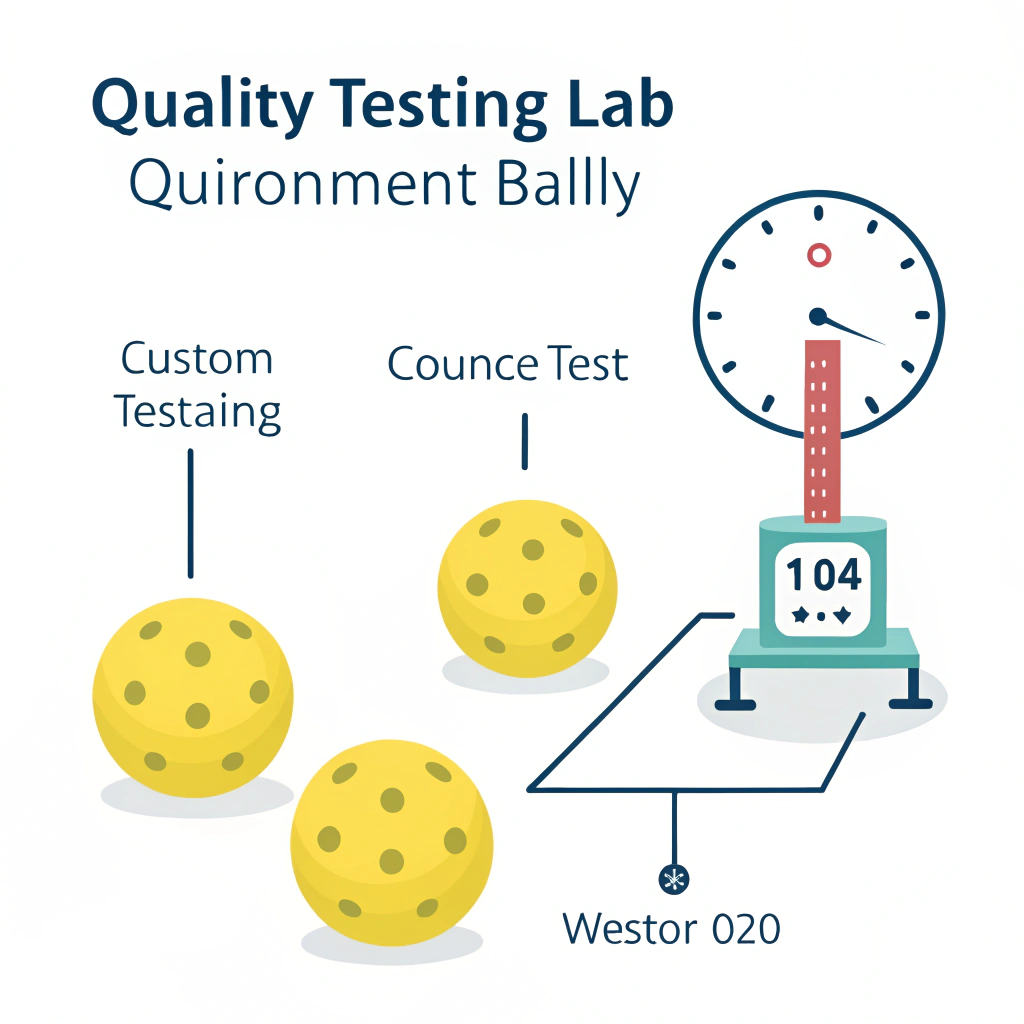
Quality assurance measures include comprehensive testing protocols. Each batch of custom balls undergoes performance tests in controlled environments:
- Dimensional Inspection: Automated measuring instruments verify that each ball meets USAPA diameter standards.
- Rebound Testing: Bounce tests simulate real game conditions to confirm that rebound performance adheres to regulatory requirements.
- Durability Testing: Repetitive impact tests assess the longevity and structural integrity of the ball under various playing conditions.
Manufacturers that have successfully integrated these testing stages into their production process provide higher confidence to B2B buyers, ensuring that the custom pickleball balls are truly tournament-ready.
When selecting a supplier for custom pickleball balls, procurement managers should pay close attention to several factors that indicate strong quality control and regulatory compliance:
- Production Capabilities: Verify that the supplier uses advanced injection molding and curing processes with regular calibration of molds.
- Material Assurance: Ensure that high-grade materials are used. Documentation should be available to prove that these materials meet high-performance standards.
- Testing and Certification: Ask for detailed records of compliance testing, including dimensional, bounce, and durability tests. Suppliers should have certifications or approvals from recognized organizations like USAPA.
- Customization Options: Evaluate the supplier’s flexibility in offering custom design options while maintaining performance and regulatory compliance.
- Production Scalability: Consider whether the supplier can scale production to meet demand without compromising quality. This is critical for ongoing partnerships and large-volume orders.
A summary table to evaluate supplier capabilities might look like this:
| Evaluation Criteria | Key Questions | What to Look For |
|---|---|---|
| Production Capabilities | Are the latest molding and curing techniques used? | Advanced, calibrated machinery |
| Material Assurance | Are premium, high-grade materials used? | Documentation of material tests |
| Testing & Certification | Is there evidence of USAPA or equivalent compliance? | Certification and test reports |
| Customization Options | Can the supplier meet specific design requirements without quality loss? | Flexible design and custom options |
| Scalability | Can the supplier scale production for large orders? | High production efficiency and quality control protocols |
By using this framework, procurement managers can make better-informed decisions that align with quality, reliability, and performance standards.
Before finalizing a long-term contract, consider placing a pilot order. This enables you to assess the supplier’s processes firsthand. During the pilot order:
- Request Samples: Ensure that samples of the custom pickleball balls meet USAPA specifications.
- Evaluate Performance: Test the samples under game-like conditions to verify their durability, bounce, and overall performance.
- Gather Feedback: Involve players and quality control teams to provide input on the product’s performance. This real-world feedback is vital for making informed procurement decisions.
After evaluating the initial supply, establish a schedule for regular quality audits:
- Audit Production Records: Request periodic production and testing reports to ensure continuous adherence to USAPA standards.
- On-Site Visits: If possible, schedule visits to the manufacturing facility to monitor production practices and system maintenance.
- Third-Party Testing: Consider independent third-party testing to validate the supplier’s internal quality control measures.
A deep relationship with the manufacturer fosters innovation and consistent quality. Here are some strategies for building such partnerships:
- Clear Communication: Define product specifications, testing requirements, and customization options clearly from the outset.
- Feedback Loop: Establish an open feedback loop to continuously improve production processes and product performance.
- Co-Development Projects: Work on collaborative projects to develop new products or improve existing ones. This can lead to enhanced competitive advantages and adaptation to changing regulatory standards.

An established sports equipment distributor recently partnered with a manufacturer specializing in custom pickleball balls. They faced a common problem: inconsistent ball performance during preliminary compliance tests, which posed risks for tournament play. The manufacturer implemented several improvements, including:
- Upgrading the injection molding machinery to ensure tighter control over ball dimensions.
- Introducing a multi-stage quality check process that included automated dimensional measurements coupled with rebound and durability tests.
- Switching to a higher-grade synthetic polymer that offered a better balance of elasticity and toughness.
As a result, the supplier achieved a 98% pass rate on USAPA compliance across multiple batches, significantly reducing the risk during tournament play. The distributor was able to confidently promote the new product line to tournament organizers and retailers, ensuring long-term market success.
This case illustrates how targeted process improvements and stringent quality control measures can bridge the gap between custom manufacturing and regulatory approval. For procurement managers, these insights underline the importance of detailed technical evaluation and continuous quality audits.
Custom pickleball balls that meet USAPA standards require a symbiotic relationship between advanced manufacturing processes, rigorous quality assurance, and proactive supplier management. Procurement managers need to:
- Prioritize suppliers with a clear track record in precision manufacturing and quality control.
- Conduct pilot orders and detailed evaluations to ensure that custom products meet all regulatory requirements.
- Leverage regular quality audits and robust feedback mechanisms to maintain high production standards over time.
Ultimately, aligning with a partner committed to innovation and compliance will not only meet current standards but also adapt to future regulatory changes. As the industry evolves, businesses that invest in quality and rigorous testing protocols will lead the way in supplying products that are not only tournament-ready but also built to last.
Q: What is USAPA approved pickleball?
A: USAPA approved pickleballs have been inspected by USA Pickleball and deemed to meet the official tournament standards, ensuring proper size, weight, bounce, and overall performance.
Q: What pickleballs are approved for tournament play?
A: Typically, pickleballs that have undergone strict compliance tests and are officially sanctioned—such as those meeting USAPA guidelines—are approved for tournament play.
Q: What are the ball standards for pickleball?
A: Pickleballs must have a diameter between 2.874 inches and 2.972 inches. These standards ensure consistency in play, with proper rebound, weight, and durability for competitive performance.
-
USAPA: Click to read more about the USA Pickleball Association’s standards and guidelines, which help ensure that custom pickleball balls meet professional tournament criteria. ↩ ↩
-
Quality assurance: Click to learn how rigorous quality assurance practices are implemented to maintain product reliability and meet industry standards. ↩ ↩
-
Injection molding: Click to explore the advanced injection molding process used in manufacturing, crucial for achieving high precision and consistent product dimensions. ↩ ↩ ↩2
-
Regulatory Compliance: Click to delve into the regulatory compliance measures that ensure products abide by USAPA and other official standards for tournament play. ↩ ↩
-
Curing process: Click to understand the curing process, where controlled heat and pressure set the material properties for optimal ball performance. ↩ ↩