Skip to content


Advanced Production Techniques in High-Performance Pickleball Paddles
A quick answer: High-performance pickleball paddles are crafted with advanced production techniques—hot pressing1, cold pressing2, and thermoforming3—combined with premium materials such as various carbon fibers4, fiberglass, and composite cores to ensure unmatched strength, precision, and durability.
In today’s competitive sports equipment market, choosing a reliable pickleball paddle set manufacturer is paramount for procurement managers and business development specialists. The pressure to secure high-quality products that optimize both performance and cost-effectiveness can be challenging. In this article, we explore the key advanced production techniques used by leading manufacturers, with a focus on how these processes influence material quality, performance, and overall supplier reliability.
Procurement managers are under constant pressure to balance quality, production efficiency, and pricing. High-performance pickleball paddles must meet critical performance parameters such as power, control, and durability. However, achieving these goals is not simply a function of raw material selection; it also depends on the production process. Many suppliers use outdated methods that compromise precision and consistency. This is where advanced production techniques come into play. Manufacturers like NEX Pickleball, leveraging methods such as hot pressing, cold pressing, and thermoforming, address these challenges head-on.
When evaluating a potential supplier, buyers often ask:
• Are manufacturers using the most advanced techniques available?
• How do different production processes affect paddle performance?
• What measures are in place to ensure quality control, especially for bulk orders?
Failure to answer these questions convincingly can result in procurement delays and lost opportunities, particularly when the distributor’s reputation is at stake. It is essential for a supplier to present clear technical details and performance benefits of their production methods.
The performance of a pickleball paddle is largely determined by the production process used. Let’s review the three primary production techniques and analyze their attributes.
Hot pressing involves heating the materials and applying mechanical pressure to form a paddle with enhanced structural integrity. This method is highly efficient for producing large volumes of paddles meant for competitive play.
Advantages:
• High production efficiency
• Enhanced impact resistance and durability
• Strong and consistent paddle structure
Disadvantages:
• Elevated equipment investment
• Possible alteration of material properties affecting feel
Cold pressing shapes the paddle material under precise mechanical pressure at room temperature. This technique allows manufacturers to maintain the original properties of the material, leading to better control and a superior ball feel.
Advantages:
• Precise control over paddle thickness
• Retention of original material properties
• Improved ball feel due to less material alteration
Disadvantages:
• Lower production efficiency compared to hot pressing
• Requires high-quality pressure control equipment
Thermoforming involves heating materials until they soften and then molding them with precision against specialized molds. This process is essential for producing paddles with complex designs and varying thicknesses.
Advantages:
• Creation of intricate and customized designs
• Consistent material distribution
• Ideal for premium and bespoke products
Disadvantages:
• Longer production cycles
• Higher equipment and production costs
Below is a comparative summary of these processes:
| Production Technique | Advantages | Disadvantages |
|---|---|---|
| Hot Pressing | High efficiency, structural integrity, excellent impact resistance | High equipment cost, potential alteration in material feel |
| Cold Pressing | Precise control, retains material properties, superior ball feel | Longer production time, requires precise pressure control |
| Thermoforming | Customizable designs, consistent material distribution, ideal for premium products | Extended production cycle, higher initial costs |
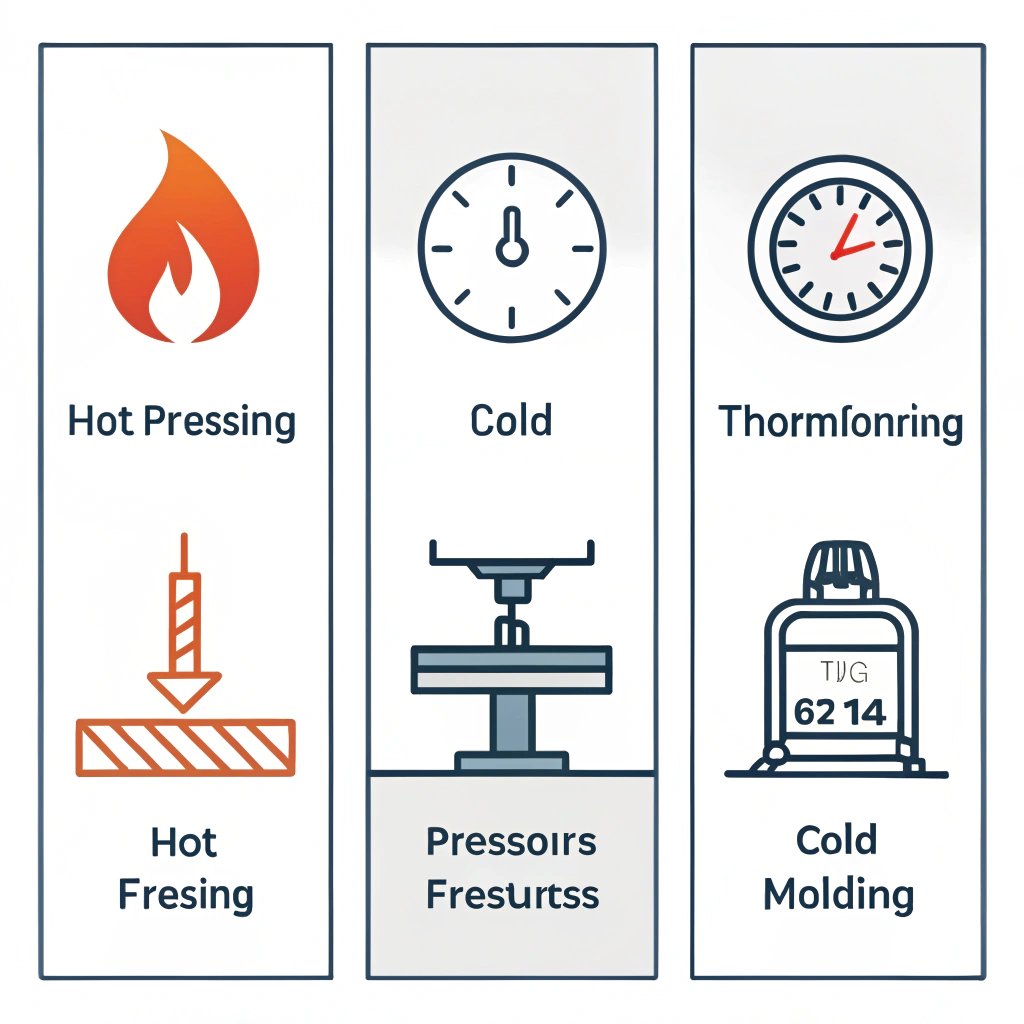
Understanding these techniques not only helps clarify the production process but also enables businesses to appreciate the technical expertise behind each paddle. When combined with rigorous quality control measures, these methods ensure that every paddle meets the demanding standards of today’s market.
High-performance paddles require premium materials. At NEX Pickleball, significant attention is given to selecting the right materials, which include various types of carbon fibers, fiberglass, and composite materials. Each offers unique advantages tailored to different aspects of paddle performance.
Different carbon fibers are used based on player needs and performance targets:
• 3K Carbon Fiber: Offers excellent strength and flexibility with a high rebound force while minimizing vibrations.
• 12K Carbon Fiber: Provides a smoother surface with higher density, ideal for paddles that must withstand extreme impacts during competitive play.
• T300 Carbon Fiber: Known for its remarkable tensile strength and lightweight nature, offering balanced performance.
Fiberglass paddles are popular for blending power with a broader sweet spot and improved ball control. Additionally, composite materials combine the benefits of multiple engineering elements:
• Carbon Fiber and Fiberglass Composite: Merges the strength and lightness of carbon fiber with the flexibility of fiberglass for a well-rounded performance.
• Bamboo Core Composite: Offers lightweight durability and a distinct hitting feel ideal for prolonged play sessions.
• Honeycomb Core Options: These include Nomex, Aluminum, and Polymer honeycomb cores—each providing advantageous properties like superior shock absorption, controlled vibration, and impact resistance.
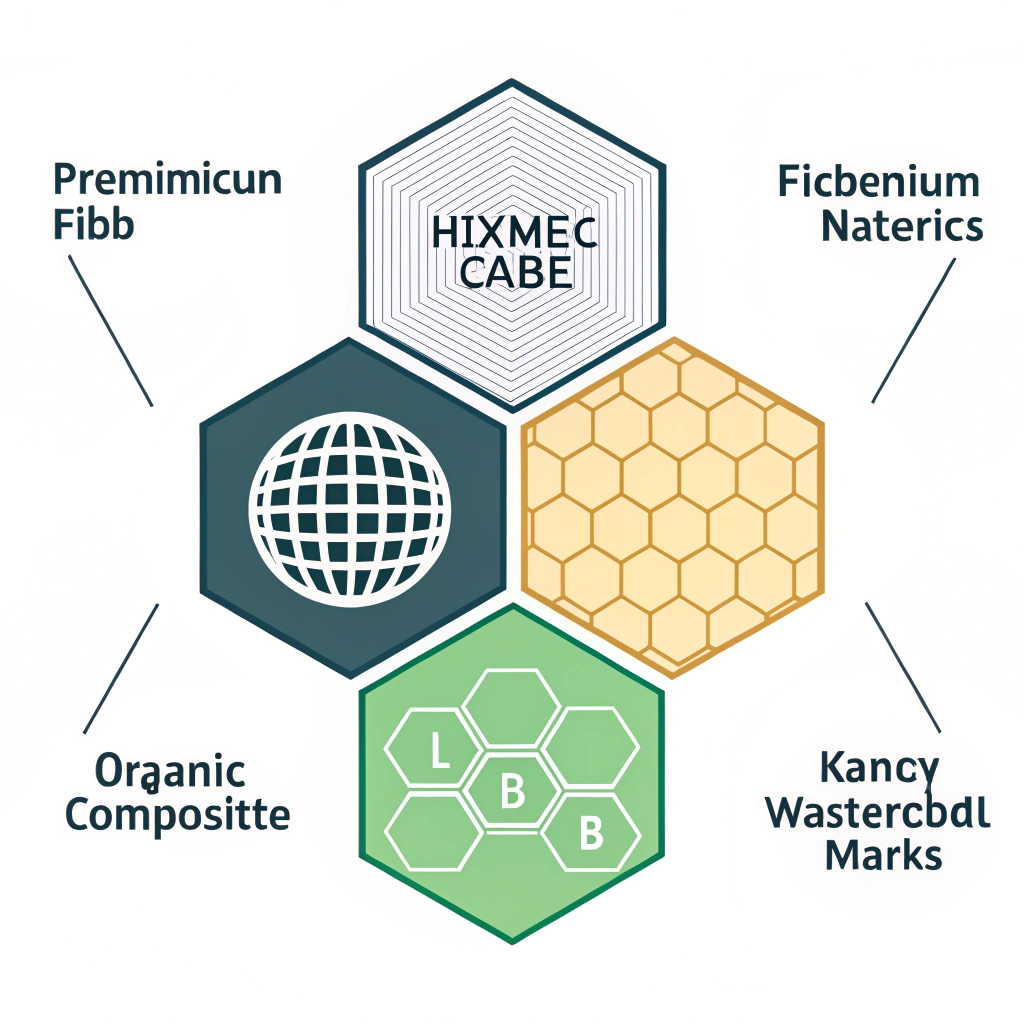
The choice of material significantly impacts the paddle’s performance, especially under high-stress conditions, and is a key consideration for procurement managers. Indeed, the ability to customize material combinations and paddle designs enables manufacturers to meet diverse market needs, from recreational play to professional tournaments.
Ensuring Quality Control5 and Customization
At the heart of advanced manufacturing is rigorous quality control. Each paddle undergoes a series of detailed inspections and stress tests to ensure it meets strict quality benchmarks. Quality control measures include:
• Material Verification: Testing the quality of carbon fiber, fiberglass, and composite materials before they enter production.
• Process Monitoring: Real-time monitoring during hot pressing, cold pressing, and thermoforming to guarantee consistency and precision.
• Final Product Testing: Assessing structural integrity, rebound force, and vibration reduction across batches.
Moreover, customization is a cornerstone of modern manufacturing. Suppliers like NEX Pickleball provide tailored solutions that meet specific client needs, whether for branding, ergonomic design, or performance characteristics. Customers can specify design elements such as weight, balance, grip size, and even custom graphics on the paddle surface, ensuring that the final product aligns closely with their requirements.
A brief checklist for quality control and customization considerations:
- Material Quality Assurance
- Process Traceability
- Rigorous Testing Protocols
- Customization Options (design, weight, grip)
- Timely Production and Delivery
Data-driven decisions are critical in B2B procurement. For example, after implementing advanced thermoforming techniques combined with composite materials, one distributor reported a 20% increase in paddle performance efficiency and a 15% reduction in production defects. Another case highlighted that switching from traditional molding techniques to cold pressing improved the ball feel, leading to higher customer satisfaction scores.
These examples underscore the importance of matching production methods to specific product and market demands. When you are considering a supplier, look for concrete data and case studies that validate their production claims and quality control measures. Suppliers offering transparent data on production yield, defect rates, and performance metrics provide additional assurance of their capability to deliver high-quality products consistently.
In summary, advancing production techniques such as hot pressing, cold pressing, and thermoforming play a pivotal role in the manufacture of high-performance pickleball paddles. By employing these methods along with premium materials—ranging from various carbon fibers to specialized composites—manufacturers like NEX Pickleball ensure products that meet the rigorous demands of competitive play and bulk purchasing requirements.
For procurement managers and business development specialists, the following actionable recommendations can enhance purchasing decisions:
- Evaluate the supplier’s production techniques and ensure they align with the performance requirements of your market.
- Request detailed case studies or performance data to verify claims on quality and efficiency.
- Consider customization and value-added options that could differentiate your product offerings and meet bespoke market needs.
- Prioritize suppliers with strong quality control processes and transparent production timelines.
By focusing on these factors, you can secure a reliable partner that delivers high-performance pickleball paddles tailored for both competitive success and market differentiation. Our commitment to advanced production techniques and rigorous quality control makes us the ideal partner for bulk orders and long-term business growth.
People Also Ask
Q1: Who makes the best quality pickleball paddles?
A1: Leading manufacturers that emphasize advanced production techniques and rigorous quality control—such as those using hot pressing, cold pressing, and thermoforming—consistently produce high-performance pickleball paddles. Companies like NEX Pickleball leverage cutting-edge materials and processes to ensure superior strength, control, and durability for competitive play.
Q2: Are all pickleball paddles made in China?
A2: No, not all pickleball paddles are made in China. Some manufacturers in the USA and other regions use local-sourced materials and production techniques. However, many high-performance paddles, including those with advanced materials and customization, are produced in China where leading companies combine innovative production methods with competitive pricing.
Q3: What is the number one pickleball paddle for spin?
A3: The choice for a paddle that maximizes spin often depends on its surface material, balance, and design. While several paddles in the market highlight their spin capabilities through specific design features, the best option is one that combines advanced production techniques with premium materials to deliver consistent spin performance.
-
[hot pressing]: Click to learn about the process of applying heat and pressure to materials, which enhances structural integrity and production efficiency. ↩ ↩
-
[cold pressing]: Click to explore how cold pressing maintains material properties while providing precise control, resulting in improved performance. ↩ ↩
-
[thermoforming]: Click to understand the thermoforming process that enables complex designs and consistent material distribution in manufacturing. ↩ ↩
-
[carbon fibers]: Click to read about the properties of carbon fibers, including their strength and lightweight characteristics that benefit high-performance products. ↩ ↩
-
[quality control]: Click to learn how rigorous quality control processes ensure product consistency and reliability through detailed inspections and testing. ↩ ↩