Skip to content



Confused by all the different paddle materials and which one suits your needs?
Pickleball paddles are made from core and surface materials that affect power, control, and durability. Each serves different players.
Let’s break down what materials work best for each skill level and style.
Which material is better for pickleball paddle?
With so many choices—carbon fiber1, fiberglass, wood—it’s hard to know which one’s truly better.
Carbon fiber is ideal for spin and control, while fiberglass offers power. The best depends on your play style and goals.

Comparing Surface Materials
Different materials influence how the ball reacts on contact. Here’s how they stack up:
| Material | Control | Power | Durability | Cost Level | Ideal For |
|---|---|---|---|---|---|
| Carbon Fiber1 | High | Moderate | Excellent | High | Competitive, control-focused |
| Fiberglass | Moderate | High | Good | Medium | Beginners, power hitters |
| Composite | Balanced | Balanced | Good | Medium | Versatile players |
| Wood | Low | Low | Very High | Low | New players, basic use |
My Take from the Factory Floor
From our perspective at NEX Pickleball, carbon fiber stands out for consistent performance and longevity. But fiberglass can be a more affordable entry point for players who love power. Each material serves a purpose—we help businesses match material to market.
What are pickleball paddles made of?
If you’re new to pickleball or buying wholesale, understanding paddle composition is key.
Pickleball paddles are made from a surface layer (face), a core, and a grip, with common materials including carbon fiber1, fiberglass, and polymer.
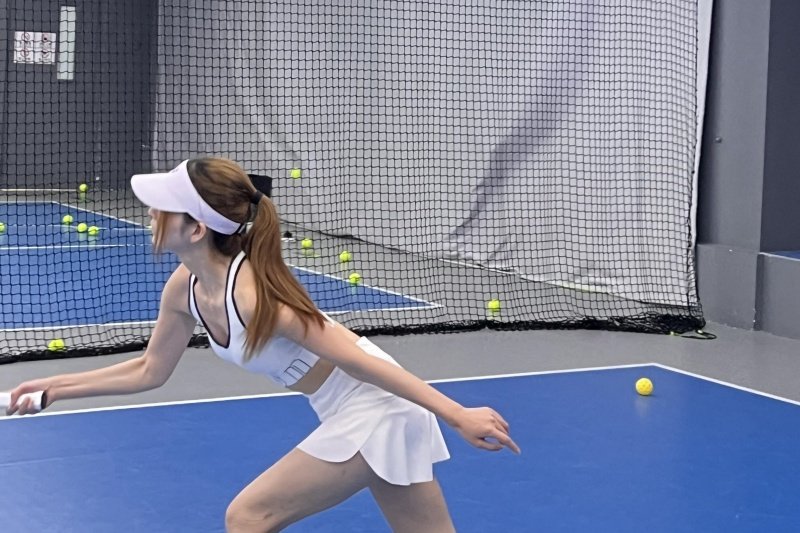
Breakdown of Paddle Components
Every part of a paddle contributes to its feel, control, and life span.
| Component | Material Options | Purpose |
|---|---|---|
| Face | Carbon fiber, fiberglass, composite | Ball spin, power, and durability |
| Core | Polymer honeycomb2, Nomex, aluminum | Shock absorption, control, power |
| Edge Guard | Plastic or rubber | Paddle protection |
| Grip | Synthetic leather, rubber, cushion foam | Comfort, non-slip hold |
Integrated Design Philosophy
At NEX, we treat the paddle as a single engineered unit, not just a list of parts. This means our materials are selected not only for individual performance but also how they work together to deliver a solid, responsive paddle.
What is the best core material for pickleball paddle?
You're probably wondering what’s inside the paddle and why it matters so much.
Polymer honeycomb is the most balanced and durable core, while Nomex offers more power and aluminum adds stiffness.
Core Materials in Detail
The core acts as the paddle’s engine—it affects feel, control, and energy transfer. Here's how they compare:
| Core Type | Pros | Cons | Best For |
|---|---|---|---|
| Polymer Honeycomb | Quiet, strong, great feel | Slightly heavier | All-around players |
| Nomex | Hard, responsive, lightweight | Loud, less forgiving | Power-focused, fast reactions |
| Aluminum | Firm touch, consistent rebound | Less control, heavier | Recreational use, indoor play |
Why NEX Uses Polymer by Default
We choose polymer honeycomb for most of our paddles due to its consistency, comfort, and market versatility. It’s the gold standard for both casual and serious players, and we’ve fine-tuned our layup process to get the most out of this core material.
What is the best material for a pickleball paddle for beginners?
Beginners need gear that’s forgiving, affordable, and comfortable—not necessarily top-tier pro specs.
Fiberglass paddles with polymer cores3 are best for beginners because they offer a good mix of power, control, and affordability.
Beginner Material Combo
New players need paddles that make the learning curve easier without breaking the bank. Here’s a proven setup:
| Component | Recommended Material | Why It’s Good for Beginners |
|---|---|---|
| Face (Surface) | Fiberglass | Lightweight, good power, low cost |
| Core | Polymer Honeycomb | Soft feel, great control, forgiving |
| Grip | Cushioned synthetic | Comfortable over longer play sessions |
Our Recommendations at NEX
When businesses ask us for entry-level products, we suggest this fiberglass + polymer combo. It offers high perceived value without sacrificing performance, making it perfect for clubs, schools, and beginner bundle sets.
Conclusion
Choosing the right pickleball paddle materials can make all the difference in comfort, performance, and customer satisfaction—especially when paired correctly for each skill level.
-
Understand why carbon fiber is ideal for spin and control, and its high durability for competitive players. ↩ ↩ ↩
-
Learn why polymer honeycomb is favored for its balance of durability, comfort, and versatility in both recreational and serious play. ↩
-
Discover why fiberglass paddles with polymer cores are recommended for beginners, offering a balance of power, control, and affordability. ↩