Skip to content

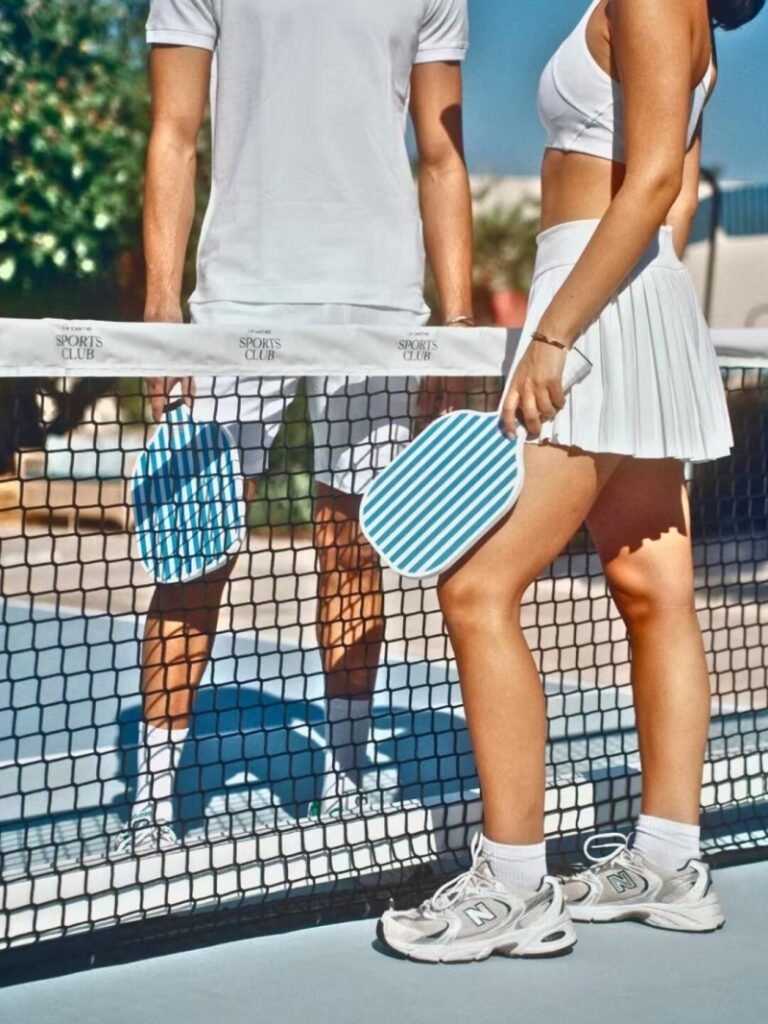
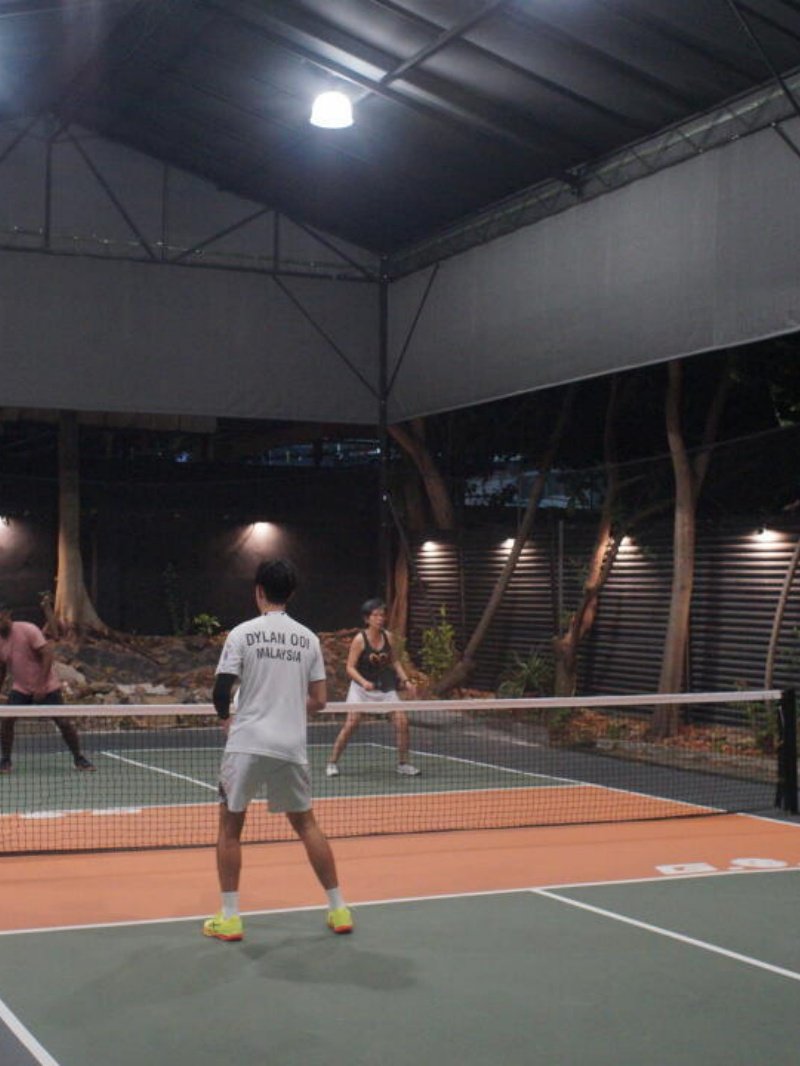
Problem: Replacing paddles too often increases costs and impacts gameplay.
Agitation: Many players unknowingly shorten their paddle’s life through poor habits.
Solution: Following a few smart care tips can significantly extend your paddle’s performance.
You can extend your pickleball paddle’s lifespan by storing it properly, cleaning it regularly, and avoiding harsh impacts.
Stick around — small changes in how you treat your paddle can make a big difference in how long it lasts.
How to make your pickleball paddle last longer?
Problem: Most players use their paddle daily but rarely think about preserving it.
Agitation: Neglect and improper storage can shorten paddle life by months.
Solution: Adopting proper usage habits keeps your paddle in top condition longer.
To make your pickleball paddle last longer, avoid slamming it on the ground, clean it often, and store it in a protective case1.
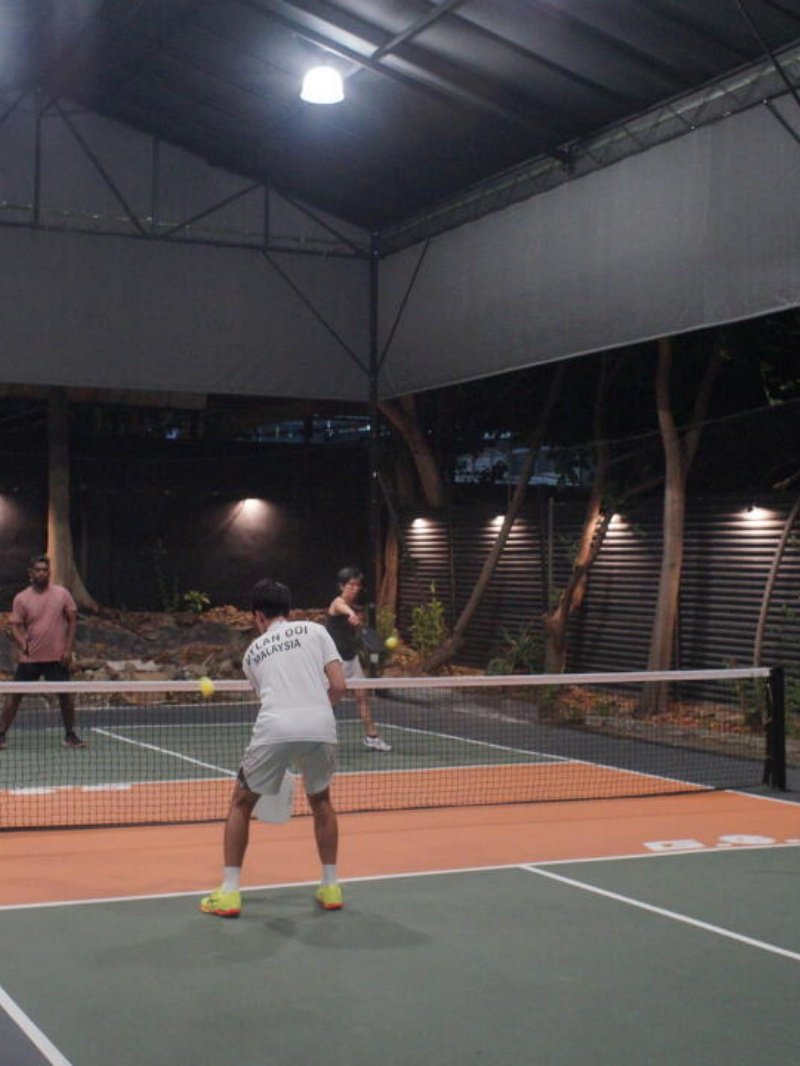
Simple Practices That Extend Paddle Life
As someone who manufactures paddles, I can tell you that wear and tear often come from small, preventable habits. With the right care, your paddle can stay reliable far longer.
H3: Top Tips to Extend Paddle Lifespan
| Tip Number | Action | Benefit |
|---|---|---|
| 1 | Use a paddle cover | Protects from dust and scratches |
| 2 | Wipe paddle after each session | Removes moisture and debris |
| 3 | Don’t hit the ground with your paddle | Prevents core or edge damage |
| 4 | Avoid extreme temperatures | Maintains material integrity2 |
| 5 | Rotate paddles if you own multiple | Distributes usage evenly |
| 6 | Inspect for cracks weekly | Detects issues early |
| 7 | Clean the grip and replace when worn | Ensures control and hygiene |
How long should a pickleball paddle last?
Problem: Players aren’t sure when to replace their paddle.
Agitation: Some upgrade too soon, others keep using worn paddles and hurt their performance.
Solution: Knowing the average lifespan and signs of decline helps make informed decisions.
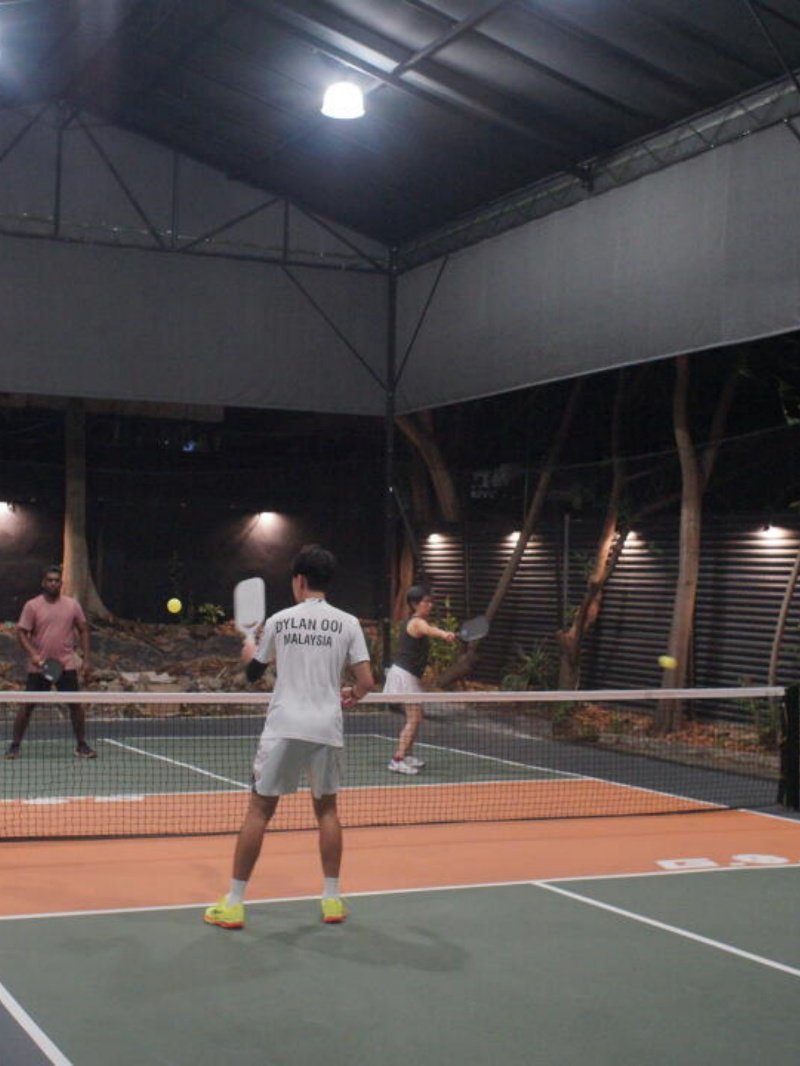
A pickleball paddle typically lasts 6 to 24 months depending on frequency of use, materials, and maintenance.
Understanding Paddle Longevity
Different players and paddles wear at different rates. Business buyers and serious players should consider both usage and construction quality.
H3: Factors That Affect Paddle Lifespan
| Factor | Impact on Lifespan |
|---|---|
| Frequency of Use | More games = faster wear |
| Paddle Core Material | Polymer lasts longer than NOMEX3 |
| Face Material | Carbon fiber is more durable |
| Playing Surface | Rough surfaces wear paddles faster |
| Player Type | Power hitters cause more stress |
H3: Recommendations by User Type
- Casual players: Can expect 1–2 years of use
- Frequent recreational players: Should consider replacing every 12–18 months
- Competitive players: May need a new paddle every 6–12 months
A quality paddle is an investment — treat it like one.
How to maintain pickleball paddles?
Problem: Many players overlook simple maintenance that could save them money and improve their game.
Agitation: Dirt buildup, worn grips, and ignored cracks can lead to poor play or injury.
Solution: Regular maintenance keeps paddles clean, functional, and long-lasting.
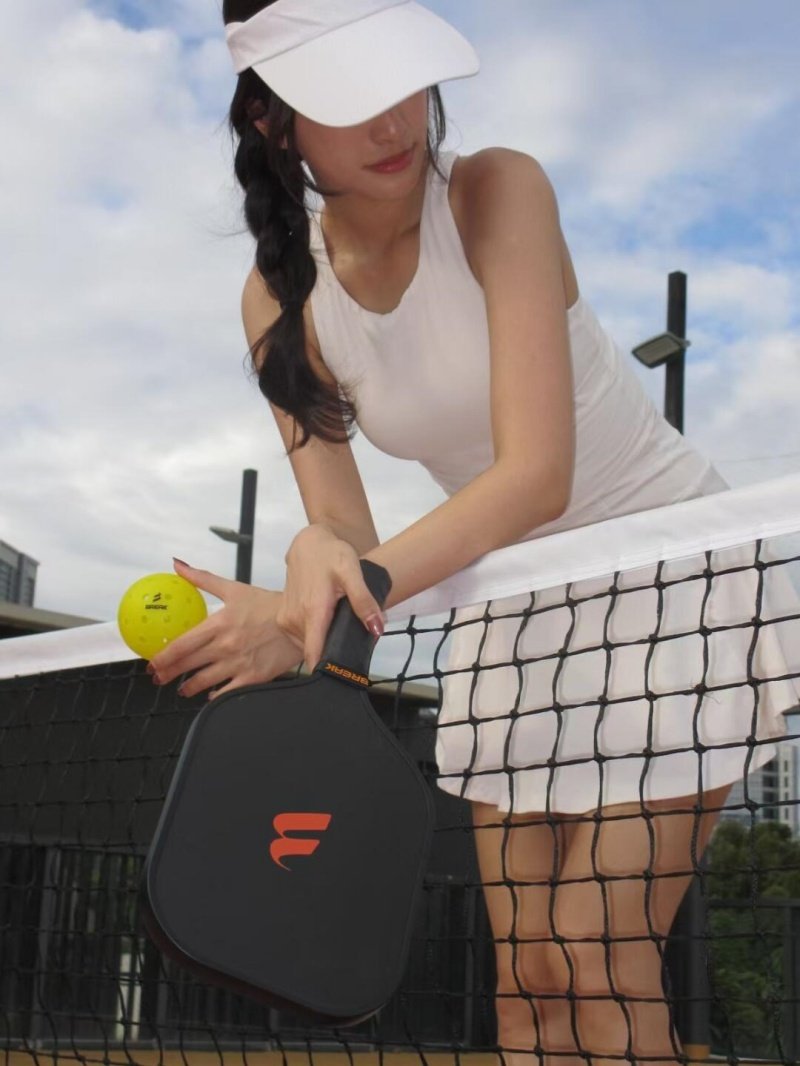
Maintain your paddle by cleaning the face, inspecting the edge guard4, and replacing the grip as needed.
Maintenance Checklist
Proper maintenance doesn’t take much time, but it can greatly improve the life and performance of your paddle.
H3: Weekly Maintenance Routine
| Task | Description | Tools Needed |
|---|---|---|
| Clean paddle face | Wipe with damp cloth to remove dirt | Microfiber cloth |
| Check edge guard | Inspect for looseness or cracking | Visual check |
| Examine surface texture | Ensure grit is still intact | Fingertip test |
| Test paddle for dead spots | Tap gently to check for dull sounds | Paddle + ball |
H3: Long-Term Maintenance Advice
- Store paddles indoors to prevent moisture damage
- Avoid dropping or banging against hard surfaces
- Keep extra grips on hand for quick replacements
Well-maintained paddles feel better and play better — and reflect your professionalism on the court.
How do you know when a pickleball paddle is worn out?
Problem: Players often use paddles beyond their effective lifespan.
Agitation: This leads to missed shots, poor spin, and hand fatigue.
Solution: Learn the signs of wear before performance suffers.
A worn paddle may have dead spots5, faded grip, edge guard damage, or a dull surface texture.
Spotting the Signs of Paddle Wear
As a manufacturer, I often hear players say “my game feels off.” The paddle is usually the reason — not the player.
H3: Signs Your Paddle Needs Replacing
| Symptom | What It Means | Solution |
|---|---|---|
| Dead spots | Core breakdown | Replace the paddle |
| Dull or smooth surface | Loss of spin-enhancing texture | Consider upgrade |
| Loose edge guard | Frame weakening | Repair or replace |
| Grip feels slick | Worn or sweaty handle | Replace grip |
| Cracks or splits | Structural damage | Stop using immediately |
H3: When to Take Action
- Occasional mishits may just be a technique issue
- Consistent dull feedback from shots likely means internal wear
- Visible damage is always a red flag
Trust how your paddle feels — if something seems off, it probably is.
Conclusion
With proper care and regular checks, your paddle can deliver consistent performance and last far longer than you might expect.
-
See how a protective case can shield your paddle from environmental wear and tear. ↩
-
Explore the concept of material integrity and how maintaining it preserves paddle performance. ↩
-
Learn what NOMEX is and why it may offer different durability compared to polymers. ↩
-
Discover the function of an edge guard in protecting the paddle from damage. ↩
-
Understand that dead spots indicate core breakdown, affecting performance and warranting replacement. ↩