Skip to content

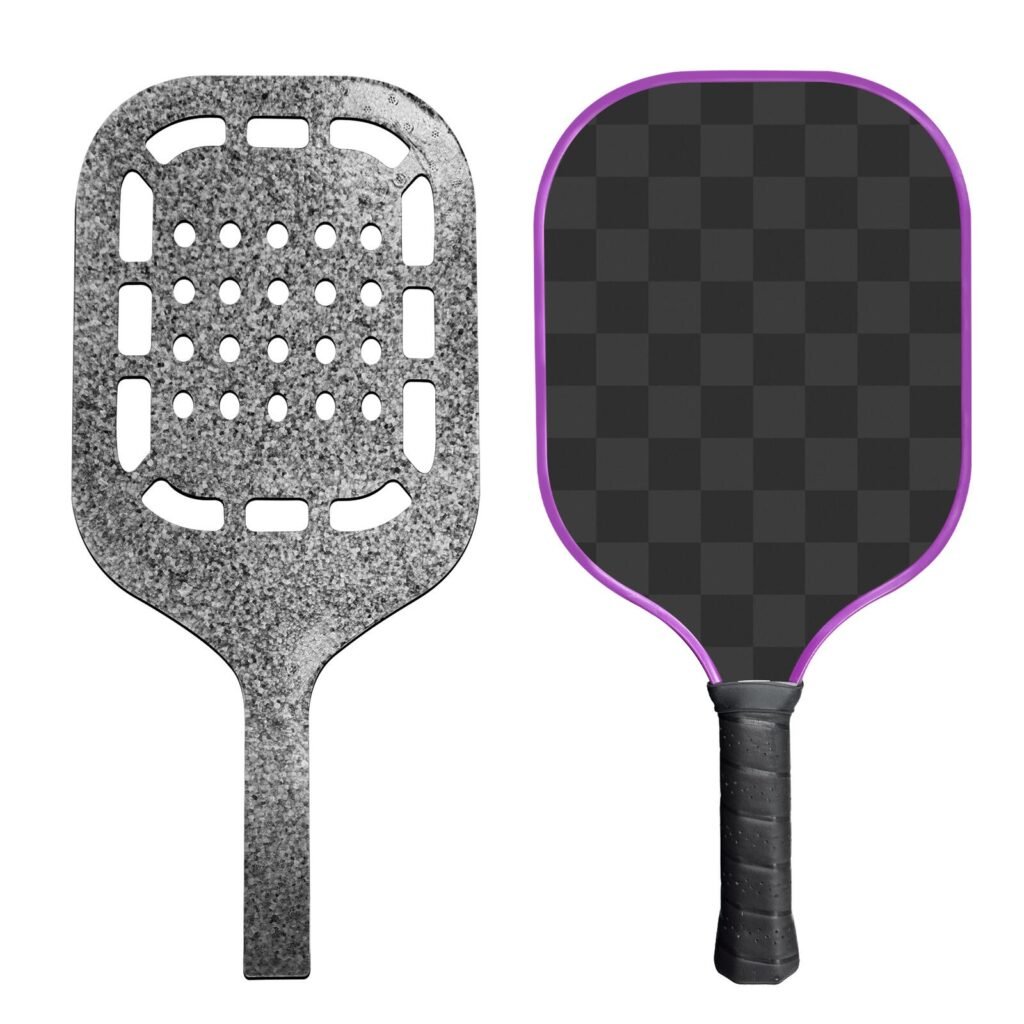
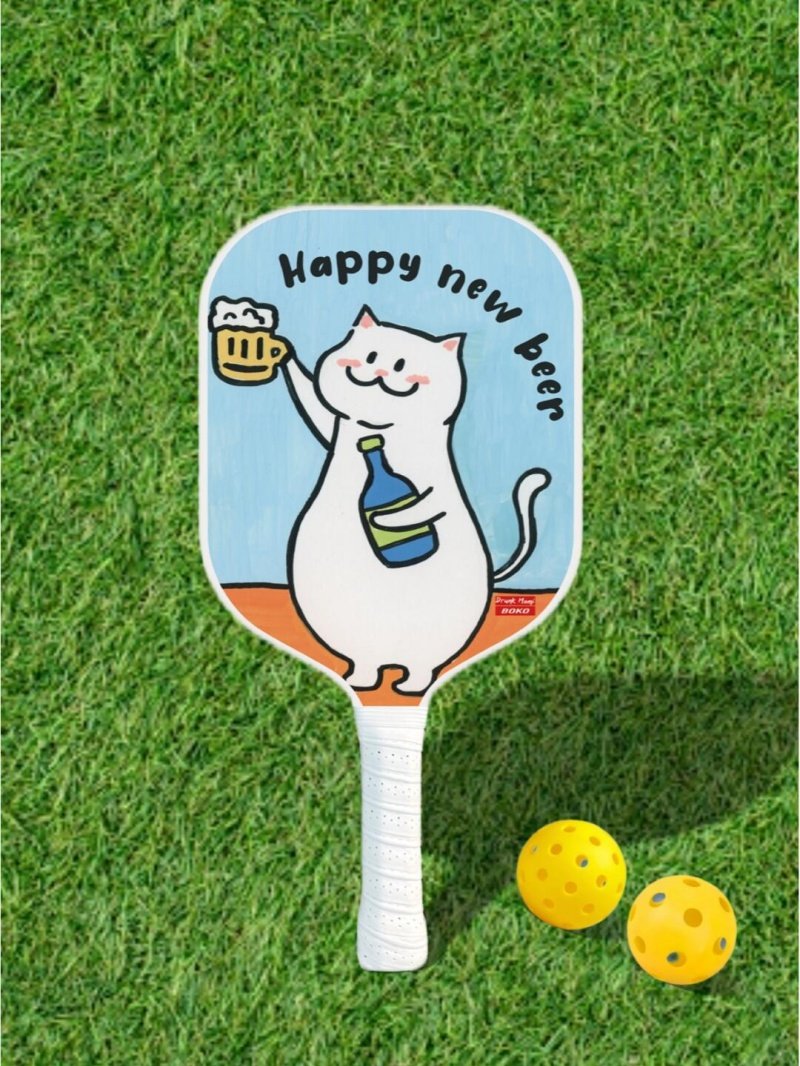
Ordering custom pickleball paddles in bulk sounds easy—until unpredictable pricing and unclear options start causing delays.
Bulk paddle pricing is influenced by materials, customization level, MOQ1, and quality control standards.
If you're planning a large order, here's everything you need to know to avoid surprises and secure better margins.
What factors influence the pricing of bulk custom pickleball paddles?
You're ready to place a bulk order, but prices vary wildly. What's really driving those numbers?
The main cost factors include paddle materials, production volume, customization complexity, and shipping logistics.
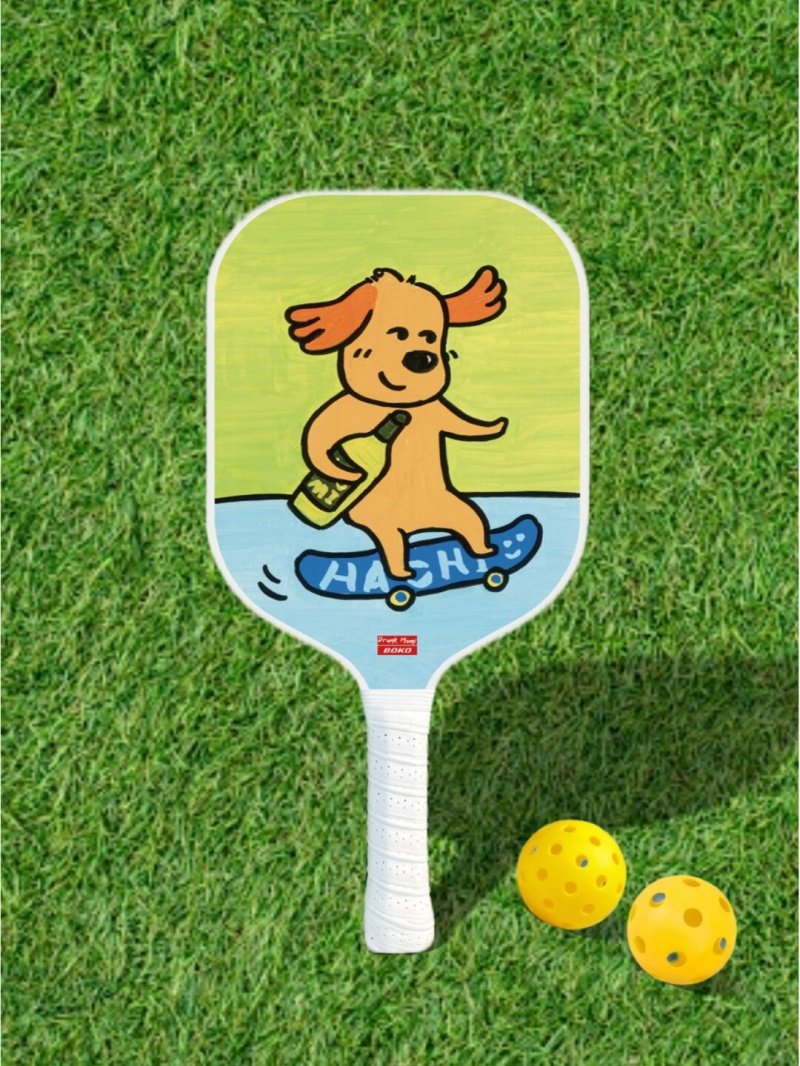
Understanding the Core Pricing Structure
From my experience in manufacturing, pricing isn’t just about the paddle—it’s about the entire production process. Here's a breakdown:
| Factor | Description | Cost Impact |
|---|---|---|
| Face Material | Carbon fiber, fiberglass, or composite | High |
| Core Material | Polypropylene, Nomex2, or aluminum | Medium |
| Core Thickness | Thicker cores use more material | Medium |
| Graphics & Branding | Full custom print vs standard color | Medium to High |
| Edge Guard & Handle | Custom molding or wrapping | Low to Medium |
| Quantity Ordered | Larger volumes reduce per-unit cost | High (Economies) |
| Packaging | Branded vs bulk/no-frills | Low |
| Shipping Method | Air vs Sea | High (location-based) |
H3: Balancing Performance and Price
High-end paddles with raw carbon faces and thermoforming tech3 cost more—but they also sell for more. If your market is recreational, fiberglass might offer better ROI.
H3: What’s Hidden in Your Quote?
Always clarify if the quote includes packaging, shipping, and mold fees. Transparent pricing ensures you compare apples to apples across suppliers.
How do you determine the minimum order quantity (MOQ) for wholesale custom pickleball paddles?
MOQ seems like a mystery number, but it’s rooted in production realities most buyers never see.
MOQ is based on factory setup costs, material batching requirements, and the complexity of customization.
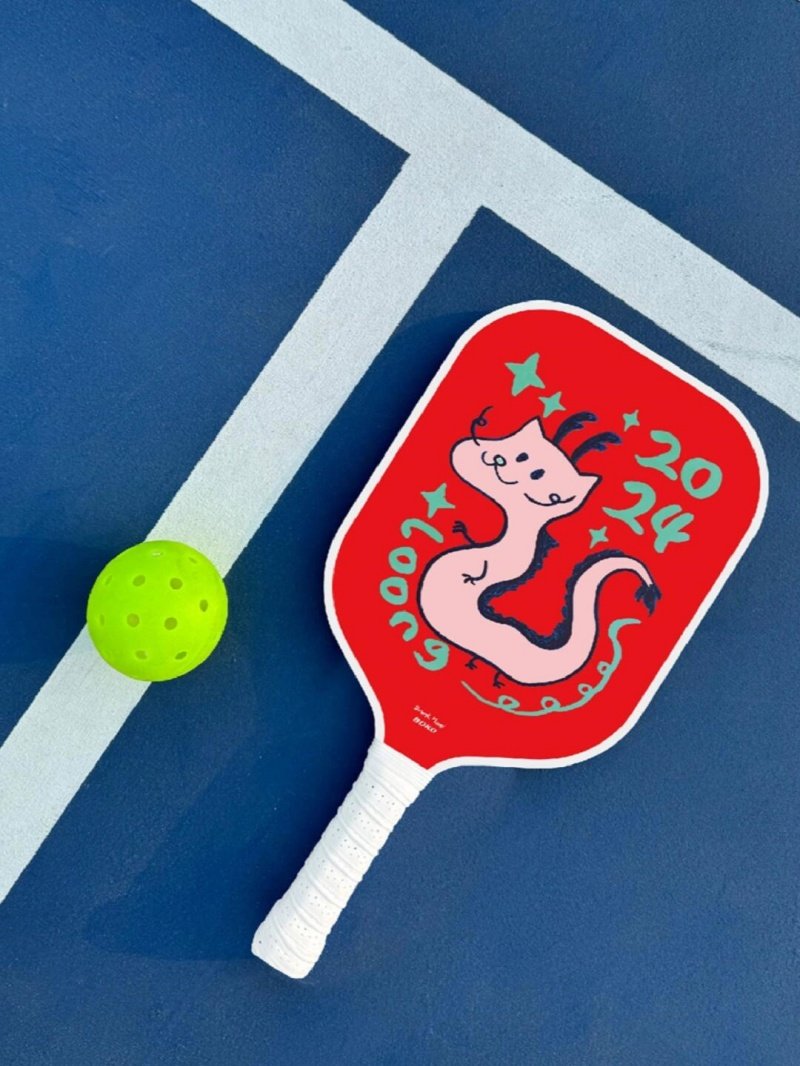
MOQ in Practice
At NEX Pickleball, our MOQ depends on how customized the paddle is. Here's a simplified view:
| Customization Level | MOQ Range | Why? |
|---|---|---|
| Logo Only | 50–100 paddles | Simple digital print setup |
| Custom Graphics | 100–300 paddles | Requires UV plate, more prep |
| Mold/Shape Changes | 500+ paddles | New mold cost amortized over volume |
| Thermoformed Paddles | 200+ paddles | Higher production complexity |
H3: MOQ and Unit Cost Trade-Off
Higher MOQ means lower cost per unit. But don't over-order if your distribution isn't ready—smart volume scaling is better than excess inventory.
H3: How to Negotiate a Lower MOQ
If you're testing a new design, ask if the factory offers sample runs at a higher per-unit cost. We often do this to support long-term partners.
What customization options are typically available for wholesale pickleball paddles?
You want your brand to stand out—but you’re not sure how far you can go with design and performance changes.
Typical customization includes paddle face graphics, handle shape, grip material, core thickness, and surface texture.
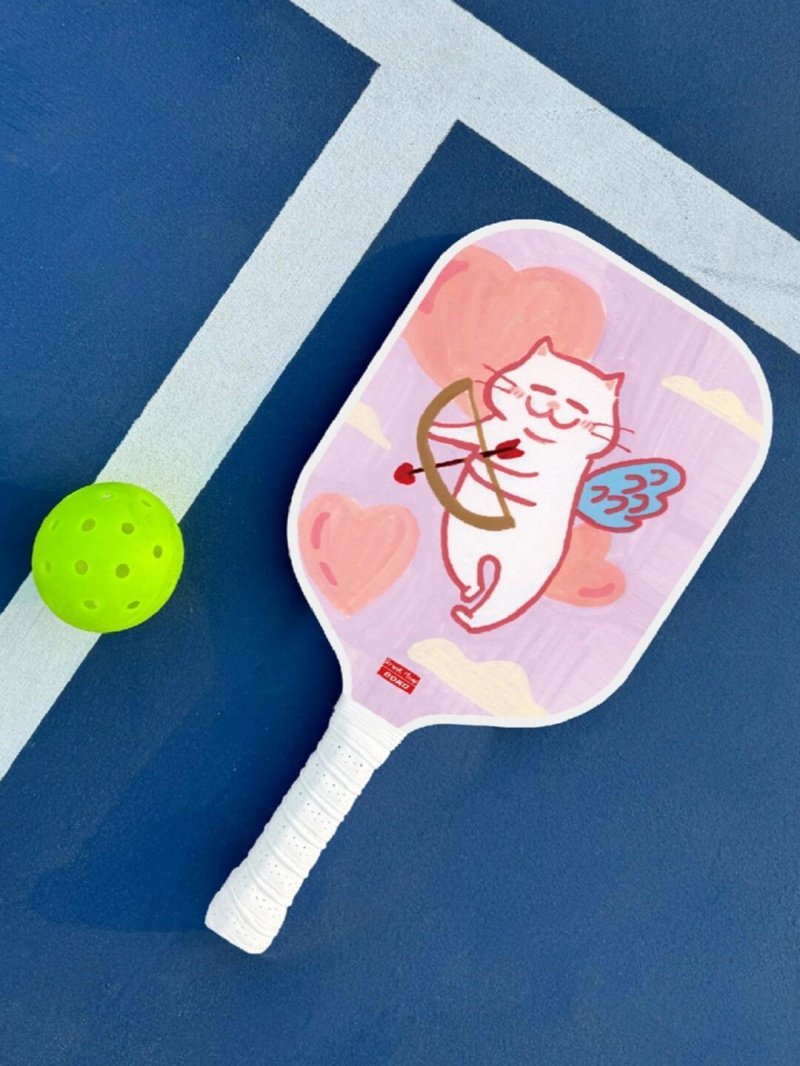
Paddle Customization Options
We offer a wide range of customization for brands. Here’s a breakdown of the most requested features:
| Custom Option | Details | Notes |
|---|---|---|
| Face Material | Fiberglass, raw carbon fiber, hybrid | Impacts control, spin, durability |
| Core Thickness | 13mm, 14mm, 16mm | Affects touch and power |
| Shape | Standard, elongated, wide-body | Requires mold if non-standard |
| Edge Guard | Seamless, standard plastic, color-matched | Aesthetic and functional |
| Graphics | Full-wrap print, matte/glossy finish | Custom artwork, brand identity |
| Handle Wrap | Leather, synthetic, perforated | Optional logo embossing |
| Weight Range | 7.5–8.5 oz | Adjusted during balancing |
H3: Performance vs. Branding Focus
Some buyers want cosmetic changes only—others need tournament-level performance tweaks. Clarify your market goal before customizing.
H3: Are There Legal Limits?
If you plan to certify your paddles for USA Pickleball use, surface texture and material limits apply. We help clients test these features pre-production.
How can wholesale buyers ensure consistent quality in custom pickleball paddle production?
You finally placed your order—but now you worry whether the paddles will meet your expectations every time.
Buyers can ensure quality by demanding detailed specs, requesting samples, and using third-party inspections.
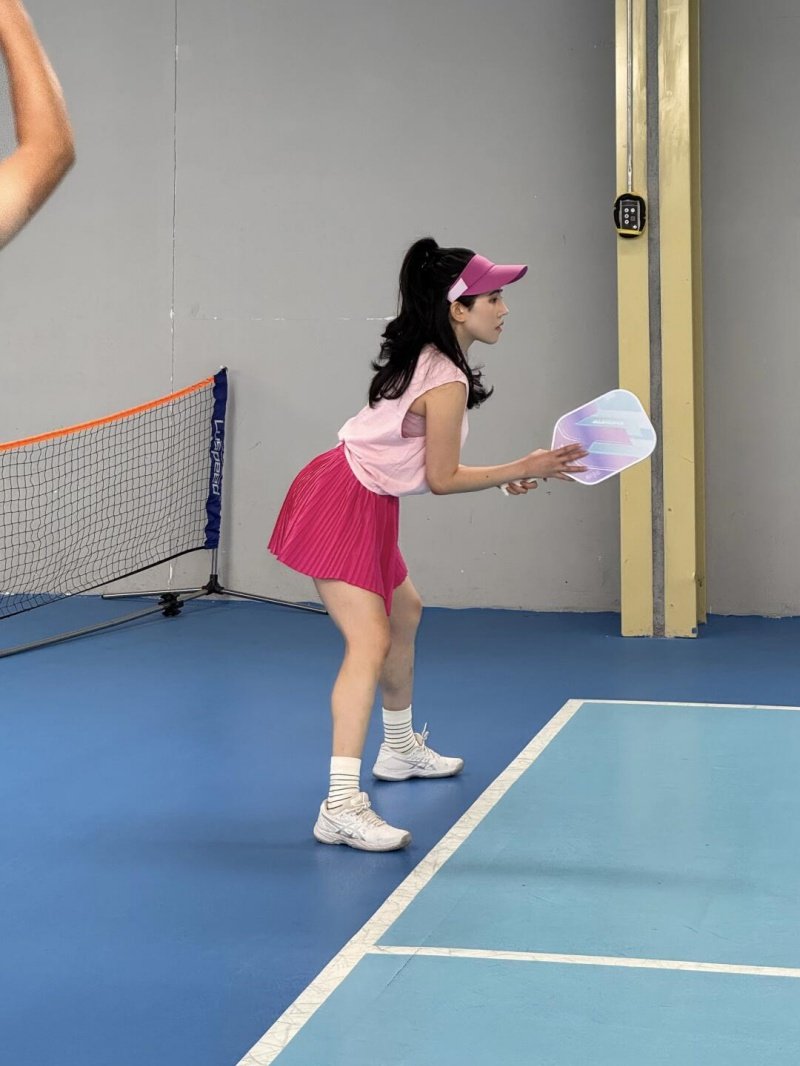
Quality Assurance Best Practices
Inconsistent paddles ruin customer trust and cost money. That’s why we follow strict procedures at NEX Pickleball—and recommend buyers do too.
| QA Step | Why It Matters | How to Implement |
|---|---|---|
| Pre-Production Sample | Confirms specs before mass run | Approve shape, weight, surface feel |
| Material Verification | Ensures raw materials meet standards | Ask for sourcing documentation |
| In-Line QC | Catches early defects during production | Factory-run tests + spot checks |
| Final Inspection | Validates full order quality | Use a third-party service (SGS4, etc.) |
| Drop Test & Bounce Test | Simulates real-world impact | Optional, but recommended |
H3: Documentation is Your Shield
Always have a written spec sheet with tolerances (±5g weight, ±0.5mm thickness). That way, disputes are resolved quickly.
H3: Building Trust Over Time
We work hard to keep buyers informed with production updates, batch photos, and live video calls during QC. Choose a partner who treats quality as seriously as you do.
Conclusion
Bulk paddle pricing and quality depend on materials, customization, MOQ, and consistent factory communication—choose smart, scale smooth.