Skip to content

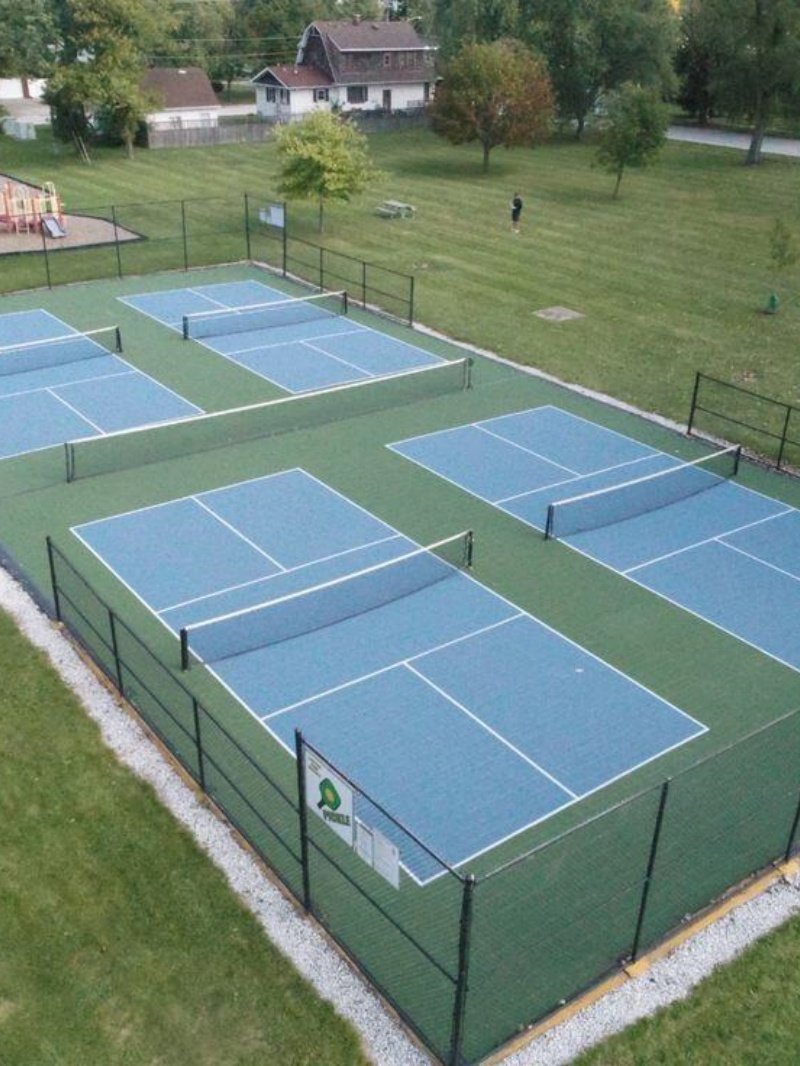
Confused by the layout and rules of a pickleball court? You’re not alone—it looks simple, but every line has a purpose.
A pickleball court is a compact, rectangular court measuring 20x44 feet, with specific zones for serving, volleying, and fault rules.
Let’s walk through what it is, how it works, and why it’s designed that way.
What is pickleball and why is it called that?
At first glance, “pickleball” sounds like a joke. But the story behind the name is surprisingly layered and a little quirky.
Pickleball is named either after a dog called Pickles or a pickle boat in rowing1—depending on which co-founder’s story you believe.

H3: A Game Born From Summer Boredom
Back in 1965, three dads—Joel Pritchard, Bill Bell, and Barney McCallum—wanted to entertain their families. With a badminton court, ping-pong paddles, and a perforated plastic ball2, they made up a new game.
But the name? That’s where things get messy. One version says the Pritchards’ dog, Pickles, kept running off with the ball. Another version claims the name refers to a “pickle boat”—a rowing term for a mismatched crew, reflecting how the sport combined elements from several sports.
From my experience, that blend of casual origin and serious competition is exactly what people love about pickleball.
H3: Summary Table – Name Origin Theories
| Theory | Description |
|---|---|
| Dog Named Pickles | The dog chased balls during the early games |
| Pickle Boat in Rowing | Refers to a mix of leftovers, like the sport itself |
Whether it was the dog or the boat, the name stuck—and now it’s a global brand.
How is a pickleball court different than a tennis court?
Many people see a smaller tennis court—but there's more to a pickleball court than just size.
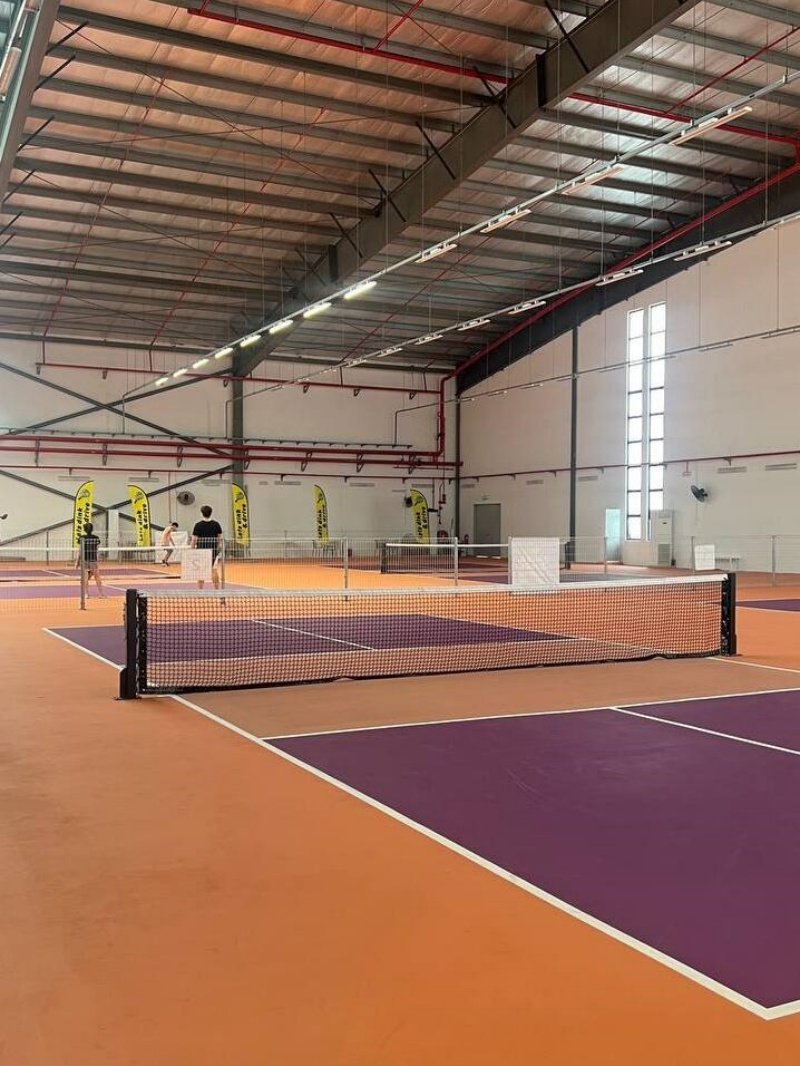
A pickleball court is smaller, with a 7-foot “kitchen” zone3 near the net and lines specifically for unique rules of play.
H3: Size and Layout Comparison
Pickleball courts measure 20 feet wide and 44 feet long for both singles and doubles. In contrast, a tennis court is 36 feet wide and 78 feet long.
The non-volley zone (commonly known as the "kitchen") is a crucial area. It prevents players from standing too close to the net while smashing, which balances the pace of the game.
H3: Key Differences Table
| Feature | Pickleball Court | Tennis Court |
|---|---|---|
| Court Size | 20 x 44 feet | 36 x 78 feet |
| Net Height (center) | 34 inches | 36 inches |
| Kitchen Zone | 7-foot non-volley zone | Not applicable |
| Ball Used | Plastic with holes | Pressurized felt ball |
| Game Style | Slower, strategic | Faster, more explosive |
When designing and producing paddles at NEX, we account for these differences. For instance, the shorter distance affects paddle design—control is often more important than raw power.
What is pickleball in simple terms?
New to the sport? Let’s keep it easy.
Pickleball is a paddle sport where players hit a perforated ball over a net using paddles, aiming for strategy over speed.

H3: Think of It Like a Hybrid Sport
I usually describe pickleball as a mix of tennis, ping-pong, and badminton. It’s played on a small court with simple gear. The rules are easy to learn—so even first-timers can play within minutes.
It’s also social. Most games are doubles, so conversation and teamwork matter as much as skill. That’s why clubs and communities are seeing such rapid growth.
H3: Simple Terms Table
| Element | Description |
|---|---|
| Objective | Hit the ball over the net into the court |
| Equipment | Paddle and plastic ball |
| Court | 20x44 feet with special zones |
| Number of Players | Singles or doubles |
| Key Rule | No volleying in the kitchen (non-volley zone) |
From a manufacturer’s point of view, I’ve learned the gear must be easy to use yet durable—because beginners and seasoned players alike pick it up fast.
What is pickleball and why is it so popular?
Pickleball’s popularity seems sudden, but the reasons are rooted in accessibility and community.
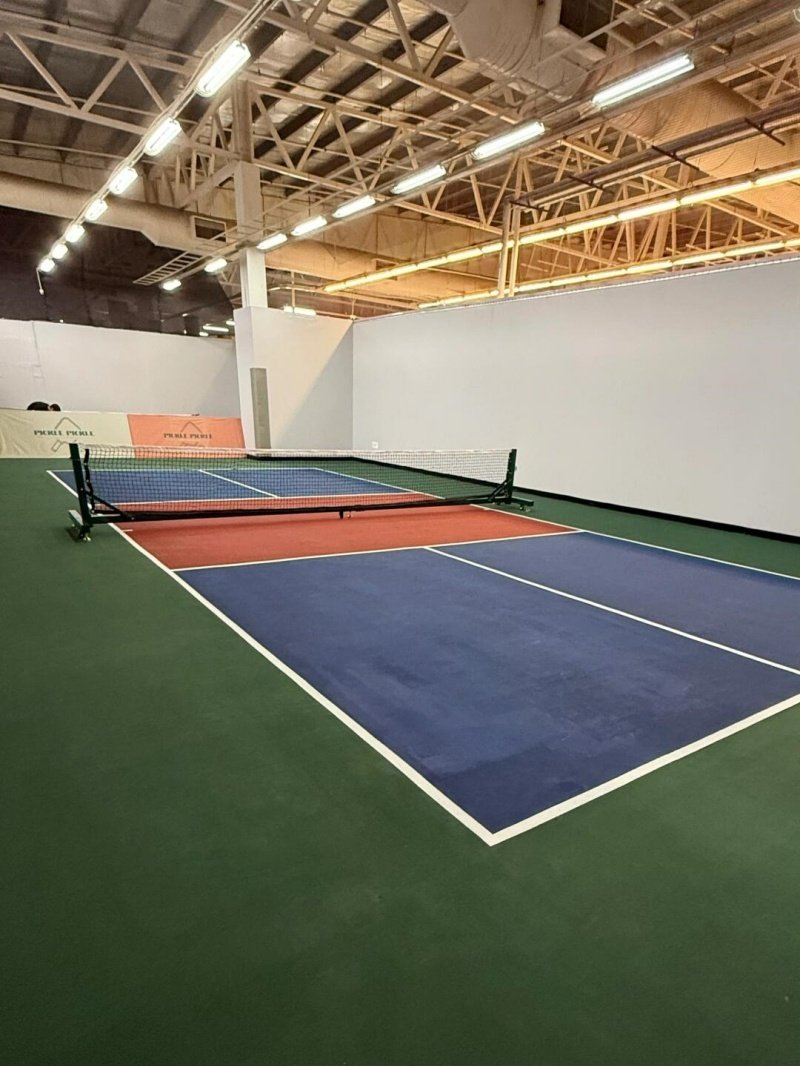
Pickleball is popular because it’s easy to learn, social to play, and suitable for all ages and skill levels.
H3: The Growth Recipe
The sport checks all the boxes for modern recreation:
- Low learning curve – A few practice swings and you’re playing.
- Small court size – Makes it more accessible in urban areas.
- All-ages appeal – Kids, seniors, athletes—all can enjoy it.
- Community focus – Local clubs and meetups are part of the fun.
From my conversations with customers and partners, I’ve noticed that most start casually—then get hooked. It’s this unique balance of ease and competition that drives long-term growth.
H3: Why People Love It – Table
| Reason | Explanation |
|---|---|
| Easy to Learn | Rules and skills can be picked up quickly |
| Social Interaction | Most games are doubles, creating strong community |
| Fitness Without Intensity | Low-impact but active |
| Space-Efficient | Can be played in smaller venues |
| Affordable Equipment | Lower cost than many other sports |
Pickleball’s rise isn’t just hype—it’s rooted in genuine advantages that resonate with modern lifestyles.
Conclusion
Pickleball courts are compact, rule-driven spaces built for a sport that’s easy to learn, highly social, and growing worldwide.